The 1950s marked a transformative era for vehicle design, characterized by innovation and a forward-looking mindset. From sleek lines to powerful engines, this decade encapsulated a spirit of optimism and technological advancement that reshaped the automotive landscape.
Post-War Economic Boom
The post-World War II era ushered in a significant economic boom, particularly in the United States. As soldiers returned home and the country shifted from a wartime to a peacetime economy, there was a remarkable increase in disposable income. Families found themselves with more money to spend, and automobiles became a symbol of prosperity and freedom. The average American’s desire for personal transportation flourished, leading to a surge in demand for new vehicles.
The rise of the middle class during this time also played a critical role in shaping automotive demand. As more people moved into better-paying jobs, especially in manufacturing and service industries, car ownership became more accessible. This demographic shift fueled the need for vehicles that catered to the aspirations of the burgeoning middle class. Suburban expansion was another significant factor; as cities spread outward, families sought vehicles that could accommodate their new lifestyles, which often included long commutes and family outings.
Technological Advancements
The 1950s were a time of incredible technological advancement in the automotive industry. New materials like fiberglass emerged, allowing manufacturers to create lighter and more fuel-efficient vehicles. This period also saw the introduction of unibody construction, which combined the body and frame of the vehicle into a single piece, enhancing strength and reducing weight. These innovations not only improved performance but also changed the way cars were designed and manufactured.
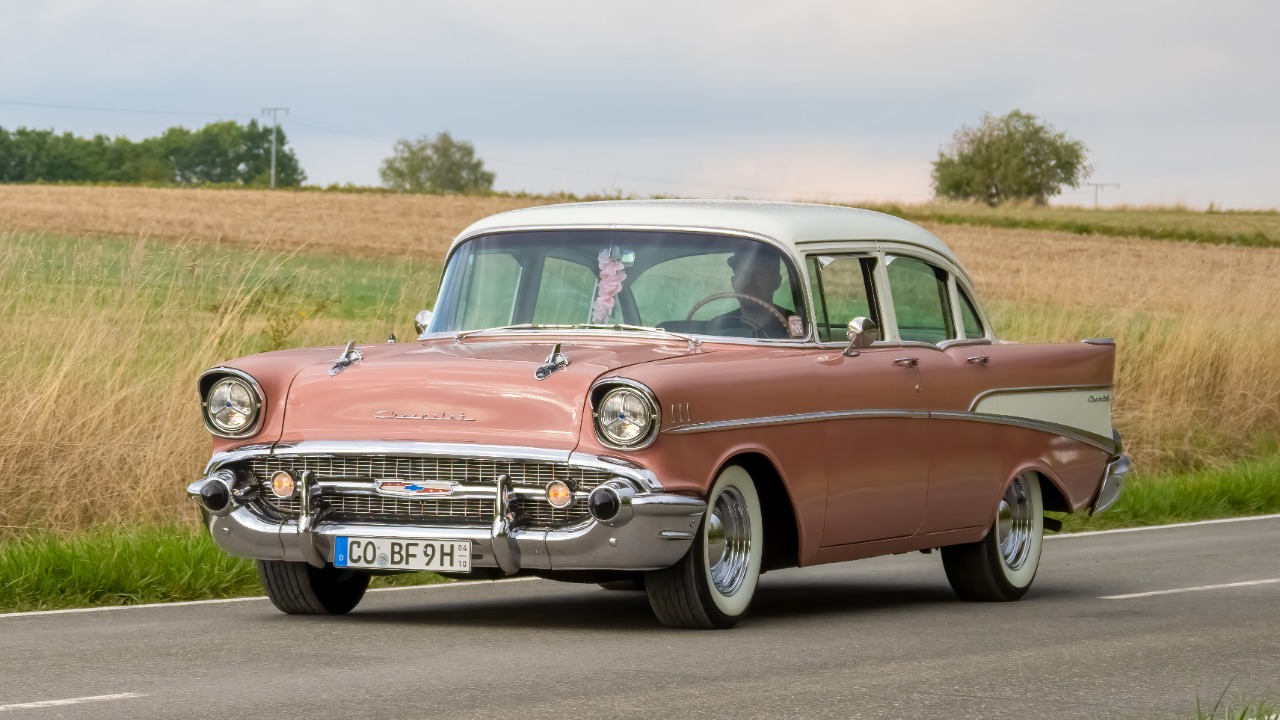
Perhaps one of the most notable advancements was the development of powerful V8 engines. Cars like the 1955 Chevrolet Bel Air and the Ford Thunderbird featured these engines, which provided an exhilarating driving experience and significantly boosted speed. The increased performance capabilities appealed to consumers’ desires for power and excitement, marking a shift in how vehicles were perceived. Additionally, the decade saw innovations in safety features, such as seat belts and padded dashboards, reflecting a growing awareness of the importance of driver and passenger safety.
Aesthetic Revolution
The aesthetic design of vehicles in the 1950s underwent a remarkable transformation, influenced heavily by American culture and a desire for individuality. Cars became more than just modes of transportation; they evolved into symbols of freedom, status, and modernity. The introduction of tailfins, popularized by models such as the 1959 Cadillac Eldorado, became iconic features that epitomized the era’s design ethos. These bold design choices represented a forward-thinking approach, as car manufacturers sought to capture the imagination of consumers through eye-catching aesthetics.
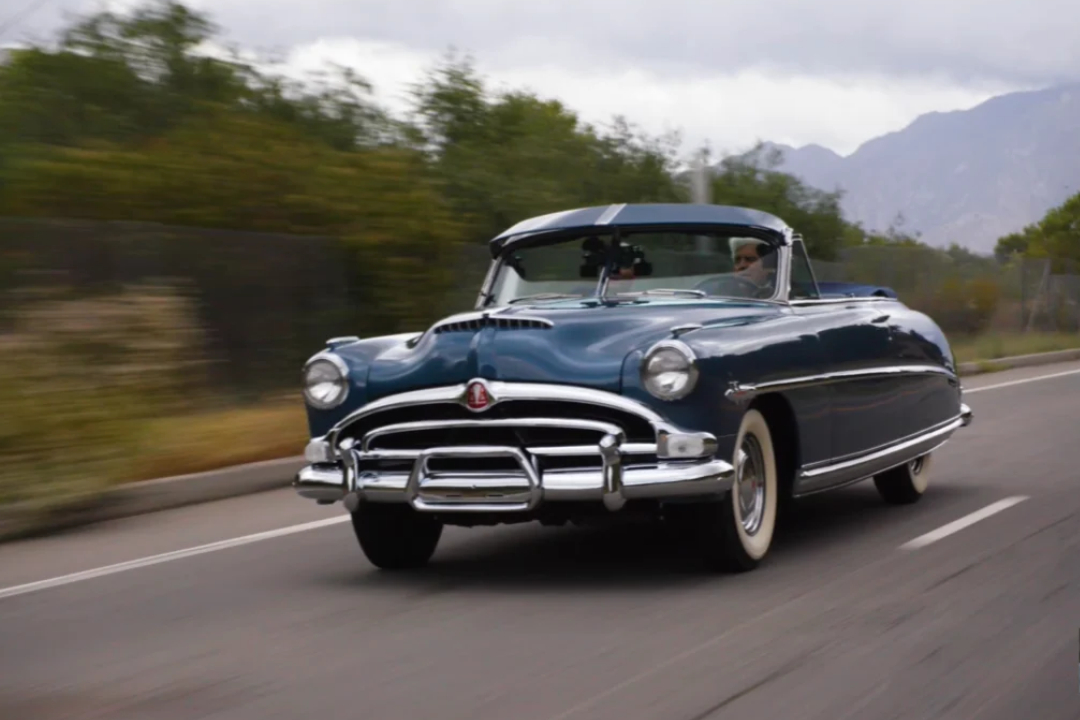
Chrome detailing also became a defining characteristic of 1950s vehicle design. The shiny, reflective surfaces were not merely decorative; they were meant to convey a sense of luxury and sophistication. Collaborations between automotive designers and artists or architects further contributed to this aesthetic revolution. For instance, the Chrysler 300, with its sleek silhouette and innovative design elements, showcased the unique blend of artistic vision and automotive engineering that characterized the decade.
Competition and Market Forces
The automotive market in the 1950s was marked by fierce competition among manufacturers. As the demand for cars surged, so too did the number of companies vying for consumer attention. This competitive landscape forced automakers to differentiate their products, leading to a relentless push for innovation and style. Companies like General Motors, Ford, and Chrysler invested heavily in research and development to create vehicles that were not only functional but also visually appealing.
Marketing strategies also evolved during this time, with manufacturers emphasizing style, innovation, and performance to attract consumers. The introduction of annual model changes became a common practice, allowing companies to showcase their latest designs and technological advancements. American brands, in particular, began to pay closer attention to European car designs, which had gained popularity for their compactness and efficiency. This prompted a reaction from American manufacturers, who felt the need to innovate and stand out in an increasingly crowded marketplace.
Influence of Pop Culture
The influence of pop culture on vehicle design during the 1950s cannot be overstated. Movies, music, and television played pivotal roles in shaping consumer perceptions and desires. Iconic cars frequently graced the silver screen, creating an aspirational image for viewers. For instance, the 1957 Ford Thunderbird became synonymous with glamour and sophistication after its appearance in various films and television shows, elevating its status as a must-have vehicle.
The rise of youth culture also had a significant impact on automotive design during this period. As the Baby Boomer generation came of age, manufacturers recognized the importance of catering to a younger demographic. Cars like the Chevrolet Corvette were designed with youth in mind, combining performance with a sporty aesthetic that resonated with the aspirations of young drivers. The music of the era, particularly rock and roll, further fueled this connection between cars and youth culture, with songs celebrating the freedom of the open road.
Environmental and Regulatory Trends
While the 1950s are often remembered for their exuberance, they also marked the beginning of a growing awareness of environmental issues. Conversations surrounding fuel efficiency started to emerge, albeit quietly compared to later decades. The increasing popularity of automobiles led to concerns about fuel consumption and the environmental impact of gas-guzzling V8 engines. Although significant regulatory changes were still years away, this decade laid the groundwork for future advancements in sustainable vehicle design.
Additionally, the 1950s witnessed the beginnings of government regulations concerning vehicle safety and emissions. The introduction of safety features such as seat belts and padded dashboards was partly driven by public demand for safer vehicles. These early conversations about safety and environmental responsibility would later evolve into more stringent regulations and standards in the automotive industry, shaping the future of vehicle design and production.
More from Fast Lane Only
- Unboxing the WWII Jeep in a Crate
- 15 rare Chevys collectors are quietly buying
- 10 underrated V8s still worth hunting down
- Police notice this before you even roll window down
*Research for this article included AI assistance, with all final content reviewed by human editors.