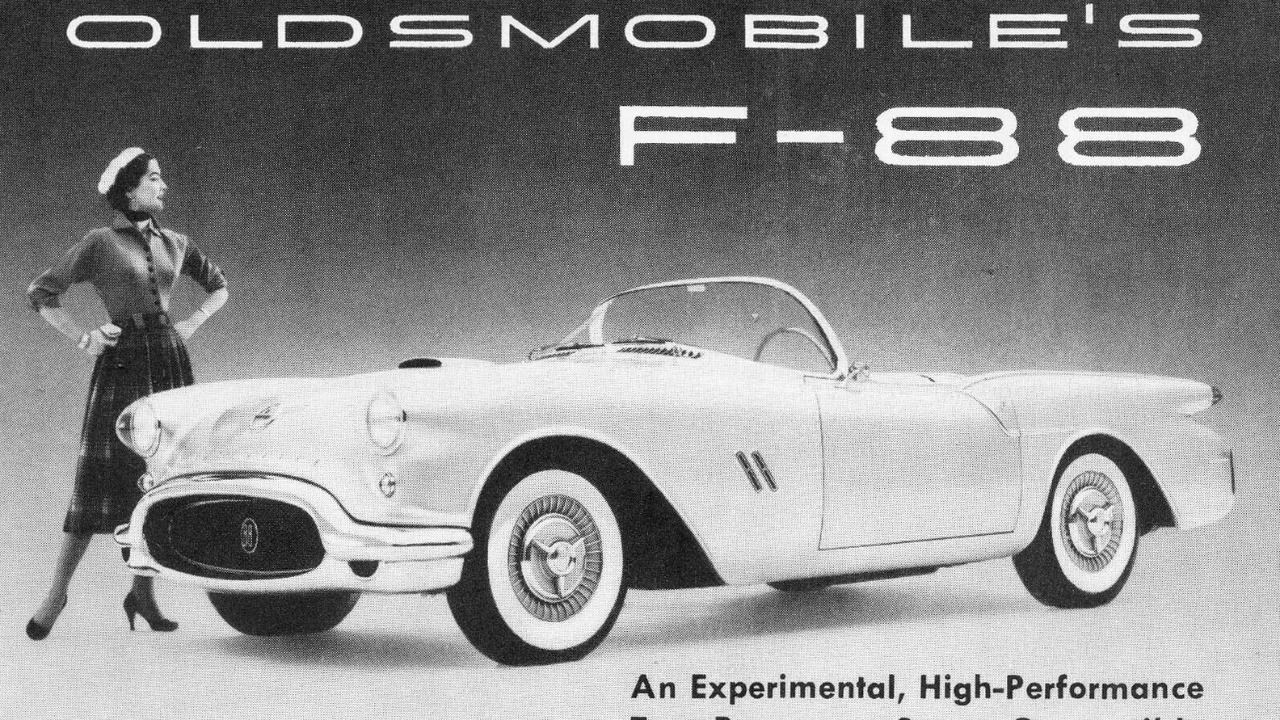
The 1954 Oldsmobile F-88 is a striking example of mid-20th century automotive design that captured the imagination of car enthusiasts upon its debut. However, despite its innovative features and aesthetic appeal, this concept car vanished from public consciousness for decades, raising questions about its fate and the factors that led to its obscurity.
Historical Context of the 1954 Oldsmobile F-88
The automotive industry in the 1950s was a period marked by rapid innovation and fierce competition among American manufacturers. Post-World War II economic growth led to an explosion of consumer demand for automobiles, prompting companies to invest heavily in research and development. Automakers began introducing features that would become hallmarks of the industry, such as automatic transmissions, power steering, and enhanced safety measures. This environment of creativity and ambition set the stage for the unveiling of concept cars, which served as test beds for new ideas and designs that might one day see production.
Concept cars like the F-88 played a significant role during this transformative era in automotive history. They were not just showcases of what could be; they were bold statements about a brand’s vision for the future. The F-88 was introduced at the 1954 New York Auto Show, where it received a warm reception from the public and critics alike. Its aerodynamic lines and futuristic features captivated audiences, and many saw it as a glimpse into the future of American automobiles.
Design Innovations and Features
The 1954 Oldsmobile F-88 was notable for its unique design elements that set it apart from its contemporaries. One of the standout features was its fiberglass body, which not only provided a lightweight structure but also allowed for more aerodynamic shapes. The inclusion of tail fins, a design element that would become iconic in the automotive landscape, gave the F-88 a distinctive profile that echoed the styling trends of the era while pushing them to new heights. These design choices were rooted in the desire for speed and performance, and they resonated with the American public’s burgeoning love affair with cars.
Technologically, the F-88 was ahead of its time, boasting the powerful Rocket V8 engine that was known for its impressive performance. This engine was not just about power; it represented a significant leap in automotive engineering, showcasing Oldsmobile’s commitment to innovation. As I studied the F-88, it became clear that its influence extended beyond its initial release. Elements of its design can be seen in later Oldsmobile models, such as the 1957 Oldsmobile Super 88, which carried forward the spirit of the F-88’s design innovations.
Factors Leading to Disappearance
Despite its promising debut, several factors contributed to the F-88’s disappearance from the limelight. A significant influence was the strategic direction taken by General Motors and Oldsmobile during the late 1950s. As the company began to focus on more conventional production vehicles, the F-88, with its bold and unconventional design, fell by the wayside. The corporate decision-makers at GM were keen to align their offerings with changing consumer preferences, which began to favor more practical and less extravagant vehicles.
Economic shifts also played a crucial role. The late 1950s saw a decline in the American economy, leading to a decrease in consumer spending on luxury items, including high-end automobiles. The market was shifting towards more economical cars, causing automakers to rethink their strategies. Additionally, production constraints limited Oldsmobile’s ability to move the F-88 from concept to production, further entrenching its status as a forgotten prototype. The combination of these corporate and economic factors created an environment where the F-88 could not thrive, leading to its gradual fade into obscurity.
Rediscovery and Revival of Interest
Fast forward to the late 20th century, when vintage car collectors and enthusiasts began to rediscover the F-88. As interest in classic cars surged, the F-88 emerged from the shadows, captivating a new generation of automotive aficionados. Vintage car shows and exhibitions became key venues for showcasing the F-88, allowing enthusiasts to appreciate its unique design and historical significance. Events such as the Pebble Beach Concours d’Elegance became platforms where the F-88 was celebrated, reigniting interest in this once-overlooked concept car.
The role of media coverage and online platforms cannot be understated in this revival. Websites and forums dedicated to classic cars began to share stories and images of the F-88, helping to disseminate information about its fascinating history. As I explored various online resources, I found discussions highlighting its design aspects and engineering innovations, which fueled the curiosity of collectors and historians alike. Articles from sites like MotorCities and features on platforms like HotCars emphasized the F-88’s significance in automotive history, transforming it into a sought-after collector’s item.
The F-88 Legacy in Automotive Culture
The legacy of the F-88 has been profound, influencing not only collectors but also car culture at large. Today, the F-88 is celebrated as a classic example of mid-century American design, often fetching high prices at auctions due to its rarity and historical importance. Its status as a collector’s item reflects a broader fascination with the golden age of automotive design, where innovation met creativity in remarkable ways. The car has become a symbol of nostalgia for many enthusiasts who appreciate its role in shaping the automotive landscape.
Comparatively, other concept cars that have faced similar fates—like the 1956 Buick Centurion or the 1955 Chrysler La Comte—also exemplify the cyclical nature of automotive history. These vehicles often reflect the era’s design trends and technological aspirations, only to be overshadowed by the realities of the market. Just as the F-88 was temporarily lost to time, many other innovative designs have been forgotten, only to be rediscovered later, reaffirming the importance of preserving automotive history.
The F-88 encapsulates broader themes in automotive history, including the tension between innovation and market demands. Its journey from groundbreaking concept to obscurity and finally to a celebrated piece of automotive culture serves as a reminder of how quickly trends can shift. As we look back at the F-88, we are reminded that the automotive industry is not just about vehicles; it’s about the dreams and aspirations they represent. For those interested in exploring more about the F-88’s journey and its impact, you can find detailed stories and discussions at Sports Car Market and other automotive heritage platforms.
More from Fast Lane Only
- Unboxing the WWII Jeep in a Crate
- 15 rare Chevys collectors are quietly buying
- 10 underrated V8s still worth hunting down
- Police notice this before you even roll window down
*Research for this article included AI assistance, with all final content reviewed by human editors.