The 1955 DeSoto Firedome doesn’t always make the cut in talks about 1950s American cars, but it deserves a spot. Positioned between Chrysler and Dodge, DeSoto struggled to stand out—until 1955. That year brought a sharp redesign and a push for upscale style and performance. It wasn’t just about early tailfins; it had HEMI power, clean lines, and real presence. Here are ten reasons the ’55 Firedome still demands attention.
1. The Firedome Packed a HEMI
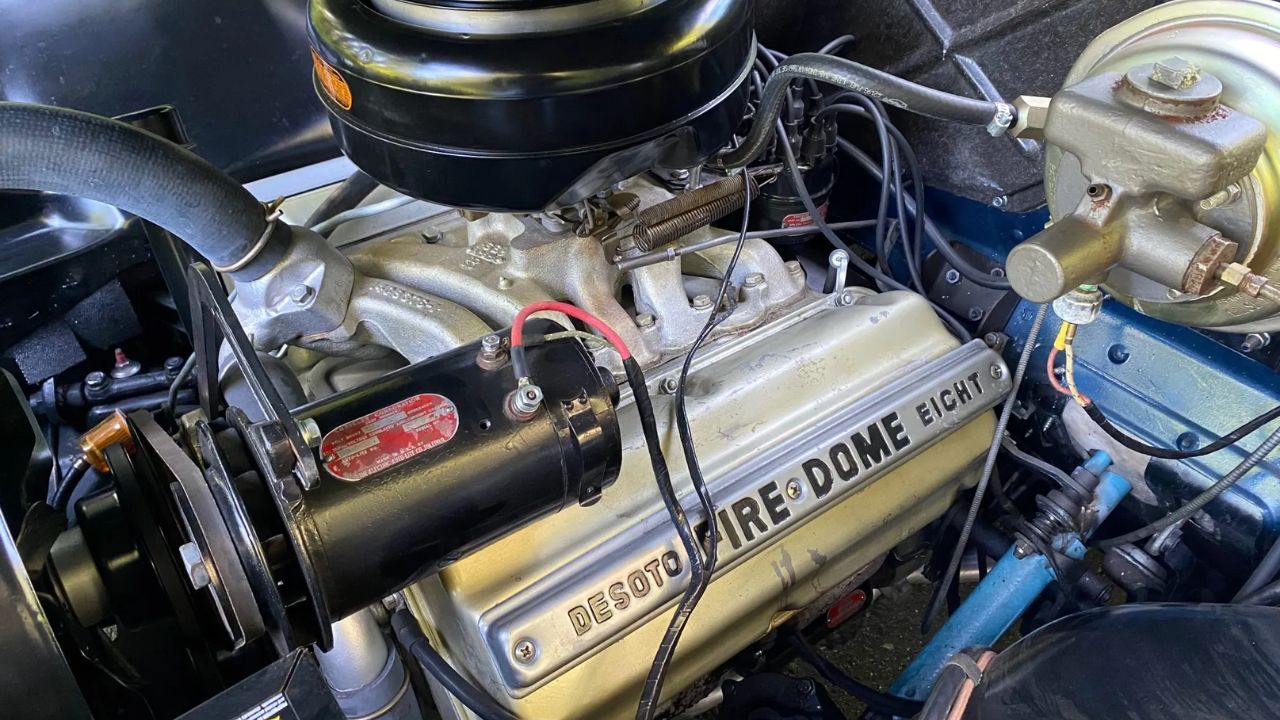
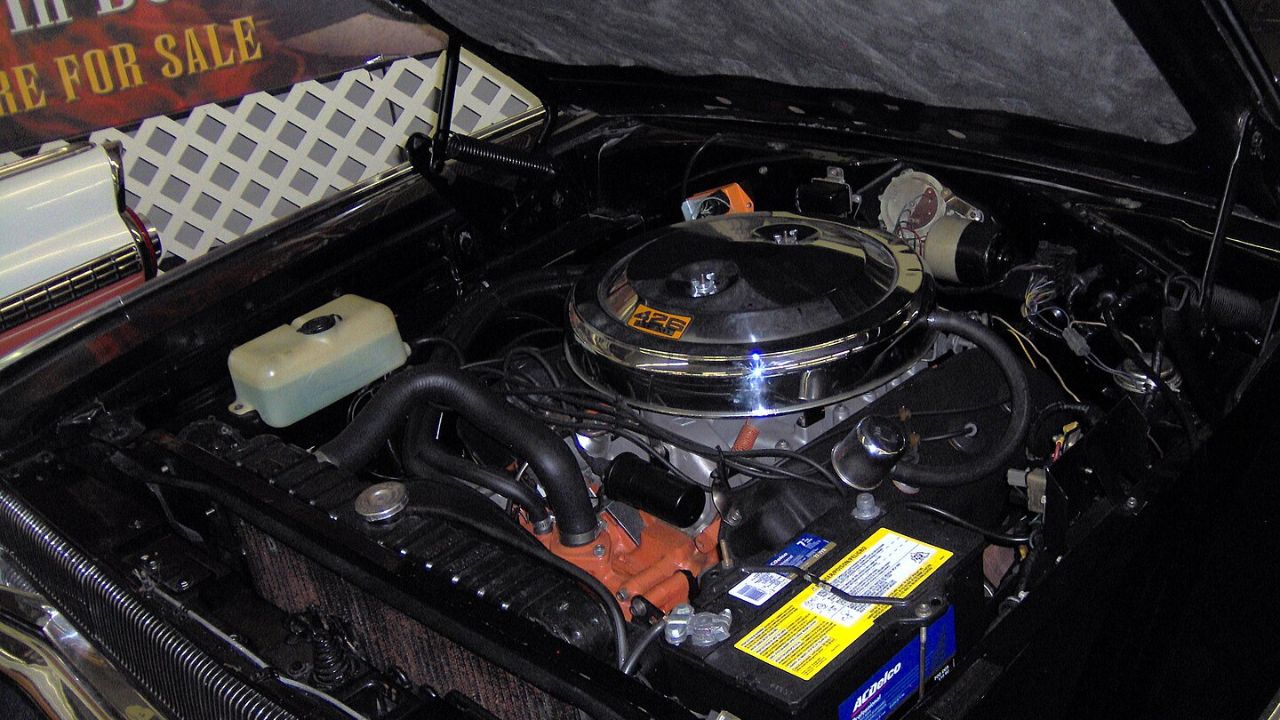
Every 1955 Firedome rolled out with a 291-cubic-inch HEMI V8, pumping out 185 horsepower. This wasn’t a basic V8—it used Chrysler’s hemispherical combustion chambers, sharing DNA with the FirePower V8 but with a tighter 4.3125-inch bore spacing. It delivered 245 lb-ft of torque for smooth cruising.
Compared to rivals like the 162-hp Ford 272 V8 or Chevy’s 180-hp 265 V8, it had solid punch for a mid-priced car. The PowerFlite two-speed automatic kept delivery seamless, making the Firedome a highway star without the HEMI hype of today.
2. It Kicked Off DeSoto’s Styling Shift

The 1955 Firedome debuted Virgil Exner’s “Forward Look” design, ditching the boxy 1954 look for sleeker lines and a lower roof. At 217.9 inches long with a 126-inch wheelbase, it felt modern. Subtle rear fender flares hinted at tailfins, and the wide grille added flair without overdone chrome.
Single headlamps, not dual, defined the front, keeping it clean. The Firedome’s fresh proportions set the stage for Chrysler’s later designs, putting DeSoto in sync with the era’s push for sharper, more dynamic styling.
3. Performance Surprised for Its Size
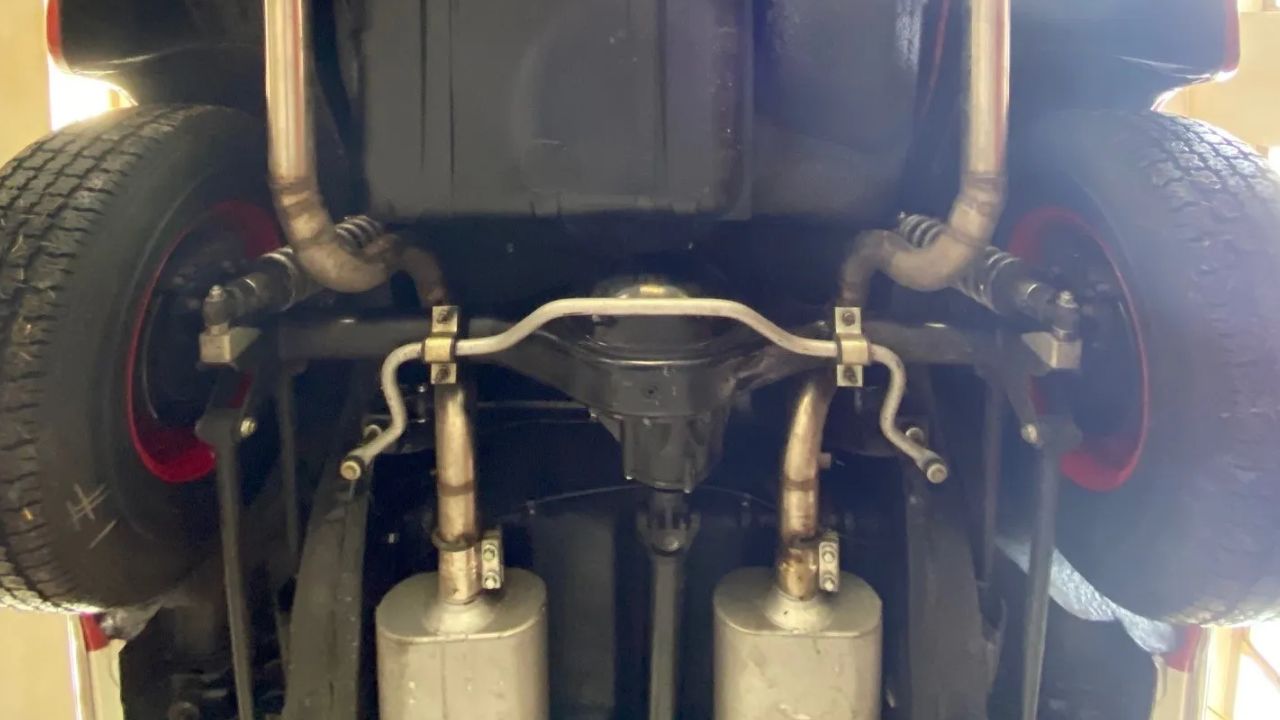
The Firedome’s 185-hp HEMI and ~245 lb-ft of torque gave it strong midrange pull, hitting 0–60 mph in ~14.5–15 seconds—not quick but decent for a 3,700–3,900-pound car. Top speed reached ~100–105 mph, per period tests like Motor Trend.
Its 60.2-inch front track and coil-spring front/leaf spring rear suspension offered better handling than many rivals, though not as sharp as Buick’s all-coil setup. The PowerFlite automatic was smooth but slow to shift, suiting relaxed drivers over racers.
4. The Interior Felt Upscale

The Firedome’s cabin wasn’t showy but impressed with two-tone nylon upholstery, padded dashboards, and a clean gauge layout. Optional leather and 55 color combos added flair, rivaling pricier Chrysler New Yorkers. The large steering wheel felt solid, and push-button radio or clock options added convenience.
Everything was built to last, even in base models. For a mid-tier car, the Firedome’s attention to detail—down to the textured trim—gave it a premium edge over competitors like Ford or Chevrolet.
5. It Gave DeSoto a Clear Identity

Before 1955, DeSoto blurred the lines with Dodge and Chrysler, lacking a unique hook. The Firedome changed that with its HEMI V8, Exner styling, and solid performance. It carved out a niche as a stylish, powerful alternative to conservative Oldsmobiles or Buicks.
Buyers who wanted more than a Chevy but less than a Chrysler found their match. The Firedome’s personality—without a sky-high price—helped DeSoto stand apart in a crowded mid-1950s market.
6. Body Styles Covered All Bases

The 1955 Firedome offered sedans, hardtops (Sportsman), convertibles, station wagons, and a Special Coupe. The two-door hardtop’s sleek lines shone, while the rare station wagon (1,125 built) added practicality. Each model shared the same sharp design, avoiding any cheap-looking variants.
Unlike the article’s claim, no “Firedome Explorer” wagon existed—just the Firedome Station Wagon. From sporty coupes to family haulers, DeSoto gave buyers options without compromising the car’s cohesive look.
7. It Looked Pricier Than It Was

Starting at ~$2,500–$3,130, the Firedome matched well-equipped 1955 Fords (~$2,200–$2,600) and Chevys (~$2,100–$2,500) but undercut Buick Specials (~$2,800) and Oldsmobile 88s (~$2,900). Its HEMI, sharp styling, and upscale trim suggested a higher price tag.
Even loaded with power windows or brakes, it stayed affordable compared to premium rivals. Sales hit 77,760 Firedome units (not 114,000, which was total DeSoto production), boosting the brand after a slow early 1950s.
8. It Hinted at the Fin Craze
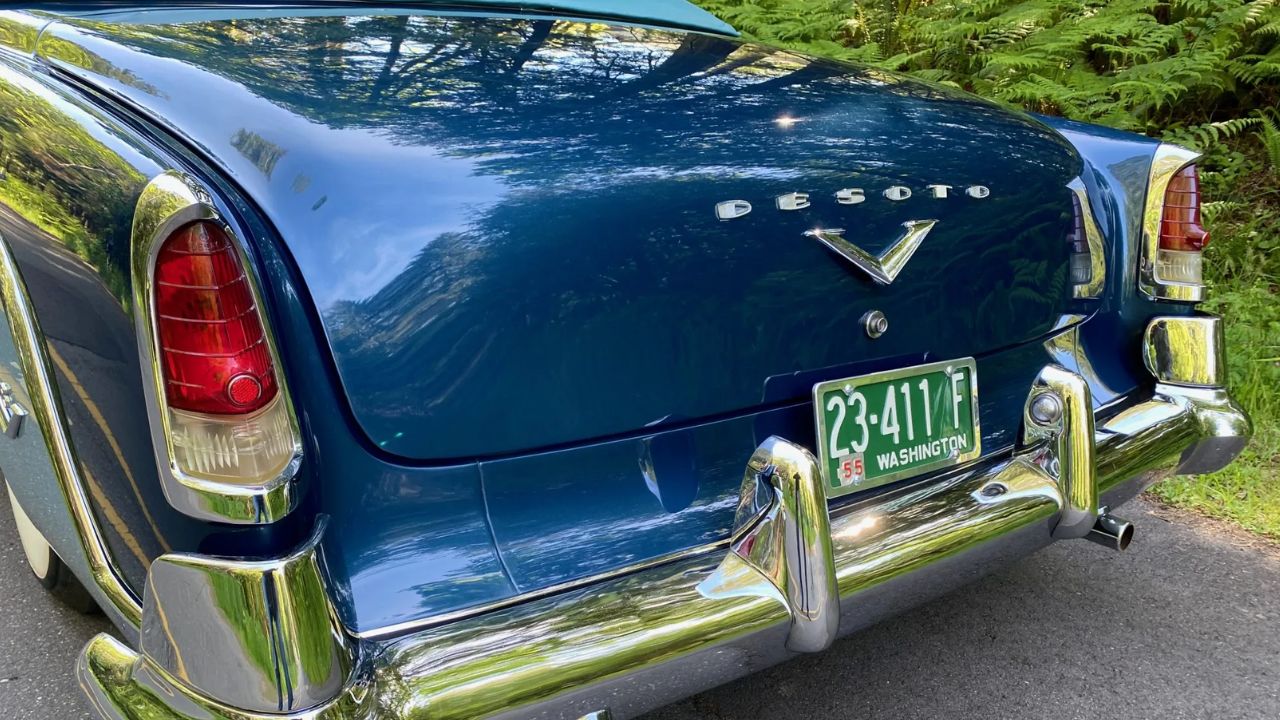
The Firedome’s subtle rear fender flares were an early nod to the tailfin trend that exploded in 1956–59 DeSotos and Chryslers. Exner’s 1955 design balanced classic curves with forward-thinking proportions, making it a bridge between postwar and late-1950s styling.
It wasn’t all-in on fins yet, but it showed where Chrysler was headed. The Firedome’s look marked a shift, setting the stage for the dramatic designs that defined the era’s wildest cars.
9. It’s Overshadowed but Pivotal

The 1955 Firedome often takes a backseat to flashier 1957 Fireflites or Adventurers, but it laid the groundwork. Its redesign and HEMI power gave DeSoto credibility, boosting sales and paving the way for bolder models. Without it, the brand’s late-1950s run might not have happened.
Collectors focus on later DeSotos’ big fins or engines, but the Firedome’s role in redefining the brand makes it a key piece of the marque’s history, often underappreciated.
10. Survivors Still Impress

Clean 1955 Firedomes are rare but stand out with balanced proportions, tasteful chrome, and that HEMI V8. Hagerty values range from $20,000–$60,000, making them a bargain compared to 1955 Bel Airs or Fairlanes. The design holds up, and the HEMI adds serious collector appeal.
For those who know their cars, a restored Firedome is a refreshing change from common classics. It’s proof DeSoto nailed style and power in 1955, even if the brand’s time was cut short.