The 1958 Chevrolet Impala hit the scene as a game-changer, standing out in a crowded field of full-size American cars. As a top-tier Bel Air variant, it brought fresh styling, serious power, and a touch of luxury that made people take notice. It wasn’t just another Chevy—it had its own vibe. Here are ten reasons the ’58 Impala carved its own path, packed with specs and details to show what made it special.
A One-Year-Only Design
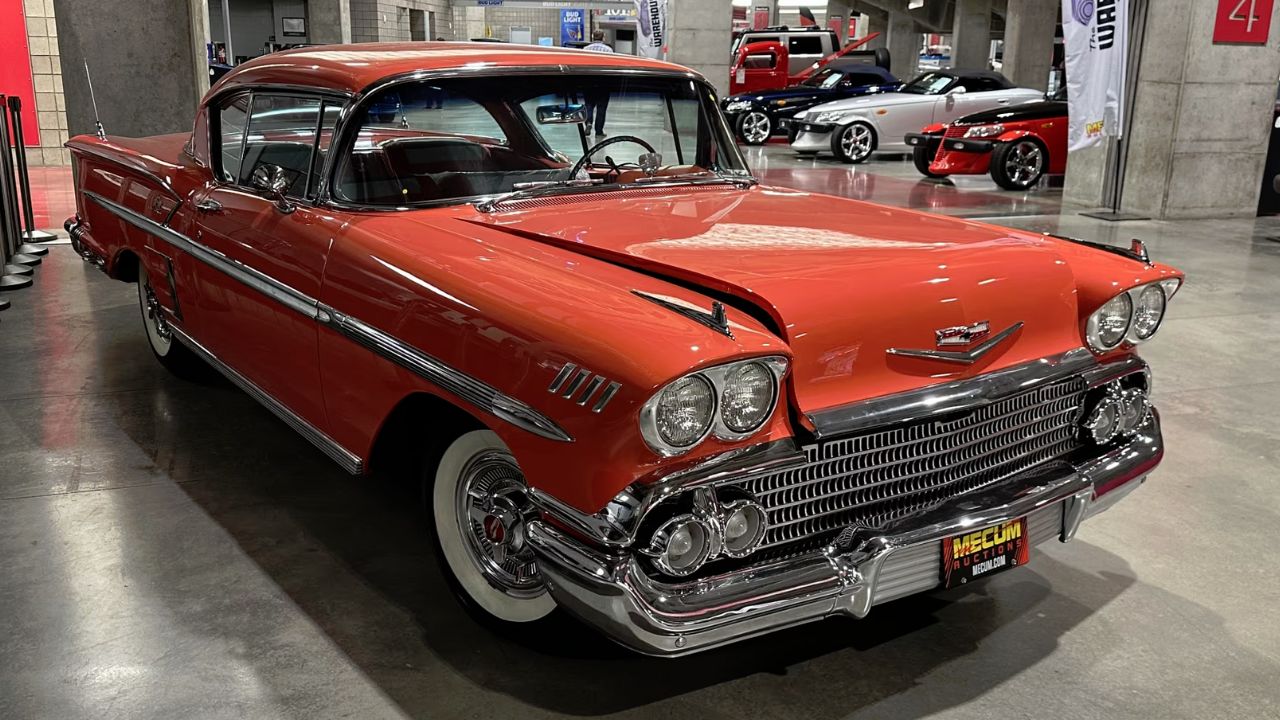
The 1958 Impala’s look was a complete departure from 1957 Chevys. Its 209-inch length, 79.8-inch width, and 119-inch wheelbase gave it a longer, lower stance. Bill Mitchell’s design swapped straight lines for curves, with deep-sculpted rear fenders and triple taillights per side—unlike the dual or single lights on lesser models.
This was a one-off style, as 1959 brought a boxier redesign that got mixed reviews. The Impala’s chrome accents, like ribbed rocker panels and faux fender scoops, added flair without going overboard. It felt upscale, setting it apart from the plainer Biscayne or Del Ray.
First Big-Block V8
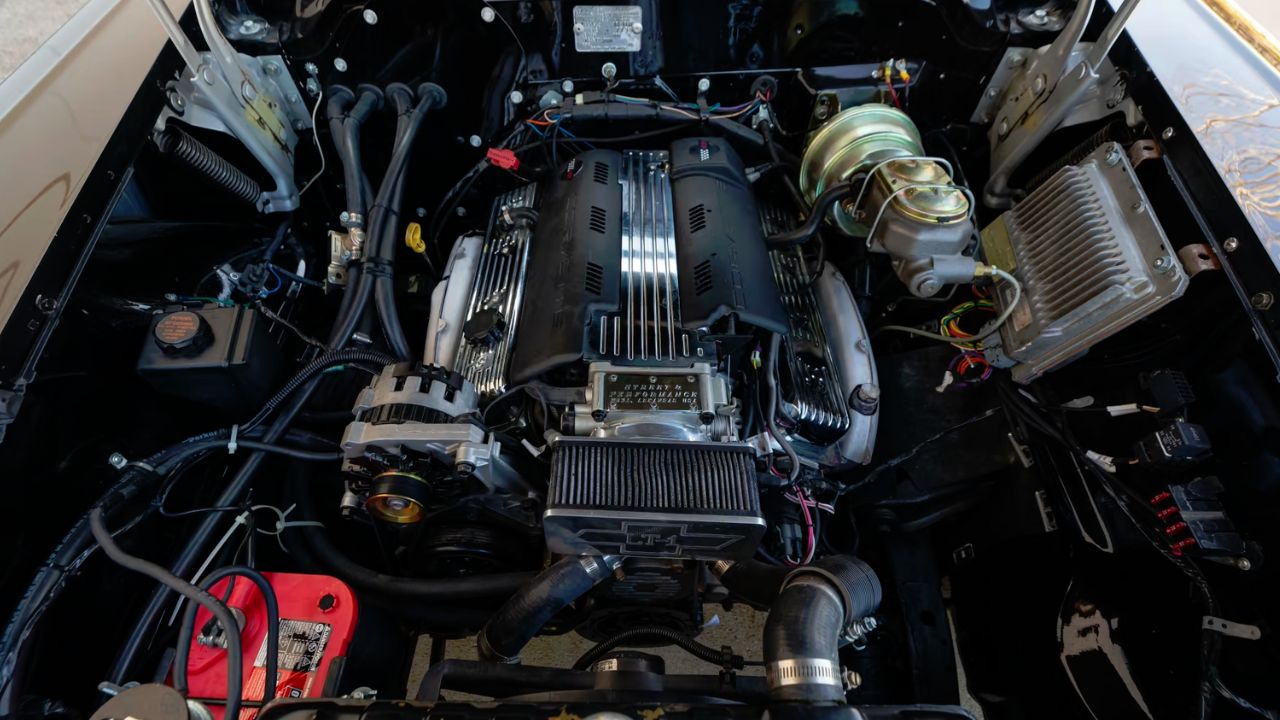
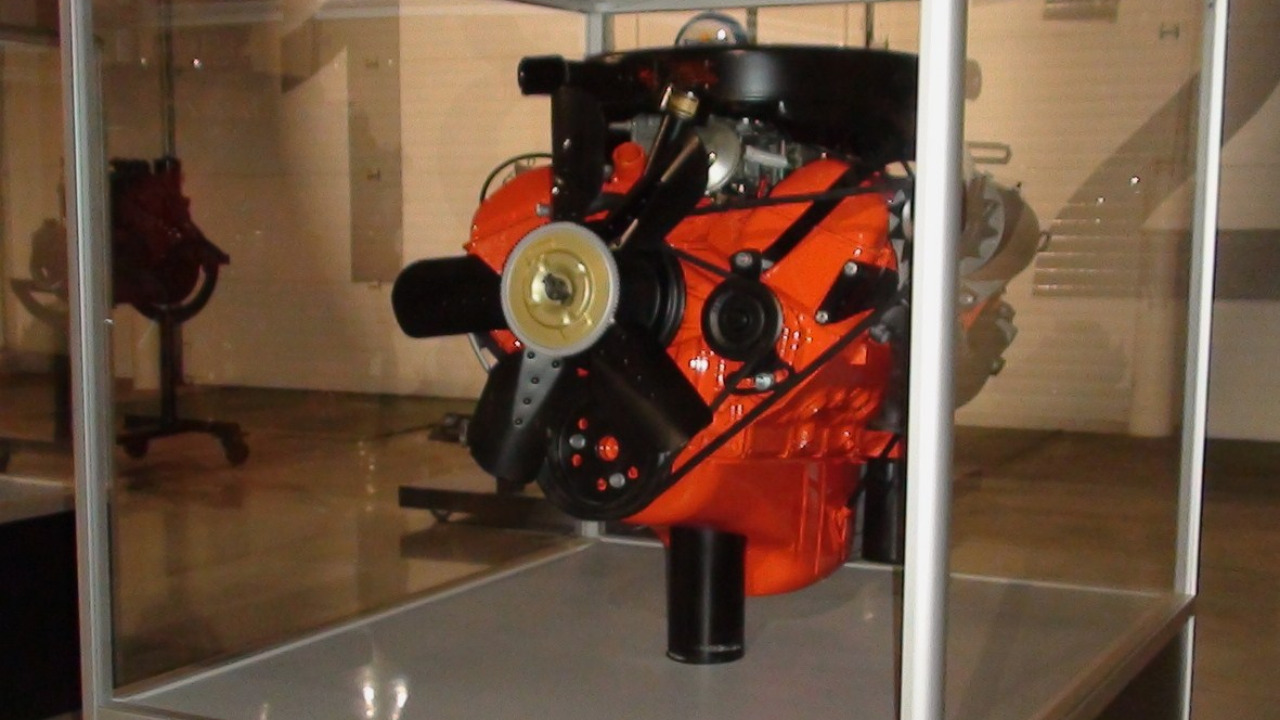
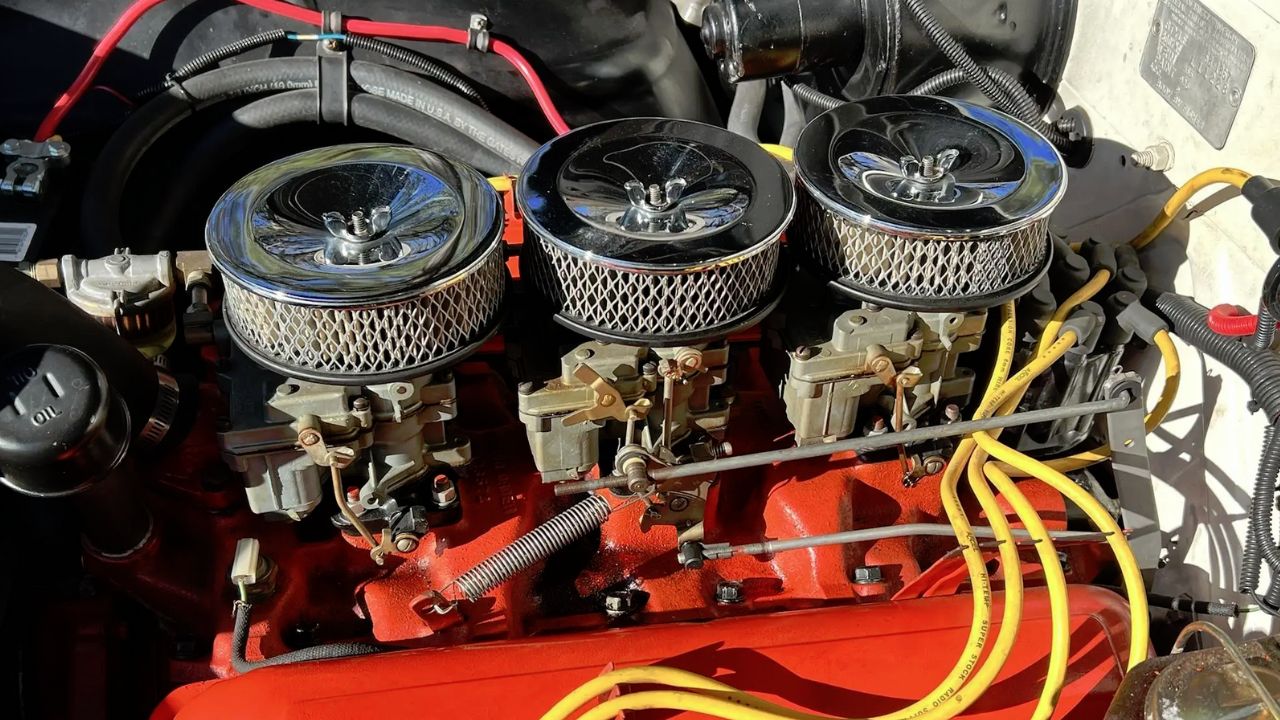
Chevrolet debuted its 348-cubic-inch V8 in the Impala, a big deal for 1958. It came in multiple tunes: 250 hp with a four-barrel carb, 280 hp with three two-barrels (Tri-Power), or 315 hp with solid lifters and 11:1 compression. Torque ranged from 355 to 362 lb-ft.
This engine gave the Impala serious pull, hitting 0–60 mph in ~8–9 seconds with the Tri-Power, per period tests. Compared to the 283 V8’s 185–290 hp, the 348 offered more grunt, making the Impala a legit performance contender for its size.
X-Frame Chassis Was New

The ’58 Impala rode on a new X-frame chassis, replacing the 1957 perimeter frame. This 119-inch wheelbase design, with coil springs front and rear, aimed for a smoother ride than leaf springs. It weighed ~3,600–3,900 pounds depending on the body style.
While the X-frame improved ride quality, it was weaker in side-impact protection compared to traditional frames. An optional air suspension ($124) added comfort but was finicky, often swapped for coils later. This chassis made the Impala feel modern but showed GM was still experimenting.
Dual Headlamps Debuted

For 1958, the Impala introduced quad headlamps, legal that year across the U.S. The wide, mesh grille and four round lights gave it a fresh face, unlike the single lamps of earlier Chevys. This setup became a hallmark of the era’s styling.
An optional “Autronic Eye” auto-dimming system was high-tech for the time, though rare. The headlamps, paired with the Impala’s full-width grille, made it look wider and more imposing than rivals like the Ford Fairlane, setting a trend for GM’s lineup.
Luxe Interior Stood Out

The Impala’s cabin was a cut above other Chevys. It featured a deep-dish two-spoke steering wheel, color-keyed door panels with aluminum trim, and tri-tone upholstery options like Rio Red or Silver Blue. The dash had intricate gauges and an optional push-button radio.
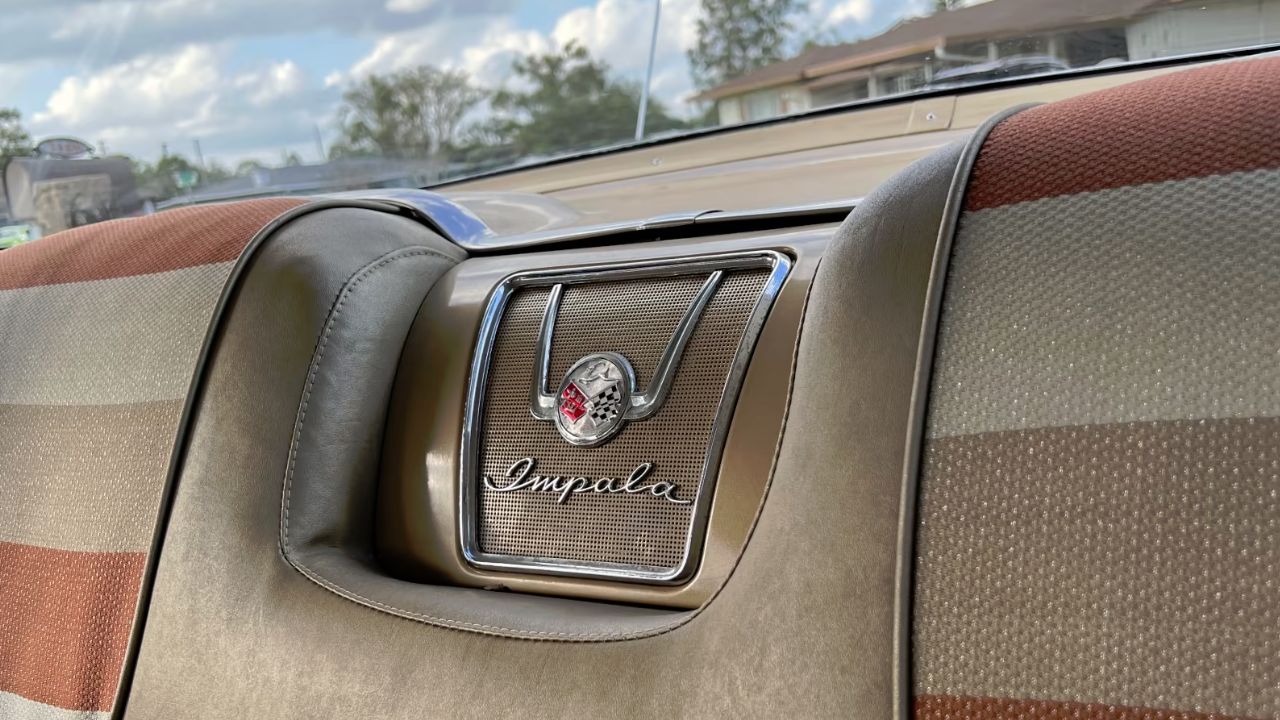
Unlike the basic Del Ray’s rubber mats, the Impala offered plush carpeting and a rear radio speaker with “Impala” script. Air conditioning and power steering were available, making it feel closer to a Cadillac than a Biscayne, perfect for buyers wanting comfort with power.
Triple Taillights Set It Apart

The Impala’s three taillights per side were a signature touch, unlike the two on Bel Airs or one on wagons. Crossed-flag badges and chrome spears above the side moldings screamed “top dog.” The taillights were functional but also a styling flex.
This detail made the Impala instantly recognizable, especially at night. The 55,989 convertibles and 125,480 coupes built (15% of Chevy’s 1958 output) carried this look, boosting its status in a recession year when Chevy still outsold Ford.
Two Body Styles Only

Unlike other Chevys, the Impala came only as a two-door hardtop Sport Coupe or convertible. The hardtop’s raised roof and faux rear scoop added flair, while the convertible was the only drop-top in Chevy’s 1958 lineup. Both shared a 119-inch wheelbase.
The limited body styles kept the Impala exclusive, unlike the Biscayne’s sedans or Bel Air’s wagons. The Sport Coupe’s sleek roofline and the convertible’s open-air appeal made them favorites, with convertibles now fetching $60,000–$100,000 at auction.
Engine Options Galore
Beyond the 348 V8, the Impala offered a 235.5-cubic-inch inline-six (145 hp) and 283-cubic-inch V8 in 185, 230, 245, 270, or 290 hp (fuel-injected) tunes. Torque ranged from 215 lb-ft (inline-six) to 414 lb-ft (283 V8). Transmissions included three-speed manual, Powerglide, or Turboglide automatics.
This range let buyers pick from frugal to ferocious. The rare 290-hp fuel-injected 283 cost $484, a pricey option. The variety gave the Impala an edge over rivals with fewer choices, like Pontiac’s 330-hp max.
Handled Like a Big Cruiser

The Impala’s coil-spring suspension and 60.3-inch front track made for a smooth ride, but its 3,600–3,900-pound weight meant floaty handling by today’s standards. Top speed hit ~120 mph with the 348 Tri-Power though cornering wasn’t its forte.
Compared to leaf-sprung rivals like the Dodge Custom Royal, the Impala felt composed on highways. The optional air suspension aimed for luxury but often failed, leaving most cars on coils. It was a cruiser, not a canyon carver, but it delivered for its era.
Sales Success in a Tough Year

In 1958, a recession hit, yet Chevy sold 1,255,935 cars, beating Ford’s 1,038,560. The Impala’s 125,480 coupes and 55,989 convertibles made up 15% of that, a strong debut. Priced from ~$2,600–$2,900, it undercut Buick’s Special (~$2,800).
Its upscale vibe and power options drew buyers who wanted more than a basic Biscayne. The Impala’s sales helped Chevy reclaim the top spot, proving it hit the right mix of style, performance, and value when times were tight.