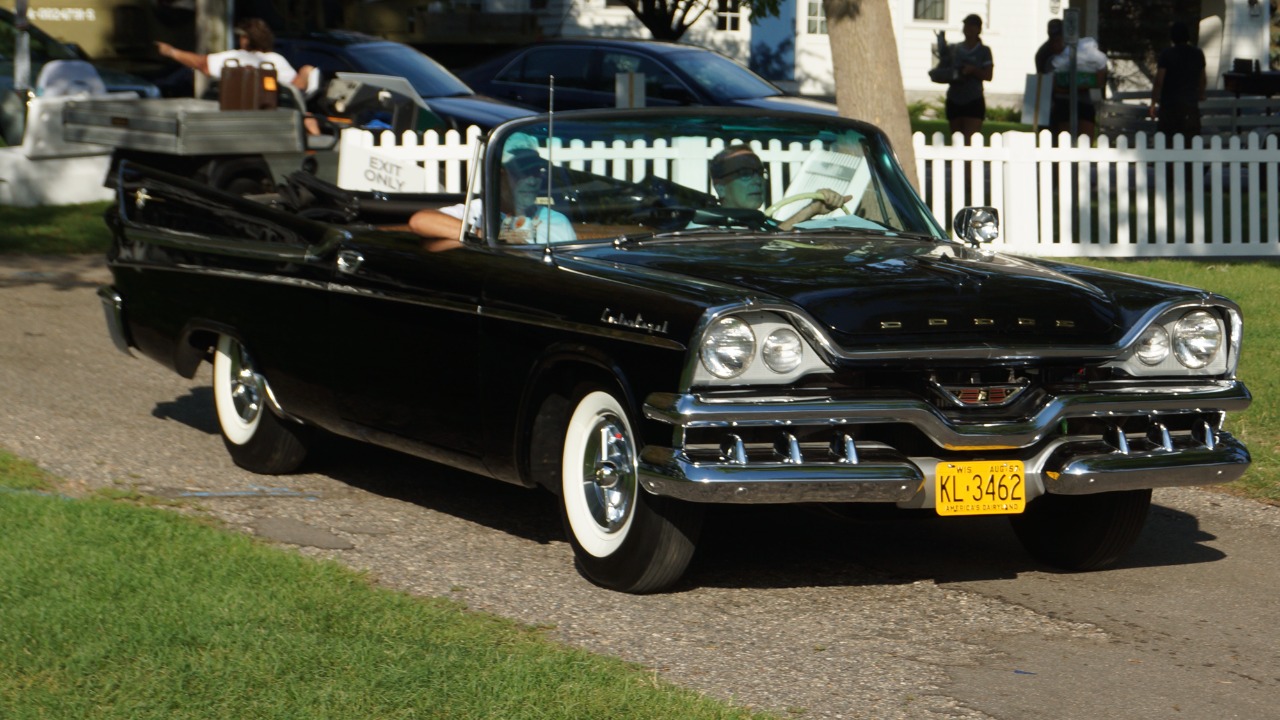
The 1957 Dodge D-500 arrived at a moment when Detroit’s horsepower race was already in full swing, yet it still managed to jolt performance buyers who thought they had seen it all. Wrapped in radical styling and backed by serious engineering, it blurred the line between boulevard cruiser and competition machine in a way that felt almost subversive for a mainstream brand. I see its impact not just in the numbers it posted, but in how it redefined what a full-size American car could be in the late 1950s.
What startled enthusiasts most was how comprehensively Dodge rethought the package. The D-500 was not a single trick engine option bolted into a familiar shell, it was part of a broader push that tied together chassis innovation, bold design, and race-bred hardware. That combination is why the car still looms so large in performance lore today.
From stodgy to “Forward Look” threat
When I trace why the D-500 hit so hard, I start with the styling revolution that set the stage. Dodge had spent years as a conservative choice, then suddenly buyers walked into showrooms and saw a low, finned shape that looked like it had dropped from another planet. The transformation was no accident, it came from a deliberate “Forward Look” design program inside Chrysler that put styling chief Virgil Exner in charge of reshaping the entire lineup.
In that context, the D-500 was the sharp end of the spear. A Dodge Custom Royal Lancer Convertible with the D-500 package looked every bit as dramatic as it drove, with sweeping lines that made even established performance buyers reconsider what a “fast” car should look like. I find it telling that the same design language that gave Dodge its fins also made room for serious suspension and brake upgrades, turning what could have been a pure fashion statement into a credible high speed tool.
Race-bred hardware hiding in plain sight
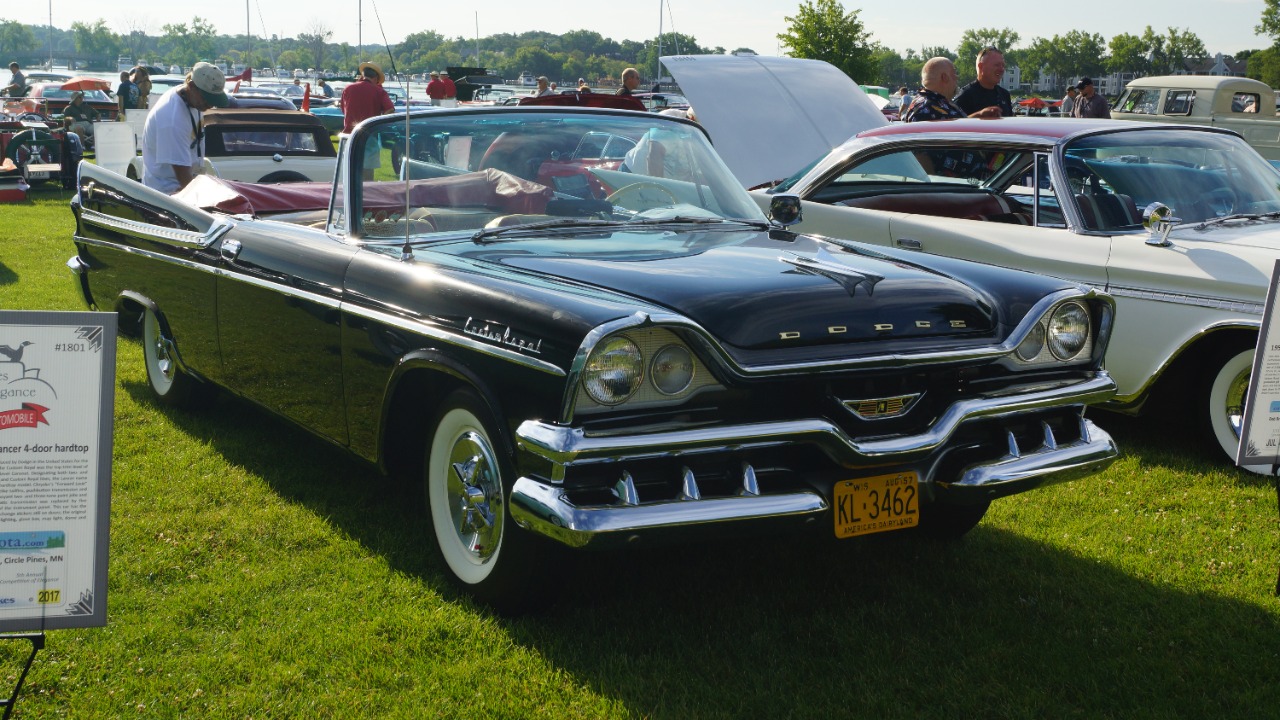
Under the skin, the D-500 shocked buyers because it borrowed so shamelessly from the competition world. Dodge did not stop at a hotter cam or a slightly larger carburetor, it leaned on the same engineering mindset that produced the limited run D-501, a car described as a race built package using a 354 CID Chrysler 300B engine. When I look at that lineage, it is clear the D-500 was conceived as more than a dress up option, it was a way to bring that race shop attitude to regular customers.
Contemporary accounts of the D-500’s engine choices underline how serious that intent was. One period recollection notes that, As for the 3×2 tri power setup, it was not a factory option, and that the only other D-500 engine available beyond the base configuration was a 285 horse single four 325. That kind of specificity tells me Dodge was carefully curating the package, not throwing every possible carburetor combination at the wall, which in turn helped the car earn credibility with buyers who followed racing closely.
Chassis tricks that made the power usable
Power alone would not have rattled performance buyers in 1957, but the way Dodge reworked the chassis did. To carry the sleek, finned body, the company stretched the wheelbase from 119 inches to 122, the longest wheelbase in its class, which gave the D-500 a planted stance that drivers could feel the moment they merged onto a highway. I see that decision as a quiet admission that raw acceleration was not enough, the car had to be stable and predictable at the speeds its engine could reach.
The real revelation, though, was the suspension. Period literature bragged about the new Dodge Torsion Aire Ride system, which replaced traditional front coils with torsion bars and paired them with a revised rear spring layout. When I compare that to the leaf spring setups that still dominated the era, it is easy to understand why test drivers talked about flatter cornering and a more controlled ride, qualities that made the D-500 feel less like a straight line bruiser and more like a sophisticated long distance weapon.
Luxury, color, and attitude in one package
Another reason the D-500 startled enthusiasts is that it did not look like a stripped down racer. Many cars that chased lap times in the 1950s sacrificed comfort and style, but Dodge went the other way, wrapping its performance hardware in some of the most eye catching paint and trim combinations of the decade. One surviving STUNNING coupe is finished in HEATHER GREEN AND GLACIER WHITE, a combination that underlines how comfortable Dodge was pairing vivid style with serious speed.
From my perspective, that blend of luxury and aggression is part of what made the D-500 feel almost subversive. Buyers could order a Dodge Custom Royal with plush interiors and bright two tone paint, then quietly tick the D-500 box and drive home in a car that could embarrass more overt sports models. Modern video walkarounds, like the one hosted by Mike of Classic Auto World on a Jul feature car, capture that dual personality perfectly, showing how the same chrome and color that made the car a hit at the drive in also framed a serious performance package.
A legacy that still surprises
Looking back now, I am struck by how thoroughly the D-500 scrambled expectations for a mid priced American car. It arrived in a market that already knew about fiberglass sports cars and luxury coupes, yet it carved out a new niche by combining family car practicality, radical “Forward Look” styling, and hardware with clear ties to the 501 style racing world. That mix is why enthusiasts still talk about it as a kind of secret handshake model, a car that looked like a regular Dodge to the untrained eye but felt very different from behind the wheel.
The shock it delivered to performance buyers in 1957 still echoes in how collectors and historians talk about it today. When I see a well preserved D-500 roll across an auction block or appear in a new video, I am reminded that its real achievement was not just speed, but the way it proved a full size, finned American car could be both stylish and genuinely capable. In that sense, the D-500 did more than win stoplight races, it quietly reset the bar for what a mainstream performance car could be.