The 1958 Pontiac Bonneville marked a turning point for Pontiac, transforming a division known for solid midpriced cars into a brand that could credibly chase style, performance, and luxury at the same time. By turning the Bonneville into a standalone model with premium hardware and a higher price, Pontiac signaled that it wanted to move closer to Buick and Oldsmobile in the General Motors hierarchy rather than stay a purely value-focused nameplate.
That shift did not happen by accident. It grew out of a deliberate strategy to use the Bonneville as a halo car, first as a limited-run convertible and then as a full-fledged series that wrapped upscale trim and advanced engines in dramatic styling. The 1958 version crystallized that plan, pushing Pontiac upscale in a way that reshaped the division’s image for decades.
From Star Chief special to standalone flagship
The Bonneville story began as an experiment in how far Pontiac could stretch its image without abandoning its core buyers. For the 1957 model year, the nameplate appeared as a high-performance, fuel-injected luxury convertible within the existing Star Chief line, positioned as a rare and expensive showpiece rather than a volume seller. Contemporary accounts describe that first Bonneville as a car that combined a powerful V‑8 with lavish trim and a price tag that sat well above a Chieftain four-door sedan, a clear signal that Pontiac was testing the waters for a more upscale identity using the Star Chief as a launchpad.
That limited-run convertible set the template: performance, luxury, and exclusivity bundled into one package. According to historical summaries of the Star Chief based Bonneville, the car’s high base price and fuel-injected engine made it one of the most expensive and technically advanced Pontiacs of its day. By the time Pontiac management saw how much attention that car generated, the path was clear: the Bonneville name had enough cachet to stand on its own as the division’s flagship rather than remain a trim level buried inside another series.
1958: The Bonneville becomes a model, not just a name
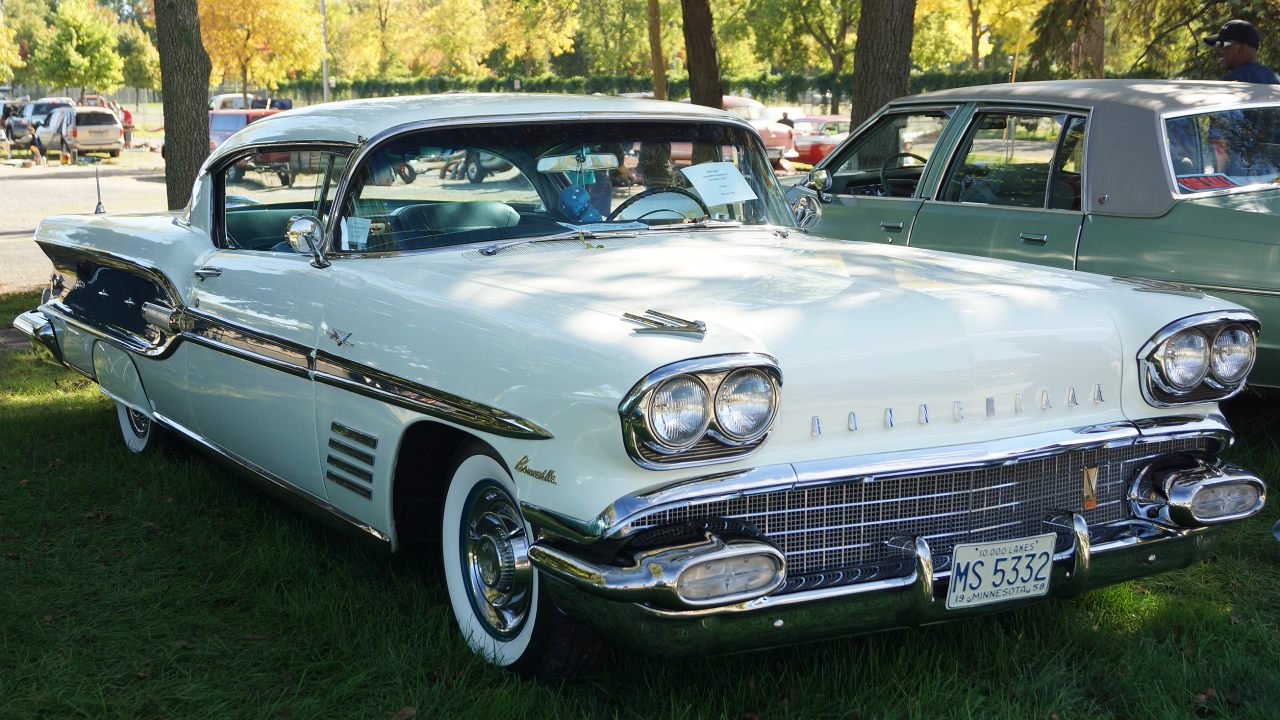
The real break with Pontiac’s past came when The Bonneville became a separate model for 1958, offered as a two-door hardtop and a convertible instead of a single special-order ragtop. That move elevated the car from a curiosity to a central pillar of the lineup, giving dealers a clearly defined top-of-the-range Pontiac to sell. The new Bonneville carried its own identity in styling and equipment, with more elaborate exterior trim, richer interiors, and a standard V‑8 that outmuscled what buyers found in lower series, all of which reinforced its status as the division’s premium offering.
Performance credentials were baked into that repositioning. The 1958 Bonneville was associated with engines that produced strong horsepower at relatively high rpm on 10.5:1 compression, a specification that aligned it with the era’s emerging performance culture rather than the sedate image Pontiac had previously carried. The car’s role in pacing the Indianapolis 500 underscored that shift, putting Pontiac’s new flagship in front of a national audience as a fast, glamorous machine. By turning the Bonneville into a full model with this kind of hardware and visibility, Pontiac effectively created a rolling billboard for its upscale ambitions.
Bunkie’s vision: performance as a path to prestige
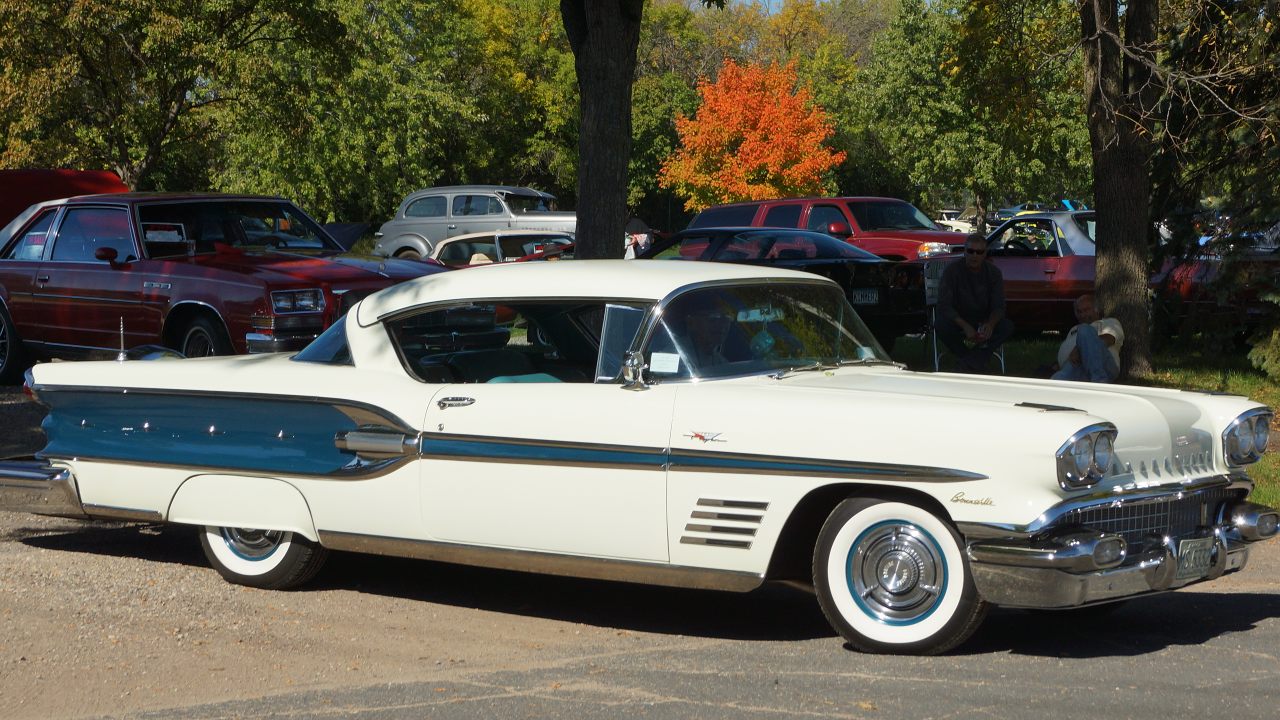
Behind the 1958 Bonneville’s move upmarket was a clear philosophy from Pontiac leadership, often associated with Semon “Bunkie” Knudsen. Internal accounts describe how, before the Bonneville became a series, Pontiac already had a solid reputation for dependable transportation but lacked excitement. But Bunkie wanted something more, a high-performance convertible with smart styling touches and some special features that would make it the most sporting Pontiac in history. That mindset treated performance not as a niche option but as a core ingredient in building prestige, a way to make Pontiac aspirational without copying Cadillac’s pure luxury formula.
The 1958 Bonneville embodied that approach by pairing luxury cues with serious power and handling upgrades. Sources on the 1957–1987 Bonneville note that the early cars were engineered and marketed as the most sporting Pontiacs yet, with engines and chassis tuning that went beyond what buyers expected from the brand. In practice, that meant the Bonneville could appeal to customers who might otherwise have looked at performance-oriented Buicks or even some imported cars, while still offering the comfort and size associated with American luxury. By making speed and style central to the Bonneville’s identity, Bunkie’s strategy helped Pontiac climb the prestige ladder without losing its performance edge.
Luxury features and pricing that nudged Pontiac upward
Moving Pontiac upscale required more than horsepower and a new badge, it demanded tangible luxury that buyers could see and touch. The Bonneville delivered with richer upholstery, more elaborate dashboard treatments, and extensive chrome and brightwork that set it apart from lower-priced Pontiacs. Period descriptions emphasize that the car’s standard and optional equipment lists were packed with comfort and convenience items that were either unavailable or extra-cost on lesser models, reinforcing the idea that the Bonneville sat at the top of the division’s hierarchy.
Pricing strategy completed the repositioning. The initial Bonneville within the Star Chief line already carried a base price higher than a Chieftain four-door sedan, and the 1958 standalone model continued that pattern by sitting near the top of Pontiac’s price structure. Historical overviews of the Bonneville’s early years make clear that this was intentional, a way to signal to buyers that they were stepping into a more exclusive tier of the brand. By charging more and delivering visibly higher content, Pontiac used the Bonneville to stretch its price ceiling and move closer to the territory traditionally occupied by Buick and Oldsmobile.
How the 1958 Bonneville reshaped Pontiac’s long-term image
The impact of the 1958 Bonneville went far beyond a single model year, it helped redefine what Pontiac stood for in the American market. Once the car became a separate series with its own performance and luxury identity, Pontiac had a flagship that could anchor advertising and showroom traffic, drawing attention to the rest of the lineup. Over time, the Bonneville name became synonymous with the division’s most fully equipped and powerful offerings, a reputation that traces directly back to the decisions made around the 1958 model.
That legacy is evident in how later generations of the Bonneville continued to blend upscale features with strong engines, following the template set when The Bonneville first stepped out from the Star Chief shadow. Retrospectives on the 1957–1987 run consistently treat the 1958 shift to a standalone model as a watershed moment, the point when Pontiac committed to being more than a middle-of-the-road brand. By using the Bonneville to push upward in price, performance, and prestige, Pontiac carved out a new identity that would carry it through the muscle car era and well into the modern age.
More from Fast Lane Only: