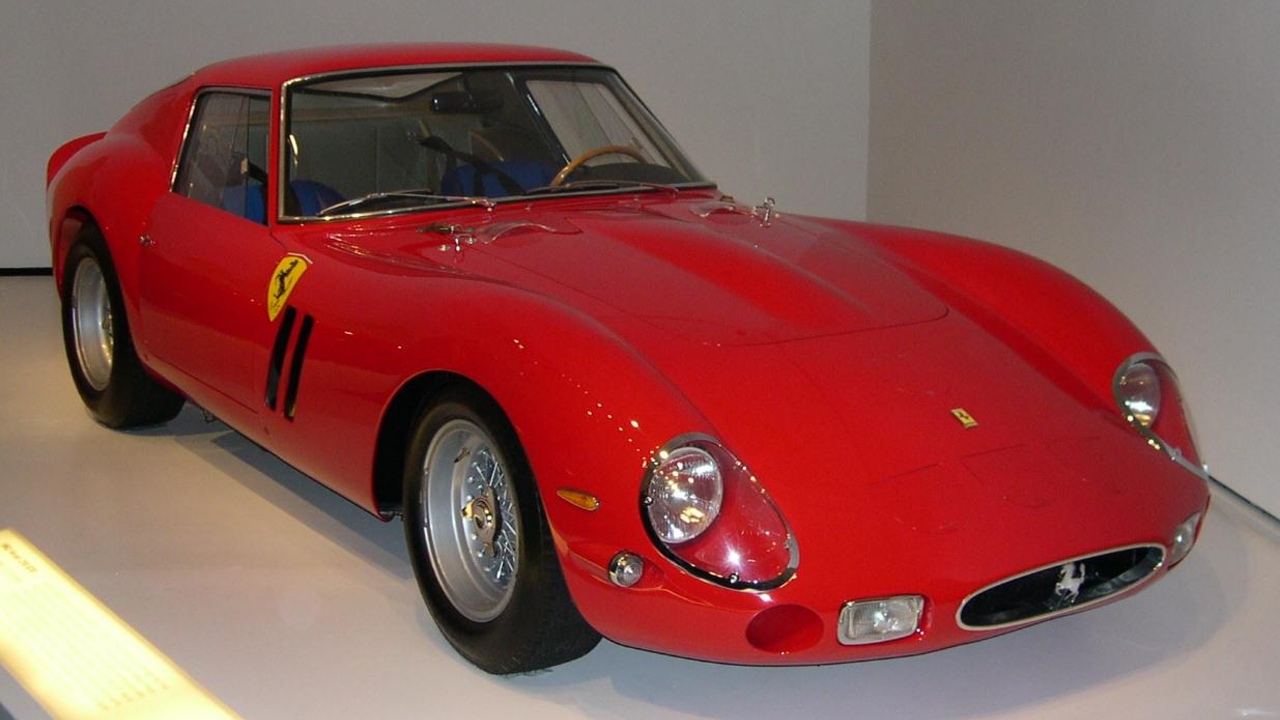
The 1962 Ferrari 250 GTO sits at the top of the collector car world not just because it is rare or beautiful, but because it has come to represent the ultimate fusion of racing pedigree, scarcity, and cultural mythology. What began as a purpose-built competition machine has turned into an asset that routinely trades for tens of millions of dollars, with private sales that push it into territory where “price” starts to feel almost theoretical. To understand how it became effectively priceless, I need to trace how its competition record, limited production, market cycles, and modern investor culture all converged around a single model.
From factory weapon to racing legend
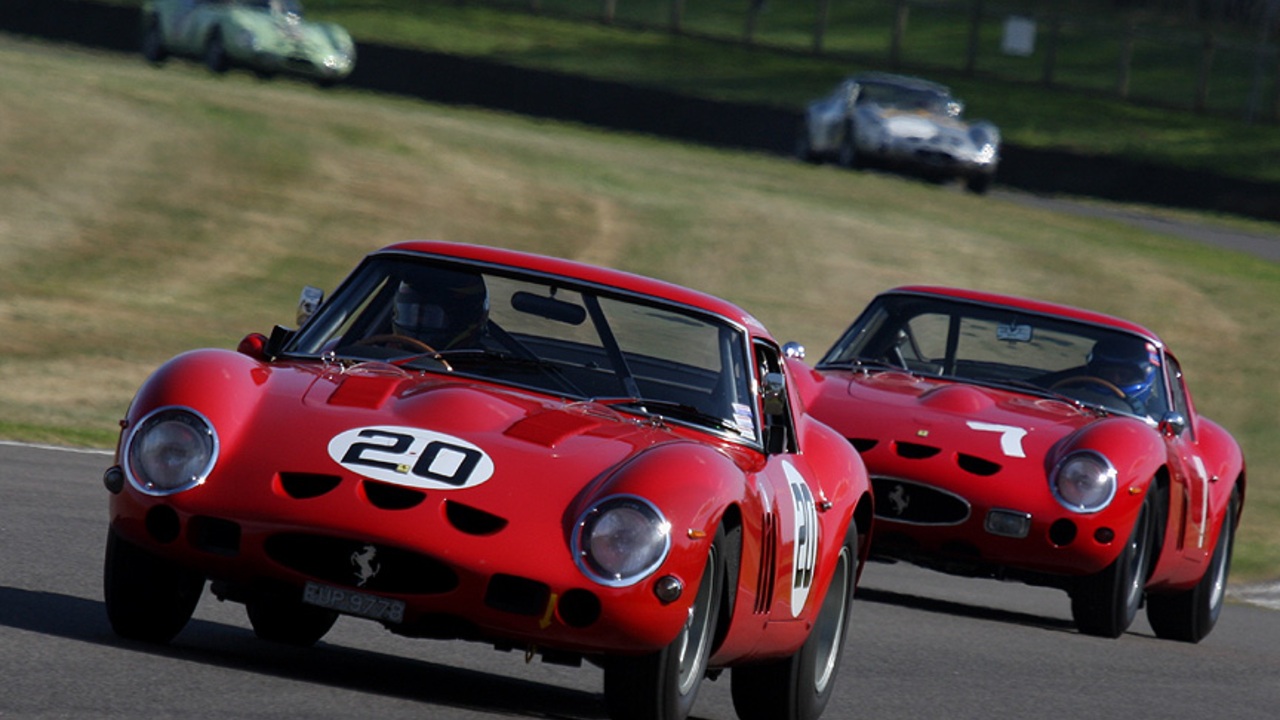
The 250 GTO was conceived as a factory weapon for international sports car racing, and that competitive origin is the foundation of its modern value. Ferrari built it to dominate the early 1960s GT categories, and period results show that the car delivered, with the model helping Ferrari secure major championships and cementing the brand’s reputation for building some of the most successful sports racers of its era. Contemporary analysis of the car’s history notes that Ferrari dominated early 1960s sports car competition, and the 250 GTO’s repeated wins and podiums turned what might have been just another limited-run coupe into a benchmark for performance and engineering excellence.
That racing success also meant that each chassis accumulated its own story, from specific circuits to famous drivers, which collectors now treat as part of the car’s intrinsic value. Modern profiles of the model emphasize how the 250 GTO’s competition record, combined with Ferrari’s broader status as one of the most renowned sports car manufacturers, helped push it into the ranks of the most valuable cars ever. When a car is both a championship-winning tool and a rolling archive of motorsport history, the market tends to reward it far beyond the sum of its mechanical parts.
Extreme rarity and the power of a closed club
If racing pedigree lit the fuse, scarcity turned the 250 GTO into a controlled, almost closed market. Detailed breakdowns of the model’s production highlight that only a tiny number were built, and later investment-focused analysis points out that low production volumes keep demand and prices high. In the case of the Ferrari 250 GTO in Detail, the car is repeatedly cited as the archetype of how rarity, combined with desirability, can transform a vehicle into a financial instrument as much as a machine. The fact that the next six entries in some value rankings are also Ferraris, with three being the iconic Ferrari 250 GTO, underlines how concentrated this phenomenon is around Maranello’s most exclusive cars.
Rarity alone would not be enough if owners traded these cars frequently, but they generally do not. Reporting on why the 250 GTO is the most expensive Ferrari notes that collectors who manage to acquire one rarely let it go, which effectively locks up supply and turns each potential sale into a once-in-a-generation event. That dynamic creates a powerful feedback loop: the fewer cars that come to market, the more intense the competition when one does, and the more entrenched the perception that this is a club that money alone cannot easily buy into.
Market crashes, rebounds, and the march to record prices
The 250 GTO’s path to near-mythic value was not a straight line, and the way it weathered market turbulence is part of why it is now treated as almost immune to normal pricing logic. During the collector car market crash of the early 1990s, Prices for the model fell substantially, with documented lows of $2,700,000 in September 1994. For most vehicles, a collapse of that magnitude would have permanently reset expectations, but subsequent reporting shows that the 250 GTO not only recovered, it went on to set new benchmarks for what a car could be worth, reinforcing the idea that downturns were temporary aberrations rather than a verdict on the car’s true value.
By the time the market matured again, the 250 GTO had become the reference point for ultra-high-end automotive transactions. One example came when a car offered by England based vintage Ferrari seller Talacrest was discussed as a potential record setter, with coverage noting that the 250 GTO on sale was the second car to be built on its production run and that a price in the tens of millions would be anything but surprising. Later, a 1962 Ferrari 250 GTO sold for £37.7m at auction, with analysis pointing out that although this Ferrari GTO broke the record for a public sale, it still fell over $20 million short of some private transactions. When public auctions are setting records while still trailing private deals by eight-figure margins, it becomes clear why many observers now describe the car as effectively priceless.
From forgotten racer to blue-chip investment
What makes the 250 GTO unique is not only that it is expensive, but that it has evolved from a depreciating race car into what many investors treat as a blue-chip asset. Long-form accounts of its financial trajectory describe how a car that once changed hands for relatively modest sums has appreciated more than almost any other vehicle in history, with one narrative framing the transformation as a journey from forgotten to priceless and tying it directly to Enzo Ferrari’s personal involvement with key early buyers. That personal connection, combined with the car’s competition record, helped build a mythology that modern collectors are effectively buying into when they pay tens of millions for a single chassis.
Investment oriented analysis now routinely cites the Ferrari 250 GTO as the best car investment ever made, pointing to its sustained appreciation and the way it has outperformed many traditional asset classes. The same sources emphasize that the model’s rarity, its status as one of the most coveted Ferraris, and the fact that three of the top entries in value rankings are versions of the 250 GTO, all contribute to its reputation as a financial safe haven for ultra-wealthy enthusiasts. When a car is discussed in the same breath as fine art or trophy real estate, the idea of a conventional “price” starts to blur into the broader concept of long term capital preservation.
Cultural mythology and the limits of price
Beyond numbers and race results, the 250 GTO has been elevated by a cultural mythology that treats it as the ultimate expression of the analog sports car era. Commentators often frame it as the car that, of all the machines on God’s green earth, has appreciated more dramatically than any other, a rhetorical flourish that captures how it has come to stand for the entire idea of automotive collecting at the highest level. Stories about how Enzo Ferrari personally selected some early buyers, and how those early handshakes helped shape the car’s legend, reinforce the sense that owning a 250 GTO is as much about joining a narrative as it is about acquiring a physical object.
Modern coverage of how the Ferrari 250 GTO became the most valuable car in the world stresses that this mythology now feeds directly into its market behavior. The car is consistently placed at the top of lists of the most valuable cars ever, and its presence there helps sustain the belief that it is the ultimate prize for serious collectors. When I look at the combination of limited production, a dominant racing record, a history of surviving market crashes, and a cultural aura that treats it as the pinnacle of Ferrari’s output, it becomes clear why the 1962 Ferrari 250 GTO has crossed the line from being merely expensive to occupying a realm where, for the people who can actually buy one, price is almost beside the point.
More from Fast Lane Only: