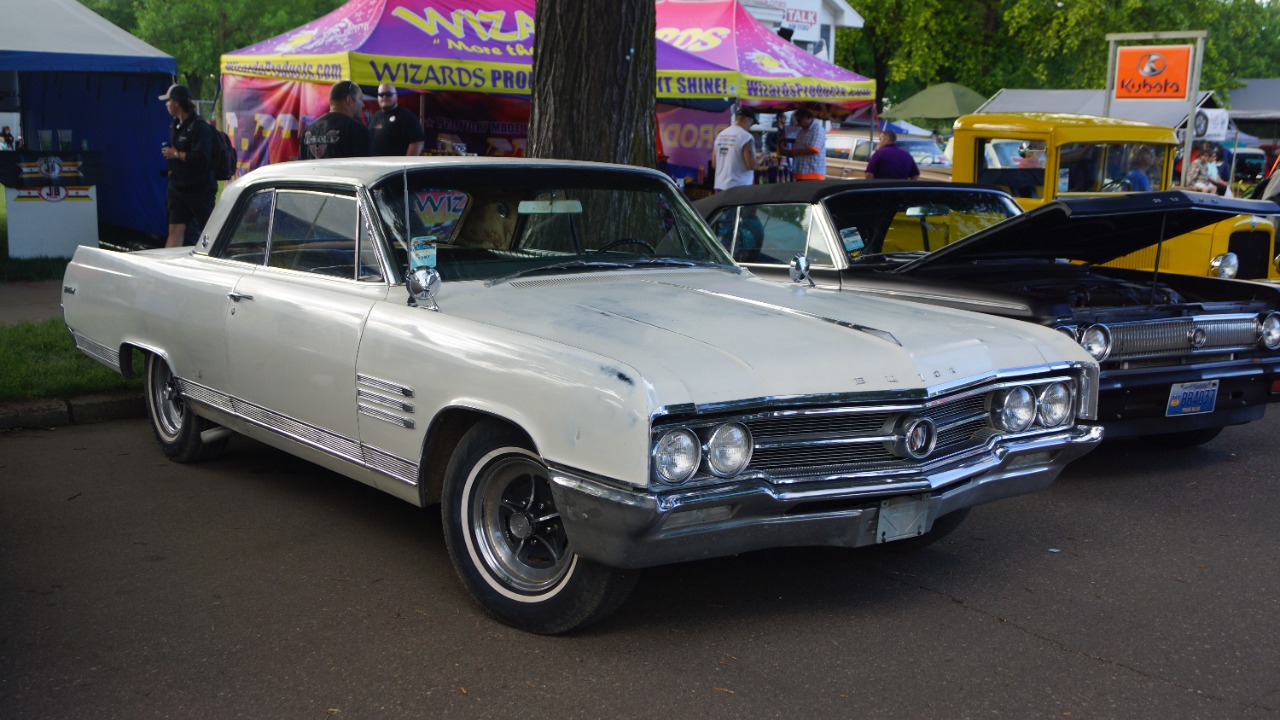
The 1964 Buick Wildcat, once a symbol of American automotive pride and innovation, mysteriously disappeared from showrooms after a brief but impactful production run. Factors leading to its abrupt exit from the market include a combination of shifting consumer preferences, competition from rival manufacturers, and strategic corporate decisions that ultimately spelled the end for this distinctive model.
Historical Context of the 1960s Automotive Industry
The automotive industry in the 1960s was marked by a significant boom, fueled by economic growth and a burgeoning consumer culture. This era witnessed the rise of muscle cars and luxury vehicles, with manufacturers like Ford, Chevrolet, and Pontiac introducing powerful models that captivated the American public. The Ford Mustang, launched in 1964, is often credited with igniting the muscle car craze, drawing younger buyers into showrooms eager for speed and performance. In this environment, Buick sought to carve out its niche with the Wildcat, a vehicle that combined luxury with power.
However, as the decade progressed, consumer preferences began to shift dramatically towards smaller, more fuel-efficient cars, especially in response to rising fuel prices and a growing awareness of environmental issues. The introduction of compact models such as the Chevrolet Vega and the Toyota Corolla highlighted this trend, leading many manufacturers to rethink their offerings. The Wildcat, with its larger size and emphasis on power, started to feel out of place in a rapidly changing market.
Intensifying competition from both American and foreign manufacturers further complicated the Wildcat’s position. As companies like Chrysler and AMC introduced models that appealed to a broader range of consumers, Buick faced mounting pressure to keep pace. The Wildcat was perceived as a luxurious option, but it struggled to attract buyers in a marketplace increasingly dominated by more practical and economical vehicles.
The Buick Wildcat’s Design and Features
The 1964 Buick Wildcat was characterized by its distinctive design elements, which combined elegance with a sporty flair. The vehicle featured a long, sleek body adorned with bold lines and a prominent grille, making it visually captivating. Inside, the Wildcat boasted a spacious interior that emphasized comfort, with plush seating and high-quality materials that appealed to the luxury market. The dashboard was designed with an array of gauges and controls that, while functional, also added to the vehicle’s upscale aesthetic.
One of the most notable aspects of the Wildcat was its innovative technology, particularly the introduction of the new 401 cubic inch V8 engine, known as the “Nailhead.” This engine produced an impressive 325 horsepower, allowing the Wildcat to deliver exhilarating performance on the road. Buick marketed the Wildcat as a vehicle that offered both power and sophistication, targeting affluent consumers who appreciated the blend of style and performance.
Marketing strategies for the Wildcat focused on its unique selling points, emphasizing its luxurious features and advanced technology. Advertisements showcased the Wildcat as a car that could provide a sense of status and achievement, appealing to middle-class families aspiring to own a luxury vehicle. However, despite these efforts, the Wildcat struggled to find its footing in a market increasingly driven by practicality and efficiency.
Market Reception and Sales Performance
The Buick Wildcat’s sales performance during its production run was mixed at best. While it initially garnered attention and some respectable sales figures, it quickly fell behind competitors in an increasingly crowded marketplace. In 1964, the Wildcat sold approximately 22,000 units, which, while not disappointing, was overshadowed by the success of models like the Ford Mustang and Chevrolet Malibu. These competitors offered a combination of performance and affordability that appealed to a broader audience.
Consumer feedback during the Wildcat’s production run reflected a range of opinions. Some praised its powerful engine and luxurious features, while others criticized its size and fuel consumption. As the oil crisis loomed on the horizon, concerns over gas mileage became more pronounced, contributing to a decline in demand for larger vehicles like the Wildcat. The car’s appeal waned further as buyers increasingly sought smaller, more economical options, leading to a disconnect between what Buick offered and what consumers wanted.
Ultimately, the combination of lower-than-expected demand, shifting consumer preferences, and intense competition contributed to the Wildcat’s disappointing sales performance. While it was a well-engineered vehicle, it was unable to capture the hearts of the American public as its competitors did.
Corporate Decisions and Changes at Buick
Amidst the challenges faced by the Wildcat, Buick underwent significant strategic shifts that impacted the model’s future. During the early 1960s, the company was part of General Motors, which was grappling with its own set of challenges, including shifting consumer preferences and increasing production costs. Management decisions aimed at streamlining operations led to a reevaluation of Buick’s model lineup, resulting in a focus on more popular vehicles that appealed to the masses.
Buick’s management made the decision to discontinue the Wildcat after the 1970 model year, citing its inability to compete effectively in a changing market. This decision was further influenced by General Motors’ restructuring efforts, which prioritized smaller, more fuel-efficient models in response to both consumer demand and regulatory pressures. The discontinuation of the Wildcat marked a significant turning point for Buick, as the brand sought to realign itself with the evolving automotive landscape.
These corporate decisions had lasting implications for Buick’s identity and its future product offerings. The discontinuation of the Wildcat reflected a shift in focus from luxury performance to practicality and efficiency, which would define the brand’s trajectory in the years to come.
Legacy and Collectibility of the 1964 Buick Wildcat
Despite its relatively short production run, the 1964 Buick Wildcat has carved out a niche in automotive history as a collector’s item. Enthusiasts appreciate the Wildcat for its unique design, powerful engine, and the nostalgia it evokes for a bygone era of American automotive manufacturing. Today, well-preserved examples of the Wildcat can fetch high prices at auctions, reflecting its status as a desirable classic car.
Car clubs and enthusiast groups dedicated to preserving the Wildcat’s legacy have emerged, fostering a community of like-minded individuals who share a passion for this distinctive model. Events such as classic car shows and meet-ups often feature the Wildcat, where owners display their vehicles and share stories of restoration and appreciation. These gatherings not only celebrate the Wildcat but also keep its memory alive among a new generation of automotive enthusiasts.
The influence of the Wildcat is also seen in subsequent Buick models, as the brand sought to integrate elements of the Wildcat’s design and performance into later offerings. While the Wildcat itself may no longer be in production, its legacy continues to shape Buick’s identity and design philosophy.
Lessons Learned from the Wildcat’s Short-lived Success
The story of the 1964 Buick Wildcat serves as a valuable case study in the complexities of automotive marketing and production strategies. One of the key takeaways is the importance of aligning product offerings with consumer trends. Buick’s struggle to adapt to shifting preferences for smaller, more fuel-efficient vehicles ultimately contributed to the Wildcat’s decline. The automotive industry is in constant flux, and companies must remain agile to respond to changes in consumer demand effectively.
Additionally, the Wildcat’s experience underscores the necessity of balancing innovation with market realities. While the introduction of advanced technology and powerful engines can attract attention, it is crucial for manufacturers to understand the broader context of consumer needs and preferences. The disconnect between the Wildcat’s luxury positioning and the growing demand for practicality highlights the risks associated with pursuing innovation without considering market conditions.
In summary, the 1964 Buick Wildcat stands as a poignant reminder of the challenges faced by automotive manufacturers in navigating a rapidly changing landscape. Its legacy endures not only through its status as a classic car but also as a lesson in the importance of corporate agility and consumer awareness in the automotive industry.
More from Fast Lane Only
- Unboxing the WWII Jeep in a Crate
- 15 rare Chevys collectors are quietly buying
- 10 underrated V8s still worth hunting down
- Police notice this before you even roll window down
*Research for this article included AI assistance, with all final content reviewed by human editors.