When it comes to automotive engineering, certain engines stand out as masterpieces of design and performance. From high-performance supercars to reliable workhorses, these engines demonstrate exceptional engineering capabilities. Here, I delve into ten engines that mechanics and enthusiasts alike recognize as peak engineering achievements, showcasing their unique features and contributions to the automotive world.
Bugatti Veyron W16
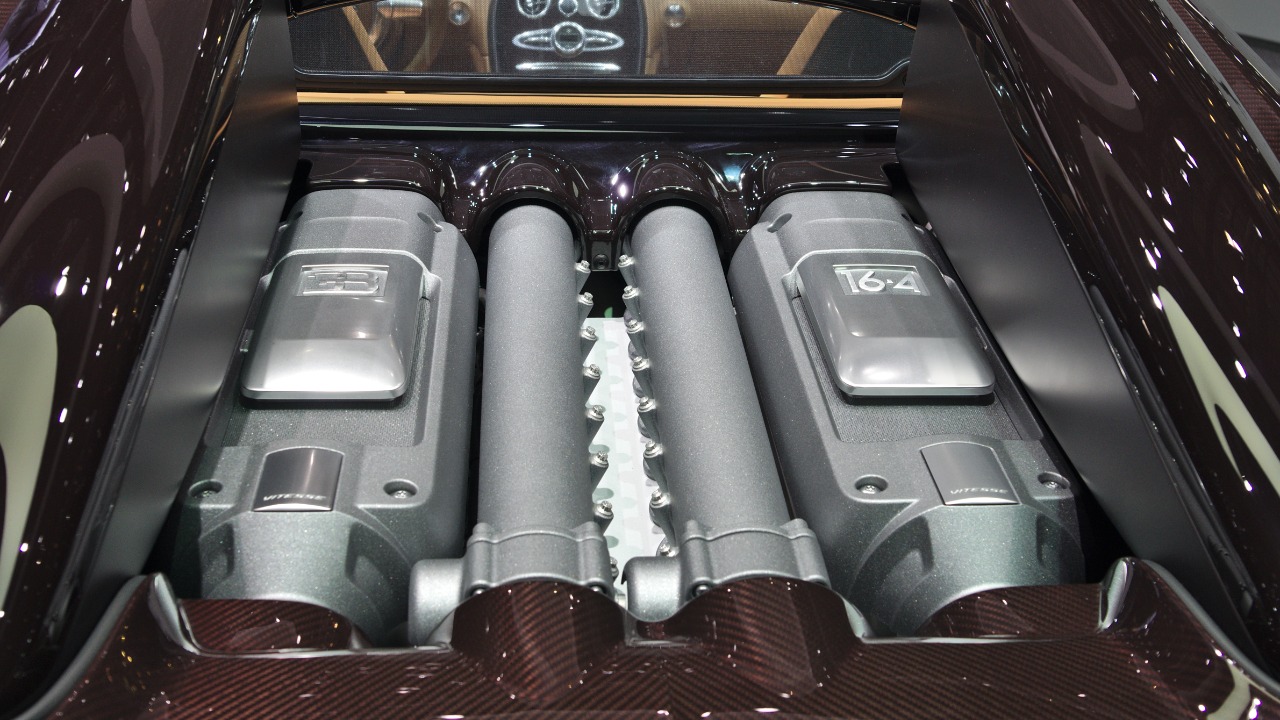
The Bugatti Veyron W16 is often cited as one of the most remarkable engines in automotive history. This powerhouse features a unique sixteen-cylinder layout with four turbochargers, producing an astounding 1,001 horsepower. The Veyron was engineered not just for raw power but for a seamless blend of speed and luxury. With a top speed that exceeds 250 mph, it set the standard for hypercars. What’s more, the intricate design, including its quad-turbo system, pushed the boundaries of engineering, showcasing advanced materials and aerodynamics. The Veyron remains an iconic symbol of what modern engineering can achieve in performance and design.
Its engineering prowess is further highlighted by the fact that each engine is hand-built, reflecting a commitment to quality and precision. Bugatti’s attention to detail allows for exceptional reliability despite the intense power output. The Veyron’s success has paved the way for subsequent models like the Chiron, which continues to push the envelope of automotive engineering. For those interested in the technical specifications and history of this engine, there’s a wealth of information available online, including detailed reviews and performance tests on platforms like YouTube.
Ferrari 3.0L V12 (Tipo F106)
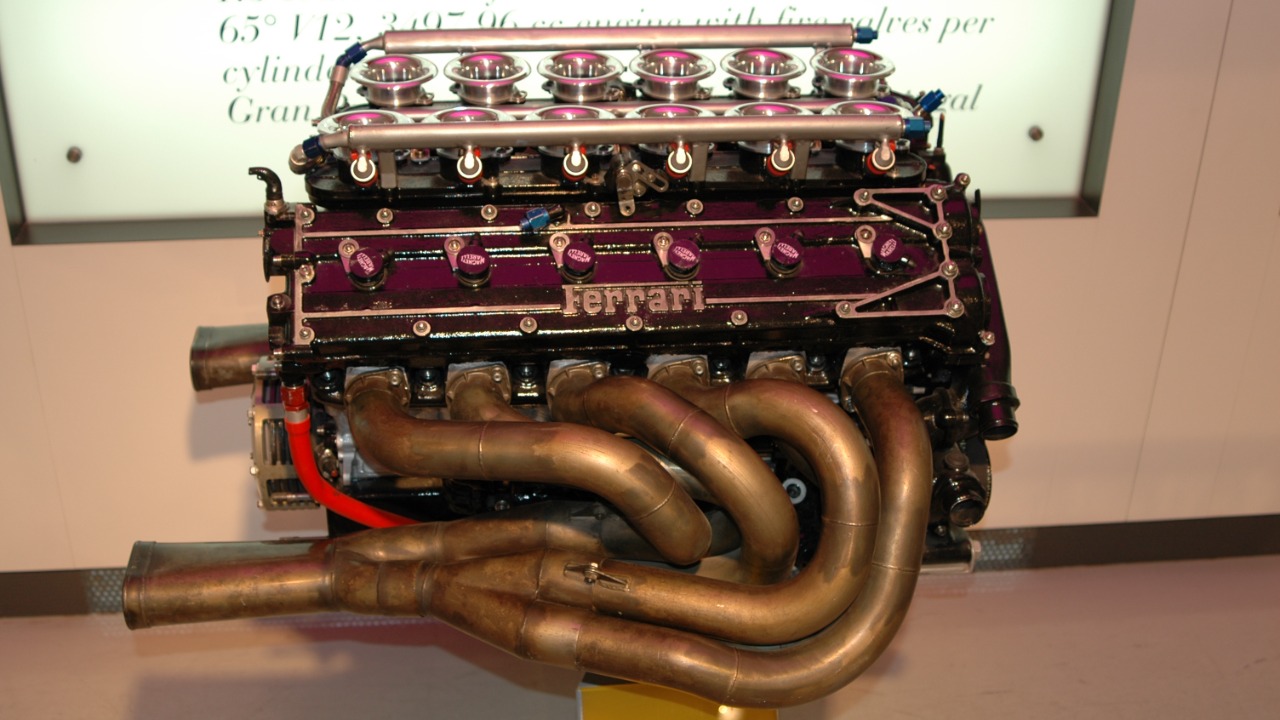
The Ferrari 3.0L V12, known as the Tipo F106, is a hallmark of Ferrari’s engineering excellence. Introduced in the 1960s, this engine powered iconic models like the 250 GTO and the Daytona. With its 12-cylinder configuration and a unique arrangement that contributes to a smooth power delivery, the Tipo F106 exemplifies Ferrari’s commitment to performance and engineering. The high-revving nature of this engine allows it to produce exceptional horsepower, contributing to its legendary status on the racetrack.
One of the standout features of the Tipo F106 is its ability to produce an exhilarating sound that resonates with enthusiasts. Its design ethos focuses on weight efficiency and balance, making it a favorite among racers. The engineering behind this V12 has influenced countless successors, cementing its legacy in automotive history. For those curious about its impact and performance, numerous articles and analyses are available, like those found on Yahoo Autos.
Porsche 917 Flat-12
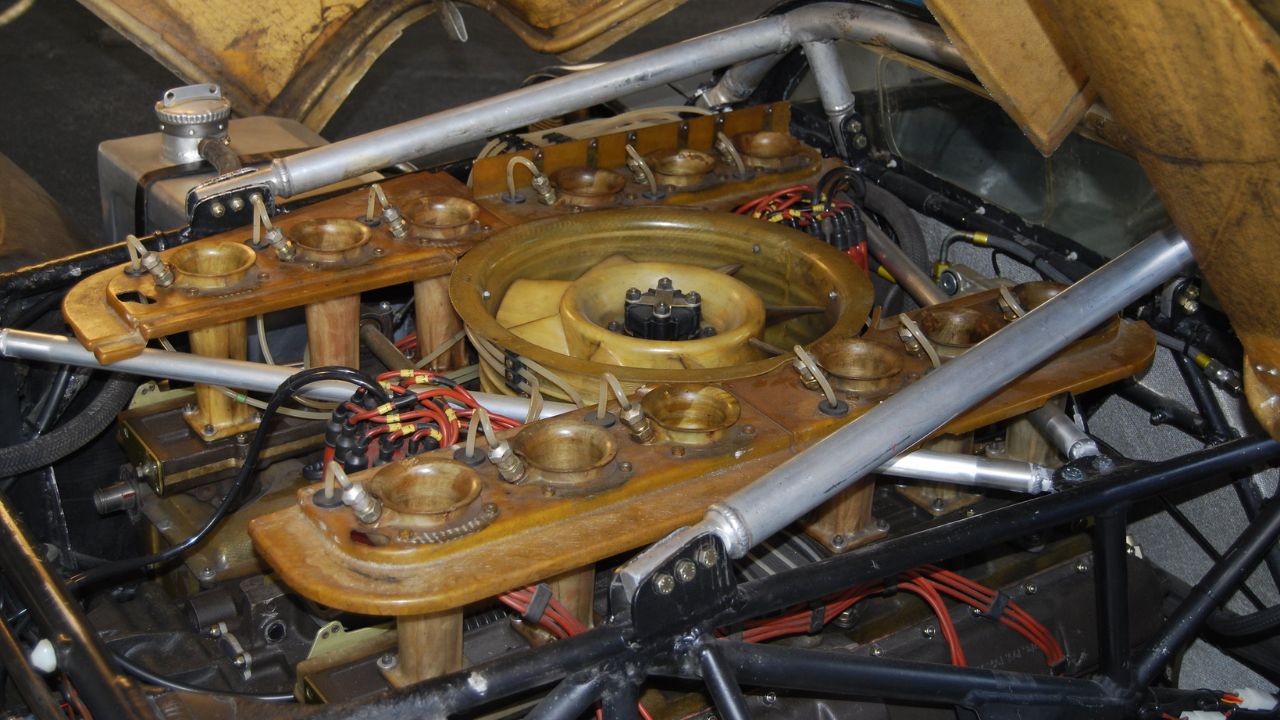
The Porsche 917 Flat-12 is an engineering marvel that redefined the world of sports car racing. This engine features a unique horizontally-opposed layout, which not only contributes to a lower center of gravity but also enhances aerodynamics. With its turbocharged version producing over 1,500 horsepower, the 917 dominated endurance racing events, including the prestigious 24 Hours of Le Mans. Its design focused on lightweight construction and high-revving capabilities, making it not just powerful but also agile on the track.
The flat-12 engine’s distinct sound and performance characteristics continue to be celebrated in automotive circles. Its legacy influences modern Porsche designs, reflecting the company’s commitment to performance and innovation. The engineering behind the 917 Flat-12 is a testament to Porsche’s relentless pursuit of excellence, paving the way for future advancements in racing technology. For enthusiasts eager to learn more about this legendary engine, comprehensive resources are available, including detailed engineering analyses found in publications like Google Books.
Chevrolet Small Block V8
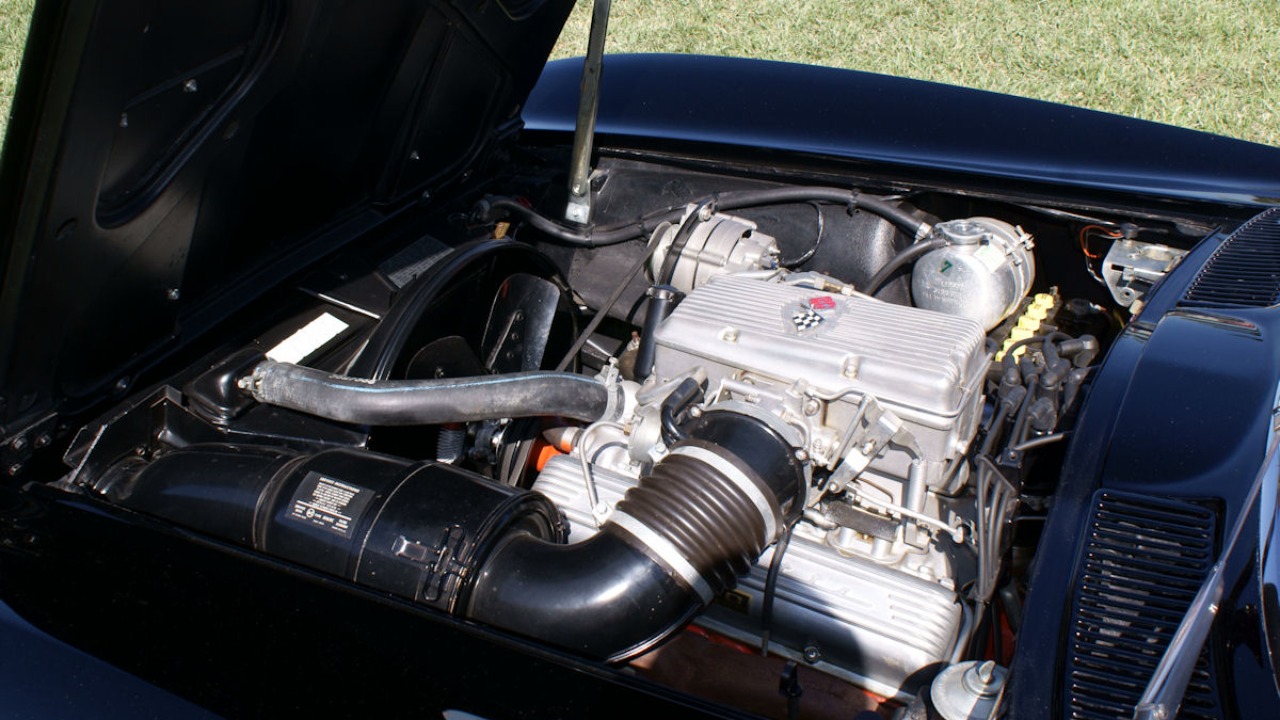
The Chevrolet Small Block V8 is arguably one of the most influential engines in automotive history. Introduced in 1955, it offers a combination of performance, reliability, and versatility that has made it a staple in American muscle cars. This engine’s simple design allows for easy modification, and it has been adapted for a range of applications, from street cars to racing vehicles. With various iterations producing anywhere from 265 to over 600 horsepower, the Small Block can be found in classic models like the Corvette and Camaro.
Its engineering brilliance lies in its lightweight design and efficient power delivery, making it beloved among car enthusiasts and builders alike. The Small Block V8 continues to be relevant today, with new generations still being produced. The engine’s adaptability and performance capabilities have cemented its place in automotive lore. Numerous resources, including detailed performance guides, can be found online, showcasing its enduring legacy in the world of performance engines.
Mercedes-Benz M156 V8
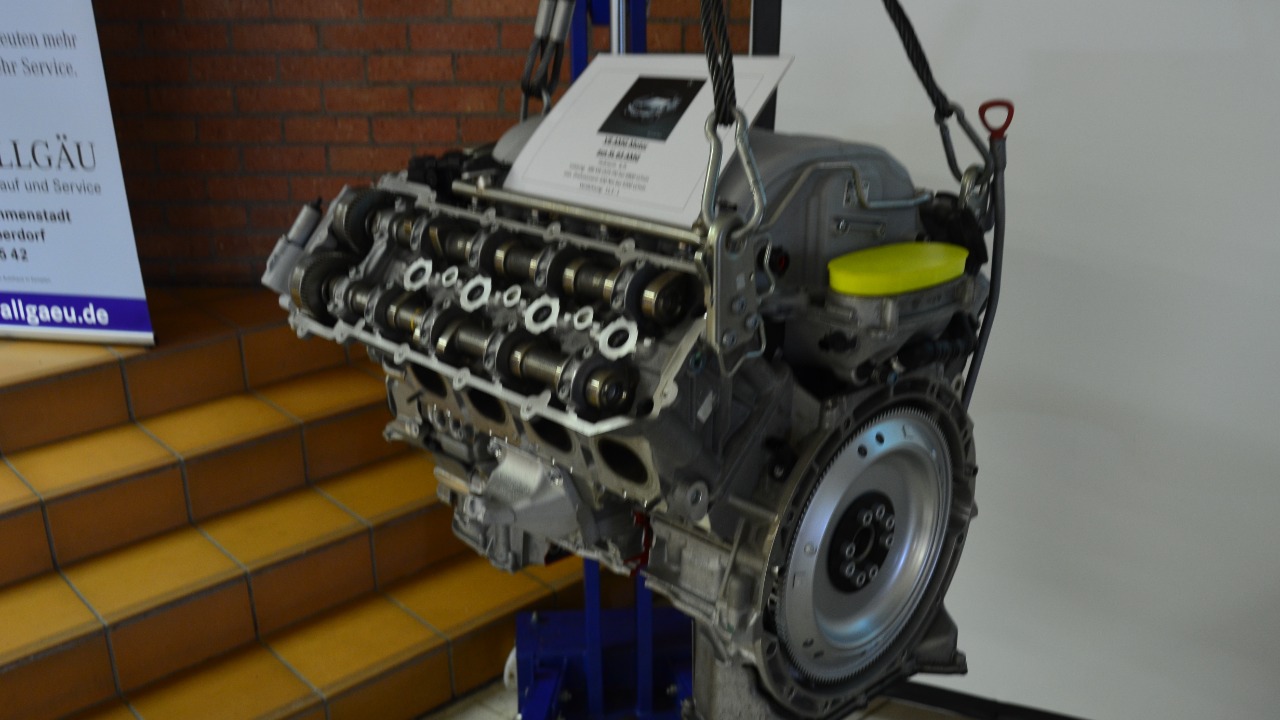
The Mercedes-Benz M156 V8 is a standout in the realm of high-performance engines. Launched in 2006, this naturally aspirated engine is notable for its high-revving capabilities and is found in models like the AMG E63 and SLS AMG. With a displacement of 6.2 liters and an output of around 500 horsepower, it combines luxury with raw power. The M156 is a product of meticulous engineering, featuring a lightweight aluminum block and advanced intake manifold design that enhances performance.
This engine has garnered acclaim for its remarkable throttle response and distinctive exhaust note, making it a favorite among driving enthusiasts. Its engineering not only focuses on performance but also on durability, allowing it to withstand the rigors of high-speed driving. As a testament to Mercedes-Benz’s commitment to excellence, the M156 continues to be celebrated in automotive circles. For those interested in a deeper dive into its engineering details, resources are available from various automotive publications.
BMW S54 Inline-Six
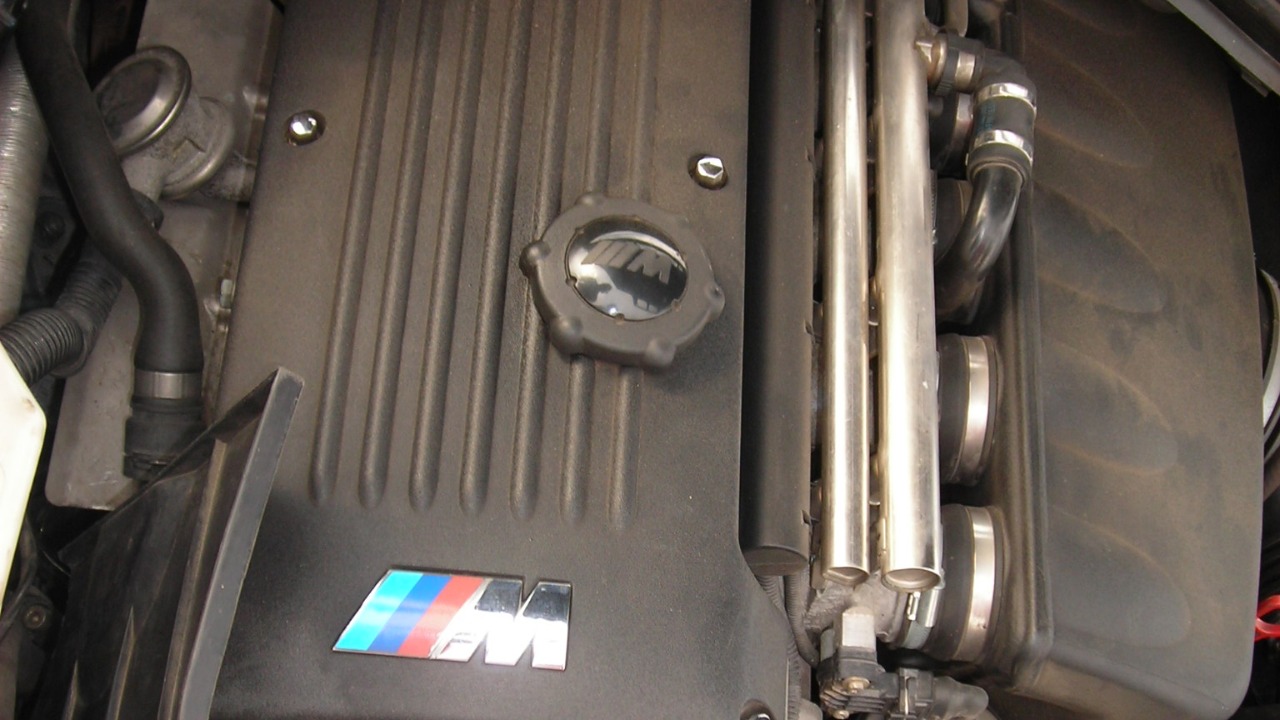
The BMW S54 Inline-Six is a testament to the brand’s engineering prowess, recognized for its performance and smoothness. Launched in the early 2000s, this engine powered legendary models like the E46 M3, delivering a spirited driving experience. With a displacement of 3.2 liters and capable of producing 333 horsepower, the S54 showcases BMW’s commitment to high-revving engines. Its engineering includes features like individual throttle bodies and a high compression ratio, contributing to its thrilling performance.
What sets the S54 apart is its balance of power and refinement, making it a popular choice among enthusiasts. The engine’s character shines through in its responsiveness and linear power delivery, allowing for an exhilarating driving experience. Its influence can be seen in later BMW models, reflecting the brand’s dedication to performance and innovation. Comprehensive reviews and performance insights can be found in automotive literature, detailing the S54’s impact on the sports car landscape.
Honda K20 Inline-Four
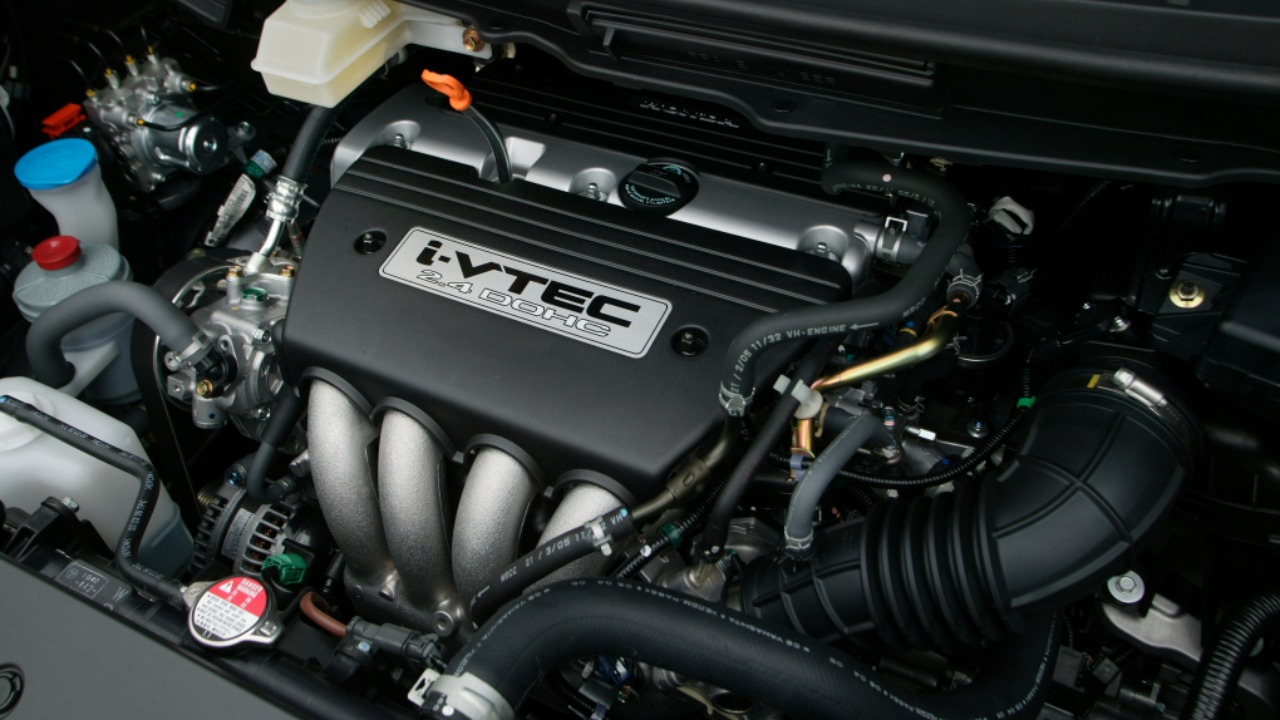
The Honda K20 Inline-Four engine is a prime example of engineering efficiency and performance. Known for powering models like the Civic Type R and the Acura RSX, this engine has gained a reputation for its high-revving nature and reliability. With a displacement of 2.0 liters, the K20 can produce between 200 and 240 horsepower, depending on the variant. Its design features a DOHC configuration and VTEC technology, allowing for optimal power delivery across the RPM range.
One of the standout characteristics of the K20 is its versatility; it has been successfully used in various applications, from street cars to motorsport vehicles. This engine’s lightweight construction and compact size make it a favorite among tuners and performance enthusiasts. Its engineering has influenced many modern Honda engines, showcasing the brand’s commitment to performance and efficiency. For those looking to explore its technical specifications and tuning potential, numerous resources are available online.
Nissan RB26DETT Inline-Six
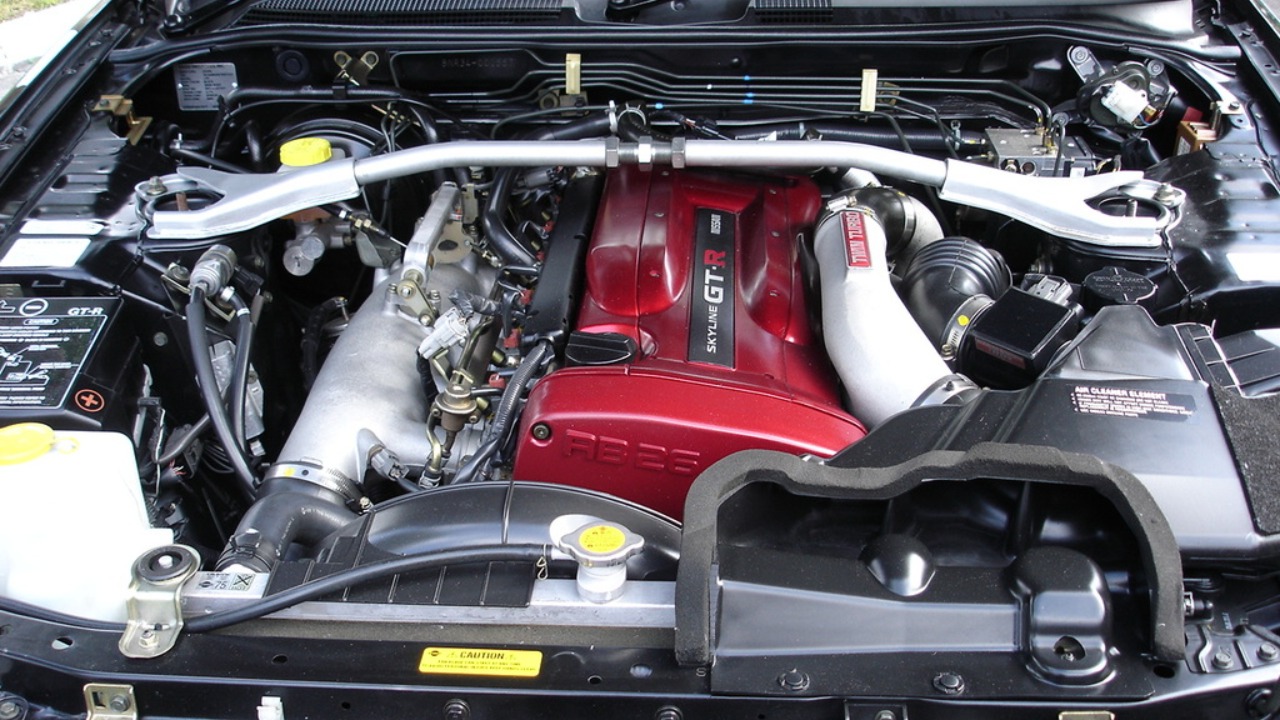
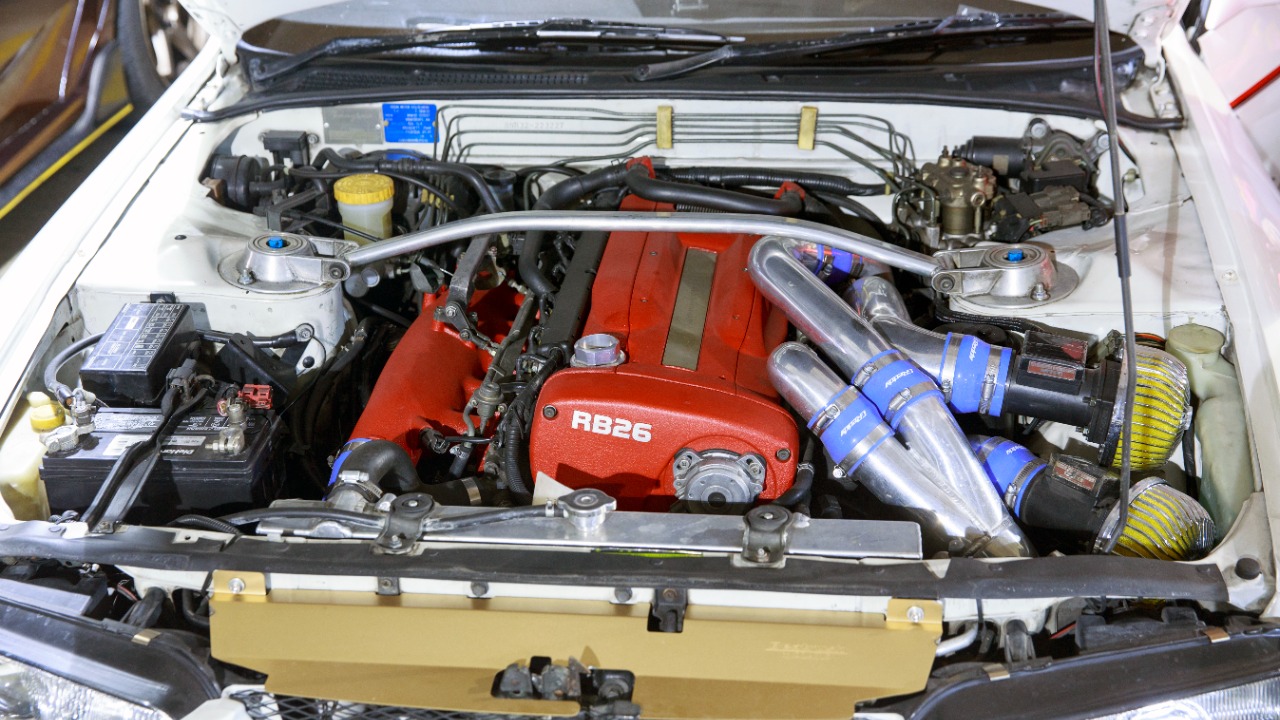
The Nissan RB26DETT Inline-Six is a legendary engine that has made its mark in the performance car scene. Found in the iconic Nissan Skyline GT-R, this 2.6-liter twin-turbocharged engine produces around 280 horsepower, though many enthusiasts have pushed it well beyond that. The RB26’s robust design features an iron block and a forged steel crankshaft, allowing for significant power upgrades without compromising reliability. Its engineering brilliance lies in its balance and responsiveness, making it a favorite among tuners and racers.
The RB26DETT has a rich motorsport history, dominating events in the 1990s and leaving a lasting legacy that influences modern performance engineering. Its adaptability allows for various modifications, making it a go-to choice for those looking to extract maximum performance. The engine’s popularity is reflected in its presence in car culture, from street racing to drift events. For more insights and technical discussions on the RB26, numerous articles and videos are available, showcasing its enduring appeal in the automotive community.
Ford EcoBoost V6
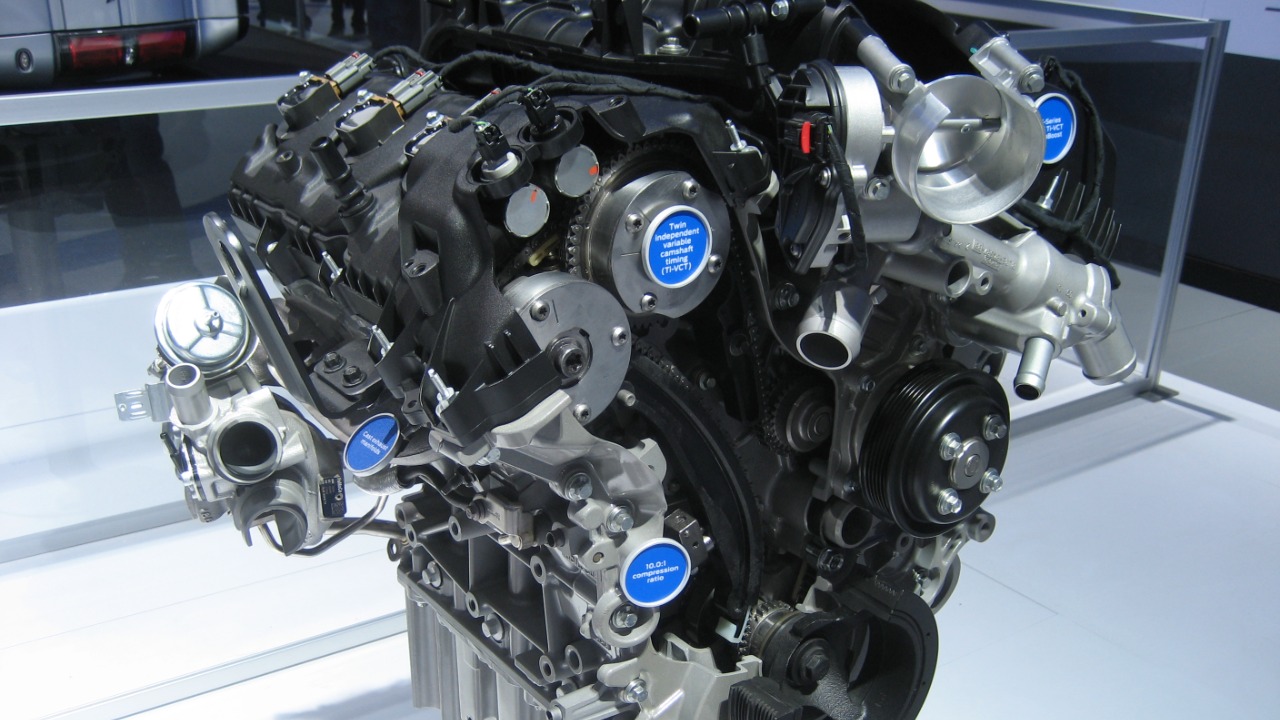
The Ford EcoBoost V6 is a modern marvel of engineering, combining efficiency with impressive power output. This engine family, introduced in 2009, features turbocharging technology that allows smaller displacement engines to produce power equivalent to larger V8s while improving fuel efficiency. The 3.5-liter EcoBoost V6 is particularly notable, delivering up to 450 horsepower in applications like the Ford F-150 Raptor. Its design focuses on lightweight components and advanced fuel injection systems, contributing to its performance and efficiency.
What makes the EcoBoost V6 stand out is its ability to deliver strong torque at low RPMs, making it ideal for towing and off-road applications. Its engineering reflects Ford’s commitment to sustainability without sacrificing performance, appealing to a new generation of drivers focused on both power and efficiency. For those interested in the technical aspects of the EcoBoost engine, in-depth analyses and performance metrics can be found in various automotive publications and online resources, providing a comprehensive look at this innovative engine.
Toyota 2JZ-GTE Inline-Six
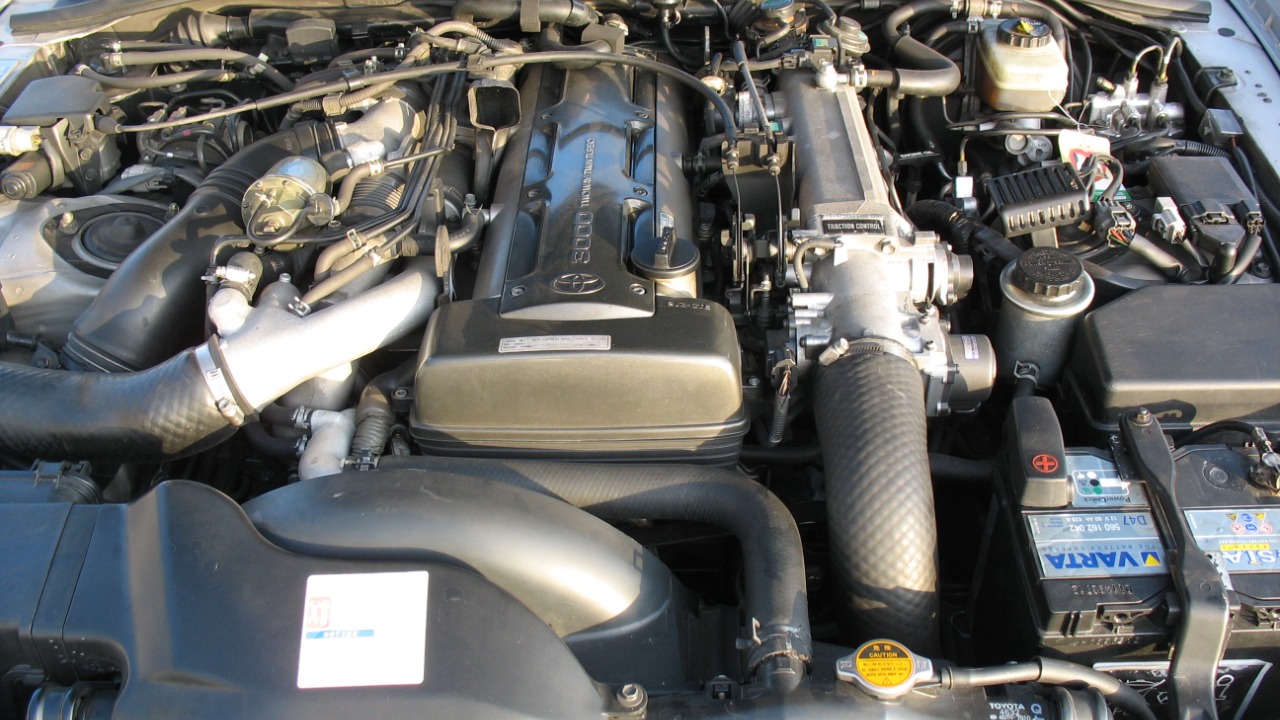
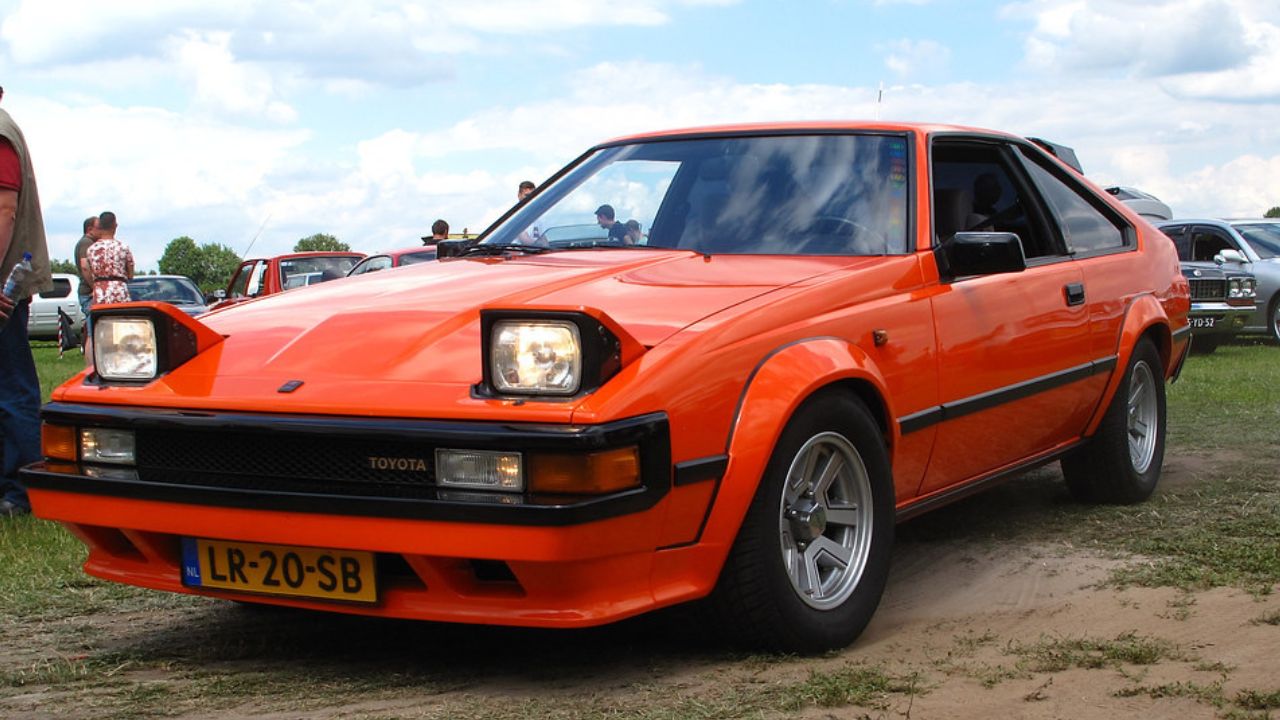
The Toyota 2JZ-GTE Inline-Six is one of the most revered engines in the tuning community, known for its strength and performance. Launched in the early 1990s in the Toyota Supra, this 3.0-liter twin-turbocharged engine produces around 276 horsepower, though many enthusiasts have harnessed significantly more power with modifications. Its robust design includes an iron block and forged internals, making it capable of handling high horsepower builds without reliability concerns.
What truly sets the 2JZ-GTE apart is its aftermarket support; a vast array of performance parts and tuning options are available, allowing enthusiasts to modify it for various applications, from street racing to drag racing. The engine’s legendary status has solidified its place in automotive history, influencing the design of many subsequent engines. For those looking to delve deeper into the 2JZ-GTE’s capabilities and tuning potential, a wealth of information is readily available online, including forums and performance guides.
More from Fast Lane Only
- Unboxing the WWII Jeep in a Crate
- 15 rare Chevys collectors are quietly buying
- 10 underrated V8s still worth hunting down
- Police notice this before you even roll window down
*Research for this article included AI assistance, with all final content reviewed by human editors.