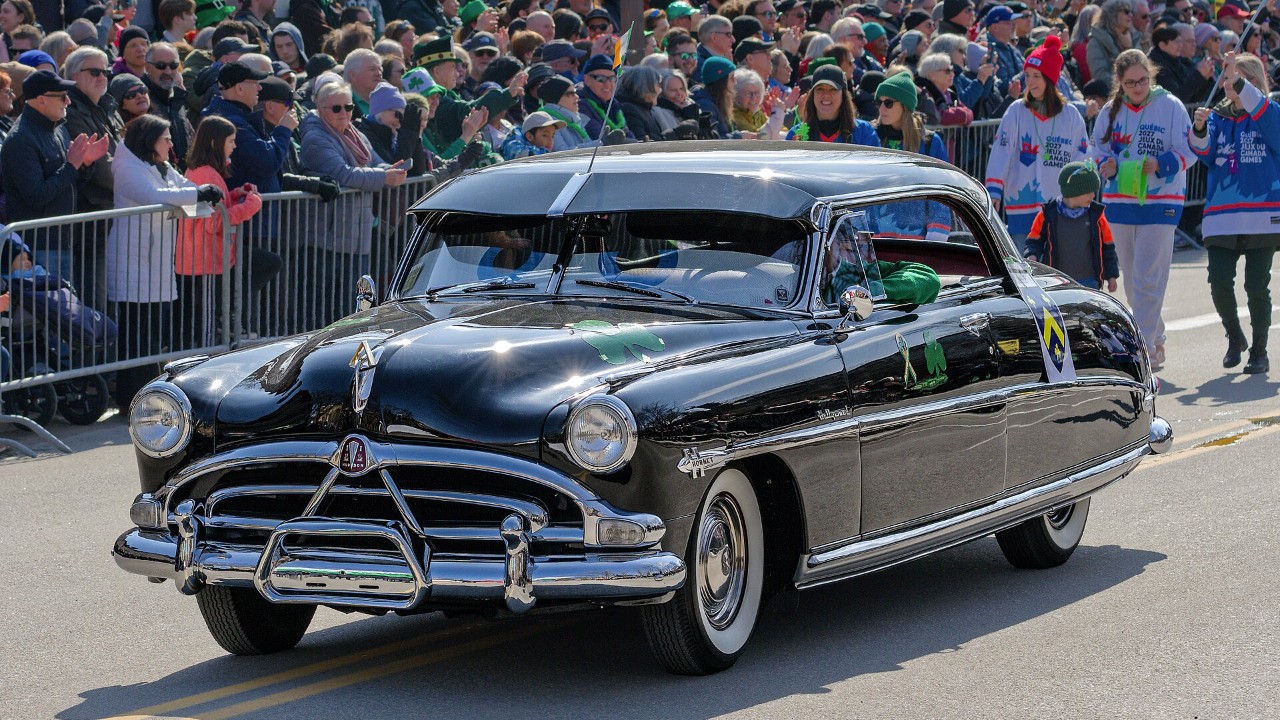
Slip behind the wheel of a well-kept 1980s sports coupe or a late‑1990s touring bike and the surprise is immediate: the drivetrain often feels calmer, more intuitive, and sometimes even more “sorted” than plenty of brand‑new hardware. On paper, modern powertrains and bicycle groupsets are faster, lighter, and more efficient. Out on the road or trail, though, certain vintage setups deliver a level of refinement that feels oddly contemporary.
That disconnect is not nostalgia alone. It reflects how engineers once optimized drivetrains around human feel and mechanical simplicity, and how current design, price pressure, and marketing have shifted the compromises in ways riders can sense but not always explain.
How incremental engineering made old drivetrains feel ahead of their time
Many drivetrains that now count as “vintage” were already the product of long evolutionary cycles. By the late 1980s, manual car gearboxes and cable‑actuated bicycle derailleurs had gone through decades of iterative refinement. Ratios, shift detents, and cable pull were tuned not for spec‑sheet drama but for predictable engagement and durability.
For cars, that meant gearsets sized for realistic power outputs and road speeds, with relatively wide torque bands that forgave imperfect shifting. A five‑speed manual in a mid‑range sedan might lack today’s extra ratios, but its synchros, clutch feel, and throttle response were all calibrated as a cohesive system. The result is a drivetrain that can feel surprisingly modern in traffic because it does not hunt for gears or surge with every small pedal input.
On bicycles, the same pattern played out in high‑quality 7‑, 8‑, and 9‑speed drivetrains. Chainlines were straighter, cassette ranges were modest, and the number of shifts required between common ratios was low. Riders could feel each indexed click land with mechanical certainty. That stability is one reason an older mid‑range mountain bike can still feel composed on technical climbs, even compared with current models that boast more gears but also more complexity.
Engineering attention also focused on tactile feedback. Shift levers, clutch packs, and even cable housings were designed with the assumption that riders would live with them for years. The resulting “mechanical honesty” gives many older drivetrains a sense of transparency that resonates with people used to digital lag in modern vehicles.
Where modern performance gains changed the compromise
Modern drivetrains are faster, more efficient, and more capable across wider conditions, but the way they achieve those gains can erode that intuitive feel. Automakers have chased fuel economy and emissions targets with ever‑taller gearing, smaller displacement engines, and complex multi‑gear automatics or dual‑clutch systems. Cyclists have pushed for broader gear ranges, lighter components, and electronic control.
Those advances deliver real benefits. A contemporary 10‑speed automatic keeps an engine in its optimal efficiency window, while a 12‑speed bicycle cassette gives riders both a low climbing gear and a high sprint gear without swapping parts. Every added ratio or electronic layer, however, introduces new variables: shift logic, firmware, clutch tuning, and the interaction of narrow chains with thin sprockets.
Cost pressure then shapes how well those variables are managed. On the bicycle side, mid‑range trail bikes that once offered a sweet spot of durability and price have crept into premium territory. Reporting on current pricing shows that a typical mid‑range trail build can now cost about 6,200 dollars, far beyond what many riders expect for a “decent” bike. When a drivetrain at that price still ships with compromises in clutch design, cassette material, or shifter ergonomics, riders naturally compare it to older setups that felt more solid at a fraction of the cost.
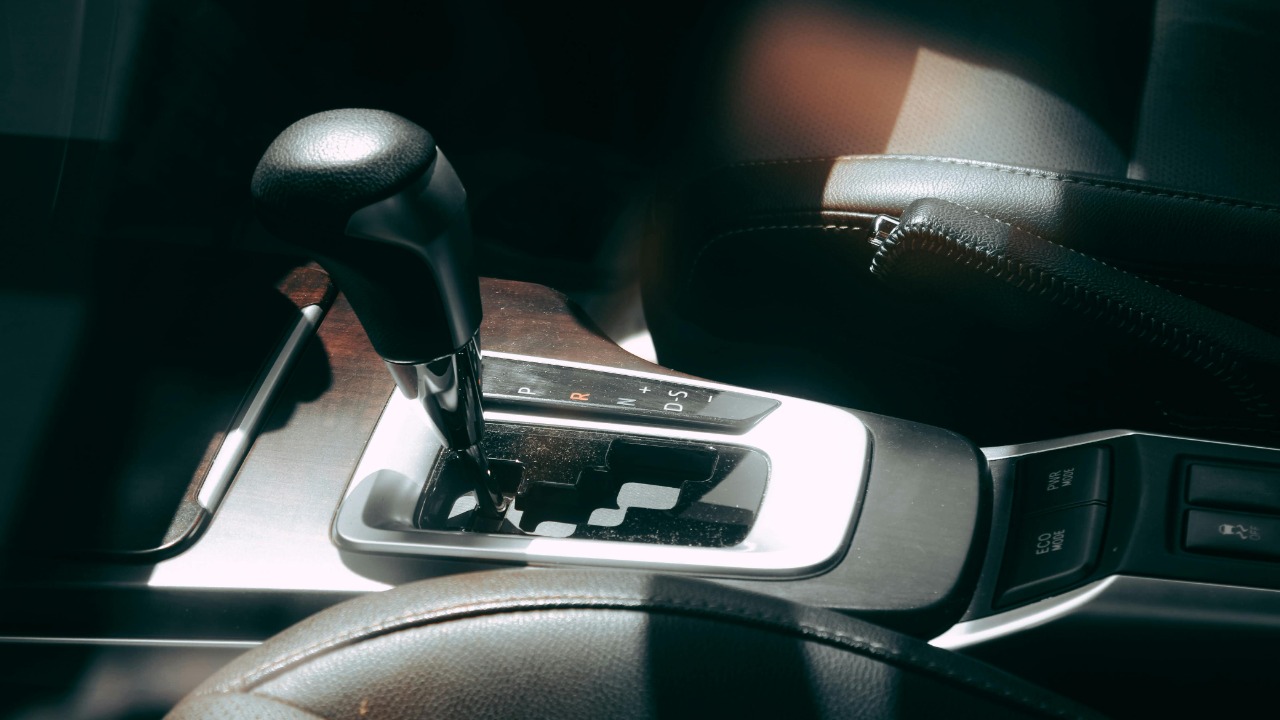
In cars, the same dynamic appears when software tries to mask hardware limits. Small turbocharged engines paired with aggressive shift programming can feel busy and disconnected in everyday driving. Against that backdrop, a 30‑year‑old naturally aspirated engine with a simple hydraulic automatic can feel unexpectedly contemporary, precisely because its behavior is linear and easy to predict.
Why some older drivetrains feel calmer and more intuitive
The sensation of “modernity” in a drivetrain often comes down to how much mental overhead it demands. Vintage systems that feel contemporary usually share three traits: mechanical simplicity, coherent gearing, and consistent response.
Mechanical simplicity means fewer interfaces where slop or latency can creep in. A cable‑actuated derailleur with a well‑designed parallelogram and robust return spring can deliver crisp shifts for decades with basic maintenance. Likewise, a manual gearbox with direct linkage and generous synchros gives the driver a clear, repeatable pattern. There is little ambiguity about what the system will do next.
Coherent gearing is just as important. Older drivetrains were often built around realistic use cases rather than marketing extremes. A 5‑speed car gearbox might not offer a super‑tall cruising gear, but its ratios are spaced so that each shift lands the engine in a familiar rev band. On bikes, a compact double chainring paired with a modest cassette gives overlapping gears, which means riders can fine‑tune cadence without massive jumps between cogs.
Consistent response ties everything together. Vintage throttle cables, clutch pedals, and shift levers were mostly linear in effort. Riders learned the feel once and then relied on muscle memory. Modern drive‑by‑wire systems and electronic shifters can be just as precise, but when manufacturers layer in artificial weighting, variable assist, or aggressive auto‑shift logic, the result can feel less natural, even if the underlying performance is higher.
Taken together, these factors explain why a well‑maintained 1990s touring bike or a 1980s hot hatch can feel strangely aligned with current expectations: the drivetrain communicates clearly and behaves consistently, which is exactly what drivers and riders now miss in some high‑spec contemporary machines.
Why this perception matters in the current market
The sense that older drivetrains feel “right” is not just a nostalgic talking point. It has direct implications for how people spend money on vehicles and bikes, and for how manufacturers position their products.
For cyclists, the sticker shock around modern mid‑range bikes is already reshaping buying decisions. When a 6,200 dollar trail bike still requires proprietary tools, delicate chains, and frequent firmware updates, riders start to question whether a lightly upgraded older frame with a 9‑ or 10‑speed drivetrain might deliver a better experience per dollar. That calculation is reinforced every time a vintage groupset shifts smoothly in bad weather while a new electronic system glitches or needs a battery charge.
In the car world, similar thinking fuels interest in “youngtimer” vehicles from the 1980s and 1990s. Enthusiasts seek out models with naturally aspirated engines and manual gearboxes, not only for analog charm but because the drivetrains feel transparent and trustworthy. As new cars add layers of driver‑assistance and complex transmissions, the appeal of a simple, well‑sorted powertrain grows.
Manufacturers pay attention to those preferences. When customers praise the way an older drivetrain behaves, it highlights a gap between current engineering priorities and user expectations. That feedback can influence everything from shift mapping in new automatics to the ergonomics of next‑generation shifters and pedals.
Where drivetrain design is heading next
Looking ahead, the question is not whether modern drivetrains will outperform vintage hardware. They already do on objective metrics. The real challenge is whether future systems can match the best older designs for clarity and feel.
On bicycles, that likely means more thoughtful integration of electronics, not just more gears. Wireless shifting can eliminate cable friction and routing issues, but it needs intuitive controls, durable batteries, and clear failure modes so riders are never left guessing about gear selection. There is also room for drivetrain ecosystems that prioritize long‑term serviceability, with backward‑compatible parts that extend the life of frames and wheels instead of forcing full replacements every few seasons.
In cars, the rise of electric powertrains changes the equation entirely. Single‑speed reduction gears remove traditional shifting, but software now defines how acceleration feels. Automakers that program linear, predictable throttle maps and realistic regenerative braking can recreate the sense of mechanical connection that made older manuals so satisfying. Those that chase dramatic, on‑off responses risk repeating the same mistakes that made some modern automatics feel nervous and artificial.
More from Fast Lane Only
- Unboxing the WWII Jeep in a Crate
- 15 rare Chevys collectors are quietly buying
- 10 underrated V8s still worth hunting down
- Police notice this before you even roll window down
*Research for this article included AI assistance, with all final content reviewed by human editors