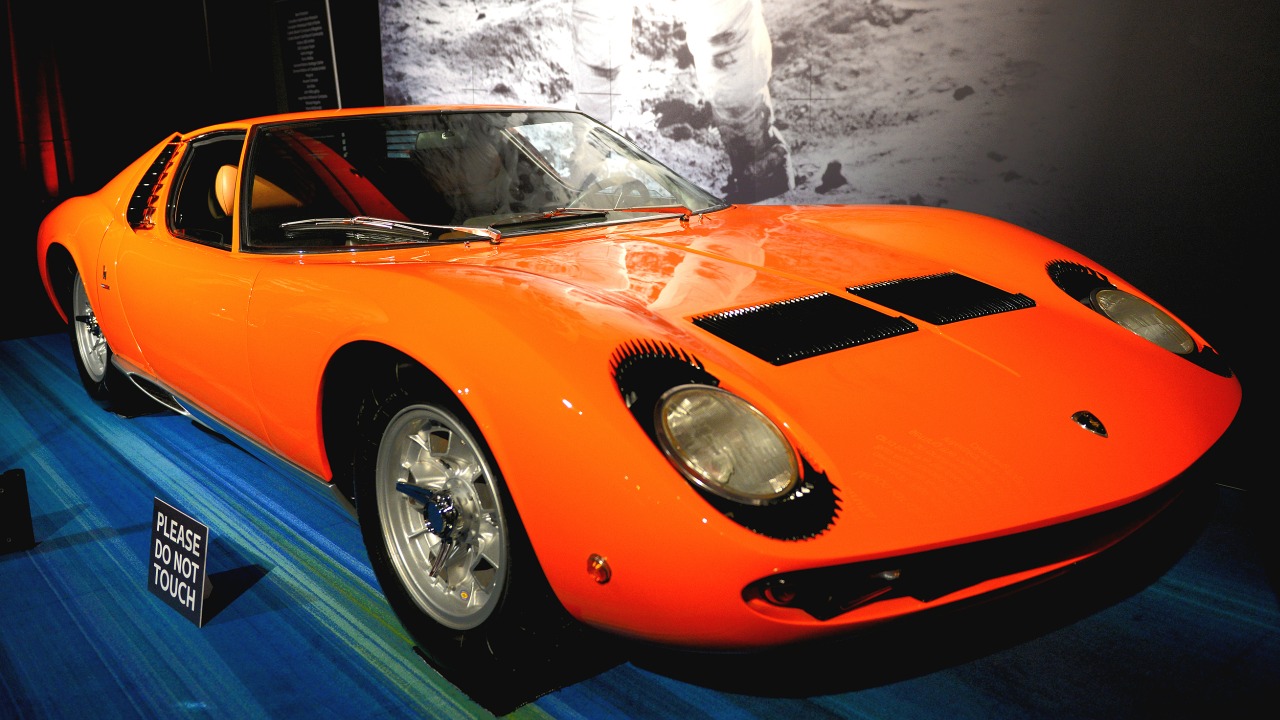
The 1966 Lamborghini Miura did not simply move the performance-car goalposts, it picked them up and planted them in a different stadium. By combining radical engineering, a racing-style layout and movie-star glamour in a car anyone could buy if they had the means, it created the template that modern supercars still follow. When people describe the Miura as the first true supercar, they are really acknowledging that it rewrote what a road-going performance car could be.
A radical layout that redefined performance
Before the Lamborghini Miura, fast road cars were usually front‑engined grand tourers that balanced speed with comfort. The Miura’s creators flipped that script by mounting a V12 engine transversely behind the driver, a configuration that had been seen in racing but not in a standard production road car. The P400 Miura used this mid‑engine layout to centralize mass and improve balance, which in turn transformed how a powerful car could corner and brake at high speed. According to Lamborghini’s own history of the model, the company installed its V12 in the Miura in 1966 and immediately created what it describes as the fastest standard production car of its time, with later versions reaching between 370 and 385 horsepower.
That engineering leap is why so many later commentators treat the Miura as the origin point for the supercar concept rather than just another fast coupe. The transverse‑mounted V12 behind the seats, highlighted in detailed retrospectives on the Lamborghini Miura, was revolutionary because it brought race‑car packaging to a road‑legal machine that a private buyer could register and drive to dinner. Later analyses of early supercars underline how this layout concentrated weight near the center of the car and signaled that outright performance, not practicality, was the priority. When I look at the way current mid‑engine flagships from multiple brands are configured, I see a direct line back to the Miura’s decision to put a big V12 where the rear seats might have been.
The first production car to wear the “supercar” label
Speed alone did not make the Lamborghini Miura historically important, but it did give journalists a simple way to explain what they were seeing. Contemporary coverage described the Miura as the fastest car in the world when it was released, a claim repeated in museum notes on a 1967 Lamborghini Miura that also call it the first car to be labeled a “Supercar” by the press. That language matters, because it shows that even at the time, observers felt they were dealing with something beyond the usual sports‑car category. The Miura’s combination of top speed, exotic engine placement and uncompromising focus on performance demanded a new word.
Later writers have reinforced that early judgment by explicitly calling the Lamborghini Miura the world’s first supercar and treating it as the benchmark against which later machines are measured. Detailed buyer and collector guides on the Miura emphasize that experts broadly agree on its status as the first supercar, while brand histories describe the P400 Miura as the first standard production supercar and frame 1966 as a crucial year for Lamborghini because of it. Even enthusiast discussions that debate the finer points of “firsts” tend to circle back to the Miura as the car that crystallized the idea of a road‑going machine built with race‑car priorities. When I weigh those accounts together, the pattern is clear: the Miura did not just fit a new label, it forced the language to evolve around it.
From tractor maker to supercar pioneer
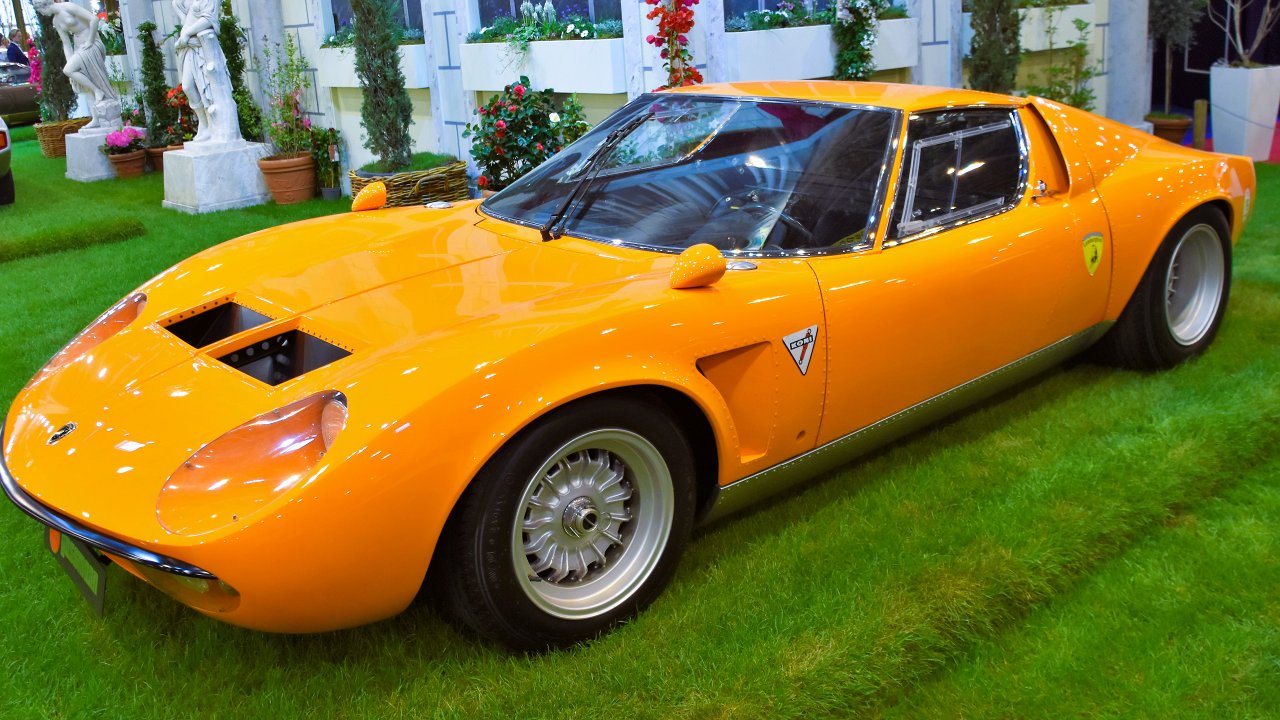
The Miura’s impact is even more striking when set against Lamborghini’s short history before it arrived. Ferruccio Lamborghini had founded his company to build refined grand tourers, not edgy racing specials, and early internal thinking favored technically advanced but comfortable cars that could rival established luxury brands. Background accounts of the Miura’s development note that Ferruccio Lamborghini originally wanted to avoid pure racing projects, preferring road cars that were fast yet civilized. That makes the decision to green‑light a radical mid‑engine V12 coupe all the more significant, because it represented a pivot from safe prestige to bold innovation.
Several origin stories of Lamborghini’s supercars trace this shift to a mix of ambition and rivalry, with the Miura project emerging as engineers pushed to show what the company could do when it stopped playing by grand‑tourer rules. Broader histories of Lamborghini’s entry into the world of supercars describe how the brand moved from building comfortable high‑performance cars to creating machines that prioritized speed, drama and advanced engineering. The Miura sits at the hinge of that narrative, transforming Lamborghini from an upstart luxury maker into a company synonymous with extreme performance. When I consider how firmly the brand is now associated with supercars, it is hard to imagine that identity without the Miura’s decisive break from its founder’s original caution.
Design drama that made speed glamorous
Even the most advanced engineering would not have reshaped the market if the Lamborghini Miura had looked ordinary. Instead, it arrived with a low, flowing body that turned its mechanical layout into visual theater, from the long, sculpted nose to the dramatic rear haunches that hinted at the V12 beneath. Contemporary and retrospective descriptions of the Miura repeatedly highlight its styling as a work of art, noting how the car’s proportions and details made it instantly recognizable. The design did more than please the eye, it broadcast that this was a different kind of performance car, one that treated aesthetics as an integral part of the experience rather than an afterthought.
That visual drama helped the Miura cross from engineering milestone to cultural object. Later analyses of how the Lamborghini Miura became a blueprint for modern supercars point out that its cultural impact extended far beyond the car world, with high‑profile owners and appearances that cemented its status as an icon. Brand retrospectives and collector‑car overviews describe the Miura as the birth of an icon and emphasize how its shape and presence influenced the look of later mid‑engine exotics. When I look at current supercars with their low noses, sculpted sides and engine displays under glass, I see echoes of the Miura’s decision to make performance visible and glamorous, not just measurable on a spec sheet.
The blueprint every modern supercar still follows
What ultimately makes the 1966 Lamborghini Miura feel like the origin of the modern supercar is how completely its formula has been adopted by the cars that followed. The core ingredients are now familiar: a powerful engine mounted behind the driver, a focus on top‑end performance, a dramatic body that signals exclusivity and a price that treats cost as secondary to spectacle. Analyses of early supercars that redefined the segment describe the Lamborghini Miura from 1966 to 1973 as a turning point because its transverse V12 and mid‑engine layout centralized mass and prioritized handling in a way that later supercars would copy. Detailed research hubs on the Miura frame it as the birth of an icon and trace how its engineering and design choices became standard practice for high‑end performance cars.
Modern commentators who examine how the Lamborghini Miura became the blueprint for supercars argue that its influence is visible in every mid‑engine flagship that came after, from its own brand’s later V12 models to rivals that adopted similar layouts and attitudes. Official brand histories that call the Miura the first standard production supercar, combined with museum notes that credit it as the first car to be called a “Supercar” by the press, show that both insiders and observers see it as the foundational reference point. When I line up those threads, the conclusion is straightforward: the Miura did not just participate in the birth of the supercar era, it defined the architecture, the language and the aura that still shape how we understand the fastest, most dramatic road cars today.
More from Fast Lane Only: