The automotive industry has always been filled with imitators.
When one manufacturer discovers a successful formula, competitors usually rush to create their own version. The muscle car boom of the 1960s produced countless examples of this phenomenon. The success of the GTO inspired rival performance cars. Popular pony cars sparked a flood of competitors. Even styling trends spread quickly from one brand to another.
Yet some vehicles proved surprisingly difficult to duplicate.
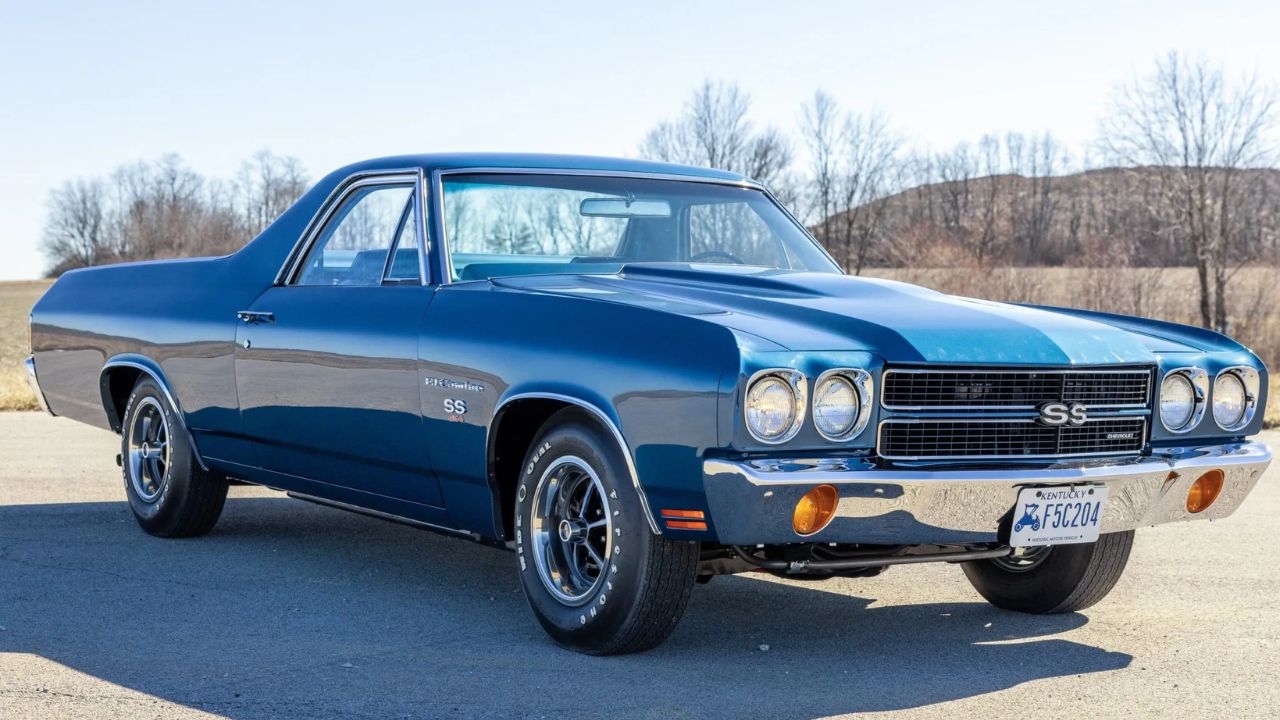
The 1970 Chevrolet El Camino was one of them.
On paper, the concept seemed straightforward. It combined the front half of a passenger car with the cargo bed of a pickup truck. That formula doesn’t sound particularly complicated, and several manufacturers attempted similar vehicles over the years. But the El Camino offered something unique that competitors consistently struggled to replicate.
It wasn’t simply a car.
It wasn’t simply a truck.
Most importantly, it excelled at being both without fully compromising either role.
By 1970, Chevrolet had refined the formula to a remarkable degree. The El Camino delivered comfort, performance, practicality, and style in a package that appealed to a wide range of buyers. While rivals occasionally challenged it, few ever matched its balance or cultural impact.
More than fifty years later, the 1970 El Camino remains one of the most distinctive vehicles of the muscle car era.
The El Camino Occupied a Unique Position
Part of the El Camino’s success came from its refusal to fit neatly into established categories.
Traditional pickup trucks emphasized utility. They were built primarily for work, often sacrificing comfort and driving refinement in favor of durability and cargo capacity. Passenger cars, meanwhile, focused on ride quality, convenience, and everyday usability.
The El Camino occupied the space between those worlds.
It offered a usable cargo bed while retaining the road manners of a passenger car. Owners could haul equipment, supplies, or recreational gear without giving up the comfort associated with a midsize Chevrolet.
That versatility attracted buyers who wanted more flexibility than a conventional car could provide.
At the same time, it appealed to people who found traditional trucks too utilitarian.
Chevrolet Benefited From the Chevelle Platform
One of the biggest advantages enjoyed by the 1970 El Camino was its foundation.
The vehicle shared much of its architecture with the highly successful Chevrolet Chevelle. This relationship provided immediate benefits in terms of ride quality, handling, styling, and overall refinement.
Unlike many pickup trucks of the era, the El Camino felt familiar to car buyers.
The driving experience resembled that of a midsize coupe or sedan far more than a work truck. Steering effort, ride comfort, and road behavior reflected the strengths of Chevrolet’s passenger-car engineering.
This made the transition easy for buyers.
People who might never have considered a traditional pickup often found the El Camino surprisingly appealing.
The 1970 Redesign Improved the Formula
The 1970 model year brought one of the most admired designs in El Camino history.
Chevrolet’s redesign of the Chevelle platform resulted in a vehicle with muscular proportions, sculpted body lines, and a more aggressive overall appearance. The El Camino benefited enormously from these changes.
Rather than looking like a compromised utility vehicle, the 1970 version possessed genuine visual presence.
The long hood, athletic stance, and carefully shaped bodywork gave it an appearance that blended style and practicality exceptionally well. Even people who had no need for a cargo bed often appreciated how the vehicle looked.
The redesign helped elevate the El Camino beyond mere functionality.
It became desirable.
Performance Options Made It Stand Out
Many utility vehicles focus almost exclusively on practicality.
The El Camino took a different approach.
Because it shared components with the Chevelle, buyers could order a wide variety of engines, including some of Chevrolet’s most respected performance powerplants. This transformed the El Camino from a useful hauler into a surprisingly capable performance machine.
Engine choices ranged from economical options to serious V8s capable of delivering impressive acceleration. Buyers seeking maximum excitement could even select versions equipped with big-block engines that rivaled the performance of contemporary muscle cars.
Few competitors offered anything comparable.
The ability to combine cargo capacity with genuine muscle car performance became one of the El Camino’s defining strengths.
It Appealed to Multiple Types of Buyers
One reason competitors struggled to match the El Camino’s success was the breadth of its appeal.
Most vehicles target a relatively specific audience. Pickup trucks attract truck buyers. Muscle cars attract performance enthusiasts. Family sedans attract practical consumers.
The El Camino crossed those boundaries.
Contractors appreciated its utility. Outdoor enthusiasts valued its cargo capacity. Performance fans admired the available V8 engines. Some buyers simply liked owning something different from what everyone else was driving.
This broad appeal made the vehicle remarkably versatile in the marketplace.
It solved problems for multiple groups simultaneously.
That is difficult for competitors to replicate.
Rivals Often Leaned Too Far in One Direction
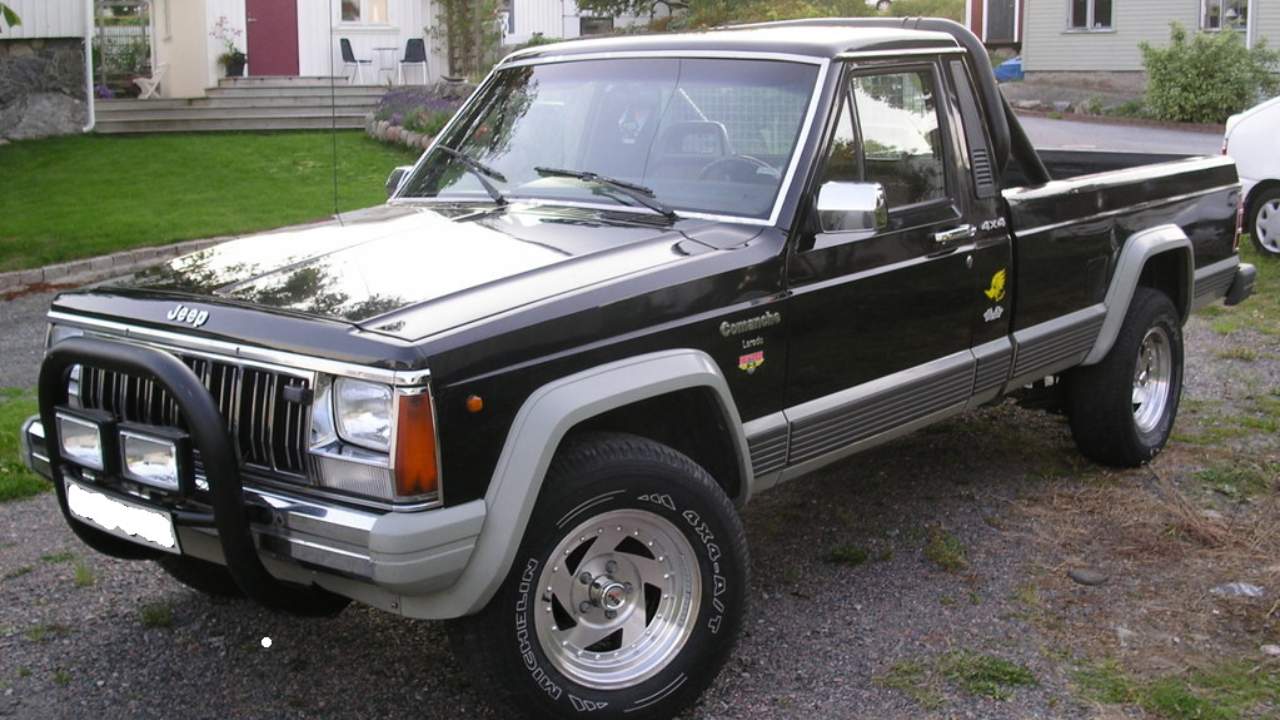
Several manufacturers attempted similar car-based utility vehicles over the years.
The most notable challenger was the Ford Ranchero, which competed directly with the El Camino for much of its existence. While the Ranchero enjoyed periods of success, neither it nor other competitors consistently matched the El Camino’s balance.
Part of the challenge involved finding the right compromise.
Some vehicles felt too much like trucks. Others seemed too much like passenger cars with cargo beds added as an afterthought.
Chevrolet managed to strike a middle ground.
The El Camino felt natural.
It embraced both sides of its personality without allowing either to dominate completely.
Styling Played a Major Role
Another reason the El Camino stood apart was styling.
Chevrolet’s design team treated the vehicle as more than a functional tool. The company understood that appearance mattered, particularly during the late 1960s and early 1970s when automotive design played such a significant role in purchasing decisions.
The 1970 El Camino looked sleek and athletic.
Its proportions worked surprisingly well despite the unconventional body style. The front end projected confidence, while the cargo bed integrated smoothly into the overall design.
Many competing vehicles struggled to achieve the same level of visual harmony.
The El Camino looked intentional rather than improvised.
That distinction mattered.
The SS Models Enhanced Its Reputation
The availability of Super Sport versions further strengthened the El Camino’s identity.
Performance-oriented SS models combined the practicality of the standard vehicle with the excitement associated with Chevrolet’s most respected muscle cars. Buyers could own a vehicle capable of hauling cargo during the week and delivering serious performance on the weekend.
This combination seemed almost absurdly appealing.
The idea that a utility vehicle could share showroom space with high-performance coupes helped create a unique image. The El Camino wasn’t limited by traditional expectations.
It could be whatever its owner needed it to be.
That flexibility became a major selling point.
It Reflected a Different Kind of American Thinking
The El Camino also succeeded because it reflected a uniquely American approach to automobiles.
The vehicle rejected rigid categories and embraced versatility instead. It assumed that buyers might want practicality and style, utility and comfort, performance and cargo capacity.
Many manufacturers struggled with this concept because they viewed vehicles through more conventional lenses.
Chevrolet embraced the contradiction.
The El Camino worked precisely because it wasn’t easy to define.
Its refusal to fit established categories became one of its greatest strengths.
Collectors Appreciate Its Uniqueness
Today, the 1970 El Camino remains highly regarded among collectors and enthusiasts.
Part of that appreciation comes from nostalgia. Part comes from styling. A significant portion, however, stems from the vehicle’s originality.
The El Camino represents an idea that feels increasingly rare.
It solved multiple problems at once without becoming overly complicated. It delivered practicality without sacrificing personality.
Modern enthusiasts continue admiring that balance.
The vehicle remains as distinctive today as it was in 1970.
The Vehicle That Refused to Choose
Looking back, the El Camino’s success becomes easier to understand.
Most vehicles ask buyers to make compromises. Choose comfort or utility. Choose performance or practicality. Choose style or function.
The El Camino refused to accept those limitations.
Instead, Chevrolet created a vehicle that offered a little bit of everything.
While competitors often focused on one strength, the El Camino succeeded by combining many strengths into a cohesive package.
More Than a Car and More Than a Truck
The 1970 Chevrolet El Camino became something competitors struggled to copy because it achieved a balance that few vehicles have ever matched.
Built on the Chevelle platform, available with powerful engines, styled like a muscle car, and equipped with genuine utility, it occupied a unique space within the automotive market. Rivals could imitate individual elements of the formula, but few captured the complete package.
The El Camino wasn’t the best truck.
It wasn’t the best muscle car.
It didn’t need to be.
Its brilliance came from being both at the same time.
That combination made it special in 1970.
And it’s exactly what makes it memorable today.
More from Fast Lane Only