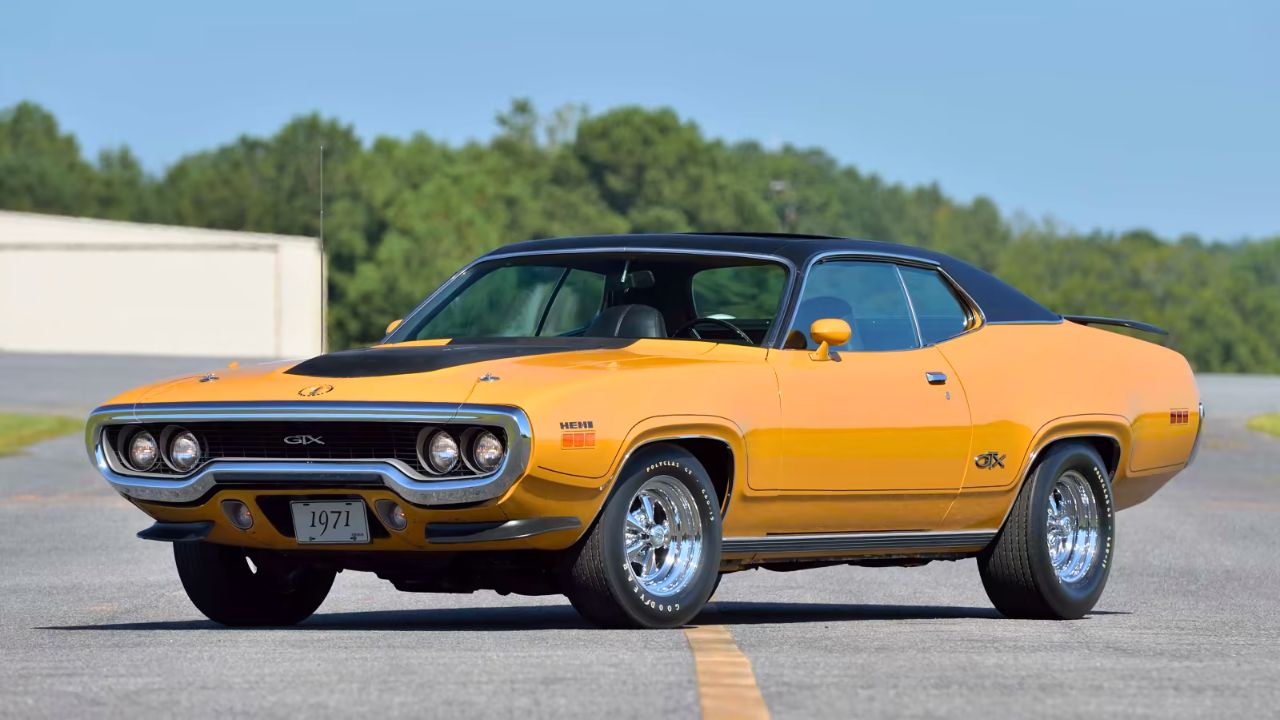
The 1971 Plymouth GTX tends to get lost in the shuffle when people talk about muscle cars. It didn’t have the flash of a ’Cuda or the pop culture pull of a Charger. But if you actually look at what it brought to the table—real power, serious engineering, and a level of refinement most of its rivals skipped—it deserves way more credit than it gets.
This wasn’t a car built to chase headlines. It was built for drivers who cared about how something felt behind the wheel. And that’s exactly why it still matters.
The 440 Didn’t Just Sound Good—It Moved

The 1971 GTX came standard with a 440-cubic-inch Super Commando V8 putting down 370 hp and 480 lb-ft of torque. This wasn’t a stripped-down muscle car trying to look tough—this thing had the hardware to back it up. For those who went full-send, the optional 426 HEMI pushed things even further with 425 hp.
People forget how consistent the 440 was. It had street manners but still pulled hard when you wanted it to. The torque came on early and didn’t fade, and that made the GTX a threat in real-world conditions—not just at the drag strip.
Styling That Didn’t Scream, but Still Hit Hard
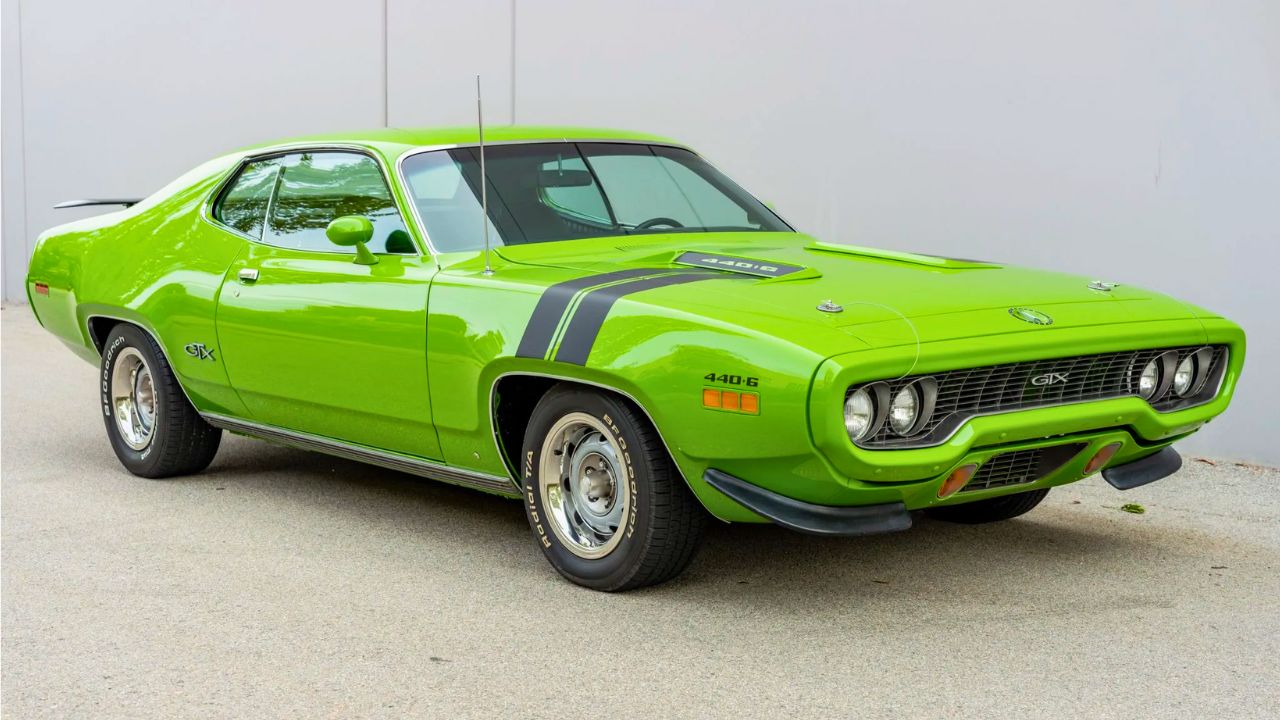
By 1971, Plymouth had moved away from the sharp lines of the late ’60s and leaned into the “fuselage” look. The GTX wore it better than most. The Coke-bottle curves, the wide grille, and the tucked-in rear—all of it gave the car a low-slung, muscular stance without going overboard.
It wasn’t trying to look like a cartoon. Even the hood scoops looked functional instead of flashy. It had presence without relying on stripes and stickers. And that’s probably why people overlooked it—it looked serious, not theatrical.
Suspension That Wasn’t Just There to Keep It Off the Ground

GTX models came with a heavy-duty suspension setup from the factory. That meant stiffer torsion bars up front, multi-leaf springs out back, and larger sway bars to keep the body in check. It wasn’t a corner-carver, but it also wasn’t a floater.
For a big-block car from the early ’70s, it tracked clean and stayed composed, especially compared to some of the wilder rides in the segment. It didn’t beat you up over rough roads, but it let you know it was connected. There’s a balance there that doesn’t get enough credit.
A Cabin That Didn’t Phone It In
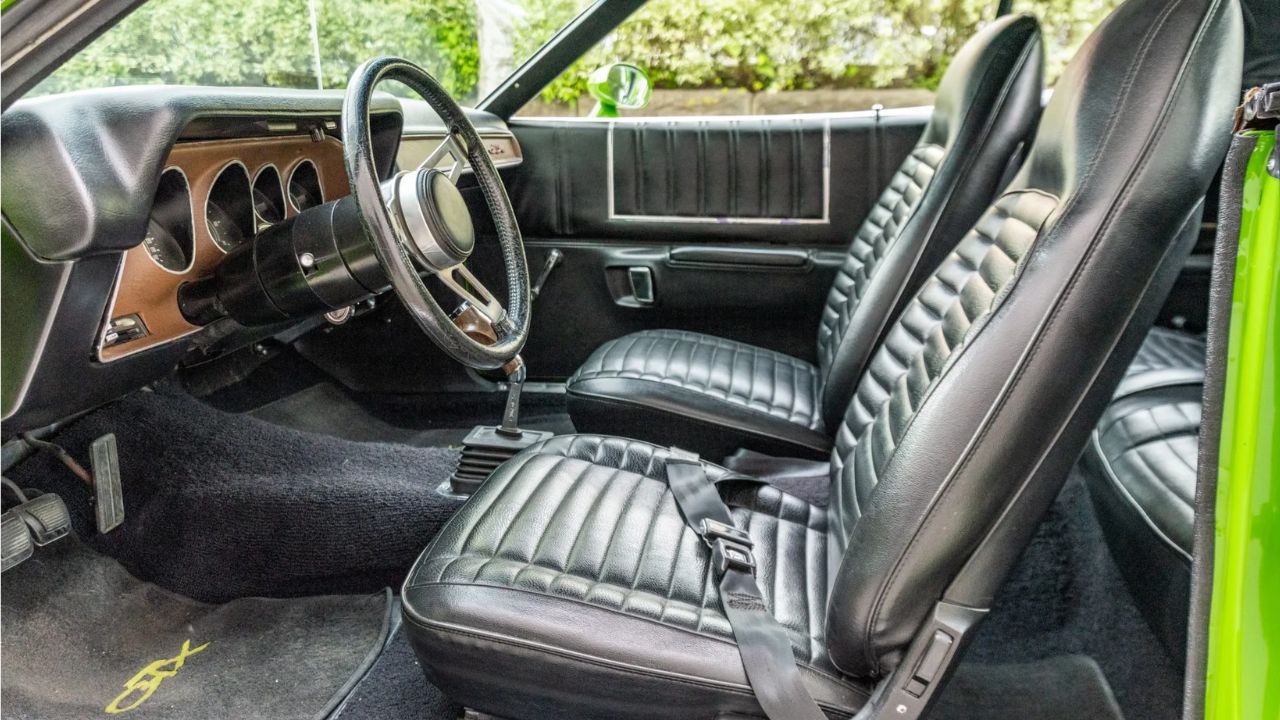
Step inside a ’71 GTX, and it’s clear Plymouth wasn’t cutting corners. High-back bucket seats came standard, and the dash had a clean, driver-focused layout with rally-style gauges. You got a center console with a slap-stick shifter if you spec’d the automatic, and the materials weren’t cheap-feeling either.
It didn’t have the overdone luxury of some competitors, but it felt solid. It was a place built to be driven, not just shown off. You could do a long haul in this thing without regretting it—and that’s more than you can say for plenty of its peers.
It Wasn’t Just Another Road Runner
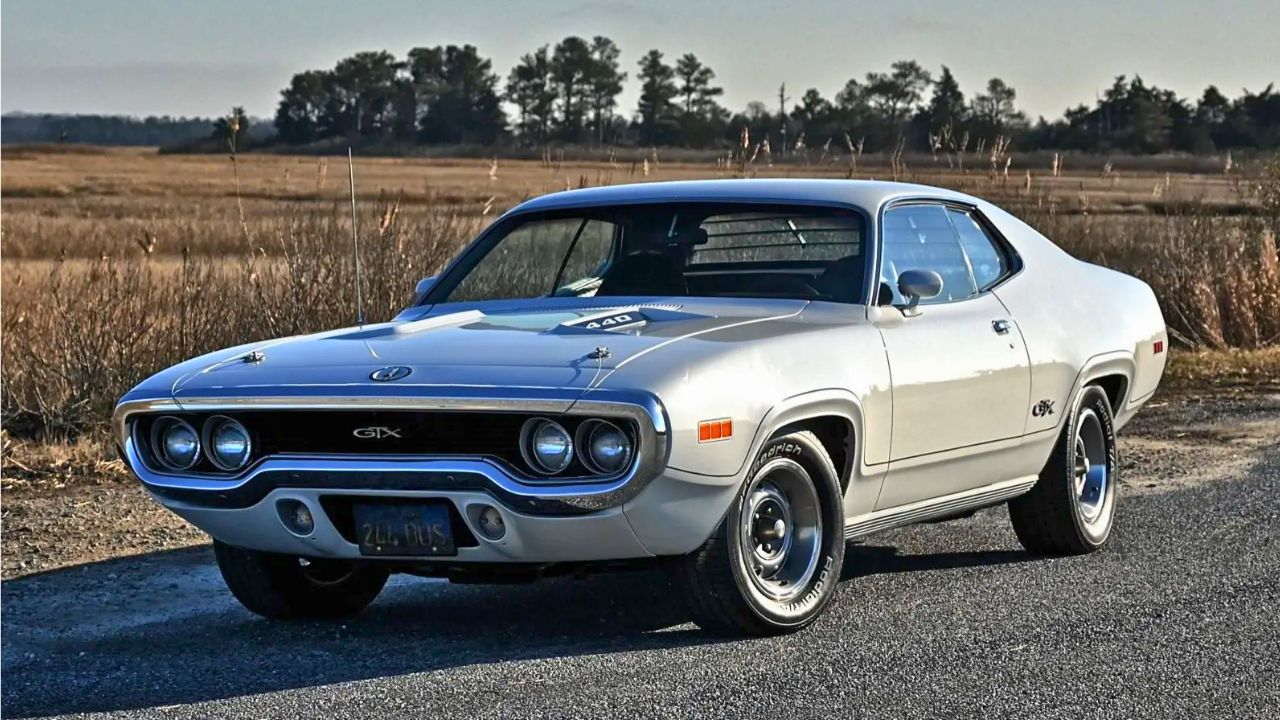
People lump the GTX in with the Road Runner, and yeah—they shared a lot. But the GTX wasn’t just a stickered-up version. It had a higher base price because it came with more: better trim, more sound deadening, and the 440 as standard, while the Road Runner started with a 383.
It was the grown-up muscle car. Still quick, still loud when you needed it to be—but it had more composure. And that made it less flashy, which unfortunately made it easier to forget. But there was substance under the smoother surface.
It Marked the End of an Era
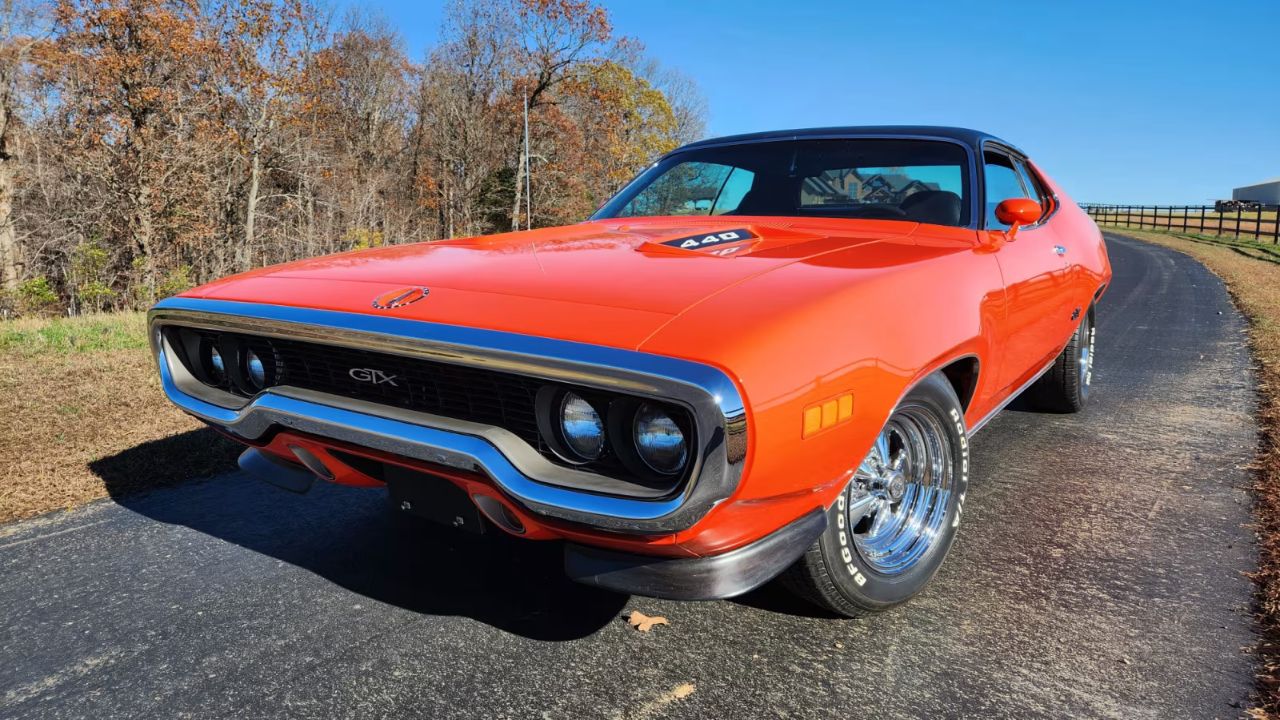
By 1971, the muscle car scene was already starting to wobble. Insurance rates were climbing, emissions standards were looming, and gas wasn’t cheap anymore. The GTX wasn’t just another car from that time—it was one of the last to show up with serious hardware before the party ended.
It showed up with big power, real structure, and none of the early ’70s gimmicks. There were no fake vents or comically oversized wings—just steel, torque, and a chassis that could take a hit. It was honest in a way the later cars wouldn’t be allowed to be.
The Performance Numbers Were Legit
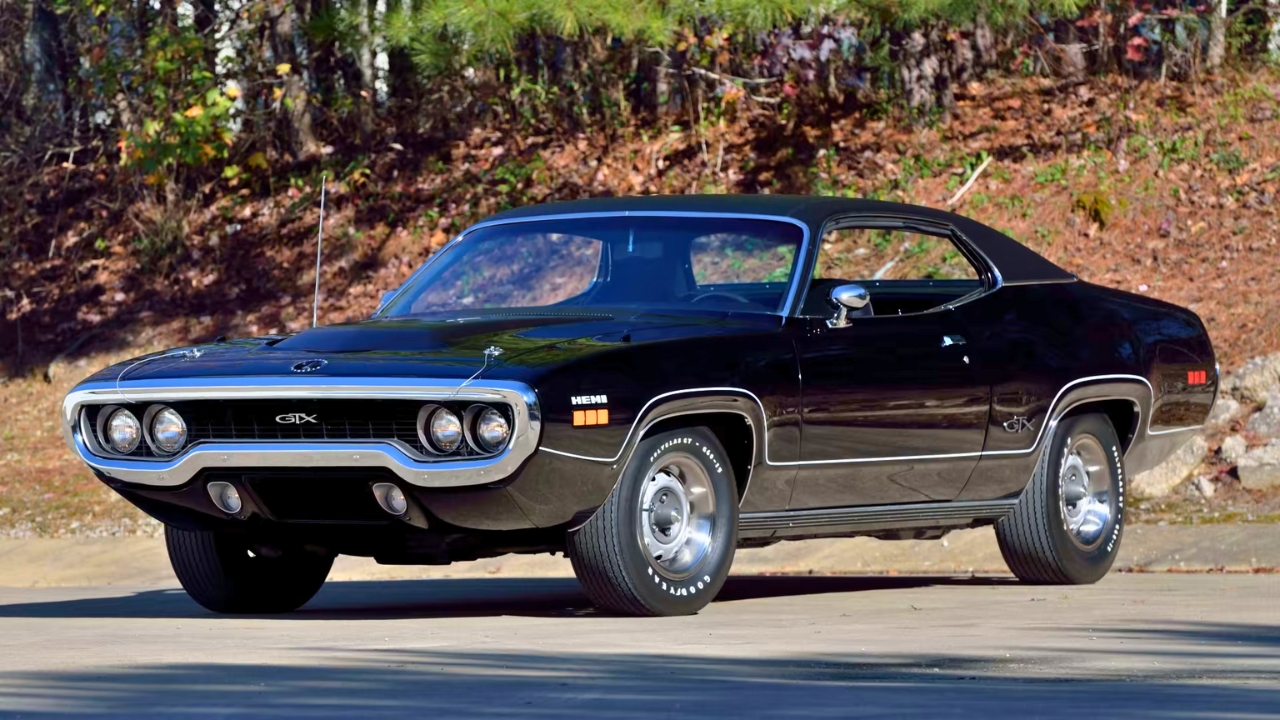
In Super Commando 440 trim, the GTX could hit 60 mph in around 6 seconds flat and run the quarter in the low 14s. With the HEMI, it could sneak into the high 13s. That wasn’t just quick for a full-size—it was fast for anything on the road at the time.
And it did it without feeling like it was falling apart. Plenty of muscle cars were quick once or twice, but they didn’t like to be pushed often. The GTX could do it all day and still drive home like nothing happened.
The GTX Didn’t Rely on Hype
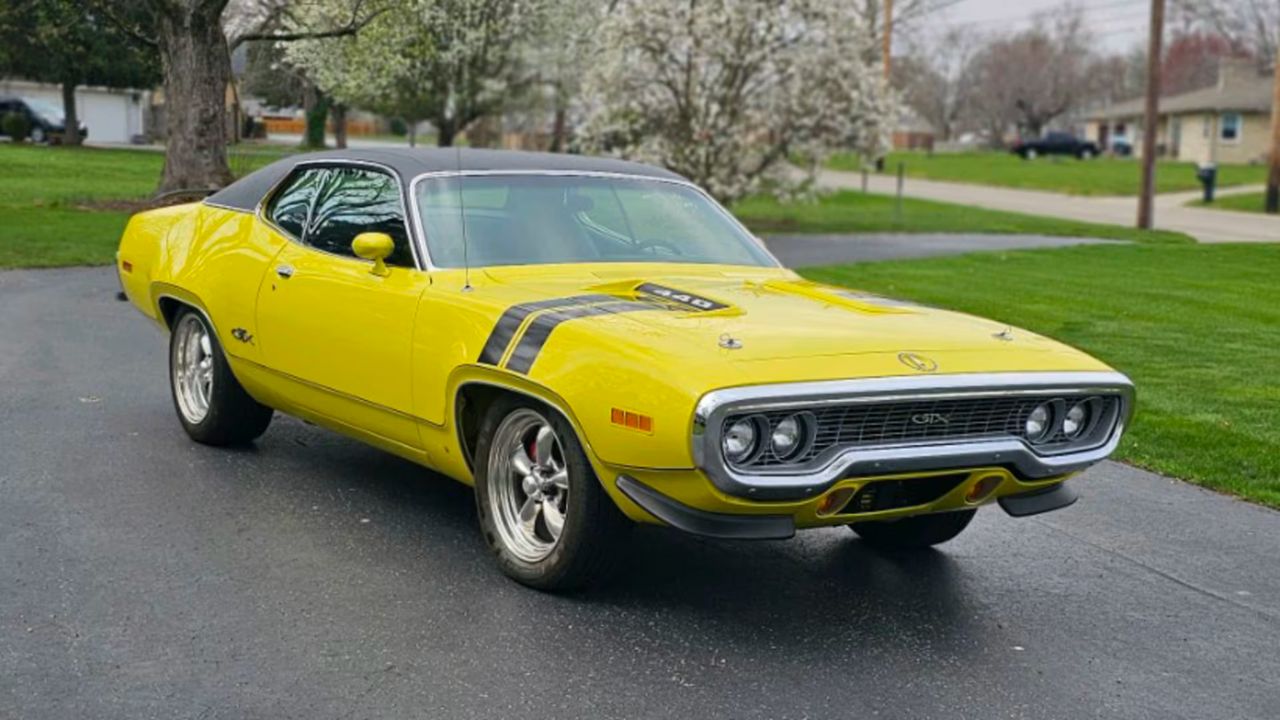
Some muscle cars needed the magazines to tell their story. The GTX just showed up and did its job. It didn’t have a catchy mascot, and it didn’t chase the youth market with wild names or pop-culture tie-ins. It was a serious car for people who wanted performance without the noise.
That lack of hype probably hurt it in the long run. It didn’t become a poster. But if you were around when they were new, or if you’ve ever driven one, you get it. It was real in a way a lot of the flashier stuff wasn’t.
Even Today, It’s Still Undervalued
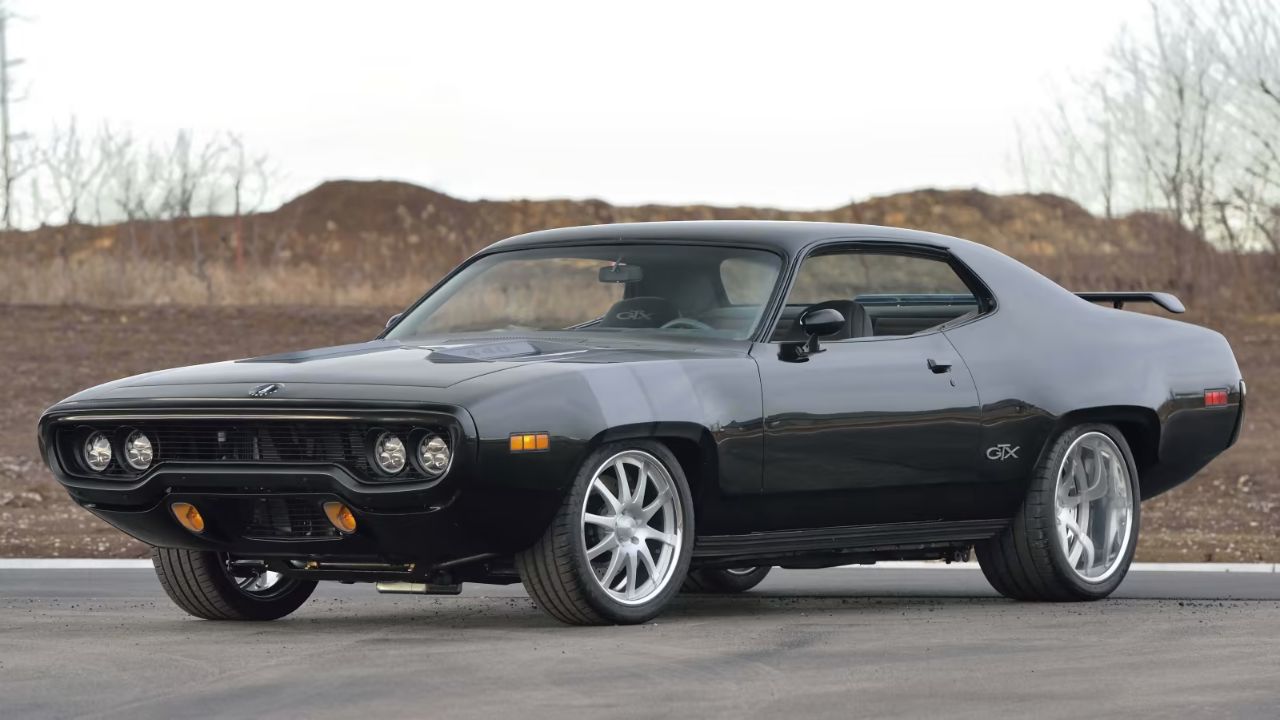
Compared to its peers, the GTX still flies under the radar in collector circles. Prices haven’t hit the stratosphere like the HEMI ‘Cudas or Boss Mustangs, even though performance-wise, it plays in the same league. That’s either a missed opportunity—or a chance.
For people who know what they’re looking at, the GTX is still one of the best ways to get into serious classic muscle without paying brand-name premiums. And once you’ve got one, you don’t really need to explain it to anyone. You just show up and let the car speak for itself.
Respect Is Long Overdue
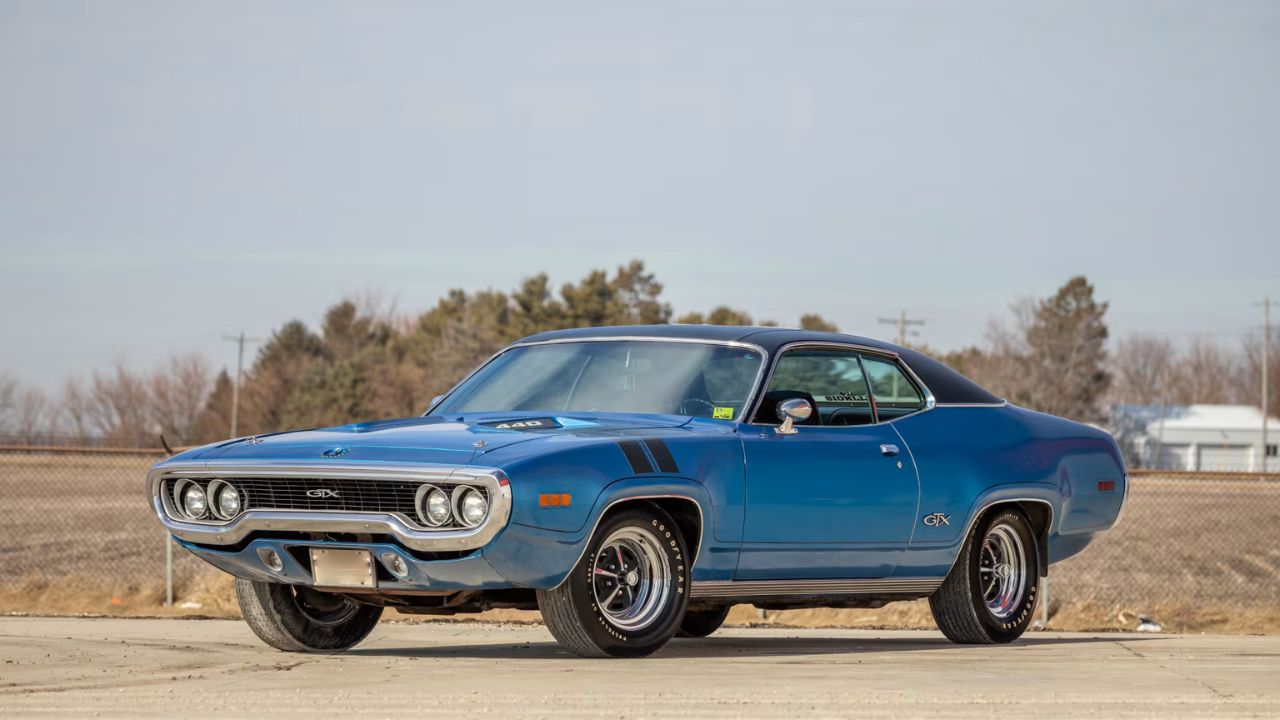
The ’71 GTX doesn’t need a PR campaign—it needs more people to look past the obvious choices. It’s not the car that got all the attention back then, and it still gets passed over now. But in terms of power, balance, and style, it held its own.
It wasn’t trying to be the fastest or the loudest—it just showed up ready. And maybe that’s why it didn’t get the love. But the truth is, the 1971 GTX deserves to be in the same conversation as the big names. It always did. It’s just time more people noticed.
*This article was hand crafted with AI-powered tools and has been car-fully, I mean carefully, reviewed by our editors.