The story of muscle cars often centers on Mustangs and Camaros, but there were plenty of other models that flew under the radar—and yet had real punch when you pinned the throttle. These aren’t the poster cars you see on every wall; they’re the ones that delivered honest power, solid handling, and a few surprises in their engineering.
In this article, we’re shining a light on ten of those sleepers—from hidden gems of the late ’60s straight through the sleeper hits of the ’80s and ’90s. You’ll get specs on engines, chassis setups, suspension tweaks, and cockpit details that show why these cars still earn respect whenever they roll out. Buckle up for a tour of muscle’s underappreciated side.
1970 AMC Rebel Machine
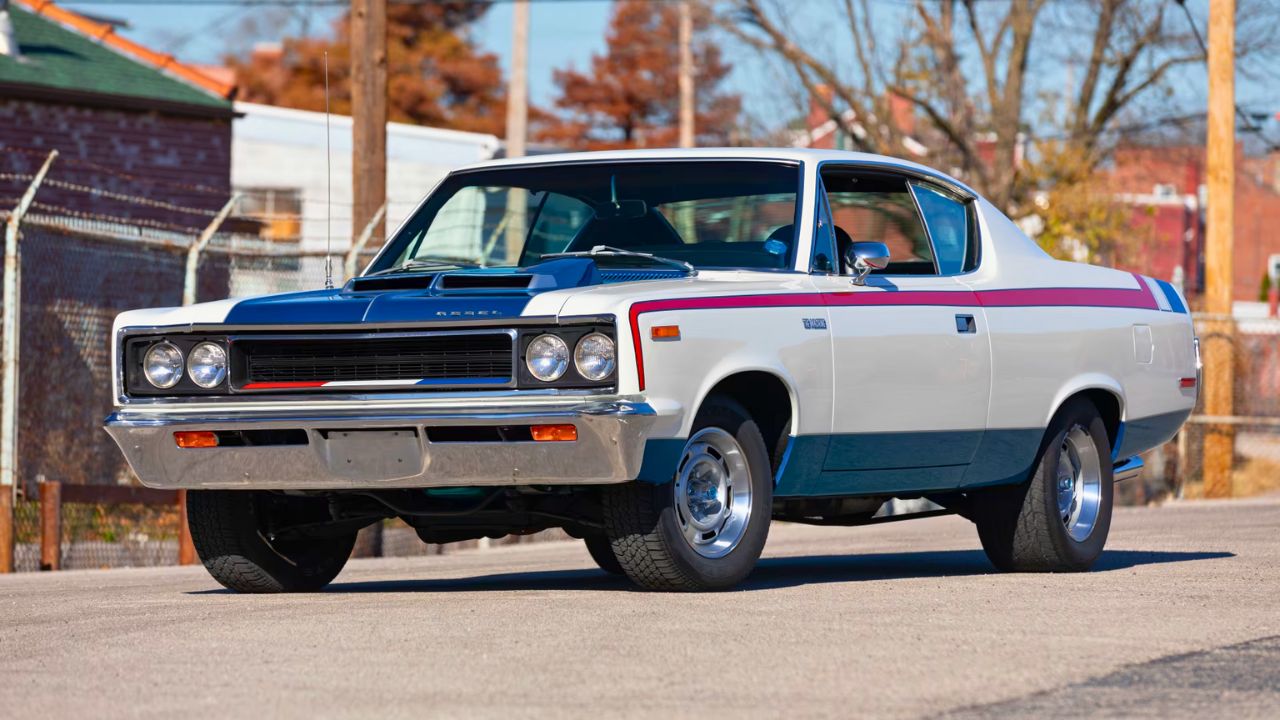
AMC wasn’t a usual suspect in the muscle car world, but the Rebel Machine made a case. It came with a 390-cubic-inch V8 making 340 hp and 430 lb-ft of torque. That power went through a beefed-up suspension and handled better than its size suggested.
The Machine was built with drag-strip intentions. It came standard with a 3.54 rear gear, optional 4-speed manual, and even had a functional Ram Air scoop. Inside, it was stripped down—just a bench seat and a no-nonsense dash, all business. It ran 14s from the factory, and it was loud about it.
1970 Chrysler 300 Hurst
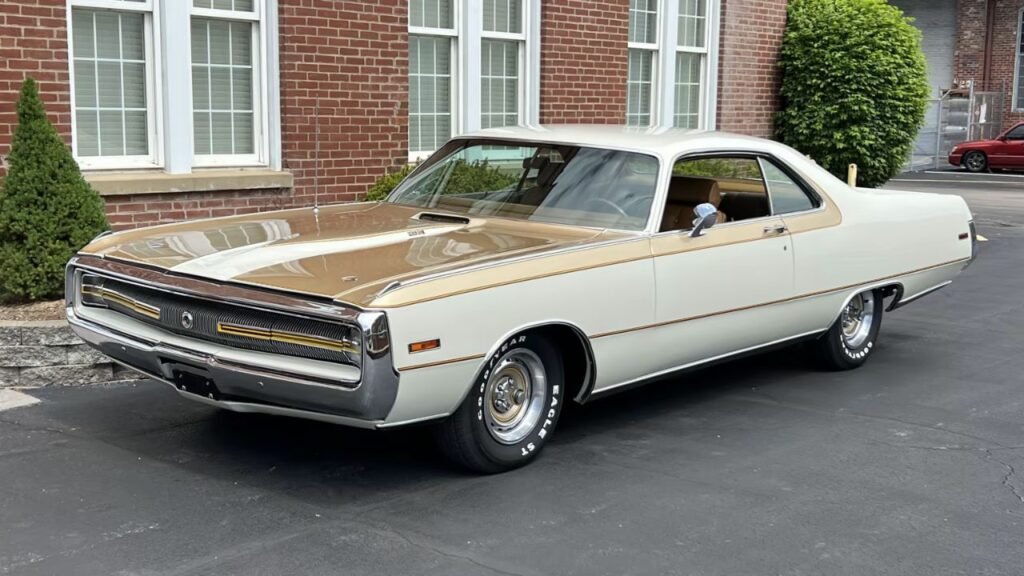
This thing was more muscle yacht than muscle car—but it moved. Built in collaboration with Hurst, the 300 came with a 440-cubic-inch TNT V8 pushing out 375 hp. At nearly 4,200 lbs, it wasn’t light, but it wasn’t soft either.
Chrysler gave it firm torsion bar suspension up front and leaf springs out back. The 300 Hurst was fitted with a unique fiberglass hood, spoiler, and Hurst badging. Inside, you got leather buckets and a console shifter. It was built in tiny numbers, but it could still run the quarter mile in the mid-15s with ease.
1969 Mercury Cyclone CJ

The Cyclone CJ packed Ford’s 428 Cobra Jet under the hood, and it wasn’t shy about it. Rated at 335 hp, it was widely known to be underrated. The car used beefier suspension components and stiffer springs than the regular Comet models, giving it more grip and less wallow.
It was stripped of frills—no fancy interiors or excessive trim. Just a tach, vinyl buckets, and a 4-speed option to keep things interesting. It was fast, honest, and not as common as a Torino or Mustang, which makes it easy to overlook now—but it ran just as hard.
1973 Pontiac Grand Am 455
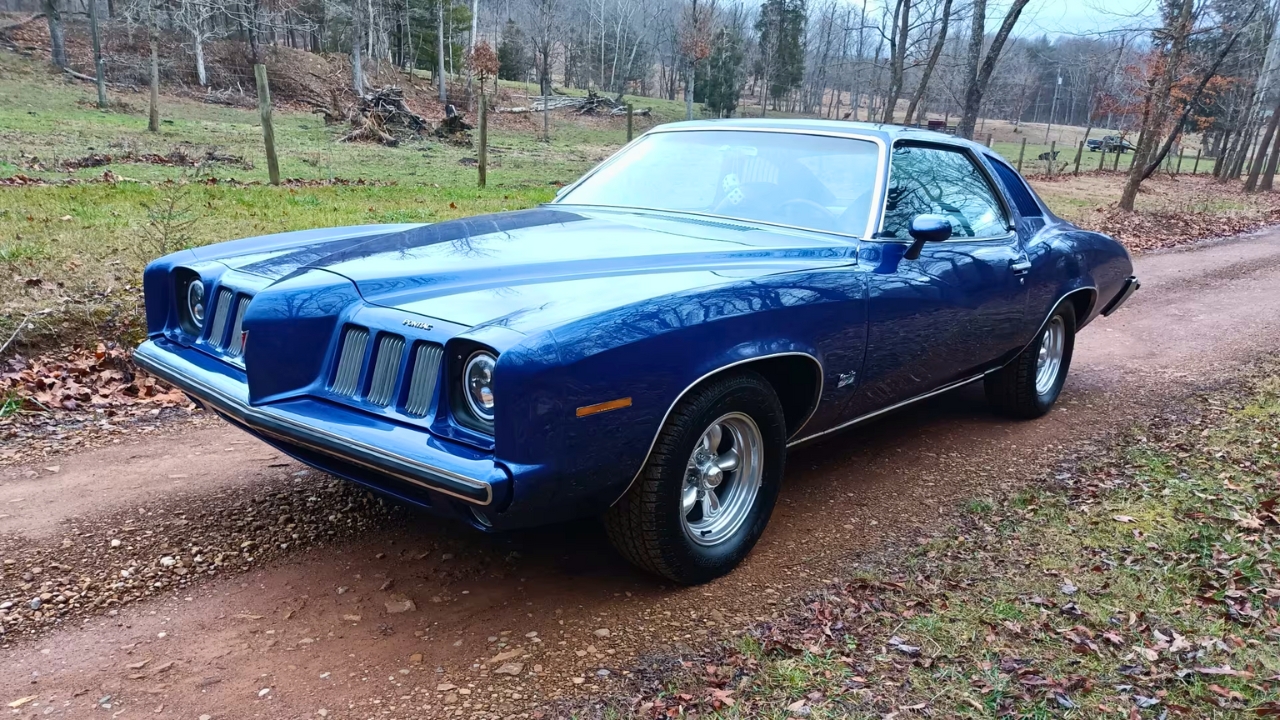
By ’73, most muscle cars were getting neutered, but the first-year Grand Am still had teeth. The optional 455 HO made 250 net horsepower and over 370 lb-ft. It came with Radial Tuned Suspension—firmer springs, beefed-up sway bars, and tighter steering.
Inside, it felt more like a European sport sedan than a classic muscle coupe. You got a wraparound dash, thick-rimmed wheel, and deeply bolstered seats. The front end’s split grille and the NACA ducts on the hood gave it attitude, even if Pontiac was trying to aim upscale. It was sleeper muscle with a little refinement.
1971 Ford Torino GT 429 Cobra Jet

People remember the Torino, but the 429 CJ version is often skipped over in favor of Bosses and Mach 1s. The 429 CJ came with 370 hp and 450 lb-ft of torque. With the optional Drag Pack, you got a 3.91 rear axle and a solid-lifter cam.
The suspension had stiffer front coils and rear leafs, plus a larger front sway bar. It wasn’t a small car, but it handled itself well in straight-line work. It had a functional hood scoop and proper gauges inside—not luxury, but not bare bones either. Under the radar, but no slouch.
1974 Chevrolet Nova SS 350
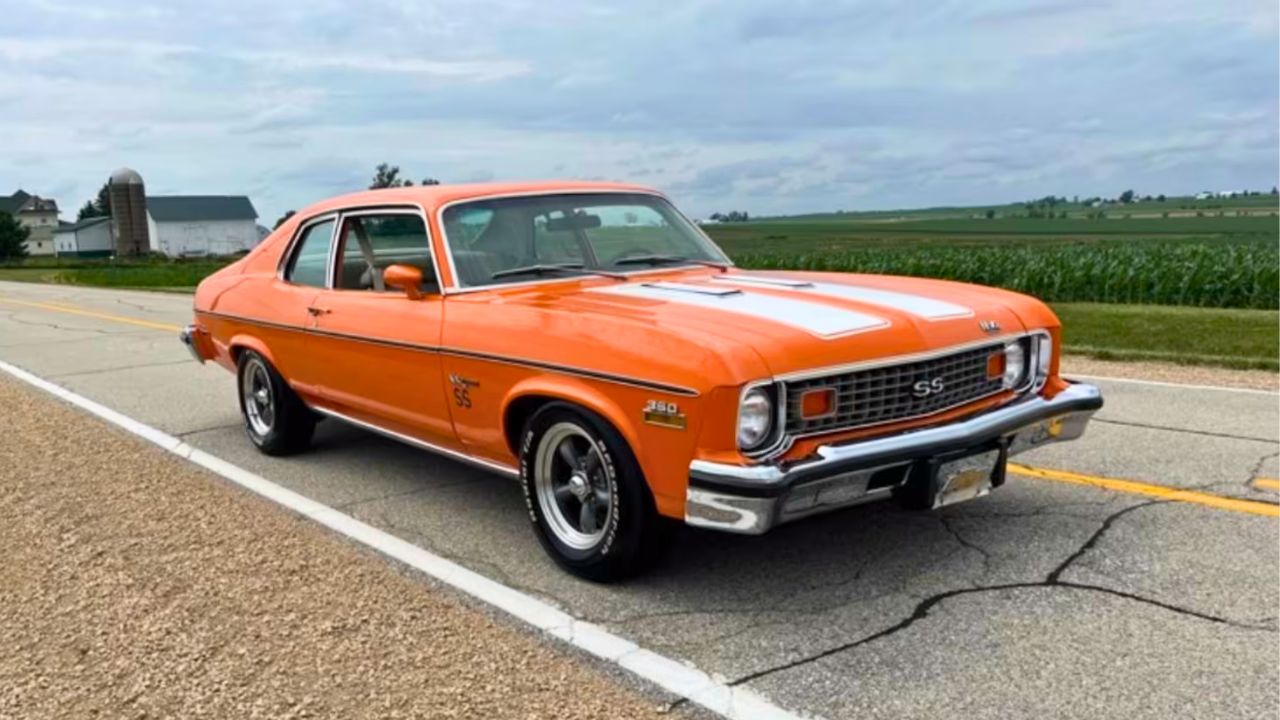
By ’74, the SS badge didn’t mean what it used to—but the Nova SS with the L48 350 still had something to offer. It made 185 net hp, which sounds tame until you remember the Nova’s lighter curb weight and better balance.
It used a unibody chassis with independent front suspension and rear leaf springs, and you could spec it with a 4-speed manual. The interior was basic but functional, with bucket seats and a center console option. It wasn’t glamorous, but it moved better than you’d think—especially in a time when most others had already lost their edge.
1987 Buick GNX
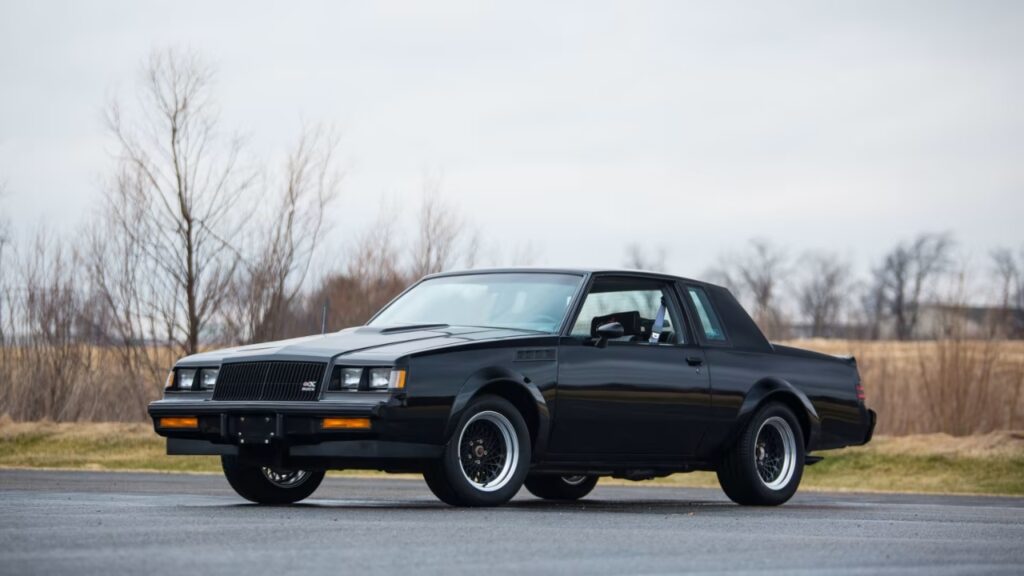
The GNX wasn’t about raw displacement. It ran a turbocharged 3.8L V6 making 276 hp and 360 lb-ft—numbers that beat most V8s of its day. It ran 0–60 in under 5 seconds, thanks in part to a trick rear suspension setup from McLaren.
The GNX used a 4-link rear with a Panhard bar and torque arm for better traction under load. Inside, it looked like a standard Regal—cloth buckets, analog gauges—but under the surface, it was a factory hot rod. Only 547 were built, and it had zero business being that fast in 1987.
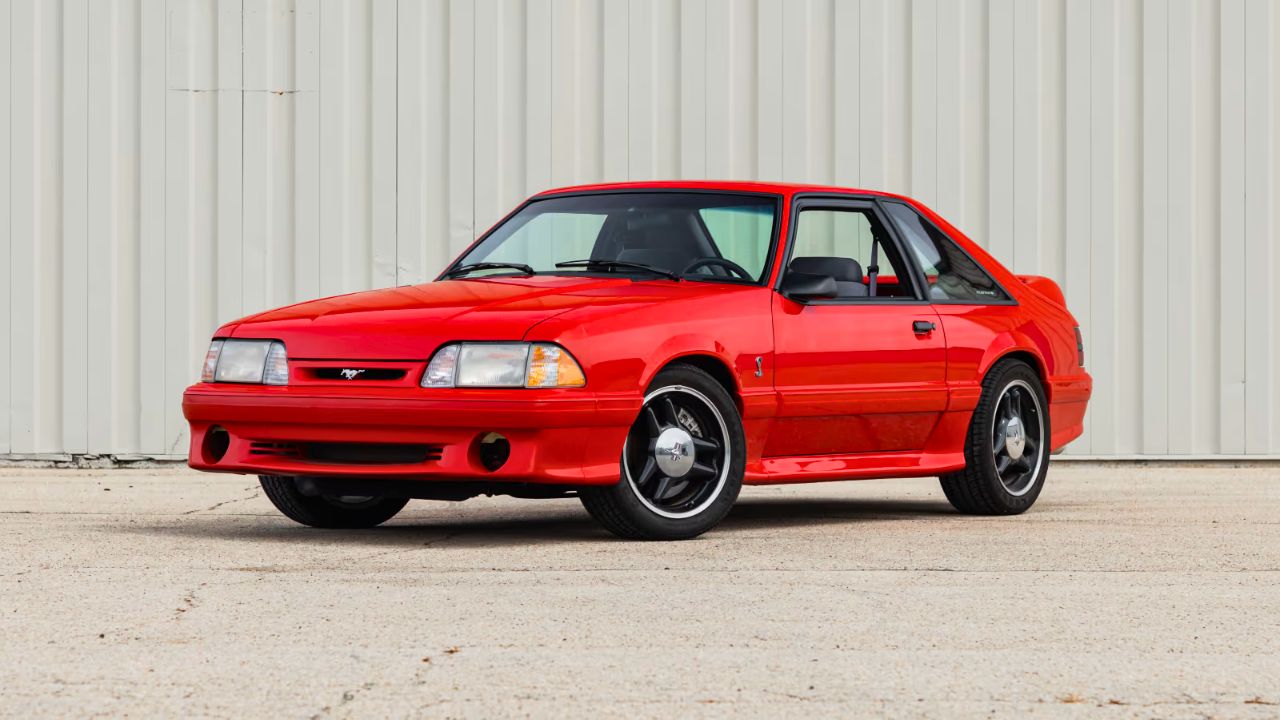
1993 Ford SVT Cobra

The ‘93 Cobra was the swan song for the Fox Body. It used a tweaked 5.0L V8 making 235 hp and 280 lb-ft, paired with GT40 heads, a revised intake, and a beefier cam. It also came with upgraded suspension and rear disc brakes.
The steering was quicker, and it rode on 17-inch wheels—big for the time. Inside, you got bolstered sport seats and unique Cobra badging. It wasn’t the fastest Mustang ever, but it was sharp and responsive. Today it gets forgotten under the newer Cobras, but it held the line when muscle was barely hanging on.
1991 Chevrolet Camaro Z28 1LE

The 1LE package wasn’t meant for showrooms—it was meant for track use. It came with a 5.7L TPI V8 making 245 hp and 345 lb-ft of torque. More importantly, it had upgraded suspension: Koni shocks, thicker sway bars, and stiffer bushings.
There was no A/C, no fog lights, and no fancy trim—just weight savings and go-fast parts. The 1LE also got four-wheel disc brakes with aluminum calipers, a rare setup at the time. It’s one of the few third-gen Camaros that actually backed up its looks with real hardware and wasn’t just a cruiser.
1994 Pontiac Firebird Formula LT1

The Formula LT1 flew under the radar next to the flashy Trans Am, but it packed the same Corvette-sourced 5.7L V8. Rated at 275 hp and 325 lb-ft, it was no slouch. Mated to a 6-speed manual and limited-slip rear, it could rip off 0–60 runs in the low fives.
It had less visual drama—no body kits or wings—but that made it lighter and cleaner. You still got sport suspension, 16-inch alloys, and four-wheel disc brakes. Inside, the basics were there—decent bolsters, analog gauges, and nothing to distract from the driving. Quietly quick, and a real performer.
*This article was hand crafted with AI-powered tools and has been car-fully, I mean carefully, reviewed by our editors.