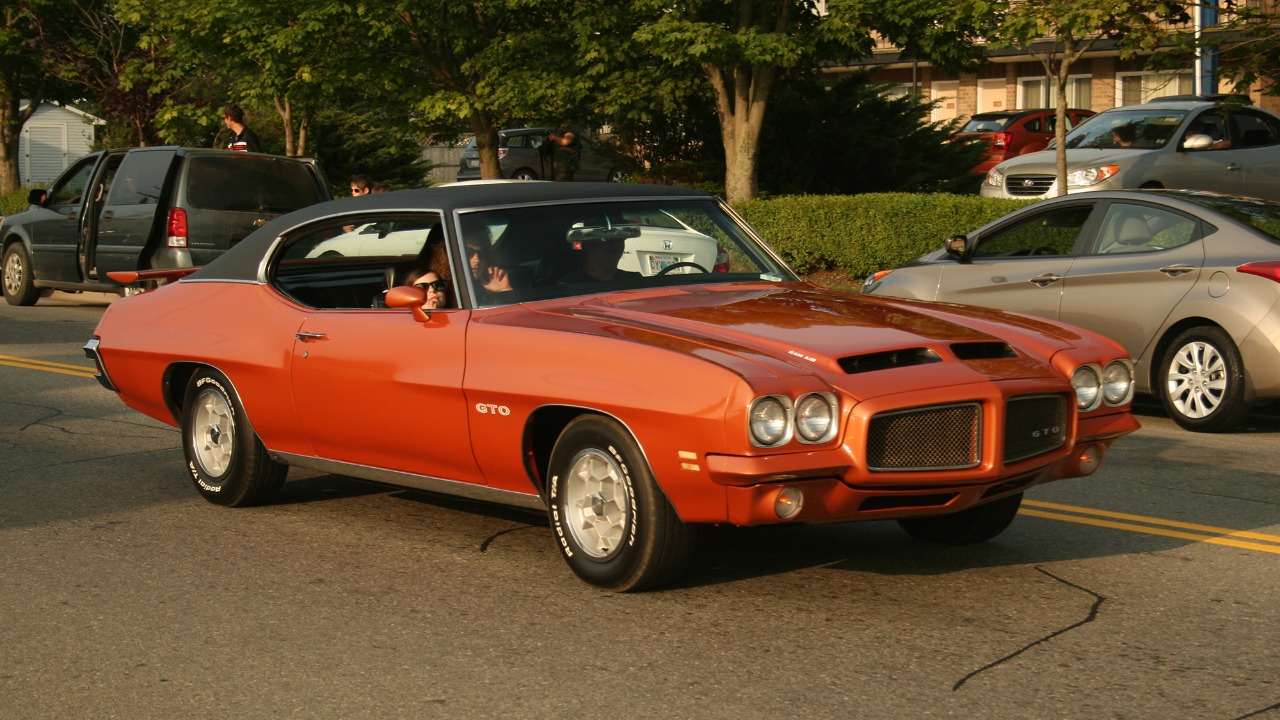
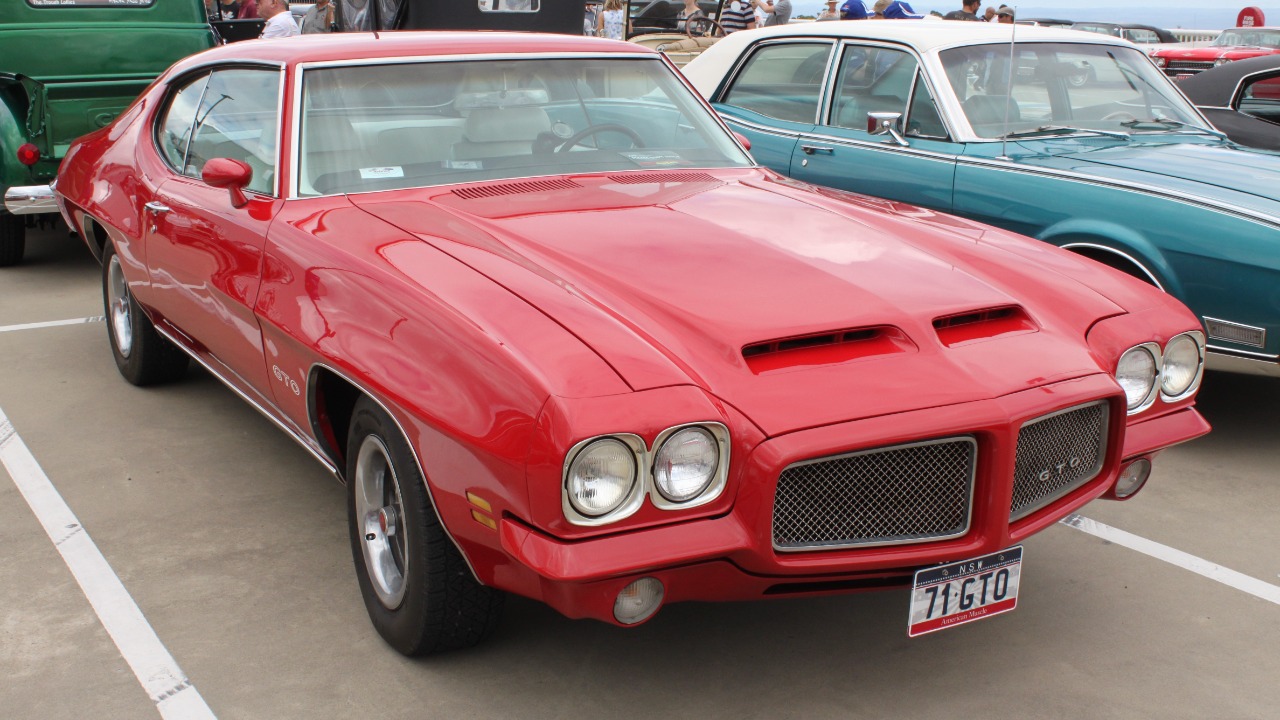
The 1971 Pontiac GTO arrived just as the original muscle car formula was starting to unravel, and it shows in every line of its story. Power was still on the brochure, but new rules, new fuel, and a new mood in Detroit were already reshaping what performance meant. When I look at that model year, I see the moment the GTO stopped defining the era and started reacting to forces it could not outrun.
To understand why that specific GTO feels like a turning point, you have to set it against the car’s own legend and the pressures closing in around it. The 1971 version still tried to sell speed and swagger, yet it was built in a world suddenly worried about emissions, insurance, and safety in a way the original never had to face. That tension between image and reality is exactly what makes it the quiet bookend to the classic muscle age.
From street sleeper to symbol under pressure
The Pontiac GTO did not start life as a nostalgia piece, it started as a rule breaker. In the mid 1960s, Detroit was officially cautious, with Detroit and its own Corporate bosses trying to play it safe while younger buyers wanted something louder and faster. The team that created the GTO, later celebrated in Pontiac GTO History, essentially slipped a big engine into a midsize body and turned a sensible coupe into a rebel. That is where the “From Street Sleeper” part of the story comes from, a car that looked almost ordinary but could embarrass more expensive machinery.
By the time enthusiasts were talking about the GTO as an Icon, the formula had been copied across the industry. The original Here in 1964, often shortened to “64 G” in enthusiast shorthand, had shown how quickly a bold idea could reset expectations. Pontiac GTO fans watched as the car grew more aggressive through the late 1960s, with All the classic cues of the muscle era piling on. By 1970, the GTO was near its peak in raw performance, which only makes the shift that followed into 1971 feel more abrupt.
Regulations, fuel, and the slow choke on power
What changed around the GTO was not just taste, it was law. The federal Clean Air Act of 1970 marked what one account calls the first real beatdown of classic performance cars, and it did not take long for that to show up in spec sheets. Everyone wanted cleaner air, but the quickest way to get there with 1970s technology was to lower compression, detune engines, and bolt on early emissions hardware that robbed power. For a car built on the promise of effortless acceleration, that was a direct hit to its identity.
At the same time, the government was turning its attention to what was coming out of the tailpipe in other ways. As evidence about the danger of lead in the atmosphere, especially to children, piled up, the EPA and regulators around the world began pushing hard for unleaded fuel. That shift forced companies like General Motors to prepare their engines for no-lead gasoline, and Due to the growing demand for more vehicle regulations, GM put new policies in place that softened the GTO’s once ferocious character. By 1971, the car was already losing some of its appeal to customers who remembered how wild it had been just a few years earlier.
Insurance, safety fears, and the culture turning away
Regulators were not the only ones closing in on muscle cars, the insurance industry was running its own numbers. As the early 1970s unfolded, underwriters saw a spike in serious and fatal accidents involving high powered machines, and they responded with punishing premiums. One analysis of why the muscle era faded points to how, in the early 1970s, rising rates and concerns about fatal accidents featuring these cars made them harder to justify as daily drivers. When a teenager’s dream coupe suddenly cost more to insure than to buy, parents and buyers started looking elsewhere.
Those same reports trace the roots of the muscle boom back to earlier performance legends like the Oldsmobile Rocket 88, which helped define American V8 excitement long before the GTO. The Performance Specifications of that car’s V8 Engine set a template that later machines like the 1964 GTO would follow. By the time writers were listing out Pontiac GTO Performance Specifications and comparing every new model’s Engine output, the culture had already started to worry about the downside of so much accessible speed. That shift in mood is part of why the 1971 GTO, even with strong performance on paper, felt like it was swimming against the tide.
Sales slide and the GTO’s shrinking footprint
Numbers on the showroom floor told the same story the regulations and insurance tables were hinting at. By 1972, GTO sales had plummeted, and the car was increasingly treated as a trim level rather than the star of the lineup. One account of the 1973 model, described as the GTO (Pontiac GTO) Competes With Grand Am By sharing its Colonnade body, notes how volume fell from 5,807 units in 1972 to just 4,806 in 1973. Those are not the figures of a car leading a movement, they are the numbers of a nameplate being quietly shuffled to the side.
Looking back from that vantage point, the 1971 GTO feels like the last time Pontiac still tried to present the car as a pure performance flagship rather than a package on a more comfort oriented platform. Enthusiasts sometimes point to later years, but even sympathetic histories admit that by the mid 1970s the formula had changed. One summary of the broader muscle decline notes that 1974 was the last year of the GTO and that the car closed out the era with a 350 V8 that was a far cry from the wildest engines of the late 1960s. By then, the GTO name was more about nostalgia than about setting the pace.
The 1971 GTO’s legacy and the myth that followed
When the last classic Pontiac GTO rolled off the line in 1974, the legend did not fade, it grew. One later road test of the reborn 2004 model notes that it had been three decades since that final mid 1970s car left the factory and that in the years since, the GTO’s reputation had swelled to almost mythic proportions. That myth tends to compress the timeline, turning every late 1960s and early 1970s car into one big blur of burnout smoke, but the 1971 model sits at a very specific crossroads between the wild early days and the compromised end.
For me, that is why the 1971 GTO feels like the end of an era even though the badge technically survived a few more seasons. It was the first version built fully in the shadow of new emissions rules, looming unleaded fuel, and a culture that was starting to question whether unfiltered horsepower was worth the cost. By the time writers were asking Why Did The Muscle Car Era End and walking through How the mighty fell, the 1971 car stood out as the moment the GTO still looked like the old hero but was already living by new rules. That tension, between image and reality, is exactly what makes it such a poignant marker of where the classic muscle story stopped and something more complicated began.
More from Fast Lane Only: