The 1978 Volkswagen Scirocco arrived at a moment when drivers were being told to choose between fun and frugality, and it quietly refused to accept that trade. By wrapping sharp styling, light weight, and clever packaging around modest engines, it showed how a sporty economy car could feel aspirational without drifting into excess. I see that year as the point when Volkswagen’s rakish coupé stopped being a niche curiosity and started to redefine what everyday performance could look like.
From Karmann Ghia successor to sharp‑edged style icon
Volkswagen did not invent the affordable coupé with the Scirocco, but it did give the formula a distinctly modern twist. The car was conceived as the successor to the curvy Karmann Ghia Coupé, and the first production version arrived in 1974 as a front‑engine, front‑drive hatchback with a fastback roofline that felt perfectly in step with the era’s move toward practicality. Official material describes the original Scirocco as the car that followed the Karmann Ghia Coup, and that lineage matters, because it shows how Volkswagen was trying to carry over the idea of a stylish two‑door while updating everything underneath.
By the time the 1978 model year rolled around, that basic shape had settled into something instantly recognizable, yet it still did not look like a typical Volkswagen. Commentators have pointed out that the first generation was trendy but “didn’t look like a Volkswagen,” with details like the slim grille and lamps that did not wrap around the fender edges giving it a cleaner, more international feel than the brand’s upright sedans of the time. That observation about the first‑generation Scirocco helps explain why the car resonated with younger buyers who wanted something that looked like it belonged in design magazines as much as in commuter traffic.
“Sporty harbinger” on a sensible platform
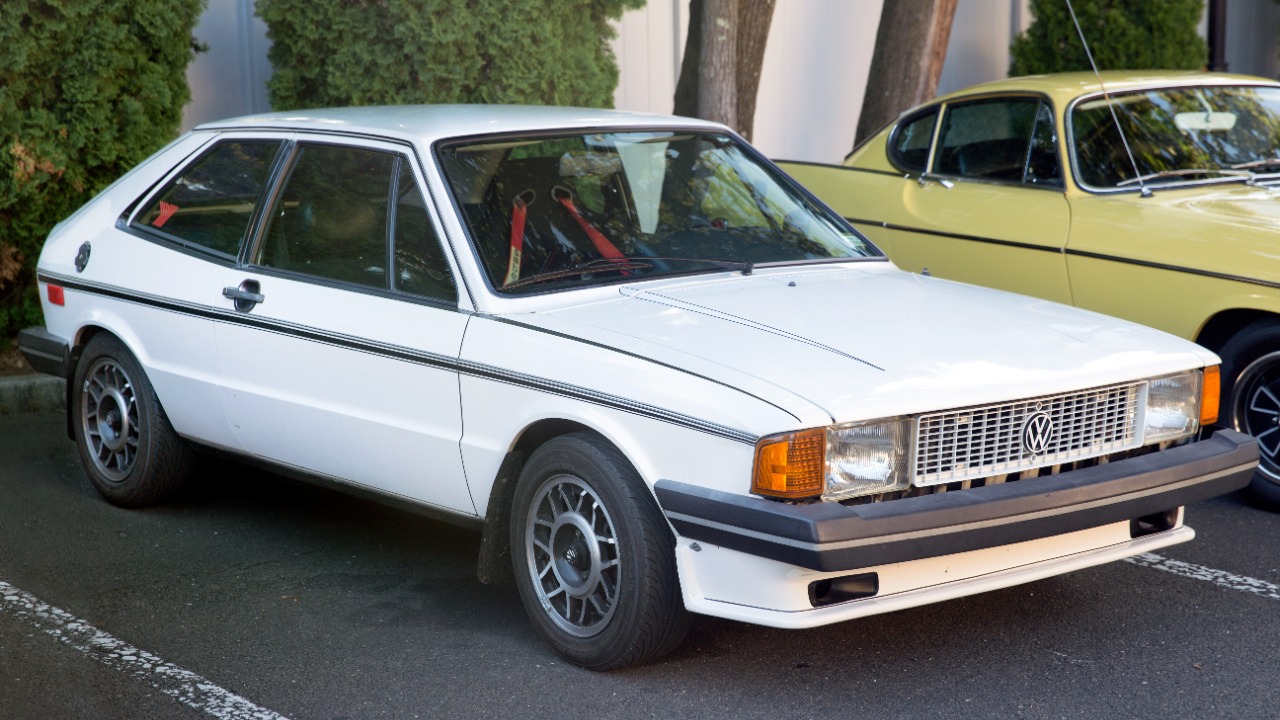
Underneath that wedge‑like body, the Scirocco was built on the same basic architecture that would underpin the Golf, which meant transverse engines, front‑wheel drive, and a focus on space efficiency. Volkswagen’s own description of the early coupé calls it a “Sporty harbinger” and uses the slogan “Scirocco. A sports coupé in top form.” to underline that this was meant to be more than a dressed‑up economy car. That positioning is clear in the way the Sporty Scirocco borrowed the Golf’s sensible layout but tuned the suspension and styling toward drivers who cared about how a car felt on a winding road.
What fascinates me about the 1978 version is how it sharpened that balance. In North America, the Scirocco arrived after its European debut, giving Volkswagen time to refine the package for buyers who were still wary of small imported cars. Reporting on the model notes that the 1975 to 1978 USA cars used a four‑speed manual transmission, with later years bringing some fuel economy improvements. That detail about the North America USA specification underscores how the company leaned on simple, robust hardware to keep the car affordable while still promising a more engaging drive than a basic hatchback.
1978: the year the sporty economy brief clicked
By 1978, the Scirocco’s formula had matured into something that felt cohesive rather than experimental. Period brochure copy for that year leans heavily on the idea that “Practicality, power and performance” could coexist in one sleekly styled package, and it is hard to miss how deliberately that phrase tries to bridge the gap between sensible and exciting. The description of the 1978 Scirocco Practicality makes it clear that Volkswagen wanted buyers to see the car as a daily driver first, with the low nose, hatchback tail, and folding rear seats all working to justify the coupé choice to anyone who might otherwise have bought a sedan.
At the same time, the performance side of the equation was evolving quickly. Enthusiast coverage notes that Volkswagen introduced the Scirocco to Europe for 1974, just before the release of the Golf, and that engines grew through 1.7 liters by 1981, giving the lightweight body more punch without sacrificing efficiency. That progression, described in detail in a look back at how Volkswagen Scirocco Europe for evolved, shows how the 1978 car sat at a sweet spot: powerful enough to feel lively, yet still tuned around the fuel‑conscious mindset that defined the decade.
GTI spirit, without GTI thirst
One of the most intriguing aspects of the late‑seventies Scirocco is how closely it tracked the emerging hot‑hatch movement without fully joining it. Enthusiast retrospectives on the model point out that the GTI version arrived in the summer of 76, and that the Golf had to wait until the autumn to get the same treatment. That timing, highlighted in a review of the GTI Golf story, suggests that Volkswagen saw the coupé as the natural place to debut its sportiest hardware, using the Scirocco as a kind of rolling laboratory for the blend of performance and practicality that would later define the GTI badge.
By 1978, even non‑GTI Sciroccos benefited from that development work, with chassis tuning and gearing that made the most of modest power. The car’s reputation as one of the coolest designs of its era has only grown, with one retrospective singling out 1974 as the year of the Volkswagen Scirocco and arguing that the Scirocco was based on the Mk1 Golf platform but arrived earlier than the hatchback, with some observers going so far as to say Volkswagen has not created anything prettier. That praise for the Aug Volkswagen Scirocco The Scirocco helps explain why the 1978 model, which refined rather than reinvented that shape, still feels like the purest expression of the sporty economy idea.
How the 1978 Scirocco still shapes our idea of “cool” efficiency
Looking at the Scirocco’s later life makes the 1978 car’s influence even clearer. When Volkswagen revived the nameplate for a third generation, designers leaned on a rounder body with a large tailgate, but the basic mission of mixing style and usability remained intact. The official description of Scirocco III The notes how the modern version still used a big hatch to keep the coupé practical, a direct echo of the priorities that shaped the 1978 original.
Contemporary comparisons between newer and older versions underline how enduring that template has been. A group test of a new Volkswagen Scirocco 1.4 versus an old 1.4 notes that while the updated model’s figures are not as enticing as the ones made by the previous version, the refreshed car’s redesigned and upgraded head and tail lights keep it visually sharp. That verdict on how While the numbers changed but the attitude stayed familiar could just as easily describe the shift from the late‑seventies cars to later hot hatches, and it reinforces my sense that the 1978 Scirocco set the tone for how Volkswagen would talk about efficient performance for decades.
The 1978 Scirocco in today’s enthusiast imagination
Spend any time around classic‑car meets and you will see how strongly the 1978 Scirocco still resonates with people who care about driving. Video tours of surviving cars, like one that walks around a 1978 example and calls it a lesson in automotive cool, linger on the crisp beltline, the low hood, and the way the cabin feels airy despite the coupé roof. That kind of attention to the Oct Shurocco details shows how the car’s mix of modest size and confident stance continues to appeal in an era of oversized crossovers.
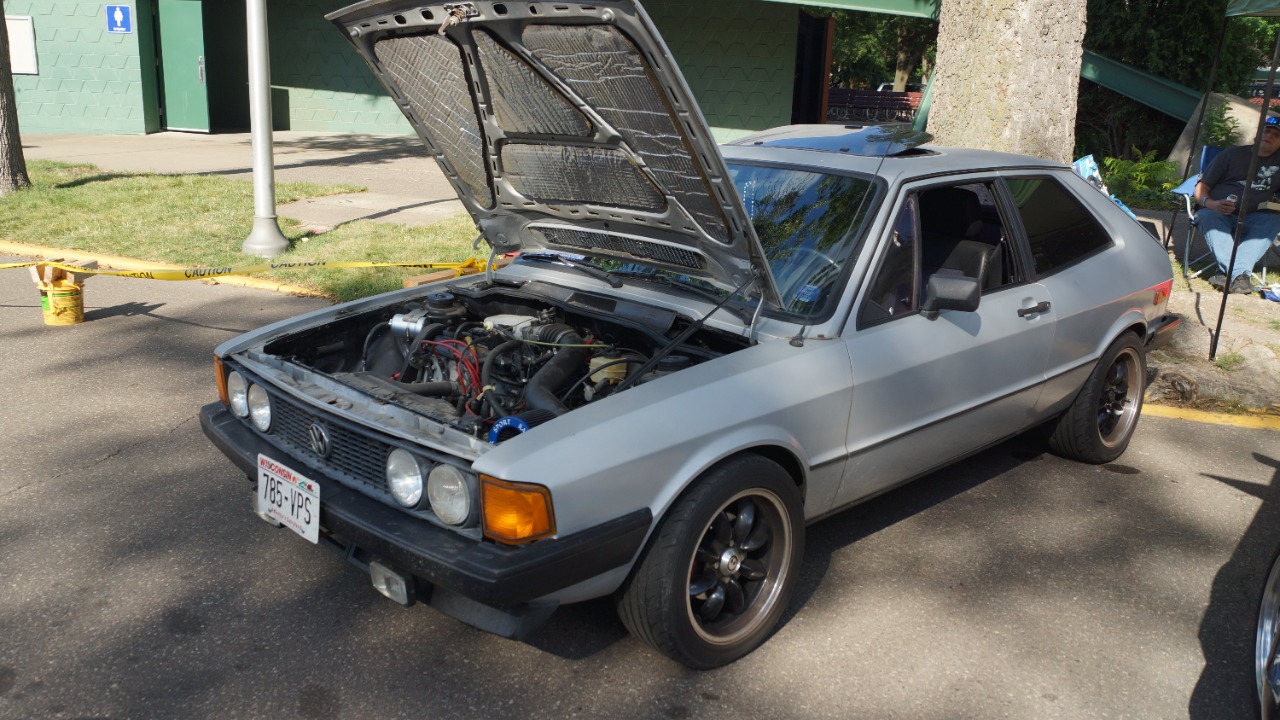
At the wilder end of the spectrum, builders have turned the humble 1978 shell into a canvas for serious performance. One widely shared project showcases a custom 1978 Volkswagen Sarraco with R32 VR6 power, introduced as the ultimate VW restomod build and proudly identified as a 78 before the hood is even opened. That transformation of a Oct Volkswagen Sarraco into a modern‑powered track weapon underlines how robust the original concept was: a light, practical body that can handle far more power than its designers ever imagined, yet still carries the same visual lightness that made the 1978 Scirocco such a compelling answer to the question of how sporty an economy car could be.
More from Fast Lane Only: