The 1986 model year did not just bring back a familiar body style, it marked a carefully calculated return for a car that had skipped a year and then gone nearly a decade without a soft top. After the gap in the early 1980s and the long absence of a factory ragtop, Chevrolet used 1986 to prove that its sports car could be both more advanced and more traditional at the same time. I see that moment as a pivot point, when engineers, marketers, and fans finally pulled in the same direction again.
The strange gap that set up a comeback
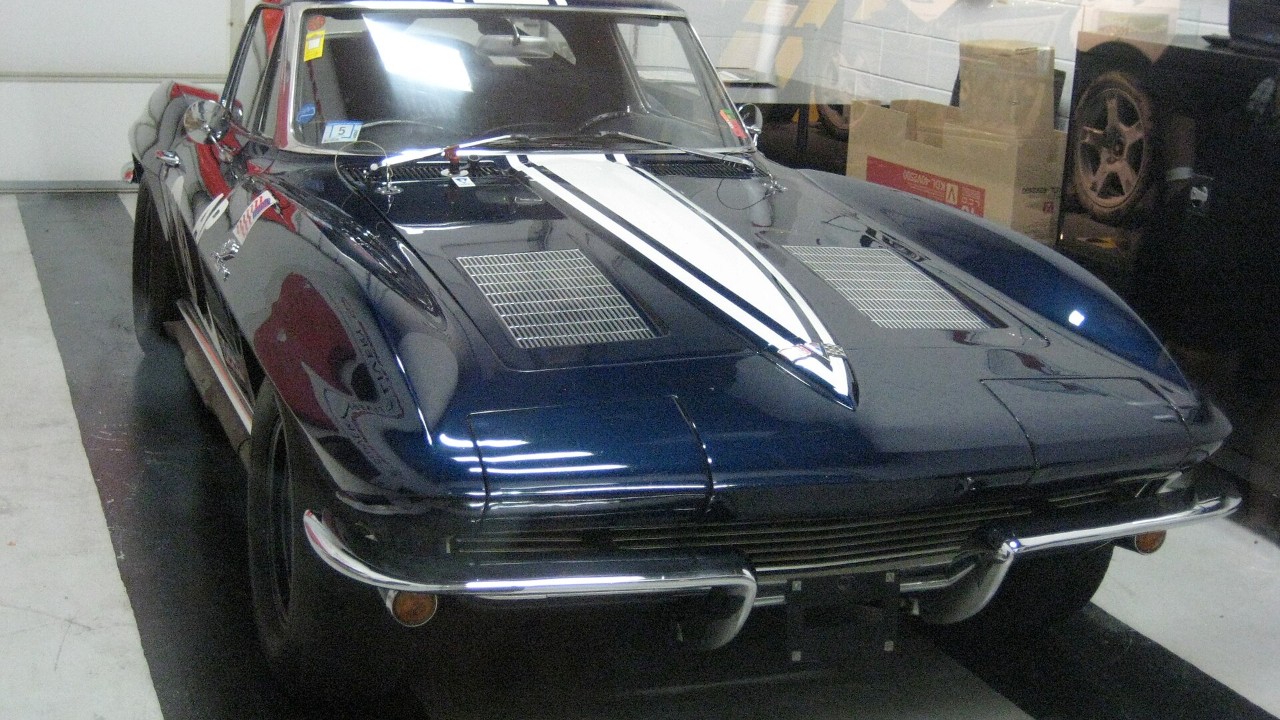
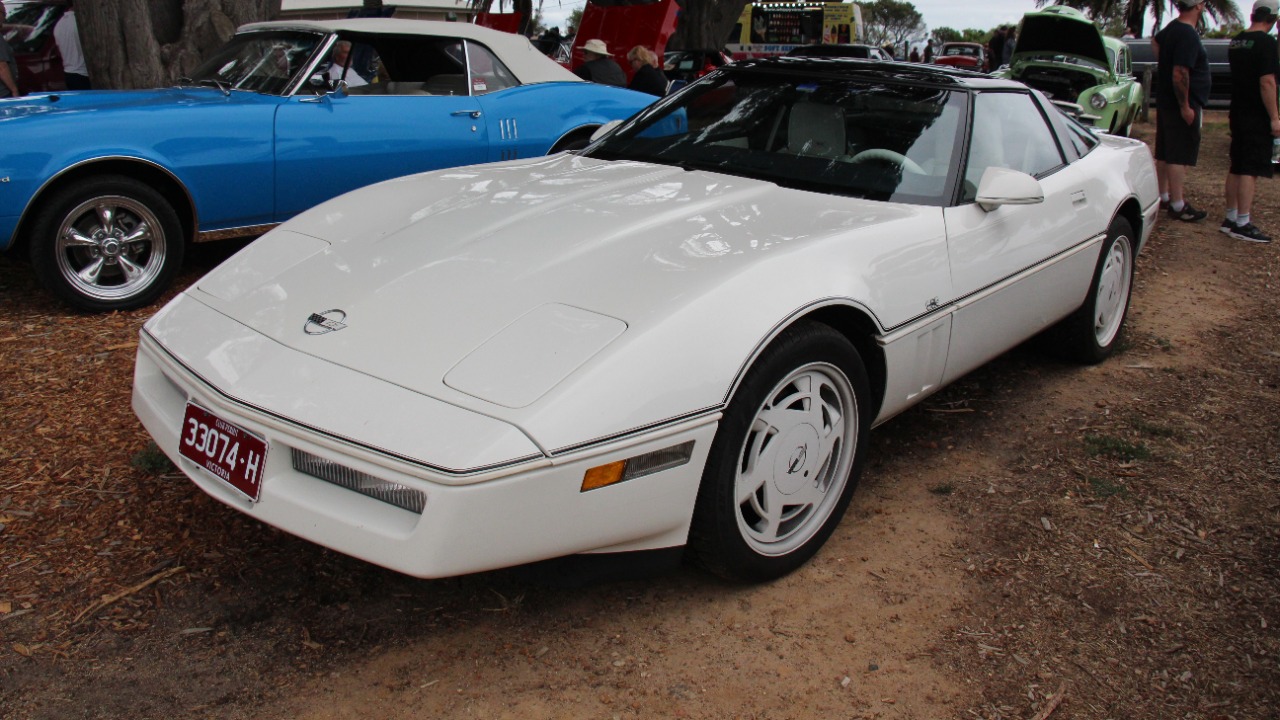
To understand why the 1986 Corvette returned in such a splashy way, I have to start with the missing model year that still fascinates enthusiasts. The story of the 1983 gap is not urban legend, it is anchored in the reality that there was no regular production Corvette for the 1983 model year even though development cars existed. One surviving 1983 Chevrolet Corvette sits today as a kind of ghost of what might have been, a reminder that the transition to the fourth generation was messy, expensive, and too late to meet federal and corporate deadlines.
Behind that ghost car is a more industrial tale that shaped what came later. Engineers built All 43 of the Pilot Assembly cars as pre production test beds, and those prototypes were supposed to be destroyed once the new generation was ready. According to reporting that traces how one car survived in a Bowling Green context, the gap year became part cautionary tale, part origin story for the C4. When the production line finally settled into a rhythm for 1984 and 1985, the company had already learned how costly it was to rush a revolution.
Why the convertible disappeared in the first place
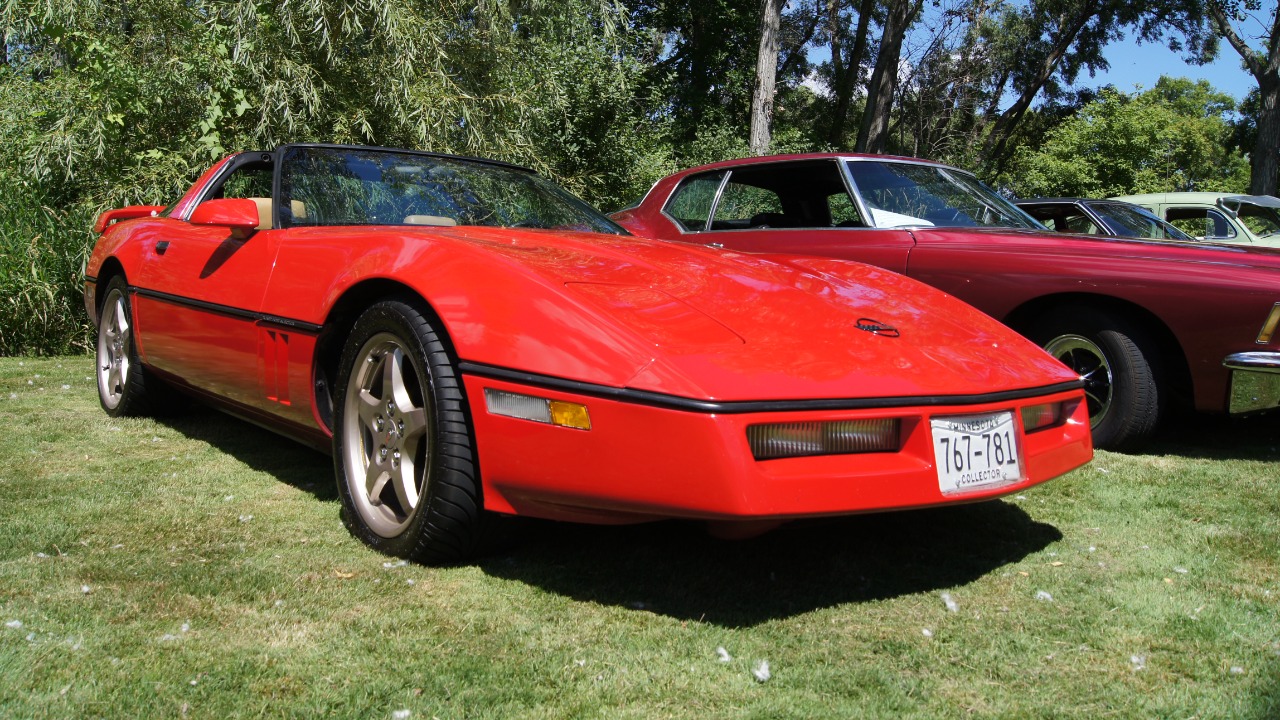
The 1986 return also has roots in a quieter disappearance that stretched back to the mid 1970s. Chevrolet had dropped the soft top after the 1975 model year, leaving buyers with coupes only and fueling speculation that safety rules and cost pressures had killed the open car for good. By the time the C4 arrived, enthusiasts had gone roughly a decade without a factory convertible, and that absence shaped expectations when the new generation finally appeared in 1984. As one overview of the C4 era notes, the Corvette convertible reappeared in 1986 after an 11 year absence, and The Corvette soft top was treated almost like a limited edition.
That long gap meant the engineering team had to rethink structure, not just styling. Removing the roof on the C4 platform created real concerns about body flex, so the car that finally reached showrooms was not just a coupe with the top sliced off. Technical breakdowns of the 1986 model explain that Because the absence of the roof pillar and other hardware would increase flex, engineers added reinforcements to the frame and the dashboard mounting beam. I see that as a key reason the convertible had to wait until the platform matured, rather than appearing on day one of the C4 rollout.
1986: engineering upgrades meet marketing theater
By the time 1986 arrived, Chevrolet was ready to turn that pent up demand into a statement. The company did not just reintroduce a soft top quietly, it tied the car to one of the most visible stages in American motorsport. The 1986 Corvette saw the return of the convertible and was named as the Pace Car for the Indianapolis 500, a pairing that instantly framed the car as both nostalgic and cutting edge. That decision helped explain why the company was willing to invest in the extra bracing and certification work that an open car demanded.
Under the skin, the 1986 model also moved the C4 story forward in ways that justified its return after the one year absence and the longer convertible drought. Critically, the 1986 model became the first C4 to include Critically, Bosch ABS II anti lock braking as standard equipment, setting a new benchmark for safety in an American sports car. When I look at that combination of a traditional fabric roof and a modern braking system, it is clear that Chevrolet wanted the 1986 car to signal that the C4 had matured beyond its early teething problems.
How enthusiasts and the market responded
The market’s reaction to the revived soft top helps explain why the 1986 car has such a distinct place in Corvette lore. Production numbers show that All 7,315 of the convertibles built that year were treated as special, and the mid year timing only added to the sense of scarcity. Dealers promoted the return of the convertible Corvette as a turning point, and later sales listings still describe the 1986 soft top as the moment the new generation finally embraced its heritage. One seller notes that the 1986 Corvette marked a turning point for the model, pairing clean, original styling with mechanical strength that fit the era.
Stories from the enthusiast world reinforce that sense of significance. In one widely shared VIDEO, Barn Finder Tom Cotter Uncovers a 1986 Corvette Convertible that had been tucked away and forgotten, a time capsule that shows how quickly these cars went from headline grabbers to hidden treasures. When I watch that kind of discovery, I see more than just a dusty sports car, I see evidence of how the 1986 convertible bridged the gap between the analog 1970s and the digital dash era of the mid 1980s.
The legacy of a carefully timed return
Looking back now, the 1986 return feels less like a simple product decision and more like a carefully timed reset after a turbulent few years. Video explainers on the missing 1983 model year walk through how the company had to juggle emissions rules, new engine technology, and production delays, with one clip bluntly asking why Yet in the 1980s the car skipped a year at all. Another segment framed as a “Did You Know?” piece on 1983 describes how the brand wanted to adopt the newest engine technology and higher efficiency, with the narrator tying that decision to the Dec era push for more power and better fuel economy. Those choices set the stage for a mid decade car that could credibly claim to be both faster and more refined than its predecessors.
By the time the convertible Corvette returned mid year in 1986 after being absent from the lineup since 1975, the company had a platform and a story that could support it. Sales material from dealers still highlight how the new C4 Corvette convertible was sold in colors and trims that leaned into its dual identity as both modern and classic. When I connect those dots, from the lone surviving 1983 prototype in Bowling Green to the ABS equipped pace car convertibles of 1986, the answer to why the car returned after a one year absence becomes clear. Chevrolet waited until it could turn a production stumble into a narrative of progress, then used the 1986 soft top to show that the Corvette could learn from its past without being trapped by it.
More from Fast Lane Only: