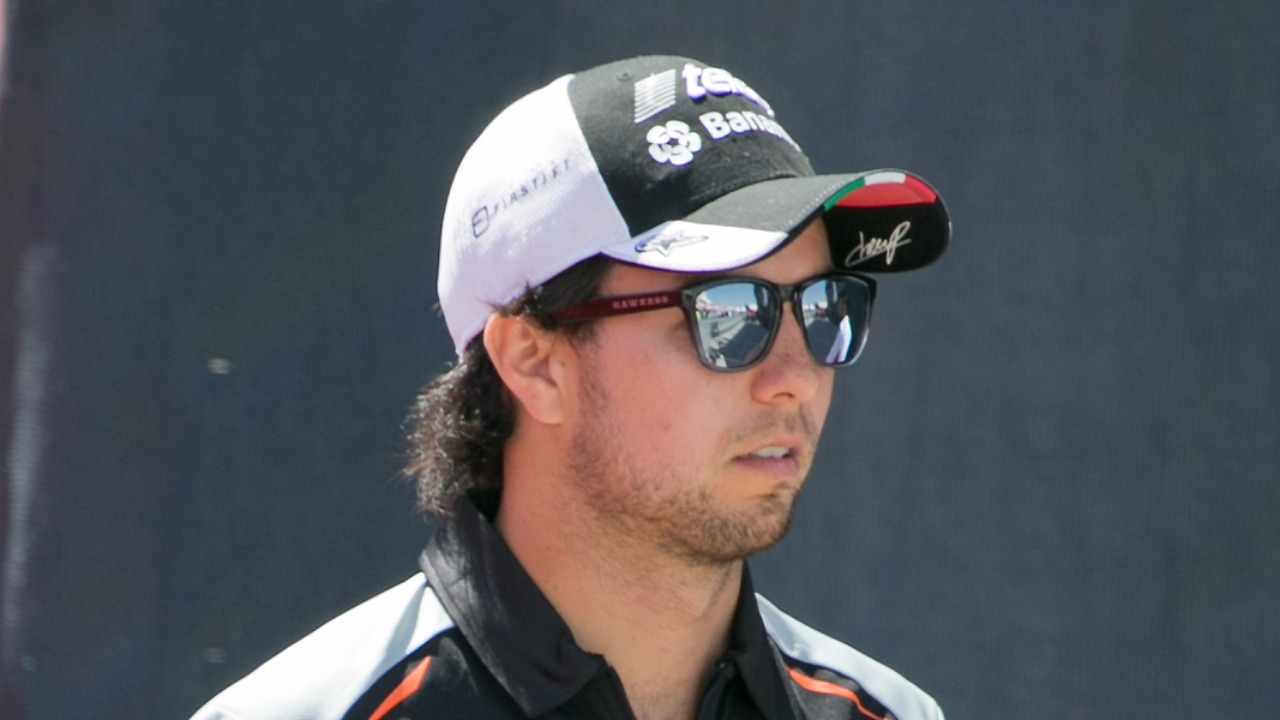
Sergio Perez heads to the Miami Grand Prix knowing the spotlight on his future has rarely been harsher. After a mixed start to the season alongside Max Verstappen, the Red Bull driver has cast Miami as a decisive gauge of whether he can unlock the car’s potential and keep his title ambitions alive. The track’s blend of slow corners, long straights, and unforgiving walls will not only test Red Bull’s package, it will also reveal whether Perez can withstand mounting pressure from both inside and outside the team.
He has been in this position before. Earlier in his Red Bull tenure, Perez admitted that adapting to a new car concept and delivering in qualifying were his biggest hurdles, but he also warned that on certain weekends he and the car could be “a big surprise.” That mix of vulnerability and quiet confidence now shapes the build-up to Miami, where expectations are sharpened by memories of last year’s missed opportunities and the looming question of his contract.
What happened
Perez’s comments about Miami as a major test follow a run of races that have exposed both his strengths and his limits in the current Red Bull. On high-grip, front-limited circuits he has often looked secure, protecting the tyres and executing clean race plans. On tracks that demand razor-edge confidence in slow-speed sections and rapid changes of direction, qualifying has been his weak point. The Miami International Autodrome combines those challenges in a single weekend, with its tight chicane in sector two and a long flat-out stretch into heavy braking at Turn 17.
Earlier in his Red Bull stint, Perez described how sensitive the car could be to set-up changes and how small errors in preparation could leave a driver exposed in qualifying. In a conversation about street circuits, he and Valtteri Bottas both highlighted how difficult it is to get the tyres into the right window for one-lap pace and how a driver can swing from hero to midfield in a few tenths of a second. Perez suggested that on weekends when the team nailed that window, he and Bottas “could be a big surprise,” an idea that applies directly to the way Miami can transform a car’s fortunes from Friday to Sunday. Those earlier reflections, captured in a joint interview with Bottas, are revisited now as Perez again faces a street-style challenge at a venue that punishes hesitation as much as overconfidence, and they are echoed in his focus on preparation for Miami in the build-up to this event, as seen in his earlier comments about street-track execution.
Miami has also become a symbolic race within Red Bull. Verstappen’s dominance in previous seasons created a clear benchmark, and every time Perez fell short in qualifying, the deficit was dissected in detail. Last year’s Miami weekend was shaped by a combination of traffic, changing track conditions, and set-up gambles that did not pay off for Perez, reinforcing the narrative that he struggled more than his teammate when grip was low and confidence was essential. Team insiders have since pointed to Miami as one of the races where Perez’s Saturday performance compromised his Sunday potential.
For this year’s race, Red Bull has again arrived with updates targeted at improving low-speed traction and stability under braking. That should, in theory, play to Perez’s preference for a predictable rear end and allow him to lean more heavily on the car in the tight infield section. Every development part also requires a reset in driving style, though, and Perez has been candid in the past that Verstappen tends to adapt more quickly when the car’s balance shifts. Miami, with its sprint format and limited practice, magnifies that adaptation challenge.
Why it matters
The stakes around Perez in Miami extend far beyond one weekend’s result. Inside Red Bull, the second seat has become the focal point of long-term planning, with junior drivers and experienced rivals all linked to the role. Perez knows that consistent qualifying within a few tenths of Verstappen, combined with reliable race execution, is the minimum standard expected if he is to remain part of that plan. Miami’s layout and timing, early enough in the season for the team to pivot if necessary, make it a bellwether for those internal discussions.
From a championship perspective, Miami will also shape how Red Bull approaches strategy for the rest of the year. If Perez can turn the weekend into a strong podium or even a win, he strengthens Red Bull’s ability to control races through two-car tactics, forcing rivals like Ferrari and Mercedes to react rather than dictate. If he struggles and ends up mired in the midfield, Verstappen is left to fight alone, which increases the strategic freedom of rival teams that can then split tyre choices or undercut windows without worrying about a second Red Bull.
The commercial side of the sport adds another layer of pressure. Miami is one of Formula 1’s flagship events in the United States, a market that Liberty Media and the teams have worked hard to grow. Red Bull’s brand identity is built on aggressive, front-running performances in high-profile venues. A strong showing from both cars in Miami reinforces that image and keeps sponsors satisfied. A visible gap between Verstappen and Perez, especially in such a prominent race, inevitably fuels questions about whether Red Bull is extracting full value from one of the most coveted seats on the grid.
Psychology plays a role as well. Perez has spoken before about how much confidence matters on street and semi-street circuits, where a driver must commit to braking points that leave no margin for error. When that confidence is missing, lap times drift and mistakes creep in. Conversely, a clean, fast weekend in Miami could reset his mindset after earlier setbacks, giving him a foundation for the European stretch of the calendar, where tracks like Imola, Barcelona, and the Red Bull Ring reward a driver who is already in a rhythm.
Within the team dynamic, Miami can either ease or intensify the scrutiny. A competitive Perez gives Red Bull more flexibility on race day, from covering undercuts to using alternate tyre strategies. It also cools speculation about whether Verstappen’s frustration might grow if he repeatedly finds himself isolated against multiple rivals. A struggling Perez, by contrast, invites more external noise, more questions in every media session, and more pressure on the engineers who must balance development around two different driving styles.
What to watch next
The first storyline to watch in Miami is Perez’s performance in qualifying. His one-lap pace has often set the tone for his entire weekend. If he can start on the front row or at least within striking distance of Verstappen, he gives himself and Red Bull options. A midfield start, especially on a track where overtaking depends heavily on DRS trains and tyre offsets, would likely condemn him to damage limitation.
Practice sessions will offer early clues. Perez has previously stressed how vital it is to build confidence step by step on street-style layouts, using each run to push braking points and refine rotation through slow corners. Observers will be watching whether he can quickly match Verstappen’s sector times in the tight second sector, which features the kind of technical sequence that has sometimes exposed the gap between the two drivers. Any repeat of the pattern where Verstappen finds time late in qualifying while Perez plateaus would be a worrying sign.
Strategy choices on Sunday will provide another indicator. Red Bull has typically trusted Perez to manage tyres over long stints, often leaving him out on older rubber to create strategic leverage. In Miami’s heat and on its evolving surface, that strength could become a weapon if he qualifies well. A driver who can extend a stint by even three or four laps gains powerful undercut and overcut options. If Perez is stuck in traffic, however, that tyre management advantage is blunted, since turbulent air and defensive driving tend to chew through rubber faster.
More From Fast Lane Only: