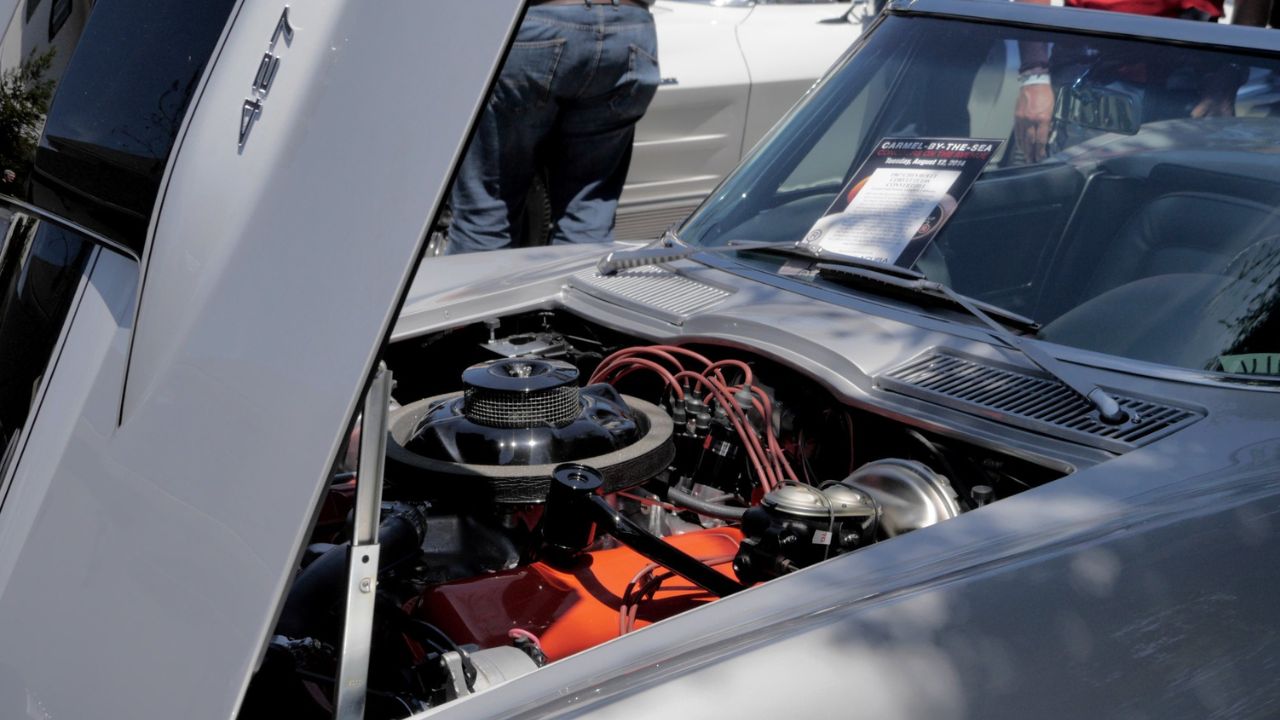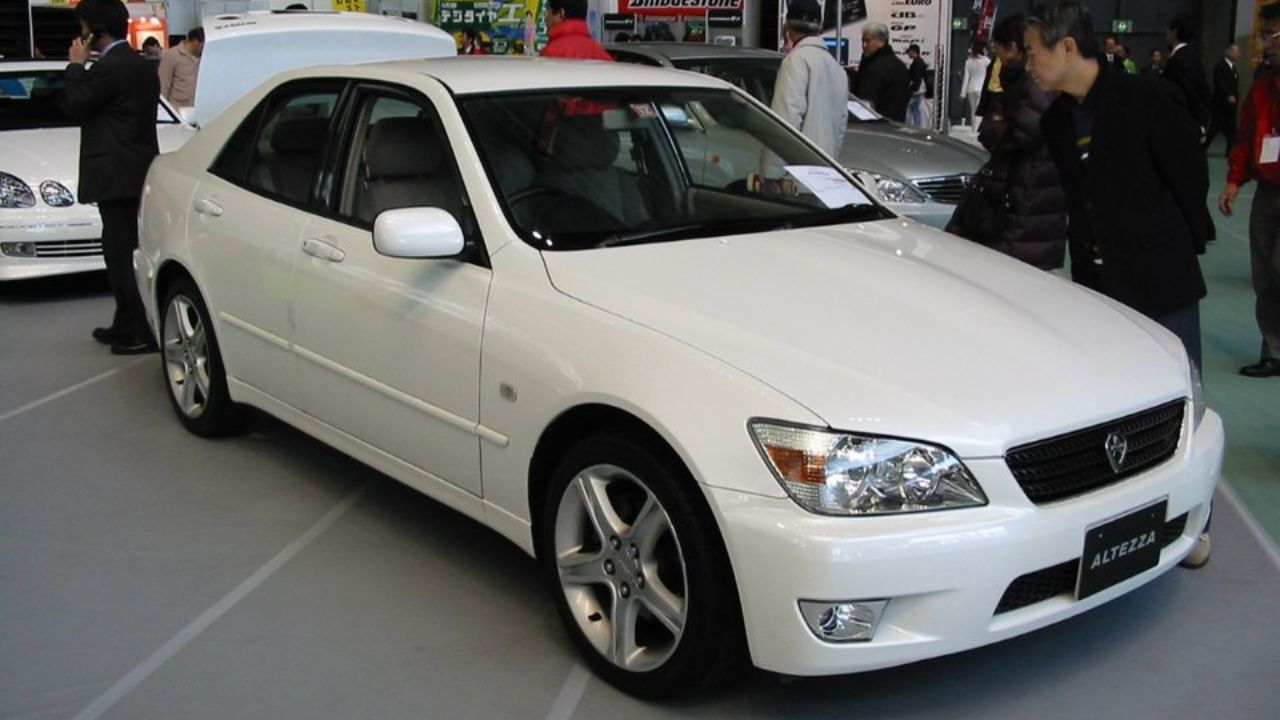
The 1998 Toyota Altezza arrived at the end of the decade looking like just another compact sports sedan, but it quietly reset expectations for what a Japanese four door could be. With rear wheel drive, high revving engines and a design that felt more like a concept car than a commuter, it anticipated trends that would dominate the next quarter century of enthusiast culture. When I look at the way we talk about driver focused daily cars today, I keep finding the Altezza sitting there at the starting line.
From Japan’s sports sedan revival to global template
Long before it became a cult import, the Altezza was conceived as a statement about where Japanese performance could go next. Official company history describes how it arrived at the end of the 1990s “reviving the then somewhat dormant tradition of a rear wheel drive sports sedan in Japan,” with the Altezza built explicitly around the pleasure of driving and the ability to accelerate like a fast car at will. That decision to go rear drive in a compact executive package broke from the front wheel drive norm and set the layout that many later Japanese sedans would chase. It was not just a domestic curiosity either, because the same basic car would be sold abroad as the Lexus IS, giving global buyers a taste of this new formula.
Inside Japan, the car was introduced primarily for local buyers, with The Toyota Altezza described as being known as the Lexus IS in other markets while remaining a Japanese market product at launch. That dual identity mattered, because it let engineers focus on domestic tastes while still shaping a global luxury sports sedan benchmark. Later retrospectives on the Lexus IS trace the car back to chief engineer Nobuaki Katayama, the creator of the AE86, and credit the first generation with a game changing impact that would influence many later Toyota models. In other words, the Altezza was not just another sedan, it was the seed of a whole new family of driver centric cars.
A design that made the 2000s look old
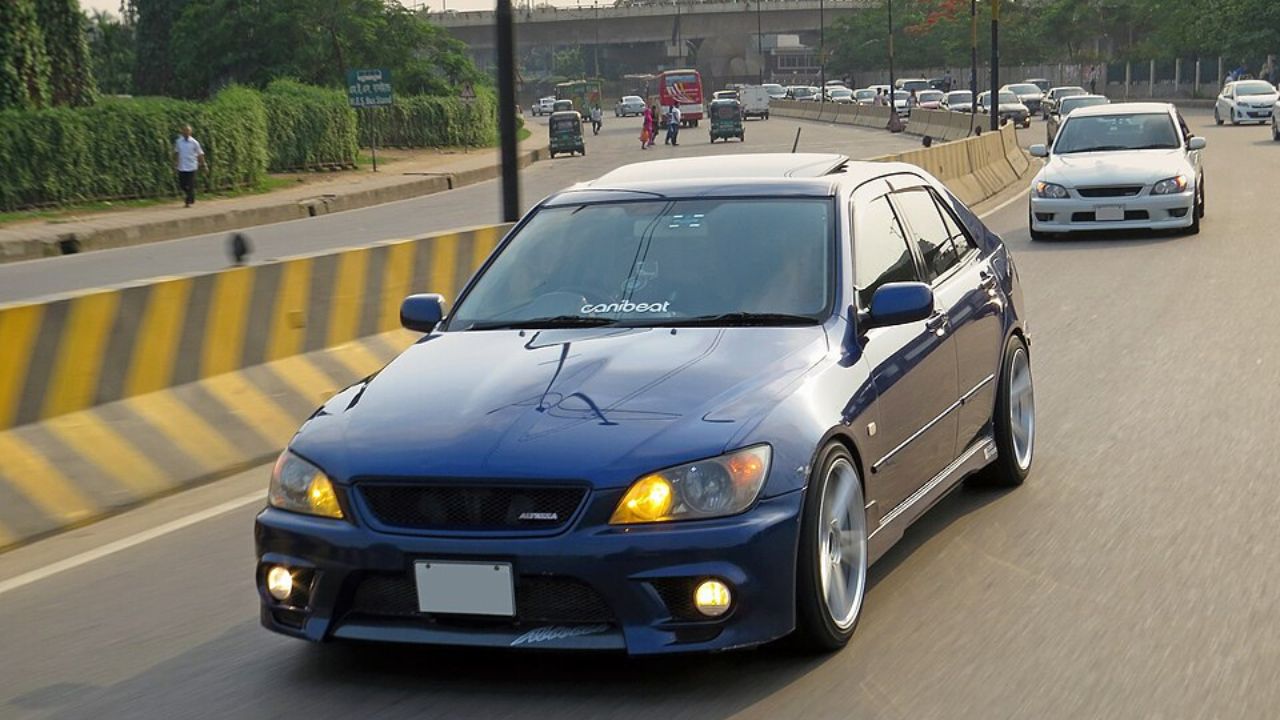
Visually, the Altezza looked like it had slipped out of the future and into late nineties traffic. Contemporary descriptions of Stock examples highlight how the crisp bodywork and tight panel gaps still present cleanly decades later, which says a lot about how advanced the surfacing was at launch. The most obvious tell was at the rear, where the taillights used clear lenses over colored internal elements, a look that would become so influential it spawned an entire aftermarket trend. Used car reviewers point out that Inside and out, the most notable feature of the design is those rear lamps, which became so popular in modified circles that they were simply called “Altezza lights.”
The cabin was just as forward looking, especially in how it treated the driver’s information. Enthusiast write ups single out how One of the standout features of the Toyota Altezza interior was its instrument cluster, which wrapped the tachometer and auxiliary gauges in a way that felt more like a sports bike than a sedan. That focus on visual drama and driver centric information would become common in later performance cars, but in 1998 it signaled a shift away from conservative executive dashboards. When I sit in modern compact sports sedans with configurable digital clusters and aggressive lighting, I can see the same desire to make the cockpit feel like a special place that the Altezza was already chasing.
Engineering for enthusiasts before that was a marketing line
Under the skin, the Altezza was engineered with a level of intent that still surprises me when I look back at the spec sheets. A detailed breakdown of the car’s origins notes that Origins and Development The Toyota Altezza made its debut in 1998 for the Japanese domestic market, targeting drivers who wanted a blend of performance and luxury rather than a soft cruiser. That philosophy showed up in the powertrain choices, with the AS200 using the 1G-FE and the RS200 getting the high revving 3S-GE, both paired with a 6 speed J160 manual as standard. An enthusiast focused Instagram breakdown of a 1998 Toyota Altezza AS200 spells out how it was Designed by Tomoyasu Nishi and engineered by Nobuaki Katayama, launched in October 1998 as a compact executive car produced by Toyota and sold through Toyota Netz Store dealerships, with those engine and gearbox combinations baked in from day one.
On the road and track, that hardware translated into a character that still feels modern. A contemporary auction listing for a 1998 Toyota Altezza RS200 Z Edition describes how The Toyota Altezza, also known as the Lexus IS, is praised as a compact executive car that is fun to drive, especially with the 6 speed manual transmission. Track testers who have driven right hand drive RS200s at Toronto Motorsports Park talk about the car as an 8000RPM fun haver, revving cleanly and feeling eager to live at the top of the tach. Even modern reviewers who revisit the RS200 Z Edition describe in enthusiast forums how the car represents that “Toyota angry period,” with one Mar discussion quoting the feeling of being all the way at redline and the engine not caring. That kind of durable, high revving character is exactly what current performance buyers still chase, and the Altezza delivered it before “track package” badges became common.
A “complete car” that anticipated tuner culture and sim racing
What really sets the Altezza apart in hindsight is how fully formed it was as a platform. Japanese coverage of its resurgence points out that the Altezza was a pioneer of complete cars that could be purchased at dealers, with factory tuned variants available as early as 1998. That meant buyers could walk into a showroom and drive out in something that already felt like a well balanced tuner build, rather than starting from a bland base model. The same Instagram history notes that the car was designed as a direct competitor to European luxury sports sedans, with a greater emphasis on performance than prior Japanese luxury vehicles, and that its taillight style became so popular it was copied by numerous aftermarket accessory makers. By the time a station wagon version, the Gita AS300, arrived in July 2000 and Hiroyuki Tada styled a facelift in 2003, the Altezza had already proven how a single platform could support multiple enthusiast niches.
That breadth carried over into virtual garages too, which is where many younger fans first met the car. In the Gran Turismo series, the Toyota ALTEZZA AS200 ’98 is introduced with the bold claim that the best sports sedans in Europe had long dominated the segment until the Altezza, also labeled as the Lexus IS, arrived to prove that a Japanese FR sports sedan was back. That kind of positioning in a hugely influential racing game helped cement the car’s image as a legitimate rival to German benchmarks. When I see how modern performance sedans are marketed simultaneously to track day drivers, online tuners and sim racers, it feels like a direct continuation of the multi channel presence the Altezza quietly built.
Why its philosophy still feels current
Two and a half decades on, the Altezza’s core ideas line up neatly with what enthusiasts still say they want from a daily driver. Fan focused explainers emphasize that From the moment it hit the market, the Toyota Altezza stood out for a unique design philosophy that balanced performance, practicality and style, and they argue that this blend remains one of Altezza’s biggest strengths. Community discussions on r/Toyota echo that sentiment, with owners of Altezza sedans praising how the car still feels relevant in traffic full of crossovers. When I compare it with today’s compact performance sedans, the throughline is clear: rear wheel drive dynamics, a rev happy engine, a distinctive interior and a body that looks sharp without being fragile.
Even the way the car is remembered online hints at how far ahead of its time it was. A detailed Reddit history thread titled The Toyota Altezza known as the Lexus IS in other markets, lays out how it was introduced primarily for the Japanese market and then exported, a pattern that many later JDM icons would follow. Used car guides still call out how the Altezza remains desirable for buyers who want a compact sedan with character, while corporate history pages still highlight how it revived the rear drive sports sedan tradition in Japan. When I put all of that together, the 1998 Altezza looks less like a period piece and more like an early draft of the modern enthusiast sedan, one that previewed the future by simply taking drivers seriously.
More from Fast Lane Only: