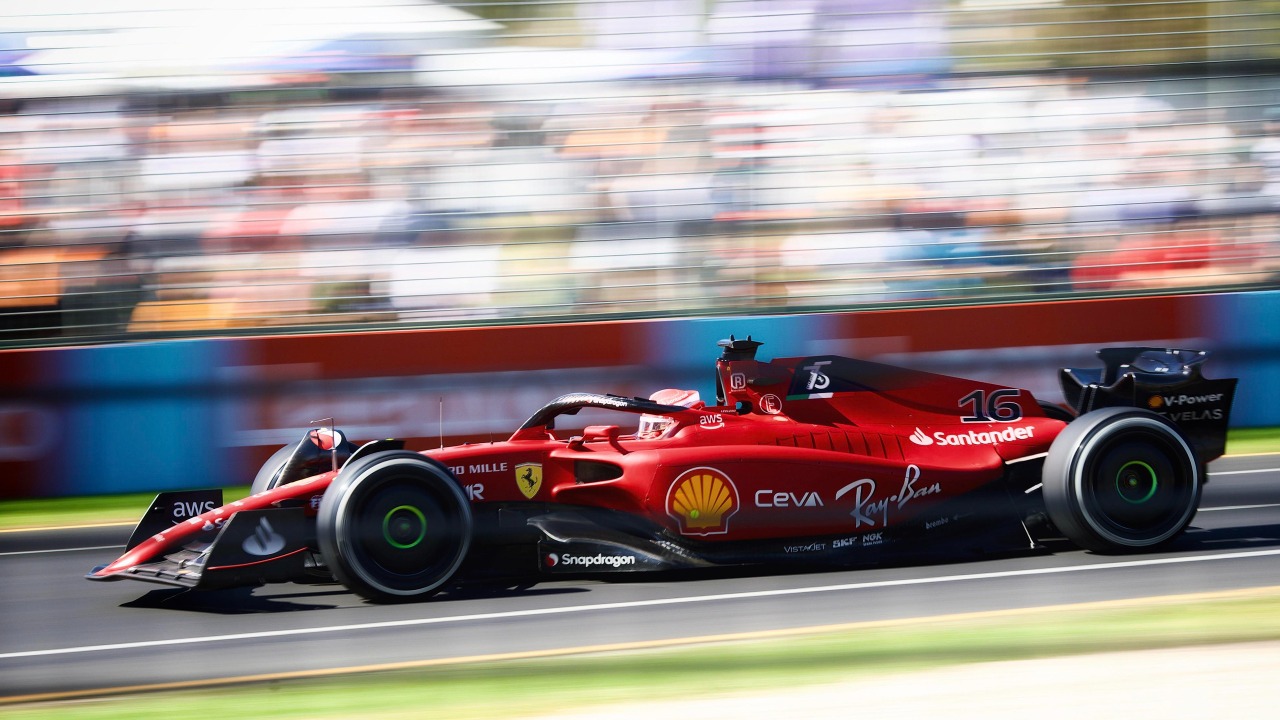
Formula 1 did not just tweak its rulebook for 2022, it tore up the blueprint that had defined modern grand prix cars and started again. After years of increasingly intricate aerodynamics and processional races, the sport pivoted to a new philosophy that put how cars follow each other at the center of the design brief. The result was a set of regulations that changed how air flows around the cars, how teams spend their money, and even how engines are developed, reshaping the fundamentals of how F1 works on and off the track.
Instead of chasing outright lap time at any cost, the 2022 rules tried to rebalance the equation between performance and racing quality. The new package targeted the dirty air problem, locked in power unit specs, and tightened cost controls, all while asking engineers to rethink almost every surface of the car. It was a revolution that made the sport feel different to watch and, just as importantly, different to design for.
Why F1 needed a reset after its “golden” season
On the surface, ripping up the regulations right after one of the most dramatic title fights in years looked like madness. The 2021 season delivered a level of tension and controversy that kept F1 in the headlines, yet the people writing the rules were already deep into a plan to change almost everything about the cars. The logic was simple: a thrilling championship battle did not fix the underlying problem that cars struggled to follow closely, which meant the show depended too heavily on safety cars, strategy quirks, and track-specific layouts rather than consistent wheel-to-wheel racing. As one detailed explainer of the new era pointed out, the rulemakers were responding to years of data showing how turbulent air from the leading car stripped grip from the one behind, especially in fast corners, and they were not willing to gamble the sport’s future on occasional classics.
What really pushed F1 toward a reset was the aerodynamic arms race that had built up around the previous rule set. Teams had layered complex bargeboards, winglets, and tiny turning vanes onto every spare inch of bodywork, all designed to energize airflow in ways that helped their own car but punished anyone trying to follow. Technical breakdowns of the 2022 package describe how this complexity created a wake that could cut the following car’s downforce to a fraction of its clean-air level, which is why the new rules explicitly outlawed those bargeboards and simplified the front wing architecture. The shift was not about slowing the cars for its own sake, it was about trading some peak performance for a more stable aerodynamic environment that would hold up when two or three cars ran nose to tail.
Ground effect and the new aero philosophy
The heart of the 2022 revolution sat underneath the car rather than on top of it. Instead of relying on a forest of upper-body aero devices to generate downforce, the new rules pushed teams toward sculpted underfloors that use ground effect to suck the car into the track. Technical previews of the car highlighted how the floor tunnels were designed to do the heavy lifting, while the front and rear wings were reshaped to manage the wake more gently. By channeling more of the aerodynamic load through the floor, the regulations aimed to keep the airflow over the top of the car cleaner, so the following driver would not be hit with such a violent drop in grip when closing up in fast corners.
To make that philosophy work, the rulebook stripped away some of the most disruptive devices from the previous generation. Analyses of the “before and after” designs show that bargeboards were banned entirely, the front wings were simplified, and the rear wing was reshaped to curl the wake upward instead of firing it straight back into the path of the next car. One technical comparison of 2021 versus 2022 cars notes that the new rear wing profile and endplates were crafted to reduce the strength of the vortices that used to trail off the back of the car, while the cleaner sidepod and floor edges limited the chaotic sidewash that once hammered the front wing of a chasing rival. In practice, that meant drivers could follow more closely through medium and high speed sections without cooking their tyres or losing the front end, which is exactly what the rulemakers had promised when they first showcased the concept car.
Frozen power units and the cost-control squeeze
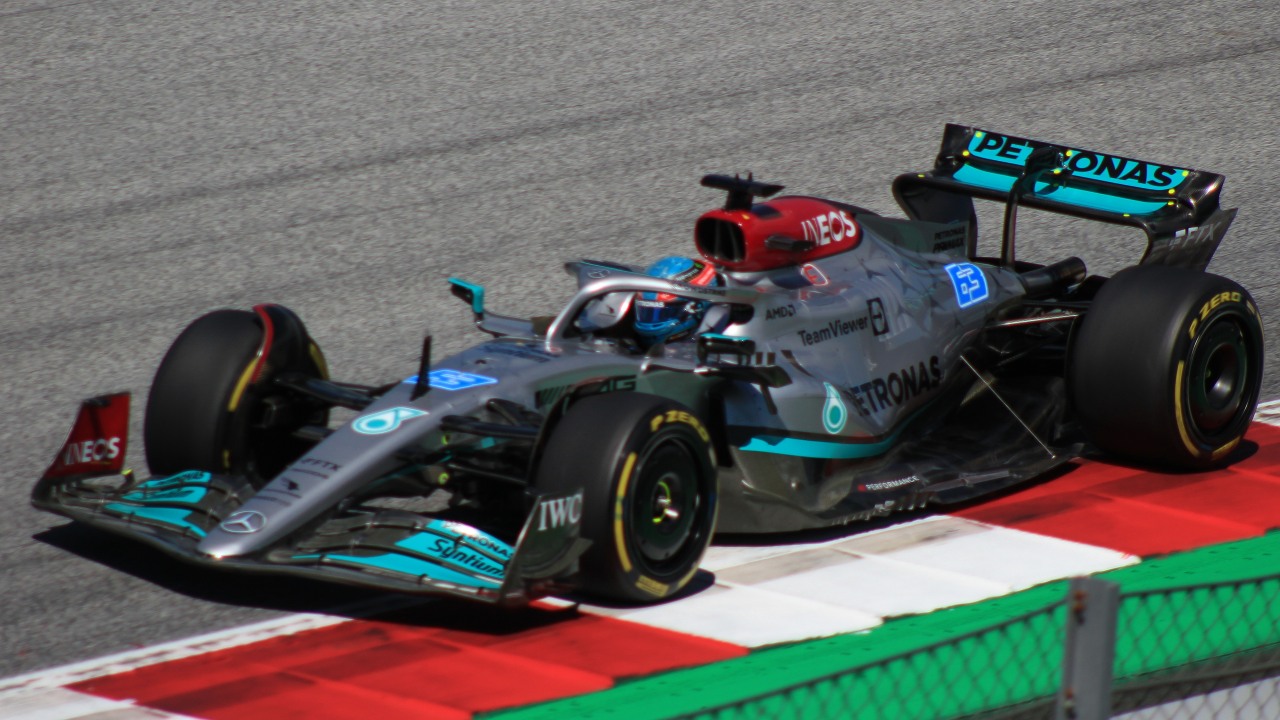
While the aerodynamic overhaul grabbed the headlines, the 2022 rules also locked in a quieter but equally important shift under the engine cover. The hybrid power units that had been evolving since 2014 were effectively frozen, with new rules capping development and limiting how often teams could introduce upgrades. Official breakdowns of the rule changes describe how the sport moved to a “Frozen” power unit specification, which meant manufacturers had to homologate their engines and then live with that architecture for several seasons. The idea was to stop the spending war on marginal horsepower gains and give smaller teams confidence that they would not be left behind by a sudden engine breakthrough from a rival.
That engine freeze slotted into a broader push to control costs and level the playing field. The same rule package tightened limits on wind tunnel time and computational fluid dynamics usage, and it sat alongside the cost cap that had already started to reshape how big teams operate. Official summaries of the 2022 changes point out that the sport also cut back on track running, reducing the number of days available for testing and trimming practice mileage across a race weekend. For teams used to throwing money and manpower at every problem, the combination of a frozen power unit and stricter resource limits forced a new mindset: get the concept right early, then refine efficiently rather than endlessly reinventing the car.
How the new cars changed racing on track
The real test of any regulation set is what happens when the lights go out, and by the end of 2022 there was enough evidence to judge whether the gamble had paid off. Season-long debriefs of the new era argue that the regulations delivered on their core promise of closer racing, even if they did not magically erase every gap in the field. Drivers reported that they could follow more closely through corners without the front end washing out, and the data-backed analyses of the year highlighted more sustained battles and overtakes that were set up over several laps rather than relying purely on drag reduction system blasts. The racing still had processional moments, but the baseline ability to run within a second or two of another car improved compared with the previous generation.
Those same reviews also underline that the new rules reshaped the competitive order in ways that went beyond simple aero theory. Some teams nailed the ground effect concept early, while others battled issues like porpoising as the powerful underfloor tunnels interacted with the ride height limits. The regulations had been designed to reduce the impact of dirty air, but they also exposed how sensitive the new cars were to set-up and stiffness, which in turn affected how aggressively drivers could attack kerbs and bumps. By the end of the season, the consensus in those detailed breakdowns was that the 2022 package had moved the sport in the right direction on racing quality, even if it left engineers with a fresh set of headaches to solve.
From concept car to long-term blueprint
What makes the 2022 rules feel so fundamental is that they were never meant as a one-season experiment. The concept car that was first shown off in the run-up to the change was built around a long-term vision of how F1 cars should interact with each other, and the early technical explainers stressed that the new shapes were designed to be a platform for future evolution rather than a fixed endpoint. The underfloor tunnels, the simplified wings, and the outlawing of bargeboards were all framed as the start of a new design language that teams would iterate on within a more tightly controlled box. That is why the official previews spent so much time walking through how each element, from the nose to the diffuser, was tuned to support closer racing rather than just raw downforce.
Looking back with the benefit of a full season’s worth of racing, the long-term stakes of that shift are clearer. The 2022 regulations did not just change how the cars look, they changed what counts as a smart engineering decision in F1. Instead of chasing ever more aggressive outwash and microscopic aero flicks, teams now pour their creativity into floor geometries, suspension tricks that keep the car in its aero window, and clever packaging that works within the frozen power unit rules. Technical comparisons of the old and new eras make it obvious that the sport has committed to this philosophy, with the 2022 car serving as a reference point for future tweaks rather than a one-off curiosity. In other words, the rulebook did not just adjust the margins, it rewrote the assumptions that will guide F1 design for years to come.
More from Fast Lane Only: