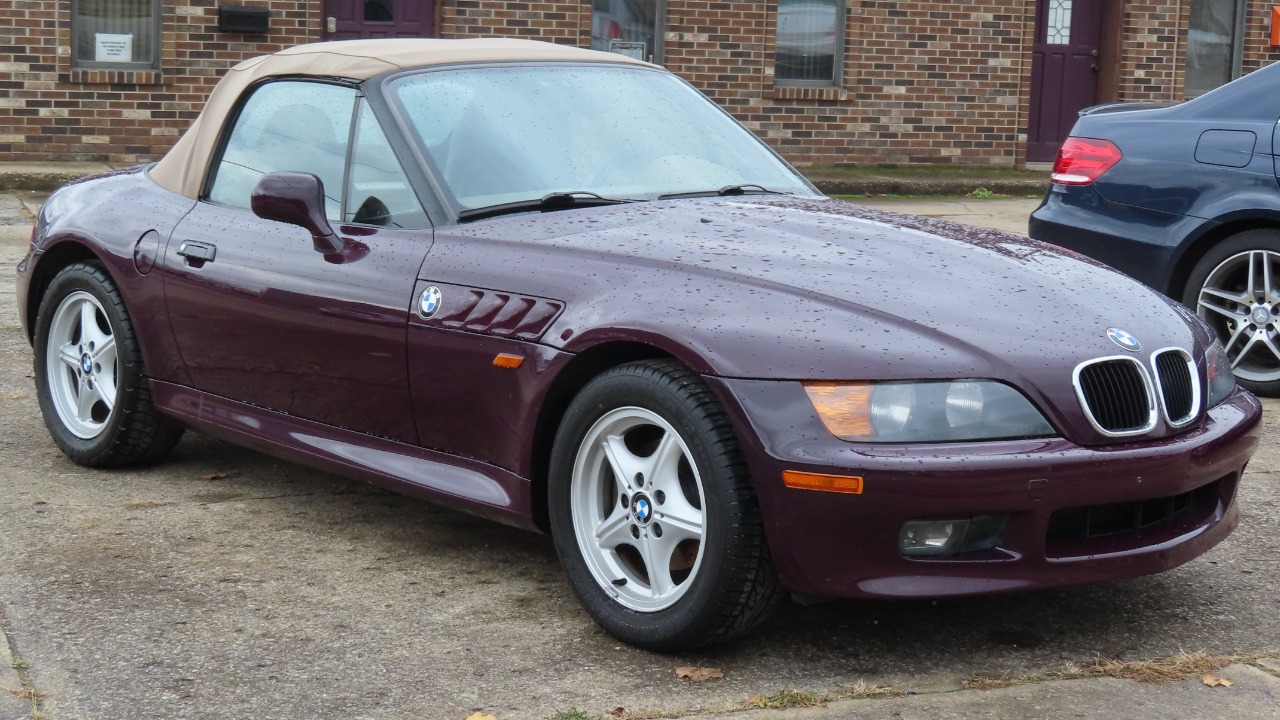
The 1997 BMW Z3 arrived at a moment when small two-seat convertibles were more memory than marketplace staple, yet it quickly proved that a classic roadster formula could still feel fresh. With compact proportions, rear-wheel drive and just enough practicality, it helped pull the segment out of nostalgia and into the modern era. I see that car as the point where BMW stopped dabbling in open-top toys and started treating the roadster as a core part of its identity again.
To understand how it brought roadsters back, you have to look at more than the spec sheet. The Z3 fused Japanese-influenced styling with German engineering, leaned on American manufacturing, and even borrowed some Hollywood stardust. By the time the 1997 model year settled in, the car had become both a commercial hit and a cultural reference point, setting the template for how brands still try to sell small sports cars today.
From Miata wake-up call to BMW’s compact gamble
When I trace the Z3’s origin story, I start with a rival: the Mazda Miata. Its runaway success in the early 1990s showed that drivers still craved light, simple convertibles, and reporting makes it clear that Its design and launch directly inspired BMW to build its own small sports car. Instead of copying the Miata outright, BMW chose a more muscular, long-hood look and a richer cabin, but the basic idea was the same: two seats, a soft top and a focus on feel rather than outright speed. That decision put the company back into a segment it had largely ceded since the classic 507 and later Z1.
Under the skin, the Z3 was a clever piece of parts-bin engineering, which helped it reach showrooms quickly and at a relatively attainable price. The car sat on the E36/5 Compact platform, a shortened version of the 3 Series chassis, and used a mix of MacPherson strut front suspension and trailing-arm rear hardware that tied it closely to the contemporary 3 Series range. As one technical overview notes, the Z3 employed 3 Series underpinnings, which meant familiar dynamics and easier servicing for owners. Another detailed history points out that the Z3 was based on the E36/5 Compact platform and later replaced by the E85 Z4, underscoring how this “parts-sharing experiment” became the foundation for a dedicated roadster line within BMW Z3 development.
Japanese design, American BMW roots and a Spartanburg statement
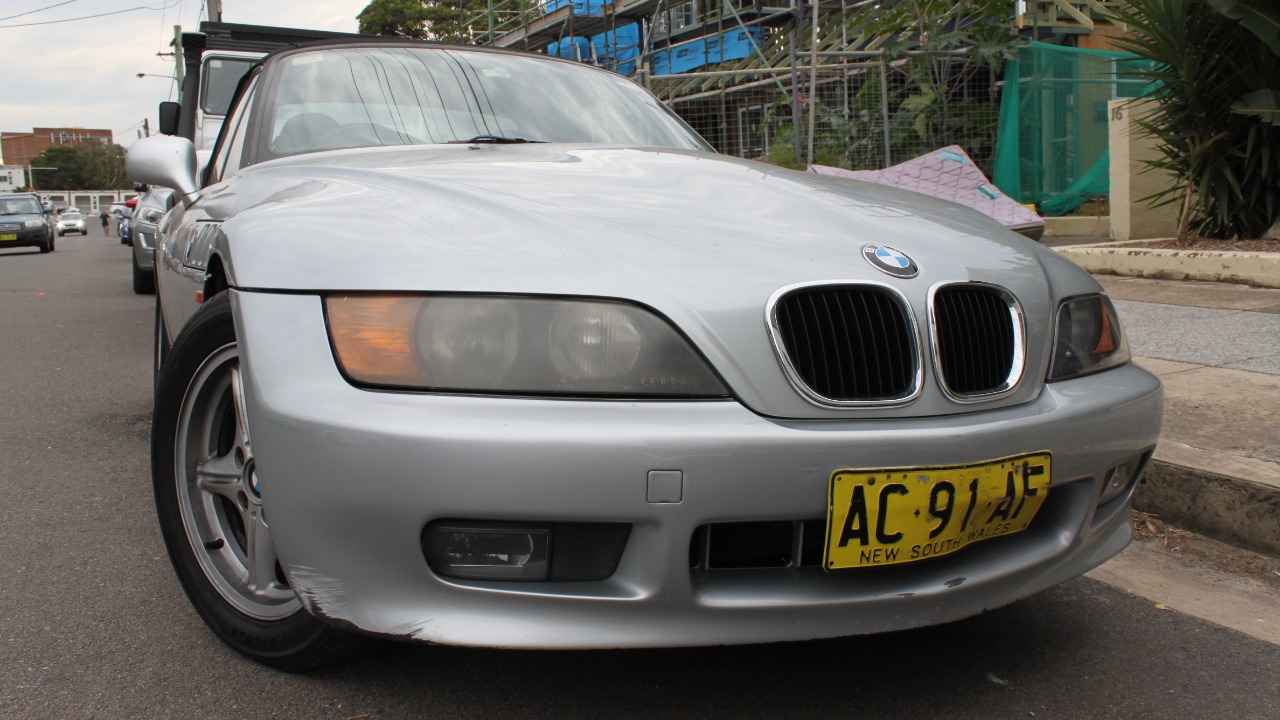
What fascinates me about the Z3 is how global it was from day one. Styling work drew on Japanese design for American BMW, with designers blending sharp creases and compact overhangs into a shape that looked almost cartoonishly athletic compared with sedans of the time. Underneath, the platform and rear axle of the 3-Series Compact were carried over, which kept costs in check while giving the car a familiar mechanical backbone. That mix of Japanese flair and German hardware helped the Z3 stand out in a parking lot full of larger coupes and saloons.
Production, meanwhile, was a statement of intent for BMW’s North American ambitions. The Z3 was built in Spartanburg, South Carolina, and internal reflections on the company’s 50 years in the region describe how the roadster showed that “fun” cars could be made in the United States without sacrificing quality. One retrospective notes that for those inside the company it was a heavy experience, but also a tangible demonstration of the value of local manufacturing, since the Z3 proved that desirable sports cars were made in the US. That decision helped the car resonate particularly strongly with American buyers, who were getting a European-branded roadster with domestic-plant pride baked in.
The 1997 2.8: the year the Z3 grew up
By the 1997 model year, the Z3 had moved beyond its initial four-cylinder launch and into the form that, in my view, truly brought roadsters back into serious enthusiast conversations. The key change was the introduction of the 2.8 liter straight-six, which transformed the car from a charming cruiser into something that could genuinely embarrass bigger machinery. Contemporary tests of the Not even a demure chrome “2.8” model pointed out that there was no flashy badging to brag about the engine, but the performance spoke for itself. With the straight-six up front and power going to the rear, the Z3 2.8 delivered the kind of torque-rich shove that made highway on-ramps feel like launch pads.
Owners and reviewers still obsess over that engine today. A modern video review of a 1998 widebody car describes it as a “rare 90’s beast” and emphasizes that this BMW Z3 2.8 has a presence that belies its size. Another period-style test drive of a 1997 BMW Z3 2.8 roadster with a manual gearbox walks through city and freeway driving, showing how the car’s gearing and throttle response make even low-speed runs feel engaging, with the host inviting viewers along as they take this Mar 28, 2021 drive. On enthusiast forums, the engine has even sparked confusion, with one thread titled “Is a 97 with the 2.8 an M?” where members of The M44 Massive Joined May 9, 2020 Points 148 Location Sheffield, South Yorkshire patiently explain that the 2.8 is not an M car, but still a serious step up from the four-cylinder. That kind of debate is exactly what you see when a car crosses from “cute convertible” into genuine performance territory.
Bond, chrome and the slow burn into classic status
Power alone did not make the Z3 a phenomenon. The car also landed a starring role in pop culture, most famously as a Bond car. A modern Jan Bond Lotus themed video review plays on that association, noting that when people hear about a Bond car they might think of a Lotus or Aston, yet the Z3 carved out its own place in that lineage. Another retrospective, titled “BMW Z3 – The Iconic Roadster Returns!”, frames the car as a returning hero and highlights how the phrase BMW The Iconic Roadster Returns Retro Review ALL THINGS captures the way enthusiasts now look back on it. That cinematic exposure helped cement the Z3 in the public imagination as more than just another niche model.
Inside the car, BMW steadily refined the experience, which helped the Z3 age gracefully. A later update described how Also the cockpit was upgraded with chrome and wood, and how the top was improved to resist noise and cold, making the roadster more usable year round. That same report confidently predicted that the Z3 was destined to be a classic car, a claim that looks increasingly accurate as values stabilize and well-kept examples become harder to find. One current listing for a dark blue manual 1997 BMW Z3, described as “my little 1997 Z3,” notes that it is one of the first models and that its engine produces Following BMW 193 bhp, a reminder that even non-M versions can pack serious punch. When I see that kind of affection in classified ads, I know a car has crossed into cherished territory.
Why the 1997 Z3 still feels modern on the road
Three decades on, the Z3’s driving experience has not faded into quaintness. A recent celebration of 30 years of the model notes that, Mar Unsurprisingly Roadster, the car is often the smallest in any gathering yet still feels as exhilarating as ever. Another anniversary piece argues that the Z3’s mix of analog feedback, clean styling and now-rare proportions has helped it transition from fashionable accessory to respected classic, with the writer emphasizing that many owners bought one simply because it was fun. That reflection on how the Jul 26, 2025 car changed BMW’s image underlines how important the Z3 was in broadening the brand beyond sedans.
Modern reviewers echo that sentiment from behind the wheel. A recent video walkaround of a 1997 BMW Z3 Roadster customized in a distinctly Apr BMW Roadster Japanese style calls it one of the most iconic future classics, while another review of a 1997 BMW Z3 2.8, filmed after the host had previously driven a 1971 BMW 2002 TI at the Creme 21 Sep BMW Creme Youngtimer Rally, highlights how the roadster still feels tight and communicative. Even a simple classified ad for a left-hand-drive manual car, proudly noting its 193 bhp output, reinforces that owners see these cars as drivers’ machines rather than static collectibles. When I watch these reviews and read these listings, I am struck by how often people talk about steering feel and balance, not just nostalgia.
From Miata rival to everyday classic
What ultimately convinces me that the 1997 Z3 brought roadsters back is how naturally it slots into everyday life while still feeling special. A recent feature that picked a 1997 BMW Z3 Roadster as a standout choice argued that the car is so good because, like the Nov Mazda Miata, it takes all the elements of a classic roadster and adds modern reliability and comfort. That blend makes it a realistic alternative to a Miata in similar condition, especially for drivers who prefer a slightly more upscale cabin and the option of a straight-six. Another technical history points out that the six-cylinder cars were heavier than the four-cylinder versions, but also more powerful and refined, which helped broaden the Z3’s appeal beyond purists who only cared about weight. The way the Z3 employed 3 Series hardware while still feeling like its own thing is a big part of why it has aged so well.
The community that has grown around the car is another sign of its lasting impact. A recent gathering in Slovakia billed as the first official BMW Z3 meet in the country drew 35 cars, with organizers noting that if you are looking to have fun without breaking the bank, the BMW BMW Z3 remains a solid choice even more than 21 years after production ended. That kind of turnout for a relatively young classic tells me the car has moved beyond fad status. When I put all of this together, from the Miata-inspired concept to the Spartanburg production, the 2.8’s performance leap and the enduring owner enthusiasm, the 1997 Z3 looks less like a side project and more like the moment BMW proved that the traditional roadster still had a vibrant future.
More from Fast Lane Only: