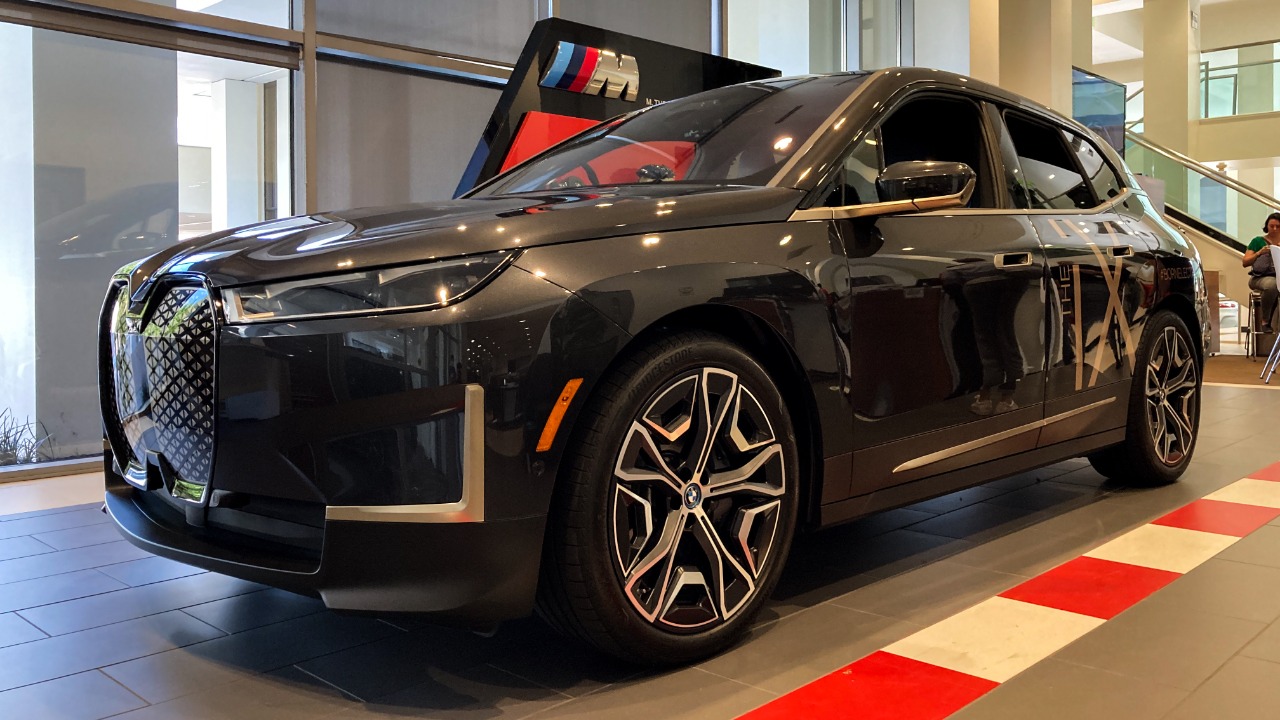
The 2021 BMW iX did not just tweak the brand’s familiar look, it detonated it. Instead of another cautious evolution of the kidney grille and Hofmeister kink, BMW rolled out a hulking electric SUV that looked like it had been sketched with the safety off, and the reaction from enthusiasts and casual drivers alike was instant and intense. The iX shocked expectations because it treated design less as a beauty contest and more as a provocation, a rolling argument about what a luxury EV should feel like in a decade of rapid change.
As I have watched the debate around this car unfold, I have come to see the iX as a deliberate stress test of what people think “a BMW” is allowed to look like. From the controversial front end to the pared‑back cabin and the way the company defended those choices, the iX shows a design team willing to risk ridicule in order to reset the brand’s visual language for an electric future.
From safe evolution to “fail quick, learn fast” revolution
For years, BMW design moved in small, careful steps, stretching a line here, sharpening a crease there, but rarely challenging the basic silhouette that buyers expected. With the iX, the design team openly embraced a different mindset, talking about a “fail quick, learn fast” approach that encouraged them to draw without the usual internal boundaries and to chase the feeling of having just graduated, when ideas are still raw and fearless. In a video on the project, the designers describe how this attitude let them rethink proportions, surfaces and details in ways that would have been unthinkable on a conventional model, and that spirit of experimentation is written all over the finished car in the way its tall body, narrow lights and bold grille refuse to blend into traffic, a process captured in the early ReTHINKING Design discussions.
That willingness to experiment shows up most clearly in the front end, where the traditional twin kidneys have been stretched into a single vertical panel that functions more like a tech shield than a radiator opening. Commentators who saw the car ahead of launch noted how the relative flexibility of BMW’s signature grille was pushed much further here, with the panel becoming a structural and sensor housing element while the rest of the body is cleaned up with flush surfaces, slim headlights and extremely slim taillights that underline the iX’s electric identity. The result is an SUV that looks less like a reworked X5 and more like a concept car that somehow escaped the studio, a point that early previews of the new BMW iX underlined by focusing on those altered grilles and lighting signatures.
The backlash, and BMW’s unusually blunt reply
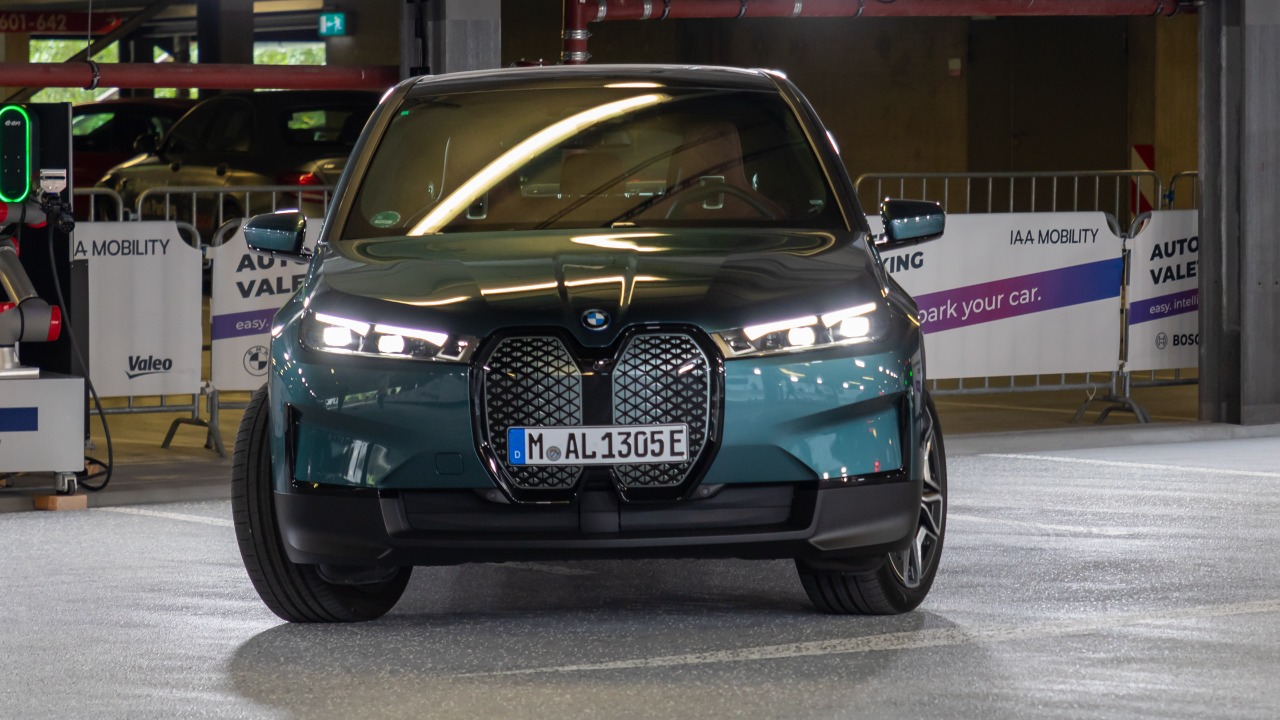
When the covers came off, the internet did what the internet does, and the iX’s face became a meme before most people had seen one in person. Enthusiast forums and comment threads filled with complaints about the grille, the proportions and the sense that BMW had abandoned its own heritage in favor of shock value. Instead of quietly absorbing the criticism, the company responded with a strikingly direct message that essentially told detractors that the problem was not the car but their expectations, a stance that was dissected in a detailed look at BMW’s response which highlighted how the brand framed the debate as a clash between progressive design and conservative taste.
That bluntness filtered into the wider car community, where even seasoned observers like Ray Jepson weighed in on how unusual it was to see a major manufacturer push back so hard on aesthetic complaints instead of smoothing them over. In one discussion, Jepson’s name surfaced in the Comments alongside reactions to a corporate video that some viewers found even stranger than the car itself, reinforcing the sense that BMW was not trying to charm its critics so much as outlast them. The tone of that exchange, with its mix of frustration, admiration and disbelief, captured how the iX had become a lightning rod for broader anxieties about where car design is heading, and whether legacy brands are listening to long‑time fans or deliberately trying to provoke them, a tension that the Comments Section on one Reddit thread made impossible to ignore.
“Not about pretty or ugly”: the philosophy behind the face
Underneath the noise, BMW’s design leadership has been remarkably consistent about what they think the iX is doing. Head of design Domagoj Dukec has argued that the job of his team is not to chase universal approval but to create strong characters that stand for something, even if that means some people will hate them. In an interview with Esquire, Dukec put it plainly, saying, “What I try to teach everyone who is not a designer is that good design is not about pretty or ugly,” a line that has become a kind of mission statement for the iX and that was highlighted in a detailed discussion of Dukec’s Esquire remarks which framed the car as a deliberate test of that philosophy.
I see that stance echoed in the way the iX’s exterior and interior are almost opposites in tone, as if to prove that “good design” can mean different things in different contexts. Outside, the car is confrontational, with its tall nose, sharp creases and unapologetically large grille, while inside it is calm and pared back, with a minimalist dashboard, slim screens and a focus on materials that feel warm rather than high‑tech cold. Official descriptions of the model talk about a “vision of the future” that pairs expressive surfaces with a lounge‑like cabin, and they tie that to a broader push around electrification and charging, including a partnership branded as New BMW Charging Powered by EVgo that uses 100% renewable energy, a detail that appears in the design release from Woodcliff Lake and shows how the car’s visual identity is meant to sit inside a larger sustainability story.
Living with the iX: when provocation becomes normal
All the theory in the world does not matter if the car feels wrong to live with, which is why I pay close attention to owners who have put real miles on the iX. In one ownership video, a driver explains why he leased the BMW iX and how it stacks up against other electric SUVs, talking through everything from the driving position to the way the cabin materials hold up on long trips. His reflections are framed with a kind of self‑aware humor, even jokingly asking if he is “dead inside” for liking such a polarizing machine, but the substance is clear: the iX’s comfort, tech and efficiency make a compelling case once you stop staring at the nose, a perspective that comes through in the candid BMW iX ownership breakdown.
That pattern, initial shock followed by gradual acceptance or even affection, shows up in written reviews as well. One long‑form piece on the car’s road manners and design attitude makes the point that the iX “doesn’t care what you think about it,” praising the company for being interesting even while acknowledging that the styling will never be universally loved. The author notes that his compliments toward the philosophy behind the car and his mild respect toward BMW for taking risks do not magically make the front end pretty, but they do make the iX feel like a more honest product, one that wears its priorities on its sleeve rather than hiding behind nostalgia, a tension that the essay on how BMW doesn’t care about your opinion captures with a mix of skepticism and grudging admiration.
What the iX means for BMW’s future design risks
For me, the most interesting part of the iX story is not whether you or I like the way it looks, but what it signals about how BMW plans to navigate the next decade of electric and digital transformation. By choosing to make its flagship EV a lightning rod, the company effectively told the market that it is willing to alienate some traditionalists in order to attract buyers who want their car to feel like a piece of future tech, not a retro‑styled appliance. That strategy is visible in the way the design team talked about regaining the freedom of their early careers, in the way Dukec framed design as something other than a prettiness contest, and in the way corporate communications from Woodcliff Lake tied the iX’s aesthetics to charging networks and 100% renewable energy, knitting together form, function and brand positioning.
The public reaction, from the sharp critiques dissected in design‑focused analyses to the more chaotic debates in the Comments Section of enthusiast spaces, suggests that this gamble has worked in at least one respect: nobody is indifferent to the iX. Some see it as a betrayal, others as a brave step, and a growing number of owners and reviewers seem to find that the car’s everyday strengths soften their initial resistance to its looks. In that sense, the 2021 BMW iX shocked design expectations not just by looking different, but by forcing everyone who cares about cars to decide what they really want from the next generation of electric luxury: comfort, heritage, quiet competence, or the kind of bold, sometimes abrasive character that refuses to fade into the background, a debate that even casual observers like Ray Jepson and the wider r/cars community have been pulled into whether they asked for it or not.
More from Fast Lane Only: