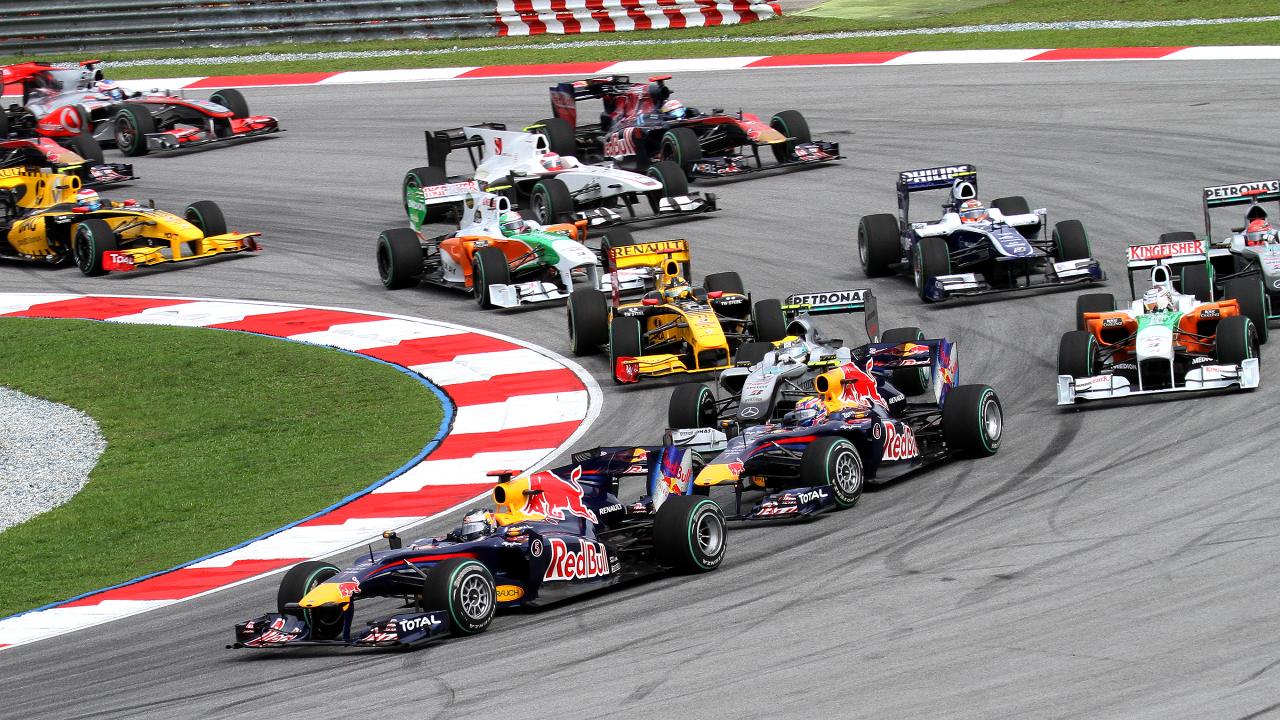
Formula One spent decades as a financial arms race, where the fastest car often belonged to whoever could burn the biggest pile of cash. The cost cap was supposed to end that era, yet it has instead turned into the sport’s most delicate balancing act, forcing teams, regulators and fans to constantly weigh fairness against freedom. I want to unpack how a rule designed to save Formula One from itself has reshaped everything from factory headcounts to title fights, and why the arguments around it are not going away any time soon.
From survival tool to competitive reset
When I look at the cost cap, I see a rule born out of financial fear as much as sporting ambition. Before the limit came in, top outfits were spending so heavily that several rivals were pushed to the brink of collapse, with teams like Force India cited as examples of how fragile the business model had become under open-ended budgets. The cap was introduced in 2021 as a hard ceiling on how much each team could pour into performance, with the explicit aim of protecting the sport’s financial sustainability and preventing a repeat of those near-bankruptcy stories, a motivation that is spelled out in detailed breakdowns of the new rules and their origins.
At the same time, the cap was sold as a way to reset the competitive order, not just keep the lights on. By limiting how much the biggest operations could spend on car performance, the rule promised a more level playing field where a clever idea in the wind tunnel might matter as much as a swollen balance sheet. Analyses of the regulations describe the cost cap as a financial regulation that restricts how much teams can spend on their racing programmes, with the goal of creating a more sustainable and competitive future for Formula One and narrowing the performance gap between the front and the back of the grid. That dual purpose, survival and sporting fairness, is what makes the cap such a tricky compromise: every tweak to protect one goal risks undermining the other.
What the cap really covers, and what it leaves out
On paper, the cost cap sounds simple, but the reality is a dense rulebook full of carve-outs and grey areas. The core limit covers most of the spending that directly affects how fast the car goes, from chassis development and race operations to many factory costs, which means teams now have to make hard choices about where to allocate every extra dollar of performance. However, there are notable exclusions, including areas such as marketing and hospitality and the salaries of certain top earners, which sit outside the cap even though they still face separate budget restrictions. That structure creates a tension I keep coming back to: the rule tries to control performance spending without completely rewriting how global manufacturers run their brands.
The exclusions matter because they shape where the real trade-offs happen. Reporting on the regulations notes that, since the cap includes so many performance-related areas, teams sometimes have to cut back on long-term projects to stay within the limit, potentially compromising future development in order to keep the current car competitive. In response to concerns about creative accounting, the FIA has also issued a technical directive that forces teams to include more categories of spending in their declared figures, tightening the net around items that might previously have been parked in friendly line items. The result is a system where the headline number is only half the story, and the real game is how cleanly each organisation can align its internal finances with the definitions in the rulebook.
The old inequalities did not simply vanish
Even with a cap in place, Formula One has not magically become an egalitarian playground, and I do not expect it to. The sport has always been defined by vast inequalities, from the scale of wind tunnels at the biggest factories to the sophistication of wheel guns in the pit lane, and those structural advantages did not disappear the moment a spending ceiling arrived. One detailed explanation of the early controversies around the cap points out that the rule effectively froze the infrastructure of teams at their 2020 level, which meant that whoever entered the new era with the largest facilities and deepest technical departments kept that head start, only now protected from being eroded by rivals spending their way up.
That freeze is particularly painful for outfits that were still trying to catch up when the cap landed. A prominent team principal has argued that the expenditure limit has locked in the existing hierarchy, because smaller or historically underfunded teams cannot easily invest in new buildings, tools or staff without running into the ceiling that was set when their rivals were already fully built out. Another analysis of the financial regulations quotes an FIA figure acknowledging that the rules stop one organisation from spending three times more than another, but also warning that the same framework can make it difficult for smaller teams to compete, because they are constrained before they can fully close the gap. In other words, the cap has narrowed the spread on annual race budgets, but it has not erased the legacy of decades of unequal investment.
Policing the line: breaches, penalties and deterrence
Any rule that limits spending needs teeth, and the way Formula One enforces its cap has become a story in its own right. The regulations distinguish between minor and major overspends, with potential sanctions ranging from financial penalties and restrictions on testing to exclusion from championships in the most extreme cases. Early explanations of the framework stress that the consequences depend on how much a team has overspent and whether the breach is considered procedural or material, which gives the FIA a wide spectrum of responses but also leaves room for debate about consistency and fairness whenever a case hits the headlines.
Recent seasons have shown how politically charged those decisions can be. Coverage of the cost cap reviews has detailed how one leading team was found to have broken the limit and received a combination of a fine and reduced aerodynamic testing, a punishment that some rivals argued was not a strong enough deterrent. Later, when the FIA announced the outcome of another review amid rumours of fresh breaches, the governing body again had to balance transparency with confidentiality, explaining that the latest checks had been completed while critics questioned whether there was any real deterrent if sanctions were perceived as manageable. That tension between strict enforcement and the desire to avoid destabilising the championship is exactly why the cap has become such a delicate act for regulators as well as teams.
The human and strategic trade-offs inside the cap
For the people working inside the teams, the cost cap is not an abstract spreadsheet, it is a daily set of trade-offs that shape careers and car concepts alike. Analyses of the rule’s impact describe how the limit has forced organisations to rethink headcounts, with some staff redeployed or let go so that spending can be concentrated on the most performance-critical roles. The same reporting notes that the cap has narrowed the performance gap on track, but it has also pushed teams to be more deliberate about how they support their employees, including paying closer attention to wellbeing during the off-season when workloads and budgets are both under pressure.
Strategically, the cap has changed how teams plan their development arcs across multiple seasons. One breakdown of the regulations highlights that, because the limit covers so many performance areas, aggressive spending on a mid-season upgrade package can mean sacrificing investment in next year’s car, or delaying infrastructure projects that might have paid off further down the line. Another explainer on the financial framework emphasises that the cap was designed to promote financial sustainability, but it also warns that teams must understand and apply the regulations correctly from the start if they want to avoid nasty surprises when the FIA audits their books. In practice, that means every design decision, every new hire and every experimental project now carries a second question alongside “is it fast?”: “can we afford it under the cap?”
What keeps striking me is how the same rule can be praised and criticised for almost identical reasons. The cost cap has undeniably curbed the most extreme spending and helped protect Formula One’s long-term health, yet it has also frozen in some old advantages and created new flashpoints over enforcement and interpretation. The FIA itself has acknowledged that the financial regulations both prevent runaway budgets and make life harder for smaller teams that are still trying to grow, a contradiction that sits at the heart of the sport’s current era. That is why the cap has become Formula One’s biggest balancing act: it is not just a number on a page, it is the line everyone is trying to walk between spectacle and sustainability, freedom and fairness, ambition and restraint.
More from Fast Lane Only: