Formula One teams look like they live and die by the drivers and the car, but the quiet power in the garage sits a few steps back from the front wing. The team principal shapes strategy, culture, and politics in ways that rarely make the broadcast, yet those choices often decide whether a season becomes a title charge or a slow slide down the constructors’ table. When I look at how modern outfits operate, the pattern is clear: the teams that win consistently are the ones where the principal’s influence behind the scenes is as sharp as the drivers’ instincts on track.
The team principal as strategist and figurehead
At its core, the job starts with something deceptively simple: turning a sprawling organisation into a single, coherent race team. Each Formula 1 outfit employs hundreds of specialists, from aerodynamicists to mechanics to commercial staff, and the principal is the figurehead who represents all of them when the lights go out. That means setting the competitive direction, deciding how aggressively to chase performance, and then owning the outcome when the stopwatch delivers its verdict. The role is not just ceremonial, it is the point where technical ambition, financial reality, and sporting risk are forced into one decision.
On a race weekend, that responsibility becomes intensely practical. The principal signs off on race strategies, approves when to prioritise one driver over another, and arbitrates between engineering instincts and commercial pressures. Reporting on the role describes the principal as the person who must ensure that the team’s sporting code and internal standards are “impeccably respected,” a reminder that they are accountable both to the rulebook and to the brand image that sponsors pay to be associated with. When a bold tyre call wins a Grand Prix or a misjudged pit stop sequence costs a podium, the fingerprints usually trace back to the principal’s strategic framework, even if the cameras are focused on the pit wall screens.
The diplomat in the paddock and the boardroom
What viewers rarely see is how much of a principal’s influence is exercised far from the grid. Behind the scenes, the job is described as “The Diplomat,” a role that involves constant negotiation with other power players in the sport. That can mean lobbying for or against regulation changes, navigating cost cap interpretations, or aligning with rivals on safety and sporting issues. The principal has to protect their team’s competitive interests while keeping relationships functional enough to work through the next controversy, which is never far away in Formula 1.
The same diplomatic skill is required in the boardroom. Modern teams are often owned by global manufacturers or investment groups, and the principal is the person who has to translate lap time into business language. They justify budget requests, explain why a risky development path is worth backing, and defend the team when results dip. One detailed breakdown of the role notes that the principal moves constantly between circuit-side action and high-level corporate discussions, effectively serving as the bridge between the garage and the executive suite. When a team secures the funding to push through a mid-season upgrade package or survives a rough run of form without a leadership shake-up, it is usually because the principal has already done the political groundwork.
People leadership under extreme pressure
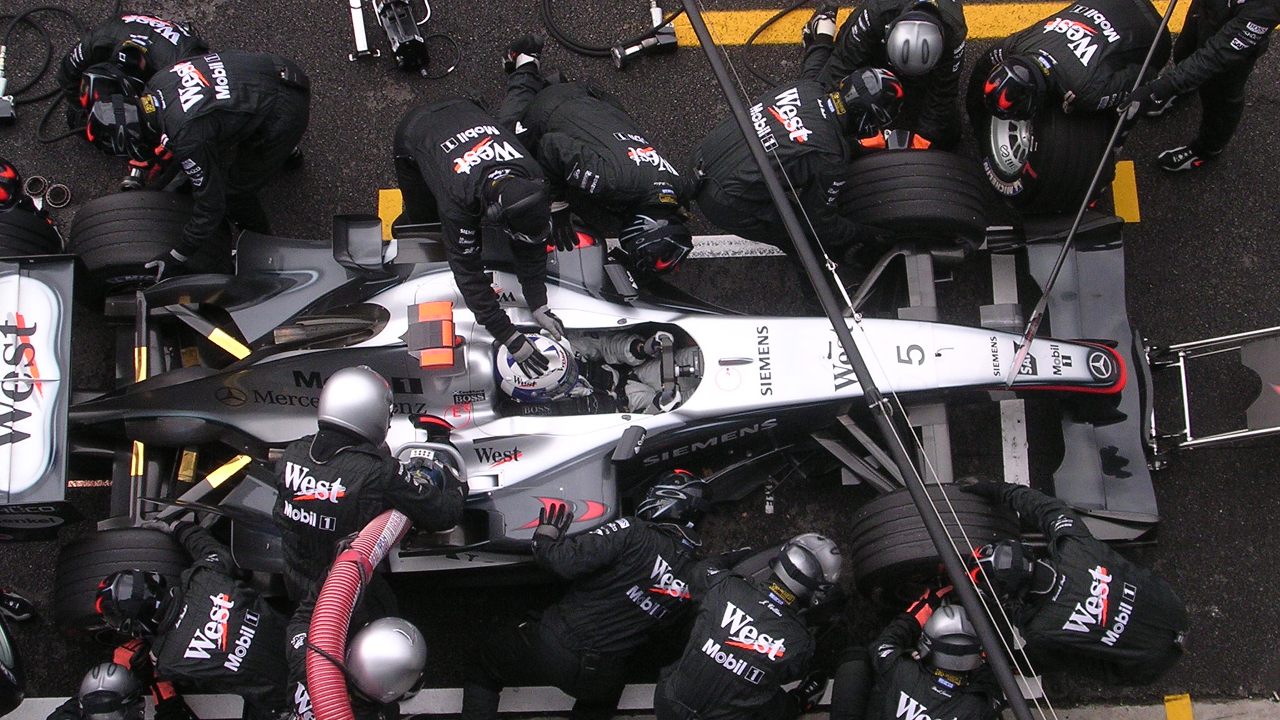
For all the talk of aerodynamics and power units, Formula 1 is still a people business, and the principal is the chief people manager. They oversee a huge workforce, set the tone for collaboration, and decide how to balance accountability with support when things go wrong. One analysis of the job stresses that team management is “critical” to converting a fast car into a championship, because even the best machinery will not win if the engineers, mechanics, and drivers are pulling in different directions. In practice, that means the principal spends as much time on culture as on car performance.
Effective communication sits at the heart of that leadership. The principal must relay strategies and decisions clearly and decisively, especially in the high-pressure environment of a race where confusion can be catastrophic. Reporting on the role highlights how crucial it is for the principal to communicate strategy to drivers and engineers in a way that keeps everyone aligned, even when the plan changes at a moment’s notice. When Aston Martin’s Mike Krack talks about standing up and taking responsibility if results are not there, he is describing a leadership style that absorbs pressure rather than deflecting it down the chain. That approach matters, because if people feel blamed or left in the dark, it has what Krack calls a “paralyzing effect” on performance.
Translating race-day chaos into calm decisions
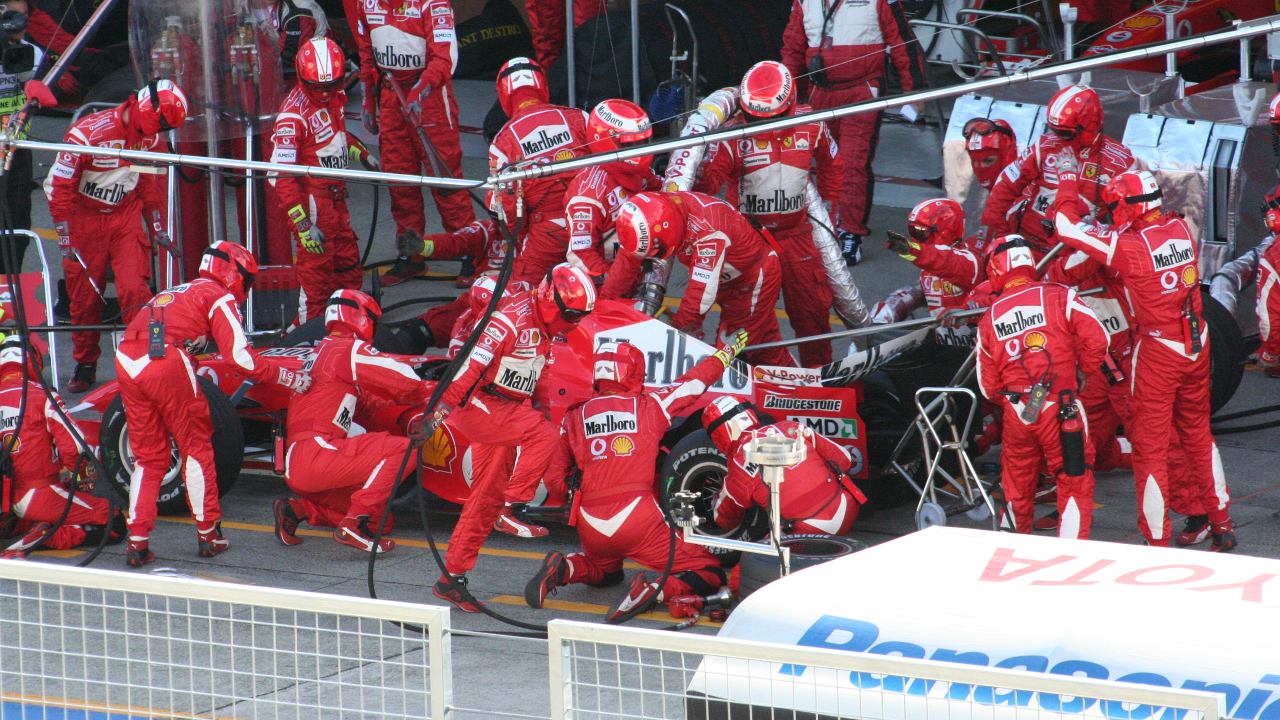
On Sundays, the principal’s leadership is tested in real time. Formula One races are often won not just on the track but in the split-second decisions made on the pit wall, and the principal is central to that process. They help define the decision-making framework before the race, deciding how aggressively to react to safety cars, how to handle team orders, and where the line sits between risk and reward. When the race turns chaotic, the principal’s job is to keep the team calm enough to execute, even as millions of viewers watch every move.
Business thinkers who study Formula 1 leadership point out that this ability to stay composed under pressure is one of the sport’s most transferable lessons. In the same way that a principal must respond instantly to changing track conditions or a rival’s strategy, corporate leaders are urged to adapt quickly to market shifts and customer demands. One leadership analysis draws a direct line between agile adaptation in F1 and in business, arguing that the best leaders respond promptly to new information rather than clinging to a failing plan. When a principal calls an early switch from slicks to intermediates and jumps half the field, it is a live demonstration of that mindset.
From paddock lessons to broader leadership playbook
What fascinates me most is how much of the team principal’s world maps directly onto leadership challenges outside motorsport. The role demands a blend of strategic clarity, people management, and political awareness that would look familiar to any chief executive. Analyses of F1 leadership repeatedly highlight how principals must align hundreds of specialists around a single goal, communicate that vision under intense scrutiny, and adapt quickly when reality refuses to follow the script. Those same skills are what separate resilient organisations from fragile ones in any industry.
Corporate leadership studies that draw on F1 examples emphasise “agile adaptation” and responsive decision-making as core traits of successful executives, mirroring the way principals operate in the paddock. They argue that leaders, like team bosses, must respond promptly to shifting conditions rather than waiting for perfect information, and must build cultures where feedback flows quickly enough to support that agility. When I watch a principal juggle the demands of drivers, engineers, sponsors, and regulators across a long season, it feels less like a niche motorsport role and more like a high-speed case study in modern leadership. The trophies may be shaped like racing cars, but the playbook they use is increasingly relevant far beyond the grid.
More from Fast Lane Only: