The split-window design in cars, particularly popularized by the Volkswagen Type 2 and the Chevrolet Corvette, evokes strong feelings among automotive enthusiasts and casual observers alike. As I delve into the reasons behind the divisive opinions regarding this iconic feature, I’ll explore its aesthetic appeal, functionality, and the cultural significance it carries within the automotive world.
Historical Context of the Split-Window Design
The split-window design made its debut in the mid-20th century during a time of rapid innovation in automotive design. In the early 1950s, car manufacturers began experimenting with various window configurations, seeking to enhance both aesthetics and functionality. The Volkswagen Type 2, introduced in 1950, featured a split front windshield that became immediately recognizable, symbolizing the era’s embrace of practicality merged with unique styling. Similarly, the 1963 Chevrolet Corvette Sting Ray showcased a split rear window that not only added to its allure but also contributed to a new wave of sports car design.
These models were pivotal in defining the split-window era, setting a precedent for future designs. The split-window concept was not merely a stylistic choice; it reflected the evolving philosophies of automotive design, which sought to balance form and function. As car manufacturers leaned into distinct shapes and configurations, the split-window design became synonymous with innovation and a certain level of exclusivity, marking a significant departure from the more conventional, single-pane designs that dominated earlier decades.
Aesthetic Appeal vs. Modern Preferences
The aesthetic charm of split windows cannot be overstated. For many, split windows evoke nostalgia, harking back to an era when cars were designed with personality and flair. The distinctive look of a split-window car offers a sense of character that is often lost in modern automotive design, where sleek lines and aerodynamic shapes dominate. Classic models, with their split windows, possess an unmistakable visual identity that resonates deeply with enthusiasts and collectors, creating a tangible connection to the past.
In contrast, contemporary car design trends lean toward seamless and unified window structures that prioritize aerodynamics and efficiency. The shift in consumer preferences reflects a broader societal move towards minimalism and simplicity. Designs like the Tesla Model S and the latest BMW 7 Series illustrate this trend, opting for large, uninterrupted glass panels that enhance visibility and modernize the overall look. This divergence in style has heightened the debate over the appeal of split-window designs, as some view them as outdated while others celebrate their uniqueness and historical significance.
Functionality and Practical Considerations
When evaluating the functionality of split windows, several advantages emerge. For one, they can provide enhanced visibility, as seen in the split-front windshield of the VW Type 2, which allows for better sightlines when navigating tight spaces. Furthermore, split windows can contribute to structural integrity, providing a robust framework for the vehicle. Enthusiasts often highlight these practical benefits, arguing that split windows offer a driving experience that feels more connected to the road.
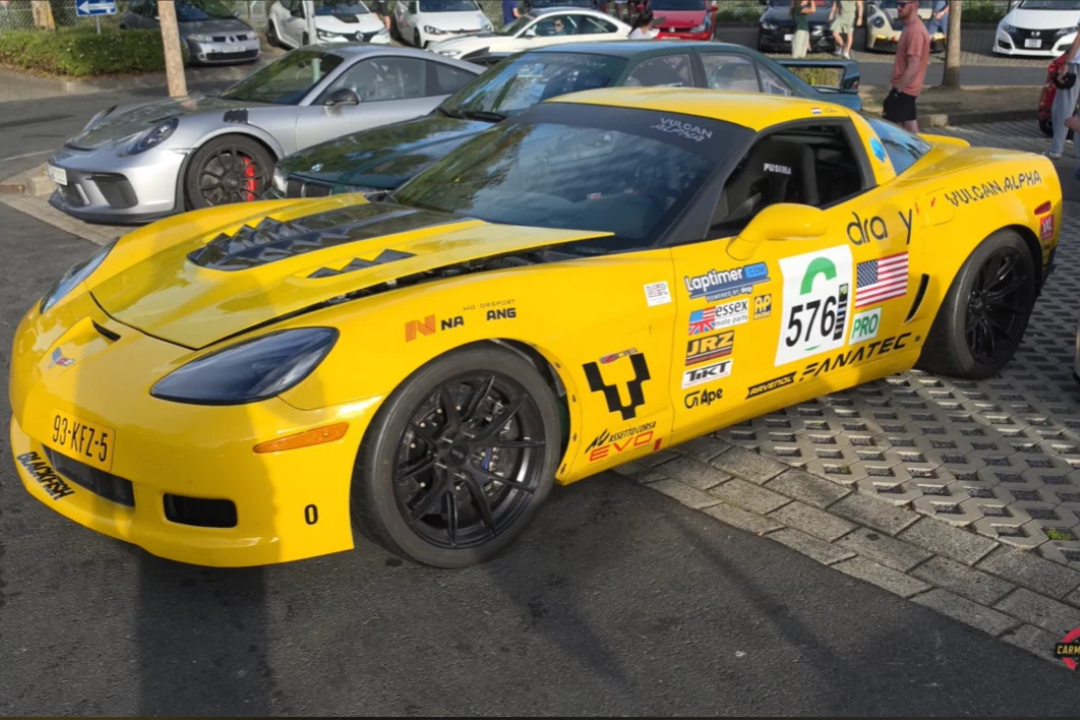
However, critiques of the split-window design also exist, particularly concerning modern driving conditions. Safety standards have evolved significantly, and designs that were once considered innovative may now fall short. For instance, the split rear window of the 1963 Corvette, while visually striking, has been criticized for its reduced visibility compared to modern sedans equipped with expansive rear glass. Additionally, aerodynamics play a crucial role in contemporary car design; split windows can disrupt airflow, potentially leading to decreased fuel efficiency. Many drivers report comfort issues related to the structural supports of split windows, which can obstruct views and create blind spots.
Cultural Significance and Community Divide
The split-window design occupies a unique status within vintage car culture, often seen as a badge of honor among collectors and enthusiasts. It symbolizes a bygone era of automotive creativity and craftsmanship. Events like the Monterey Car Week and the Goodwood Festival of Speed celebrate classic cars, often featuring split-window models prominently. These gatherings foster a sense of community among fans who appreciate the artistry behind such designs.
However, this cultural significance is not universally embraced, leading to a divide among car enthusiasts. Some advocate for the preservation of split-window models, arguing that they represent a critical chapter in automotive history. In contrast, others favor modern designs that prioritize safety and efficiency. Online forums and social media platforms, such as Facebook groups dedicated to classic car enthusiasts, amplify these differing opinions, creating a space for passionate debate. The divide sometimes manifests in heated discussions about which design elements should be celebrated or retired, showcasing the intricate relationship between nostalgia and innovation in the automotive world.
Market Trends and Collector’s Value
In the classic car market, split-window models often command higher values compared to their non-split counterparts. For instance, a well-preserved 1963 Corvette Sting Ray with a split rear window can fetch prices exceeding $200,000 at auction, while similar models without the split feature may only reach half that value. Factors influencing these price disparities include rarity, condition, and historical significance. Collectors are drawn to the unique qualities of split-window vehicles, recognizing their potential as investments that may appreciate over time.
Moreover, the demand for split-window models is influenced by trends within the collector community. The rise of vintage car shows and auctions, such as Barrett-Jackson and RM Sotheby’s, has increased visibility for these iconic designs, further driving collector interest. As more people discover the allure of classic cars, predictions indicate a continued appreciation for split-window vehicles among enthusiasts and collectors alike. However, the market remains sensitive to broader economic trends, and fluctuations could impact the desirability of these models in the future.
Future of Automotive Design: Will Split Windows Make a Comeback?
Current trends in automotive design suggest a growing interest in retro aesthetics and vintage influences, potentially paving the way for a resurgence of split-window features. As manufacturers explore ways to differentiate their offerings in a crowded market, there is an opportunity to blend nostalgic design elements with modern technology. For example, the revival of the Ford Bronco in 2020 incorporated classic design cues while integrating contemporary performance and safety features, demonstrating that there is room for innovation within traditional frameworks.
Moreover, advancements in manufacturing processes could allow for the reintroduction of split-window designs in a new light, merging the charm of retro aesthetics with modern safety standards. Electric vehicles, such as the upcoming Cadillac Lyriq, are already experimenting with various design elements that pay homage to the past while embracing the future. As consumer preferences continue to evolve, it is plausible that the legacy of split-window designs will find new life, appealing to a fresh generation of car enthusiasts who appreciate both the history and the practicality of automotive innovation.
More from Fast Lane Only
- Unboxing the WWII Jeep in a Crate
- 15 rare Chevys collectors are quietly buying
- 10 underrated V8s still worth hunting down
- Police notice this before you even roll window down
*Research for this article included AI assistance, with all final content reviewed by human editors.