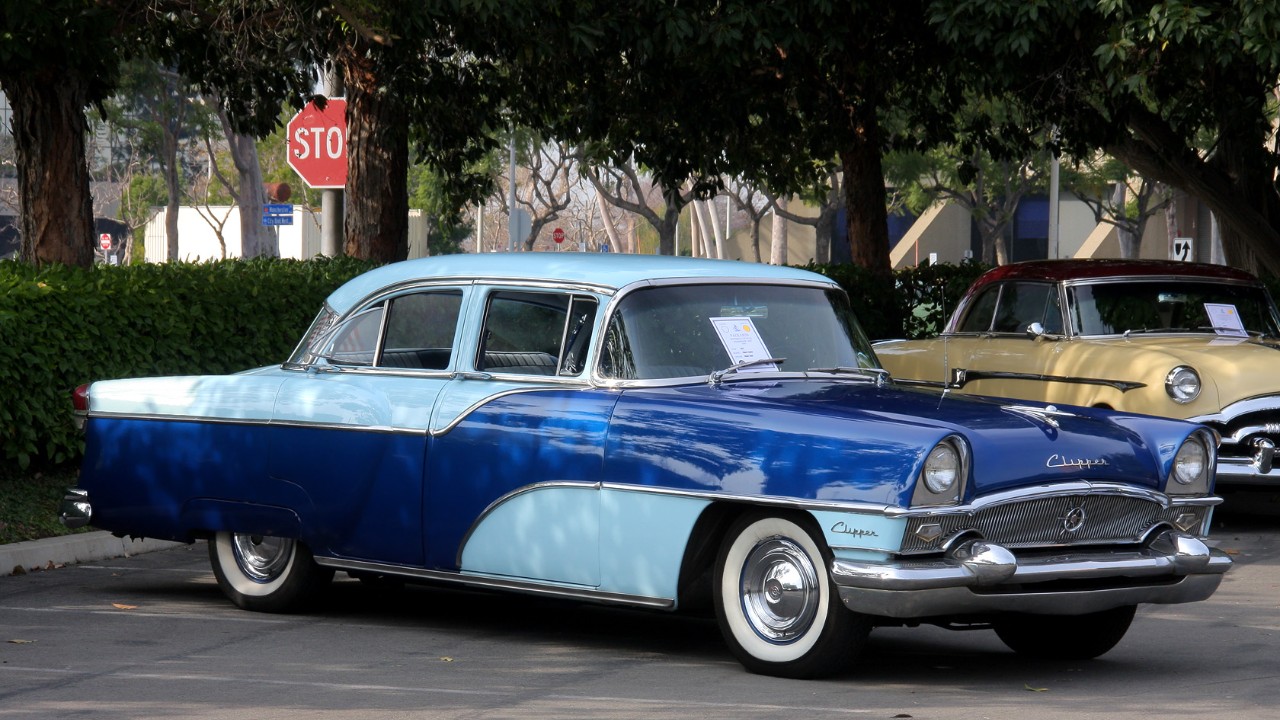
The 1957 Packard Clipper was really a Studebaker with Packard badges, and enthusiasts call it the “Packardbaker.” That nickname tells you how most people remember the end of the company. However, Packard spent more than half a century building cars that deserved a far kinder memory than that.
Most of the attention goes to a handful of famous names. The Caribbean convertibles and the custom-bodied senior cars get the magazine covers. Meanwhile, the cars that paid the bills, the brass-era workhorses and the show cars that pointed somewhere new tend to slip through the cracks.
These are our picks, and the verdict is our opinion. We think each of these 11 Packards earned more credit than it got, from a 1910 touring car to the last Packard Clipper. The years, engines and production figures come from auction records, museum files and model histories, so the facts hold up even if you’d rank them differently.
1. 1938 Packard Super Eight Mayfair coupe
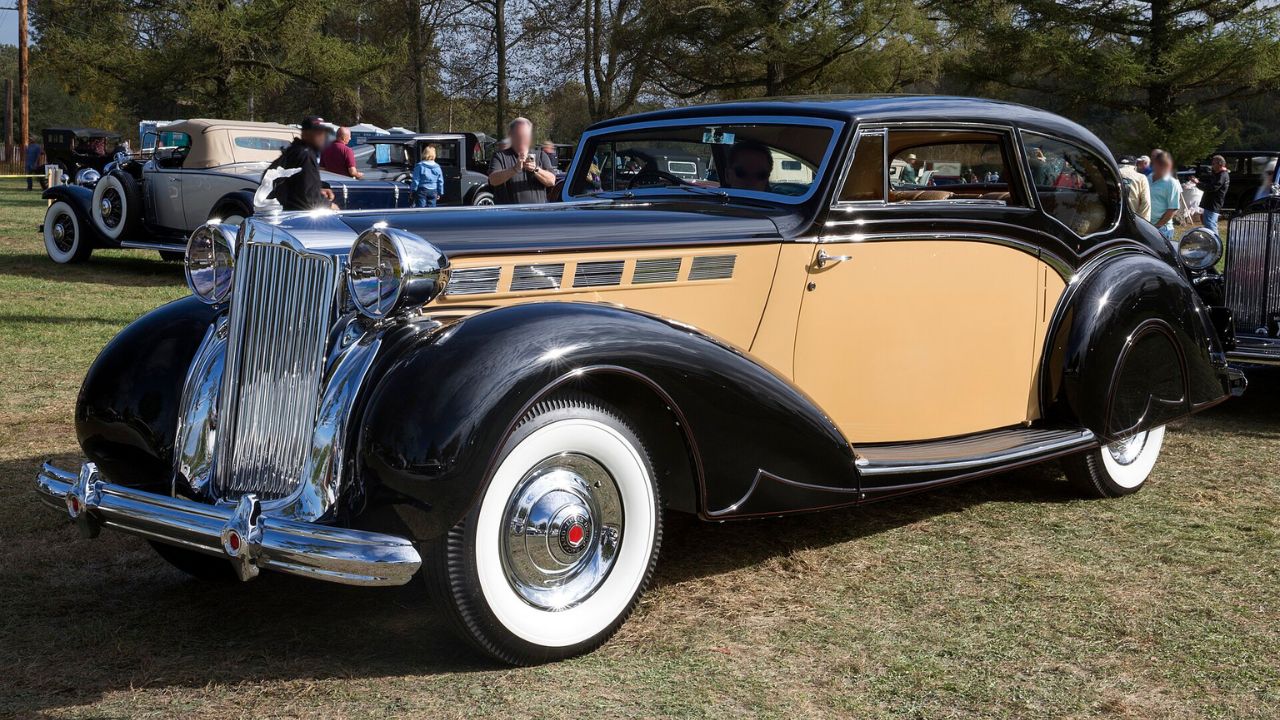
The Super Eight sat in the middle of Packard’s senior range, and that is exactly why it gets overlooked. In 1938 it carried a 320-cubic-inch L-head straight eight rated at 130 horsepower on a 134-inch wheelbase. Those figures come from RM Sotheby’s catalogue for a 1938 Packard 1604 Super Eight.
The engineering was more modern than the upright grille suggests. For the second year running, the Super Eight chassis had independent front suspension and hydraulic brakes. The 1938 cars also came with a built-in dual defroster and a four-position parking light system. In other words, this was a big luxury car that had learned to stop and steer like a newer design.
Collectors have noticed, at least at the top of the market. RM Sotheby’s sold a 1938 Super Eight convertible coupe for $176,000 at Hershey in 2013. Our take: a closed coupe like this one gives you the same chassis and the same eight-cylinder smoothness for far less fuss. Even so, it rarely gets a second glance next to the open cars. In our view, that makes it one of the most honest prewar Packards you can own.
2. 1954 Packard Cavalier
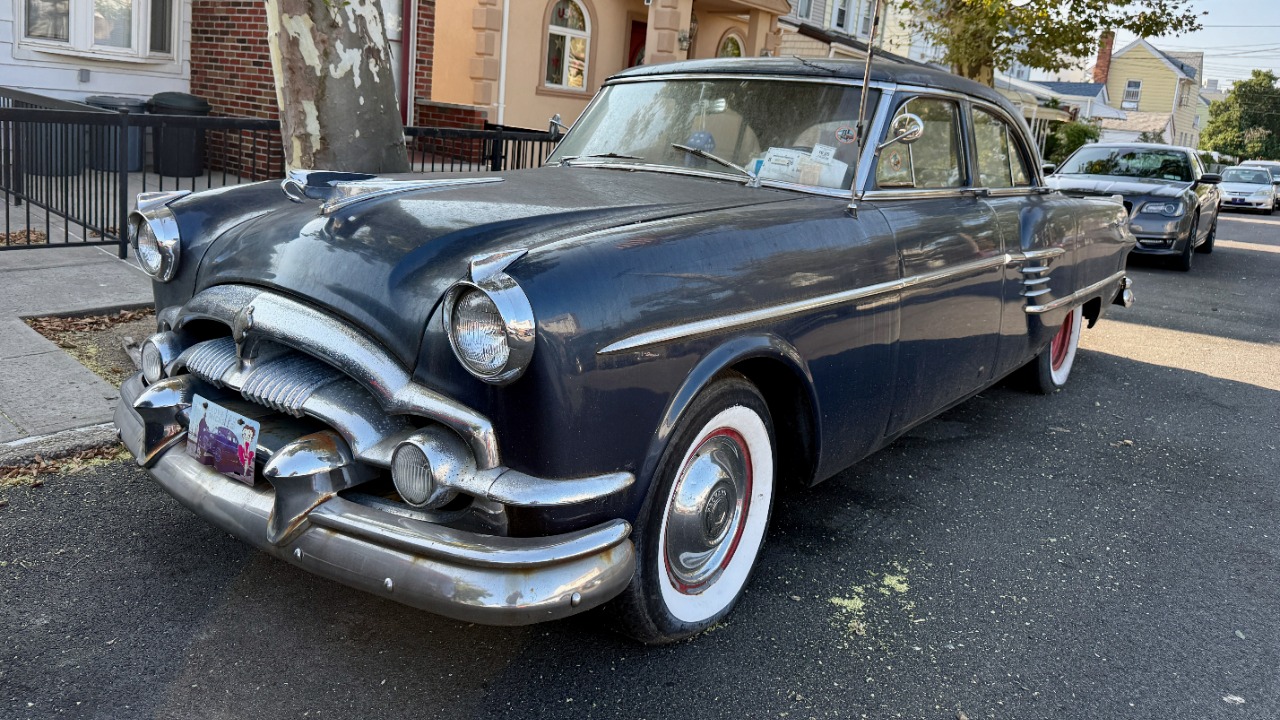
The Cavalier name arrived in 1953, when Packard renamed its 300 series. At the time, Packard was moving away from the strict number-based model names it had used. The new name came only as a four-door sedan, and it took over the 300’s spot in the middle of the range.
By 1954, the Cavalier ran the 327-cubic-inch “Thunderbolt” straight eight with a four-barrel Carter carburetor. That combination made 185 horsepower. It was the same 327-cubic-inch size Packard had used in the 300 sedan back in 1951. For context, that was serious output from an inline eight. Packard’s own V8 was one model year away, because it arrived for 1955.
That timing is the whole problem for the Cavalier’s reputation. It was the last sedan of its kind before a much more famous engine arrived. So most shoppers skip straight to the 1955 cars. We think that’s a mistake, because the 1954 Cavalier is a well-finished car with an engine that represents the peak of Packard’s eight-cylinder era. If you want the straight-eight experience at its most developed, this is where we’d look first.
3. 1940 Packard One-Ten
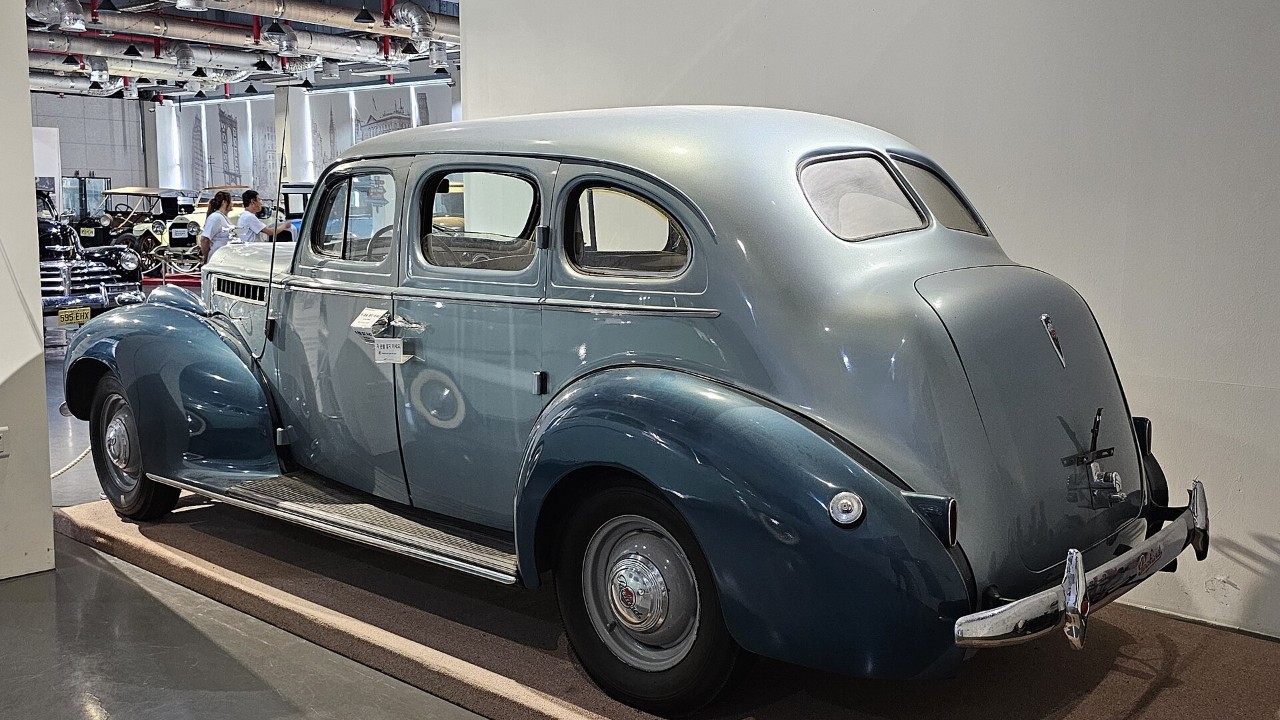
The One-Ten was Packard’s entry-level car for 1940 and 1941. In fact, it was a renamed version of the Fifteenth Series Six, the 115-C. It used a 245-cubic-inch inline six and shared the wheelbase of the One-Twenty.
Prices started at $867 for the business coupe and ran to $1,200 for the station wagon. Packard built 62,300 of them for the 1940 model year, which is a big number for a luxury maker. Later, for 1941, Packard even added a taxi line within the One-Ten range. Then the name changed back to Packard Six for 1942.
Our take: the One-Ten is the Packard that kept the lights on, and it rarely gets credit for it. It brought the radiator shape and the build quality to buyers who could never stretch to a senior car. By comparison, the eights get all the romance. We’d argue the six-cylinder cars deserve a spot in any honest history of how Packard survived into the 1940s. They’re also a friendly way into prewar ownership, because a six is simpler to keep running than a big eight.
4. 1937 Packard Six convertible coupe
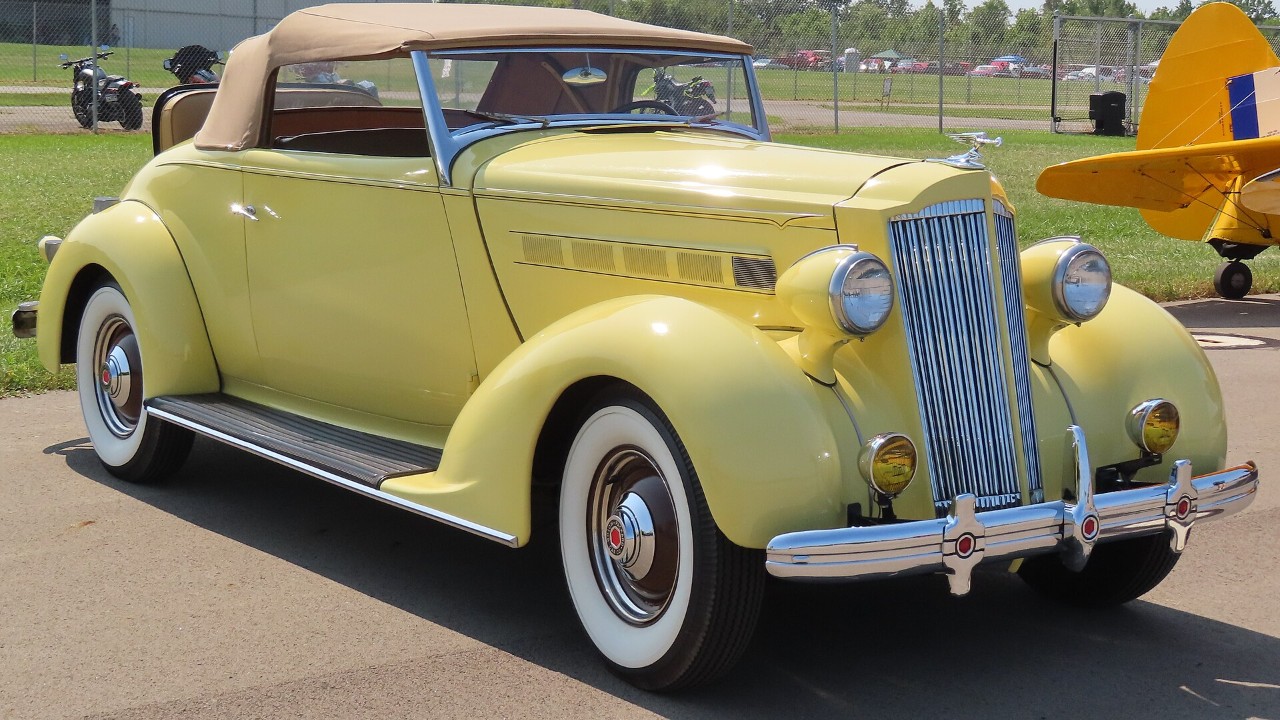
The Six was Packard’s bold move further down the price ladder. According to RM Sotheby’s lot notes for a 1937 Packard Six convertible coupe, it was priced just $100 more than the top models from Chevrolet, Ford and Plymouth. That let Packard dealers sell a car in nearly every price class.
It wasn’t a stripped special, either. The Six used a 237-cubic-inch L-head inline six rated at 100 horsepower, on a 115-inch wheelbase. RM Sotheby’s also notes that Packard built a record 109,518 cars, a total it never reached again. About 90 percent of sales came from the Six and the One Twenty lines. Meanwhile, RM Sotheby’s counts 50 Packard models on offer for 1937, so the Six had plenty of company in the showroom.
For years, purists treated the Six as the Packard that diluted the brand. We disagree. A rumble-seat convertible coupe like this one is pure 1930s style with a smaller engine. On top of that, it’s far easier to live with than a senior car. RM Sotheby’s sold that 1937 convertible coupe for $44,000 at Hershey in 2012, which shows that real money now follows the good ones.
5. 1912 Packard Model 30
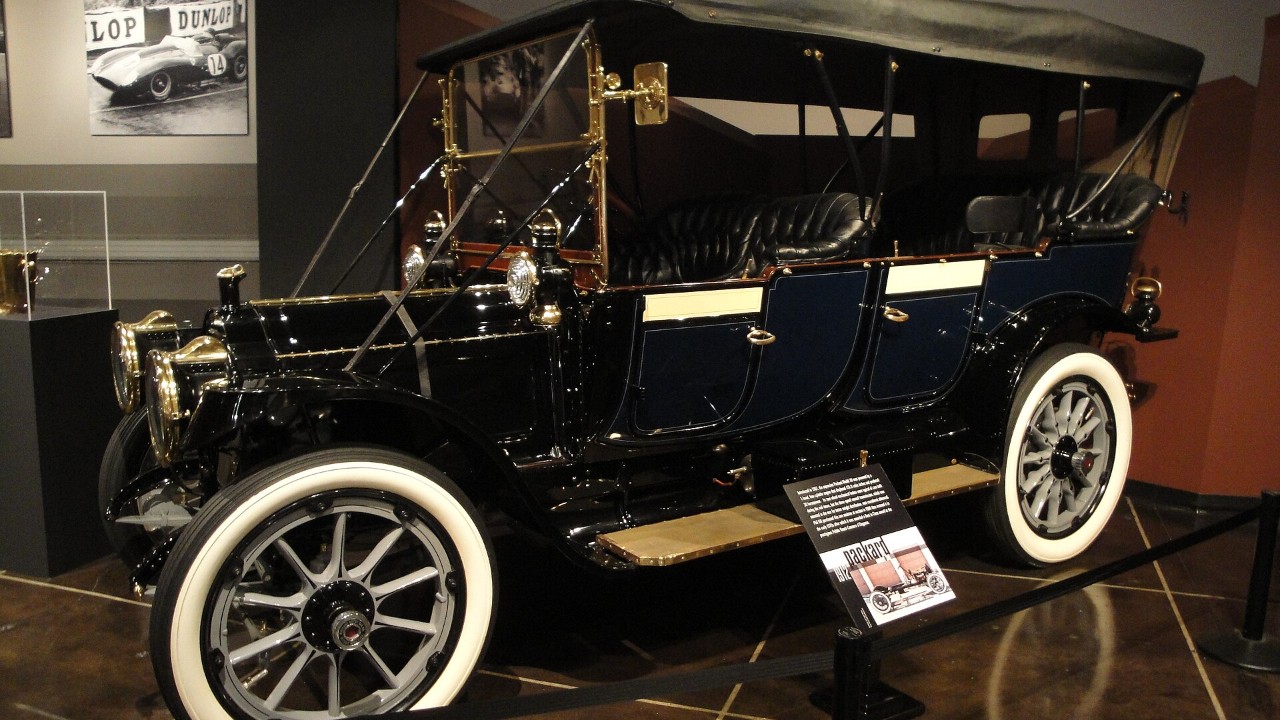
The Model 30 arrived in 1907 and ran until about 1912. It was the big Packard of the brass era, and its engine shows why. The Audrain Automobile Museum lists a 432-cubic-inch four-cylinder making 30 horsepower, with a top speed of just 800 rpm. A three-speed manual sent the power to the rear wheels.
It sold well for a car of its price. Packard delivered 1,501 Model 30s in its first year and 2,493 in 1910, according to Auto Restorer. Even so, the Audrain says very few Model 30s are known to exist today. By comparison, the smaller Model 18 made 18 horsepower, so the Thirty was the car for buyers who wanted the bigger Packard.
The car also has a racing-world twist. The Audrain’s 1912 touring car was restored by its second owner, racing driver Phil Hill, with Bob Mosier between 1969 and 1972. It then won its class at Pebble Beach in 1976 and again in 1999. Our take: the Model 30 is where Packard’s reputation for quality really began. Most car fans couldn’t pick one out of a lineup, and in our view that is a shame.
6. 1957 Packard Clipper Town Sedan
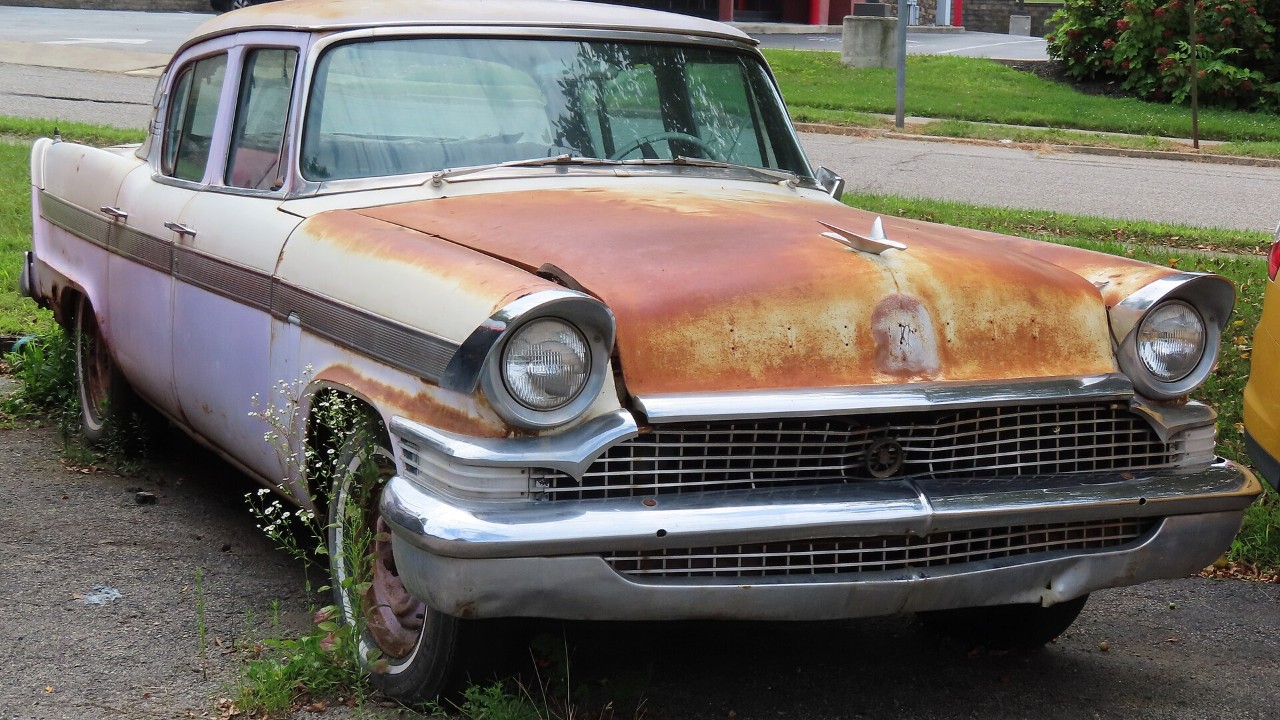
The 1957 Packard Clipper is the car everyone loves to mock. As Hagerty’s Thomas Klockau puts it, it was “essentially a 1957 Studebaker President Classic.” The Town Sedan used that car’s chassis stretched four inches, and it was built in South Bend, Indiana, not Detroit.
Yet the hardware was more interesting than the jokes. The only engine was Studebaker’s 289-cubic-inch V8 with a McCulloch VS-575 supercharger. It made 275 horsepower at 4,800 rpm. The Town Sedan cost $3,212 new. Packard sold only about 4,800 Clippers that year, and 869 of them were station wagons. For more on what South Bend was building at the same time, see our list of rare Studebakers collectors are rediscovering.
Our take: the “Packardbaker” deserves a fairer hearing. It was a factory-supercharged family sedan, and that’s a fun thing to own. It also marks the moment a proud name tried to survive on borrowed parts. That’s a story worth owning. The last true Detroit Packard had rolled off the line on August 15, 1956, so this Packard Clipper is the bridge to the end.
7. 1956 Packard Predictor
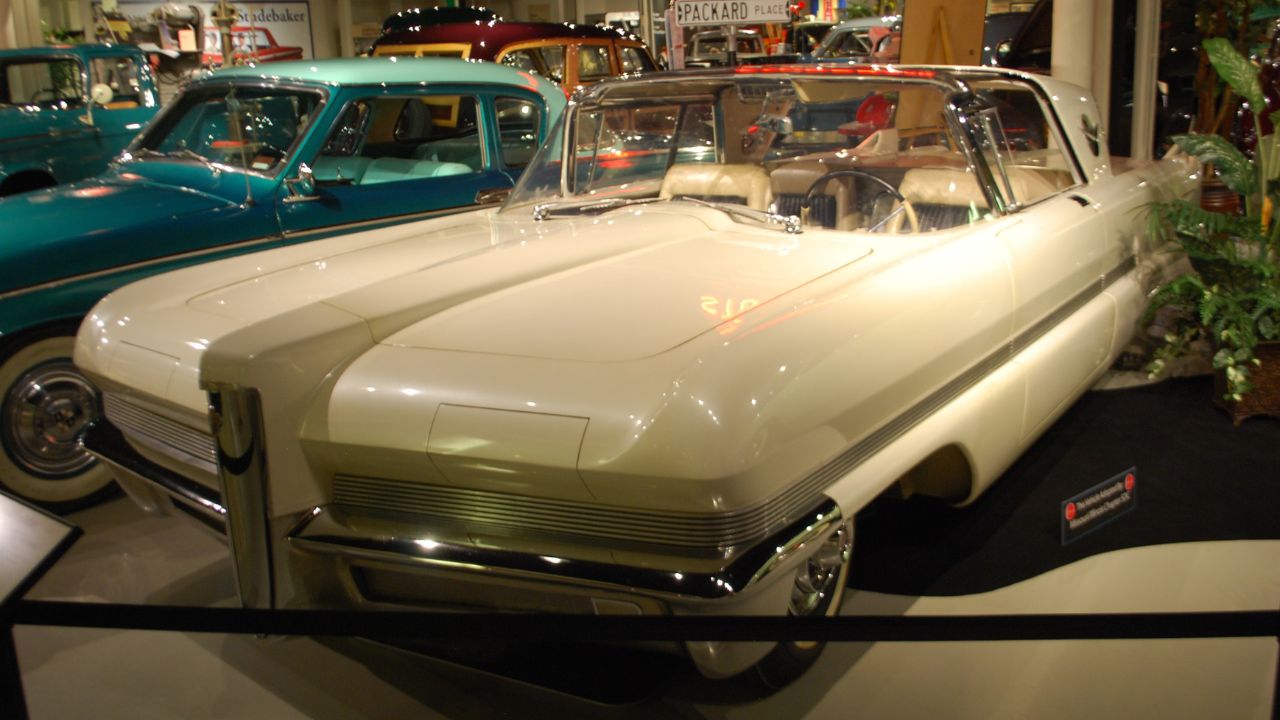
The Predictor almost went on display as the “Projector.” Packard changed the name just before its debut at the Chicago Auto Show in early 1956. It was a one-off show car, designed under Packard styling chief Dick Teague and built in Turin by Carrozzeria Ghia, according to Hagerty’s history of the Predictor. Packard spent about $70,000 on the project.
The list of features reads like a car from a decade later. Steel roof panels rolled back above the side windows, which Hagerty notes came before T-tops. Push-buttons worked the rear window, side glass, roof panels, hidden headlights and the Ultramatic transmission. Meanwhile, the front bucket seats swiveled for easier entry. Underneath sat a 260-horsepower, 352-cubic-inch Packard V8 and Torsion-Level suspension from the Clipper. On that Clipper chassis, the car stretched 222 inches long.
The Predictor didn’t save the company. Still, Hagerty argues it anticipated the long, low look that took over the late 1950s and 1960s. Our take: few show cars from a failing company looked this confident. Today it lives at the Studebaker National Museum in South Bend, after LaVine Restorations restored it in the late 1980s.
8. 1953 Packard Balboa X
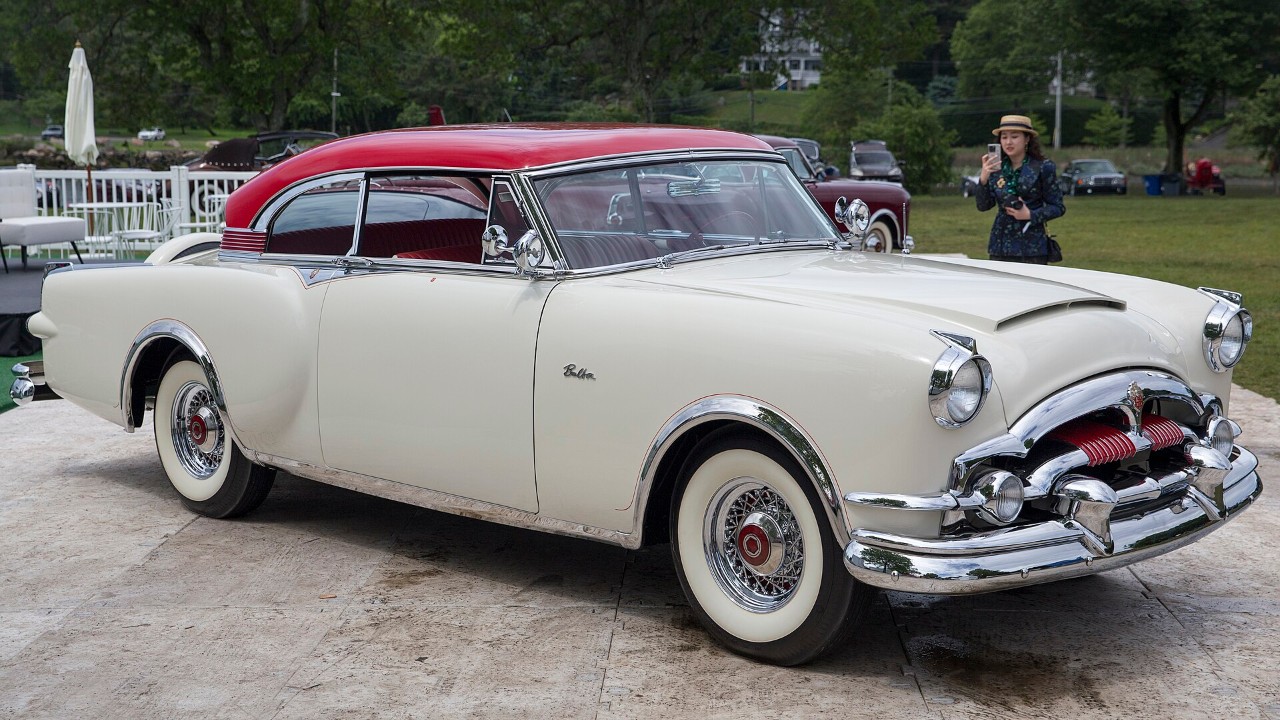
Dick Teague became Packard’s chief stylist in 1952, and the Balboa X was one of his early show cars. It started life as a 1953 Caribbean convertible, the limited-edition car that was just entering production. Teague then gave it a custom steel roof he called the “Canopy Top,” according to Mac’s Motor City Garage.
The roof is the whole point. It had an extended C-pillar, a reversed back angle and a rear overhang that shaded a nearly vertical back window. That glass was meant to power up and down, but the hardware was never fitted, so it stayed fixed. Later, variations on the idea showed up on the Predictor, the 1958 Lincolns and the Mercury Breezeway cars. If the Caribbean underneath interests you, our look at rare Packard Caribbeans covers that car in depth.
The Balboa X never reached production. However, it wasn’t quite a one-off. A second Caribbean got the same treatment from Don Mitchell of Mitchell-Bentley, and both cars survive. Our take: Packard showed a roof idea that later turned up on Lincolns and Mercurys. In our view, that’s exactly the kind of credit the brand never got.
9. 1955 Packard Clipper Custom Constellation
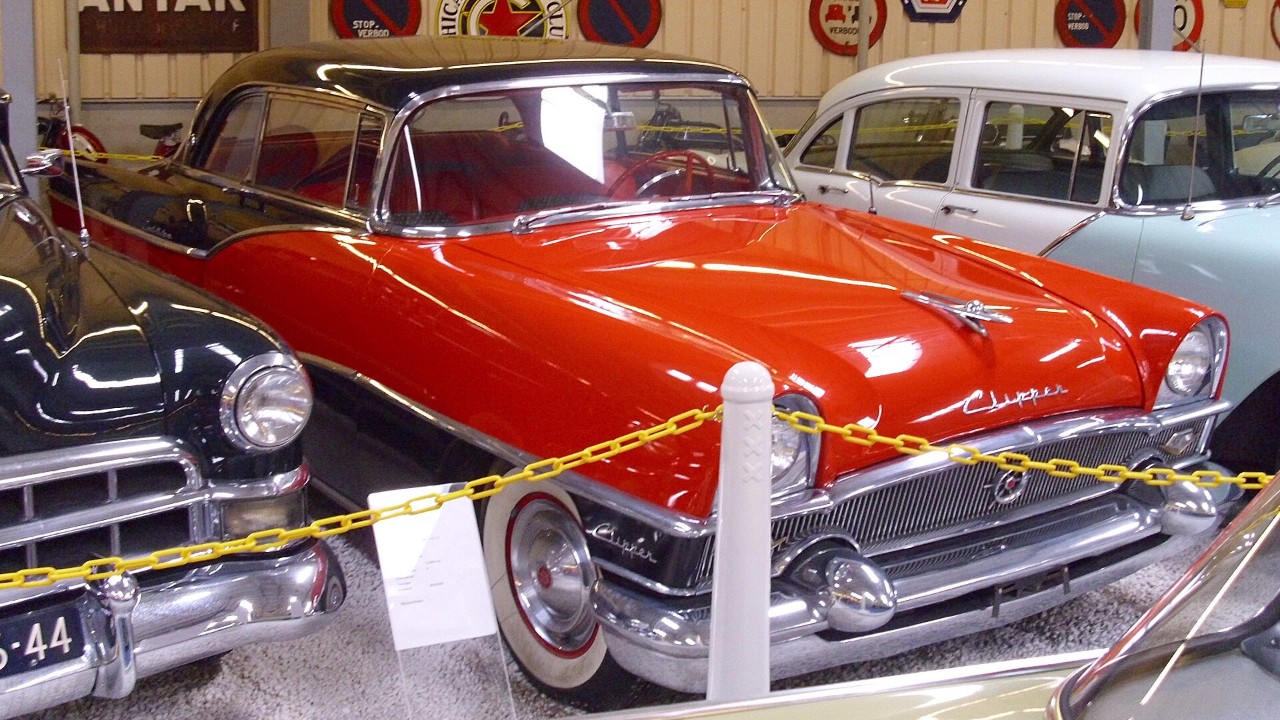
For 1955, the Clipper Custom finally got the engine Packard fans had been waiting for. It carried a 352-cubic-inch V8 rated at 245 horsepower at 4,600 rpm, with 355 lb-ft of torque. Those figures come from Over Drive magazine’s 1955 Packard fact sheet. That same source lists Torsion-Level suspension as standard on the Clipper Custom and the senior Packards, and unavailable on other models.
The Constellation was the two-door hardtop of the Clipper Custom line. It was listed as model 5567 at $3,076. Packard delivered 6,672 of them in 1955. Then, in 1956, only 1,466 Custom Constellation hardtops followed. Also, Ultramatic was a $199 option on every 1955 Clipper, while a three-speed manual came standard.
That suspension is why we’d pick this car. Packard reserved Torsion-Level for its best cars, and here it came in a stylish hardtop. In fact, the Clipper Custom shared it with the senior Packards. Our take: the 1955 Packard Clipper Constellation gave mid-priced buyers real engineering at a time when Packard badly needed a win. It deserved a much longer run than it got.
10. 1910 Packard Model 18 touring car
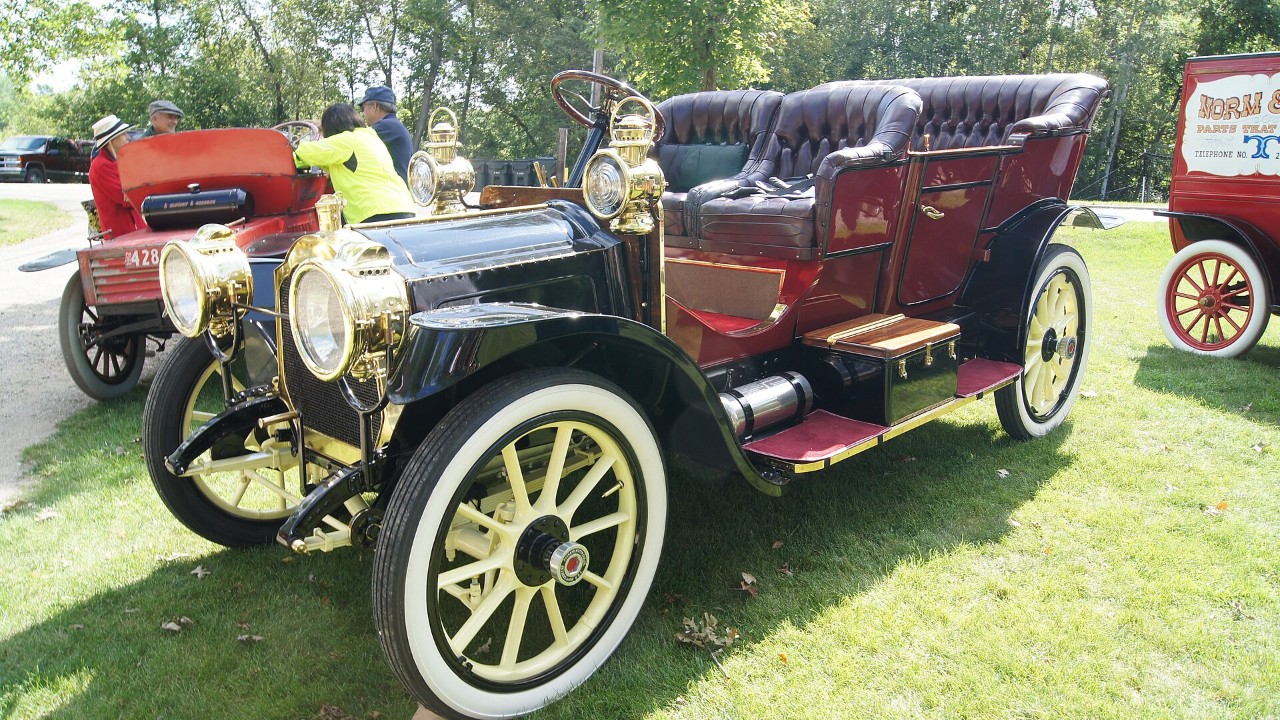
The Model 18 was Packard’s smaller car, sold alongside the bigger Model 30. This one wears open touring-car bodywork. Underneath, the Model 18 used a T-head four-cylinder engine rated at 18 horsepower at just 650 rpm, with a three-speed sliding-gear transmission.
It came on a 102- or 112-inch wheelbase depending on the body, according to Auto Restorer. That same article says a careful buyer could save up to $1,200 on a limousine by choosing the Model 18 over the Model 30. Packard delivered 766 Model 18s in 1910, against 2,493 Model 30s. Jay Leno owns a Model 18 touring car that he converted into a gentleman’s roadster.
Our take: the smaller Packard got overshadowed by its big brother from the start. Yet it was the sensible choice for a city buyer with a chauffeur. That also makes it one of the more charming ways to see what early Packard quality looked like. For more prewar picks, see our list of Packards collectors wish they’d bought years ago.
11. 1951 Packard 250
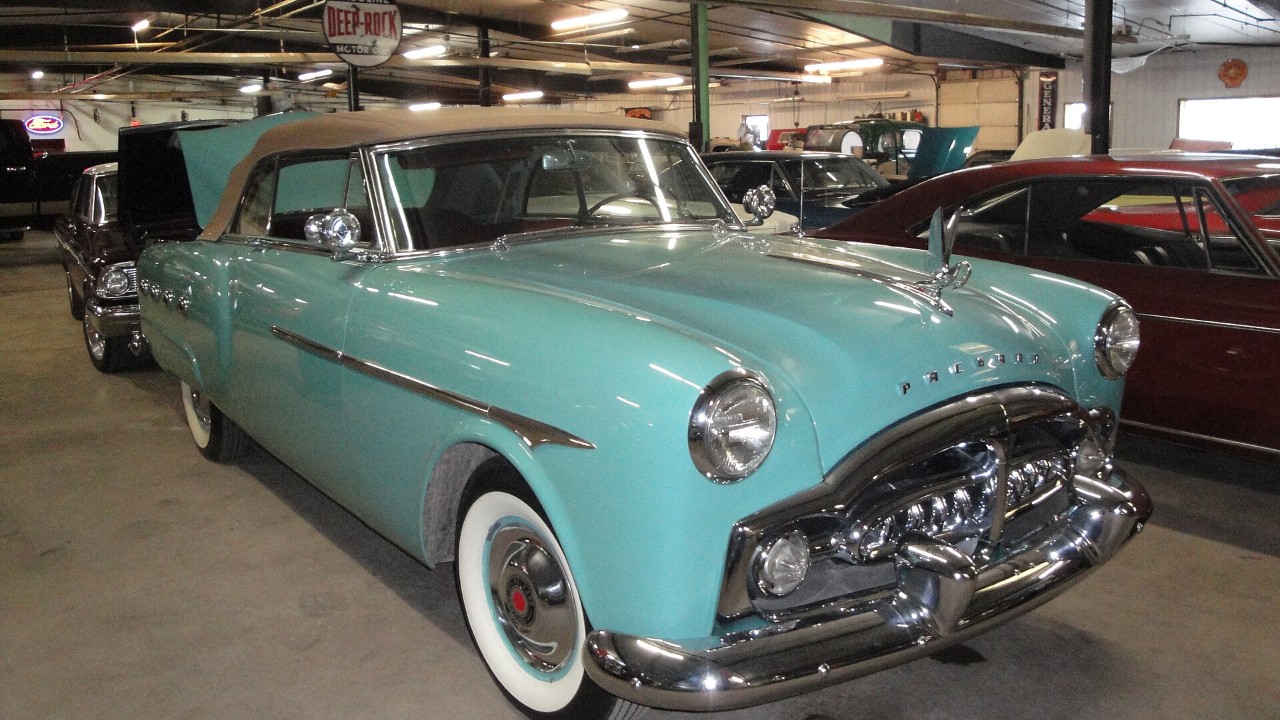
Packard revealed an all-new 24th Series line on August 24, 1950, designed by John Reinhart. Then, in March 1951, the 250 series joined it. It filled the gap left when Packard dropped the Victoria convertible, and it came only as a convertible or a Mayfair two-door hardtop, according to Over Drive’s 1951 Packard fact sheet.
The 250 used the 327-cubic-inch L-head straight eight on a 122-inch wheelbase, the same length as the 200 series. It made 150 horsepower with the manual gearbox and 155 with Ultramatic. A Mayfair started at $3,234. Ultramatic, power steering, power brakes and power windows were all on the options list. Better yet, the Mayfair hardtops were Packard’s first hardtops. By comparison, the 400 Patrician cost $3,662 and came only as a four-door sedan. So the 250 was the stylish choice in the range.
Our take: the 250 was a smart, stylish car that never got a V8. Because of that, it’s often treated as a footnote between the prewar classics and the 1955 cars. We think it deserves better. Packard dropped the 250 series in 1954.
More from Fast Lane Only