The Overland Model 69 went on sale in August 1912, and it helped turn John Willys’s rescued car company into a giant. From 1912 to 1918, Willys-Overland was the second-largest car producer in the United States, behind only Ford. Most people today know the name from one vehicle, the Jeep.
That’s a shame, because the Toledo company built far more than wartime runabouts. It sold sleeve-valve sixes, bargain-priced fours, a clever postwar compact and an all-steel wagon. It even had a second life in Brazil, where its cars outlived the American versions by years.
These are our picks, seven Willys models we’d never sell if one landed in our garage. Some are prewar survivors, some are workhorses, and one was built in Brazil. Our verdicts are opinion, but every fact behind them comes from a source we checked.
1. 1913 Willys-Overland Model 69 Roadster
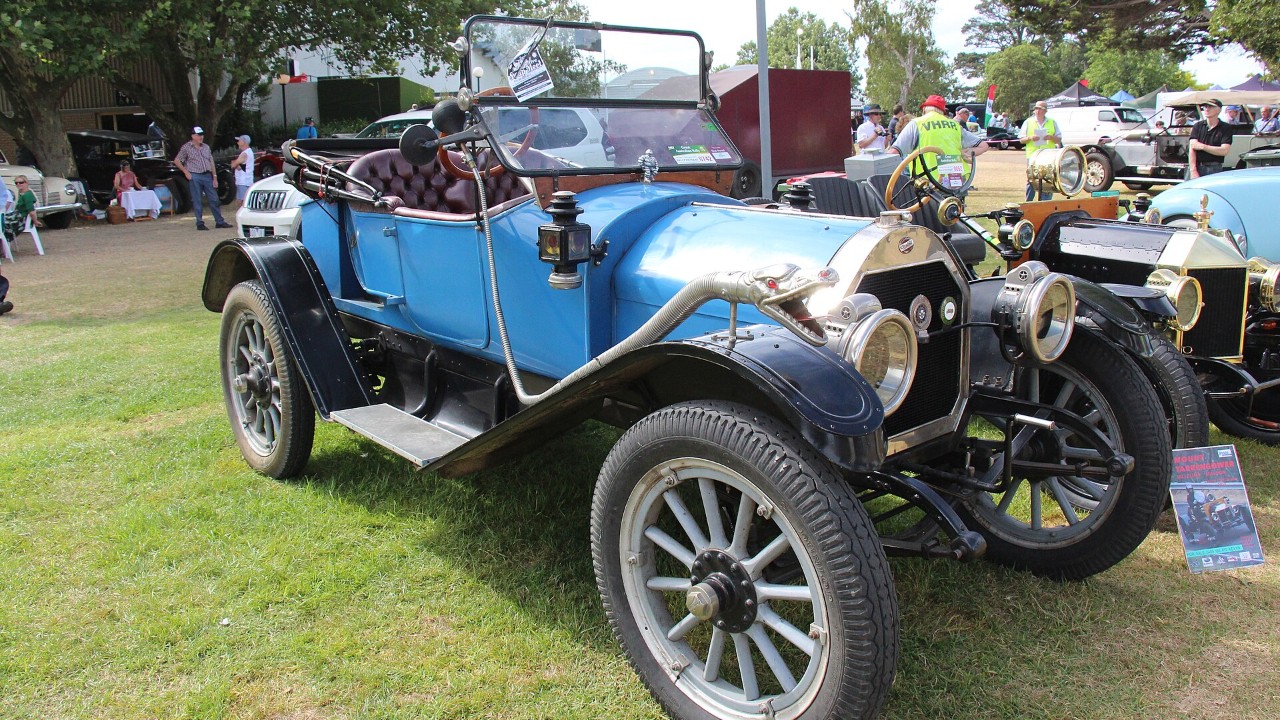
John North Willys started as a car dealer in Elmira, New York. According to RM Sotheby’s, he had a $10,000 deposit on an order of 500 Overlands when the maker nearly collapsed. So he stepped in and took control. Willys bought the business in 1908, and in 1912 he renamed it the Willys-Overland Motor Company.
The Model 69 shows how fast that bet paid off. The Willys-Overland-Knight Registry lists it as a four-cylinder car on a 110-inch wheelbase, priced at $985. Its serial numbers ran from 1 to 30,026, which hints at how many left Toledo. Earlier, in 1909, Willys had bought the huge Pope plant there for $285,000. Much later, RM Sotheby’s sold a 1913 Overland Model 69 touring car at Hershey in 2014 for $27,500, with proceeds benefiting the AACA Museum.
Our take: a Model 69 roadster is the car that built the company, and it still looks the part. Brass-era cars rarely come this approachable. We’d keep one forever, simply because it explains everything that followed, Jeep included.
2. 1926 Willys-Knight Model 65
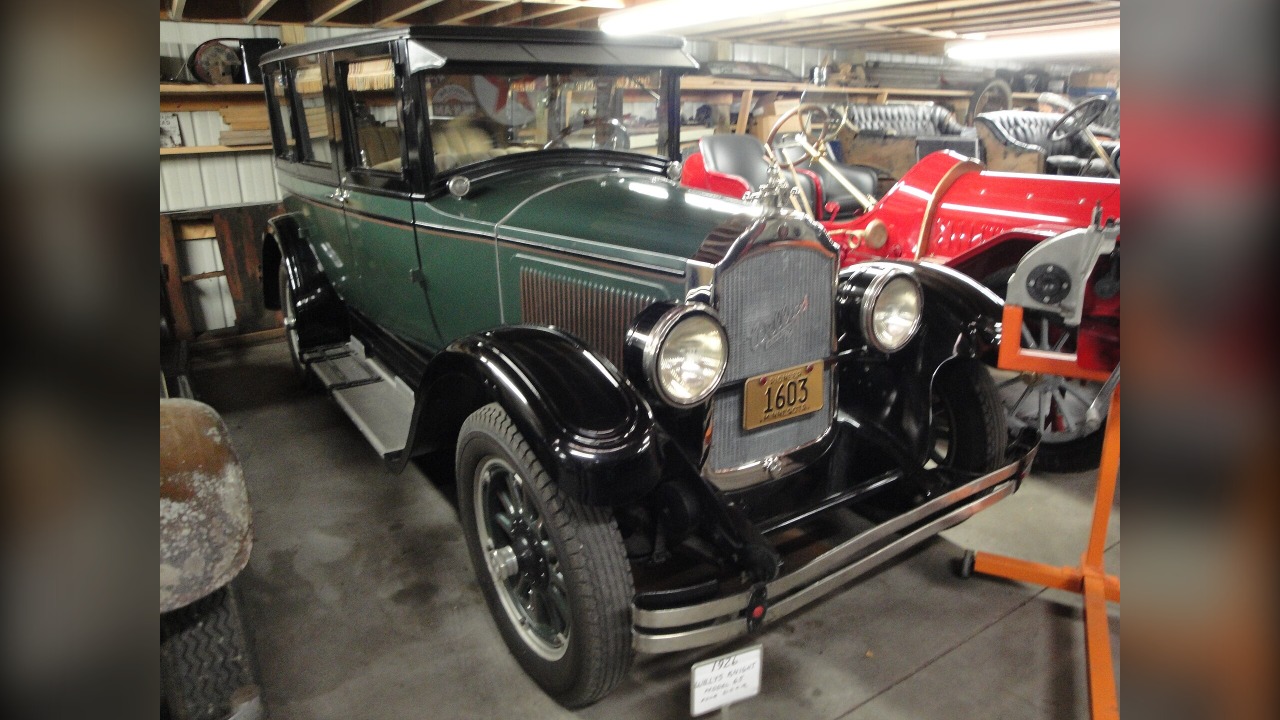
Willys-Knight cars used Charles Yale Knight’s sleeve-valve engine instead of ordinary poppet valves. The brand ran from 1914 to 1933. In 1915, Willys moved its assembly to Toledo, while engines kept coming from Elyria, Ohio. By 1917, the registry notes, buyers could pick an Overland, a Willys or a Willys-Knight, depending on budget and engine type.
The car pictured is a 1926 Willys-Knight Model 65, a car from the brand’s busiest years. Willys-Knight averaged about 50,000 cars a year after 1922, so the sleeve-valve idea clearly found buyers. That makes a mid-1920s car like this one the best way into the story today.
In our view, the Willys-Knight is the most interesting engineering in the Willys story. A sleeve-valve engine is a conversation piece that few modern car people have ever heard run. That alone makes it a keeper. We’d also enjoy explaining the sleeve-valve idea to every curious onlooker at a show.
3. 1936 Willys Model 77 Sedan
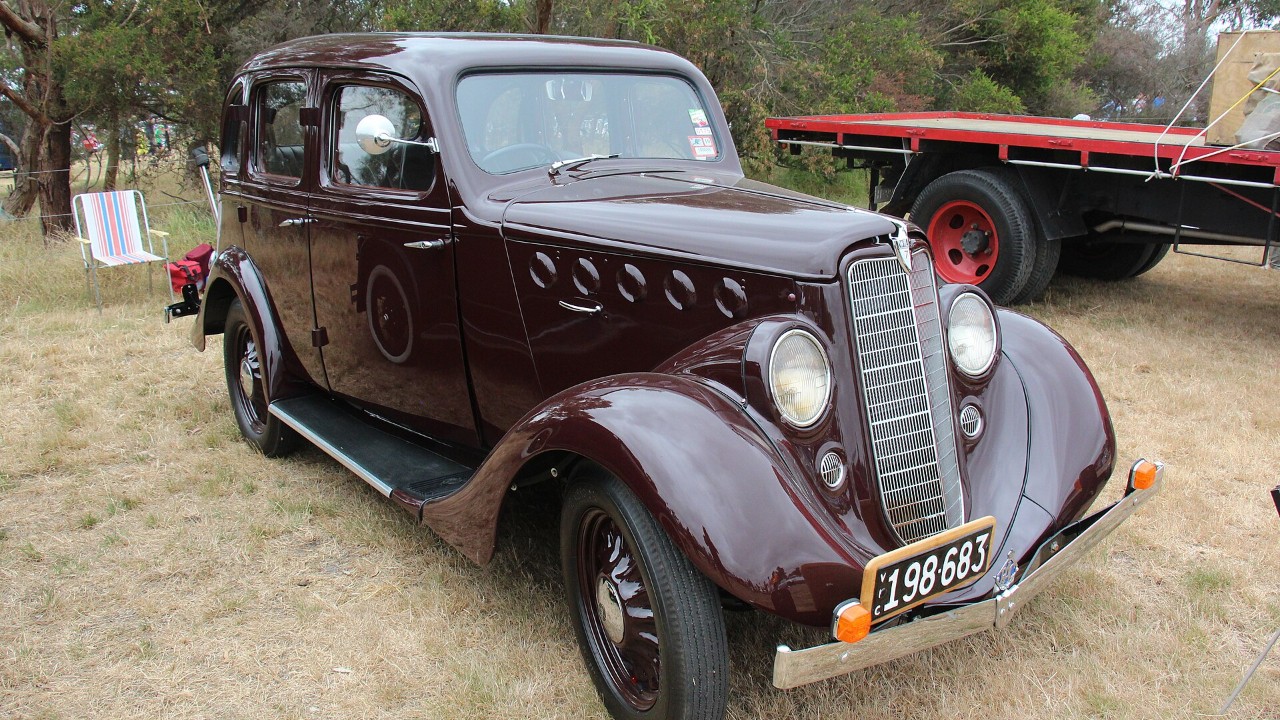
Willys sold the 77 from 1933 to 1942, and it was all about value. Its 145-cubic-inch four-cylinder made 48 horsepower, and the price stayed under $500. Furthermore, the car delivered 25 miles per gallon and could reach 65 mph. For Depression-era buyers, that mix made a lot of sense.
Sales were steady rather than huge, at 12,800 in 1933, 13,234 in 1934 and 10,644 in 1935. However, the 77 found a second career that Willys never planned. Its 65 mph top speed made it a popular base for racers. In fact, a tuned example averaged 65.2 mph over 24 hours on Muroc Dry Lake. Later, the early coupes became favorite gassers on drag strips. For 1937, Willys redesigned the car with a semi-streamlined body, so the 1936 sedan is one of the last of the original look.
Our take: the coupes became gasser favorites, so a stock sedan tells a different and gentler story. We’d keep a stock one exactly as it is, as a rolling reminder of how cheap motoring looked in 1936.
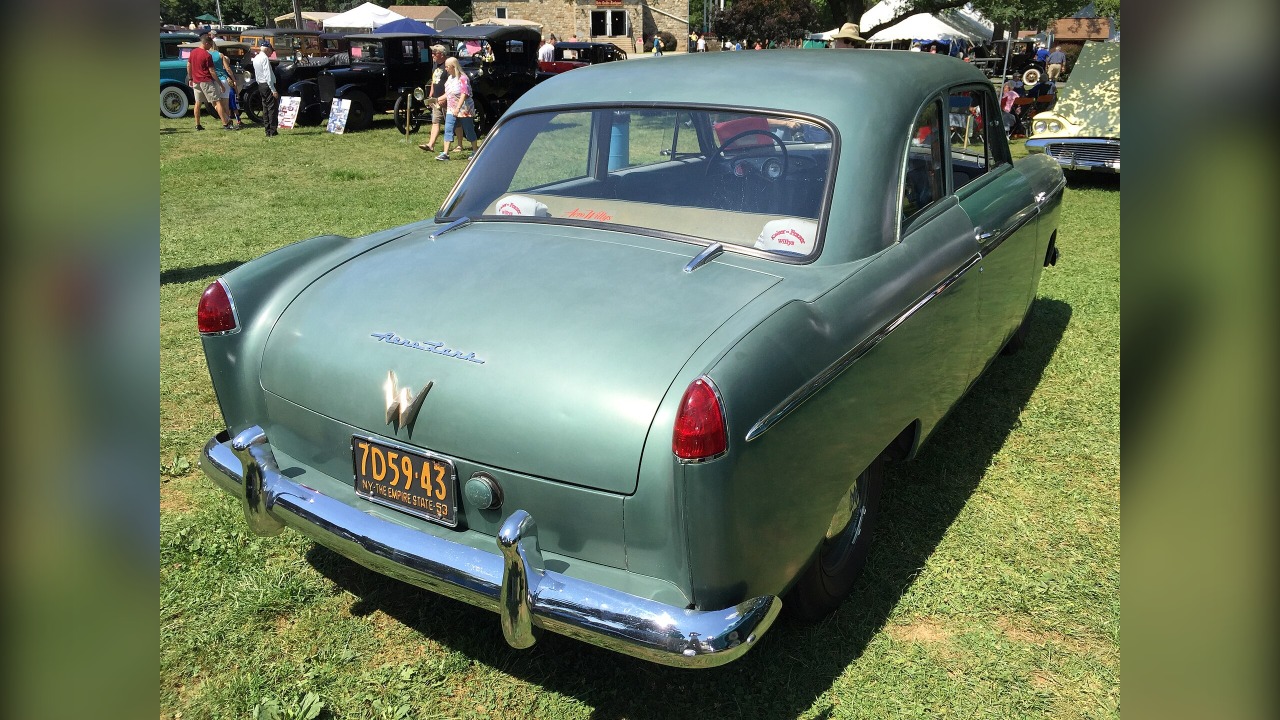
4. 1953 Willys Aero-Lark
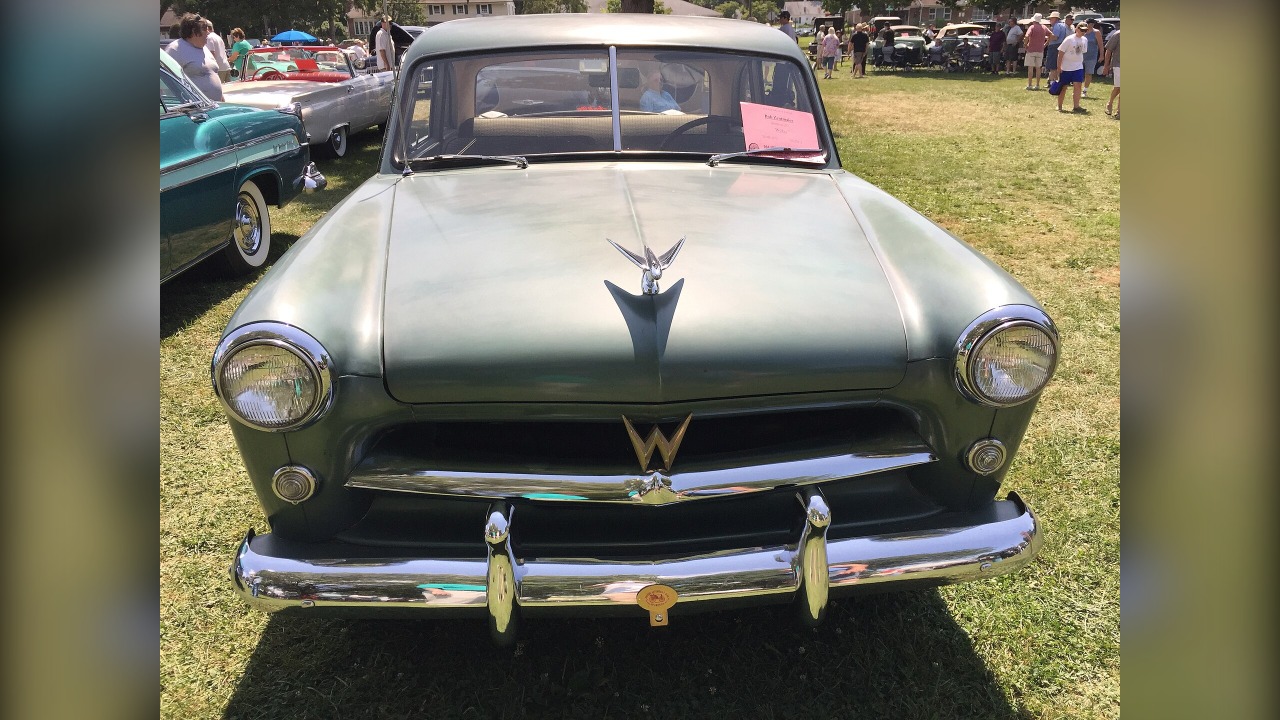
Willys returned to passenger cars in 1952 with the Aero, a new compact built in Toledo. The Lark was the basic model, while the Eagle sat at the top of the range. Some cars were also assembled in Maywood, California. The CJ-3B Page’s Aero history quotes writer Arch Brown describing a “lightweight, unibody compact weighing just 2600 pounds and riding a 108-inch wheelbase.” Clyde Paton, a former Packard engineer, is often called the father of the Aero.
Every domestic Aero used a six-cylinder engine, starting with the flathead Lightning six. However, the timing was tough. Kaiser bought Willys in April 1953, and American Aero production ended after 1955. Price didn’t help, either. The same history notes that the Aero sold for $150 more than a Chevrolet Bel Air hardtop.
In our opinion, the Aero-Lark is the most underrated car Willys ever built. It was a light unibody compact from a company better known for Jeeps. A plain 1953 Lark is the purest version of that idea, and we’d never let one go.
5. 1953 Willys Jeep CJ-3B
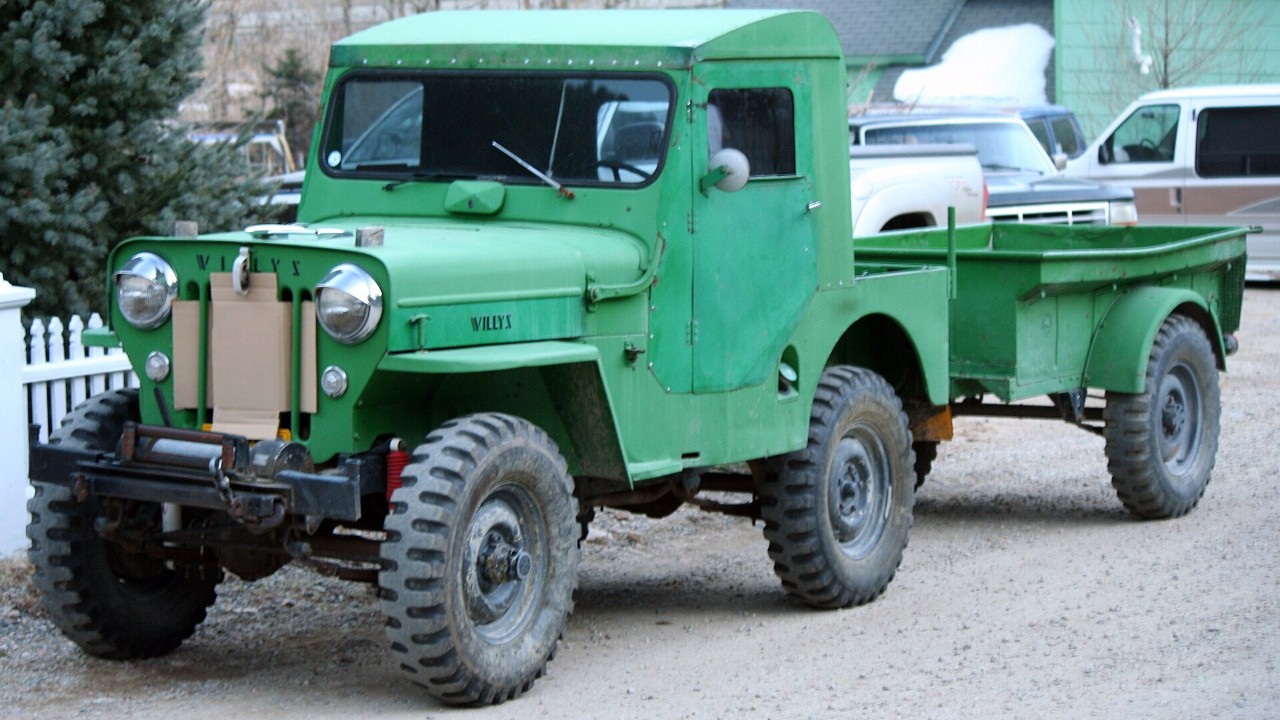
The CJ-3B replaced the CJ-3A in 1953, the same year Kaiser bought Willys-Overland. You can spot one instantly by its tall grille and hood. Willys raised them to clear the new Hurricane F-head four, which sat taller than the old engine. As a result, the CJ-3B has a slightly awkward, upright face that fans love.
That face lasted a remarkably long time. About 196,000 CJ-3Bs were built until 1968, and 155,494 of them came from US plants. Overseas, the design lived on even longer. Mitsubishi built its own version from 1953 to 1998, a run of 45 years. Meanwhile, Mahindra in India kept making vehicles based on the CJ-3B until October 1, 2010.
Our view: the CJ-3B is the flat-fender Jeep with the most distinctive face. It’s simple, tough and easy to work on. Civilian Jeeps also had famous fans, as Ronald Reagan’s Willys CJ-6 shows. We’d never sell a good CJ-3B, especially one already hitched to a trailer.
6. 1962 Willys Jeep Utility Wagon
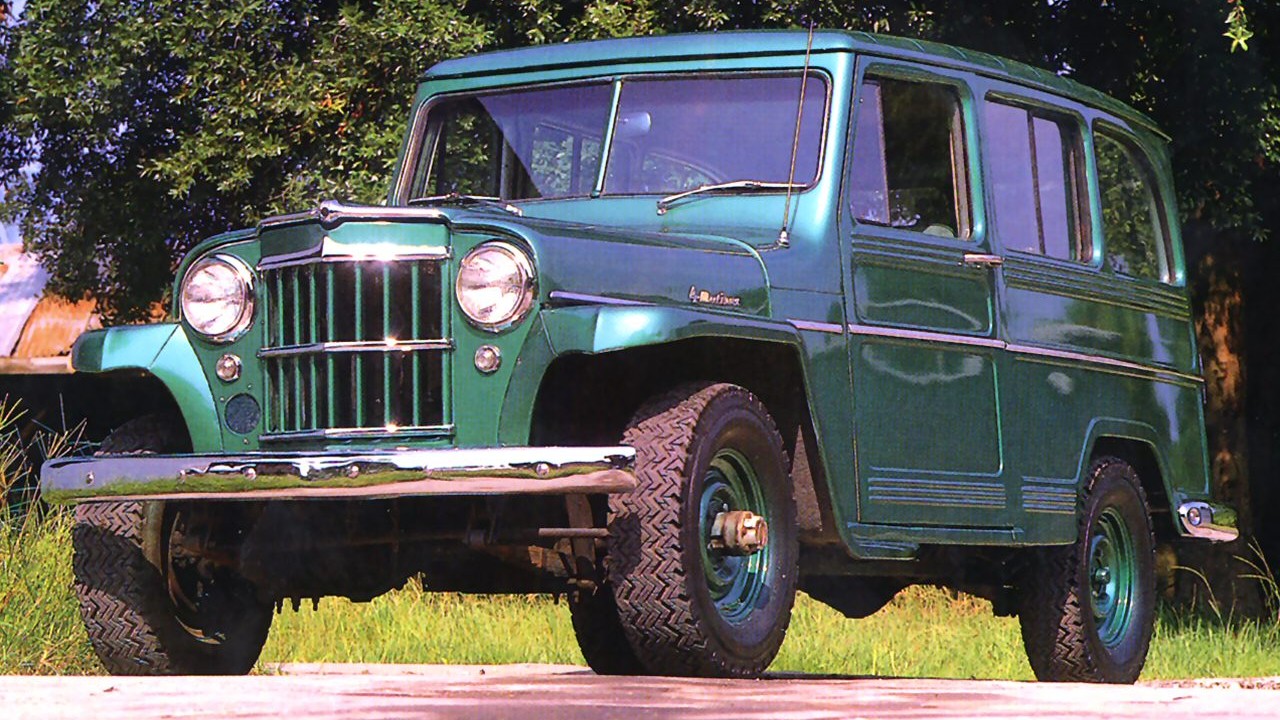
Industrial designer Brooks Stevens shaped the Jeep Station Wagon for Willys after World War II. It went on sale in 1946 with an all-steel body built for passengers, not just cargo. Then, in 1949, a four-wheel-drive version arrived, and Willys sold the 4×4 models as the Utility Wagon.
The 1962 model year brought a big change. In May 1962, the new overhead-cam Tornado six replaced the old flathead six. However, the wagon’s days were numbered. The Jeep Wagoneer debuted for 1963, and American production of the old wagon ended in 1964. By then, more than 300,000 wagons and their variants had been built in the United States. Production also continued in Argentina until 1970 and in Brazil until 1977.
We think the Utility Wagon is the ancestor of every family SUV on the road today. It’s tall, square and useful, with four-wheel drive and room for gear. A late wagon, with its Tornado six, is the one we’d want, and we’d never trade it for anything newer.
7. 1968 Aero-Willys 2600
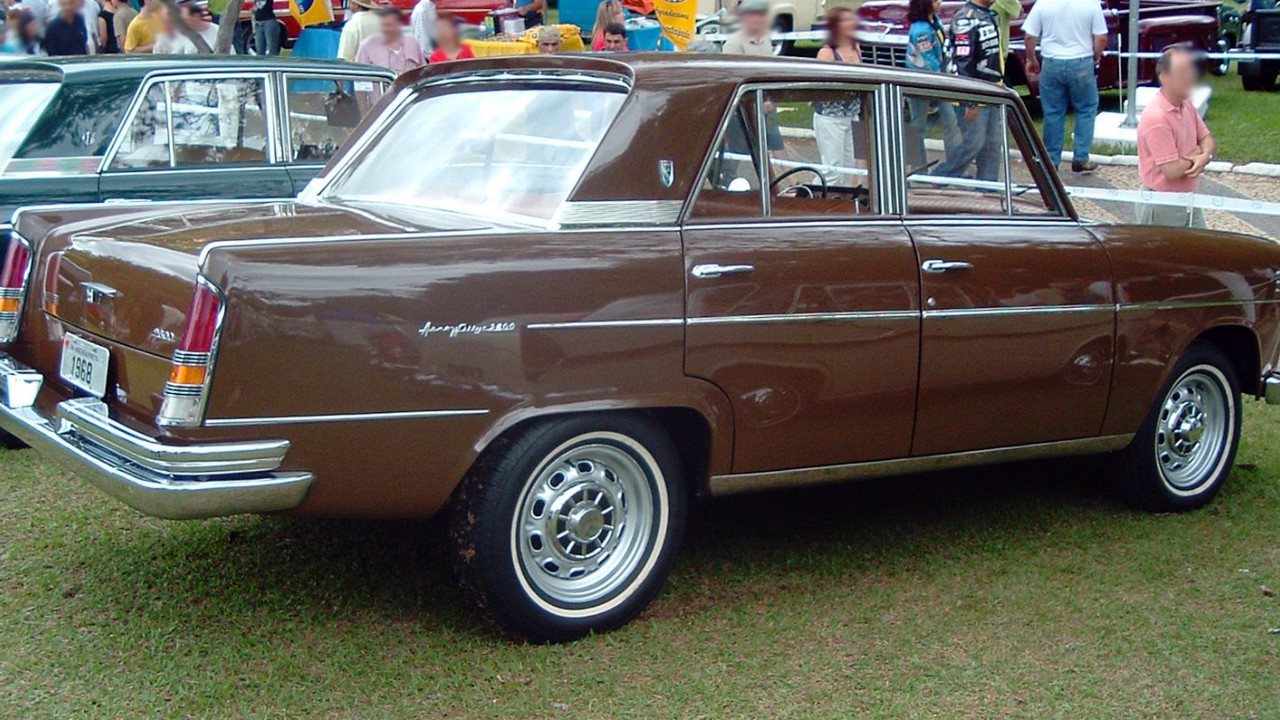
The American Aero died in 1955, but Brazil gave it a second life. Willys do Brasil started building the Aero in São Paulo in 1960. Then, in 1963, Brooks Stevens restyled it into a crisper sedan sold as the Aero-Willys 2600. According to the Savoy Automobile Museum, Willys do Brasil built 116,967 Aeros from 1960 to 1971. The museum’s own 1963 car is believed to be one of two sent to Toledo for engineering evaluation.
Brazilian Aeros used Willys’s 161-cubic-inch six in 90, 110 and 132 horsepower versions. The range also included the Itamaraty, a luxury version, plus a limousine called the Executivo. Later, the cars were sold through Ford do Brasil dealerships. We covered the Itamaraty in our guide to Willys-Overland models.
Our take: the 2600 is the Willys most Americans have never seen. It carries a familiar name, yet it looks like nothing Toledo ever built. That makes it a perfect show car, and we’d never part with one. In our view, it also proves the Aero’s basic design had plenty of life left in it.
More from Fast Lane Only