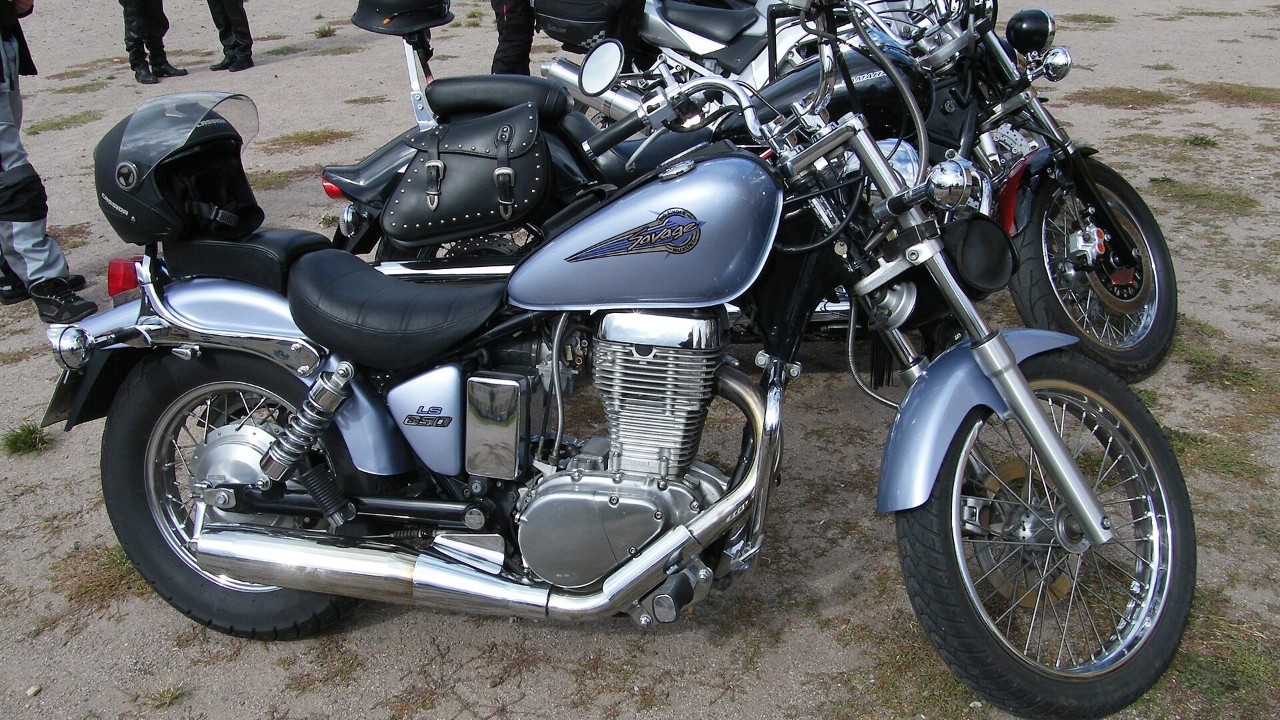
Harley-Davidson once taught brand-new riders on the Buell Blast, a 492 cc single built for its Rider’s Edge course. That’s the appeal of single-cylinder motorcycles in a nutshell: light, simple and easy to understand. One cylinder means one carburetor or injector, one valve train and fewer parts to wear out.
However, simple doesn’t always mean trouble-free. Some singles shook hard at highway speed, some carried fragile oil systems, and others simply asked too much of their owners. A few were good machines with one flaw that makes a used example a risk today.
These are our picks, ten singles we’d think twice about, and why. The “avoid at all costs” verdict is our opinion. Every fact behind it, though, from recalls to road tests and used-bike guides, comes from a source we checked, and each entry ends with a line of buyer advice.
1. Buell Blast
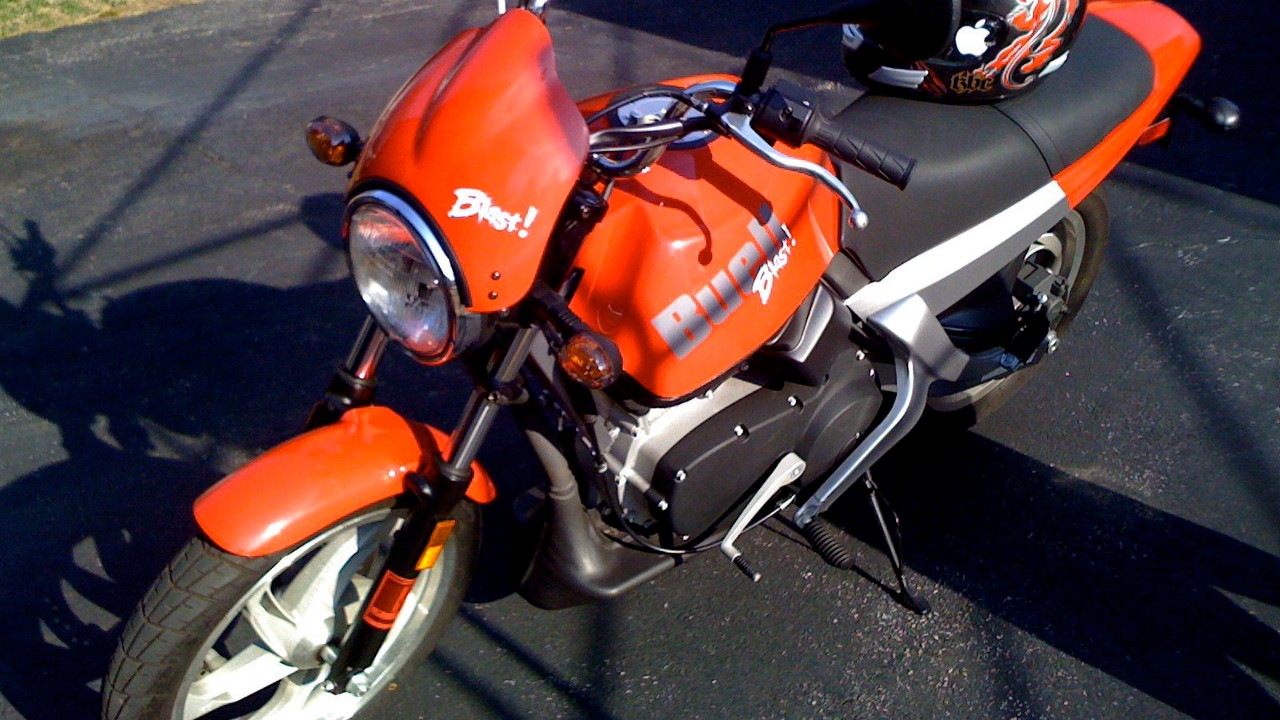
Buell built the Blast from 2000 to 2009 as an entry-level bike. Its 492 cc air-cooled single came from the Evolution Sportster with the rear cylinder removed. It made 34 horsepower, and a belt final drive and hydraulic lifters kept maintenance easy. Harley-Davidson also used it in its Rider’s Edge New Rider course.
The trouble came later. In 2008, Buell recalled 2007 and 2008 Blasts because the fuel tank could deform in high heat and touch the cylinder head. According to the NHTSA recall record, that rubbing could cause a fuel leak, so dealers fitted a bracket to keep the tank clear. Then, in July 2009, Buell’s own ads showed a Blast being flattened in a car crusher as the model left the lineup. Soon after, Buell stopped building motorcycles altogether.
We’d pass on the Blast for anyone past their first season, because it was built for training and runs out of breath once you’ve learned. We’ve flagged more American bikes in our list of American motorcycles to avoid. Buyer advice: on a 2007 or 2008 Blast, confirm the recall bracket is fitted before you ride it home.
2. 1973 BSA B50 Victor
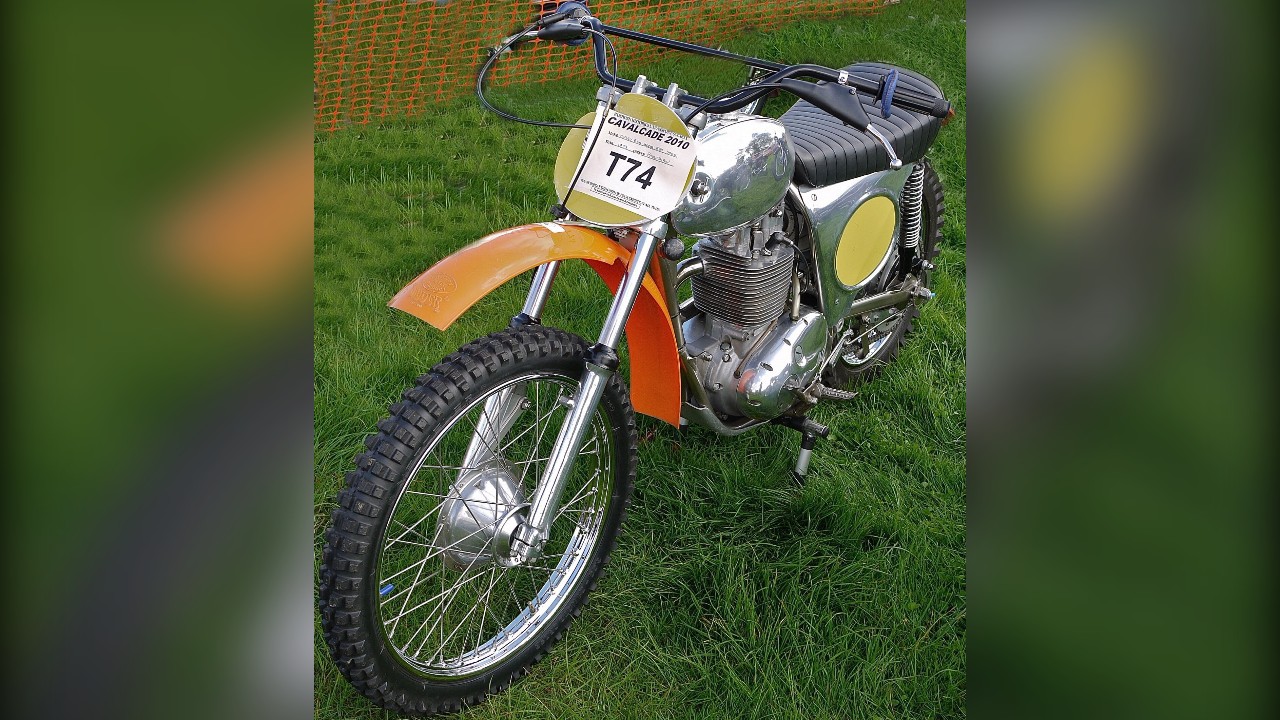
BSA built the B50 at Small Heath from 1971 to 1973, and about 5,700 left the plant. Its 499 cc engine was the last of BSA’s big unit-construction singles, and the oil lived inside the frame. On the track, a modified B50 even won the 500 cc class in the Thruxton 500 miler.
Living with one is another matter. Cycle World tested the Victor 500 Trail in January 1973 and found that starting it took “considerable rider weight” to push through 10:1 compression. The magazine also reported strong vibration at 55 mph and “gnawing fear at 65 mph.” Its test bike’s gearbox dipstick cap leaked, too. Meanwhile, curb weight reached 327 pounds, 25 more than the earlier 441 Victor.
Our view: this is a charming British single for short rides, not a bike for a long day on the highway. If British iron is your thing, we’ve picked better choices in our list of British motorcycles ahead of their time. Buyer advice: ride a B50 at highway speed before you buy, and have the seller show you the starting routine.
3. Suzuki LS650 Savage
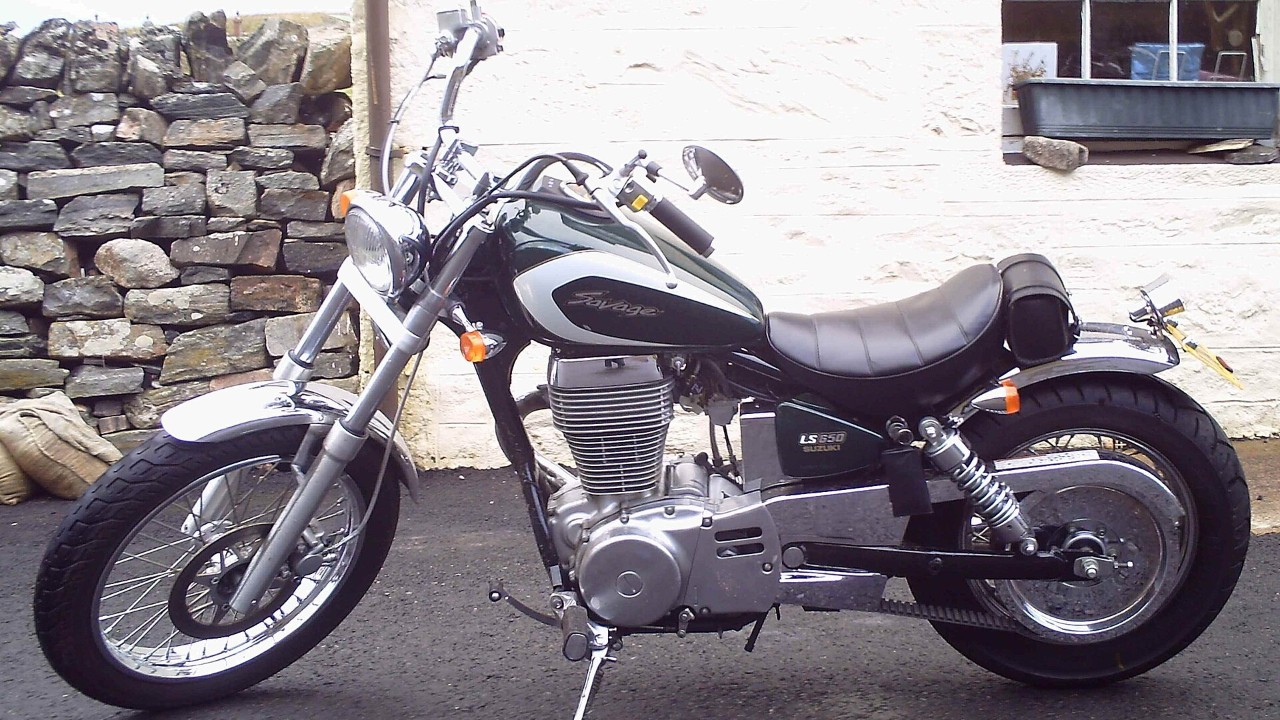
Suzuki’s first cruiser arrived in 1986 as the LS650 Savage, and it kept that name until 2004. After that, it became the Boulevard S40. Its 652 cc air-cooled single made 31 horsepower at 5,400 rpm and drove the rear wheel through a belt. A 28-inch seat height made it friendly for shorter riders, and Suzuki pitched it as an entry-level cruiser.
The numbers tell the story, though. A 652 cc engine making 31 horsepower isn’t much, and reviews have called the Savage underpowered for its size. Early bikes also had only a four-speed gearbox until Suzuki added a fifth gear in 1993. On top of that, the tank holds just 2.8 gallons, including reserve, so range is short. The bike also weighs 381 pounds wet, which is a lot of mass for 31 horsepower to move.
In our opinion, the Savage looks like a big cruiser and rides like a small one. It suits a short commute and not much else, and highway riders will want more power and more gears. Buyer advice: skip the pre-1993 four-speed bikes and look for a later five-speed Savage or a Boulevard S40.
4. 1965 Harley-Davidson Aermacchi Sprint H
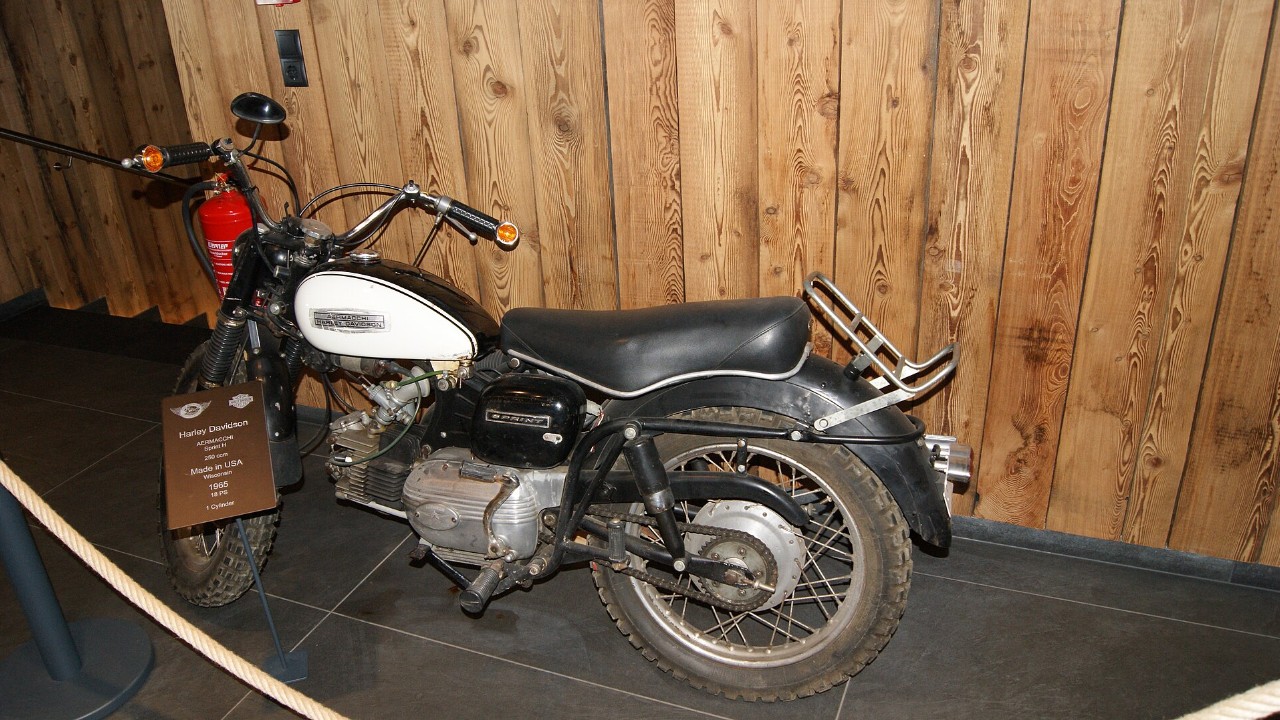
Harley-Davidson bought half of Aermacchi’s motorcycle division in 1960, and the Sprint followed. This Italian-built 246 cc overhead-valve single sold in the U.S. from 1961 to 1968. According to Motorcycle Classics, the Sprint H claimed 21 horsepower and cost $750 in 1967. A period test also saw 76 mph. Cycle World listed it at 280 pounds in a 1962 test, so it is at least light and easy to handle.
The weak spots are well documented. Motorcycle Classics says the bike was “let down by an outdated oiling system and six-volt electrics.” It has no oil filter, only a screen, so one specialist recommends oil changes every 500 miles. He also notes that the engine was built for leaded gas and runs better on racing fuel.
We love the story of a Harley built in Italy. Still, as a bike to ride regularly, we’d pass, because it asks for constant attention and gives back small-bore performance. In our view, it belongs in a collection more than in a garage you ride from every weekend. Buyer advice: plan on 500-mile oil changes and budget for electrical work before you trust one on a long ride.
5. Honda NX650 Dominator
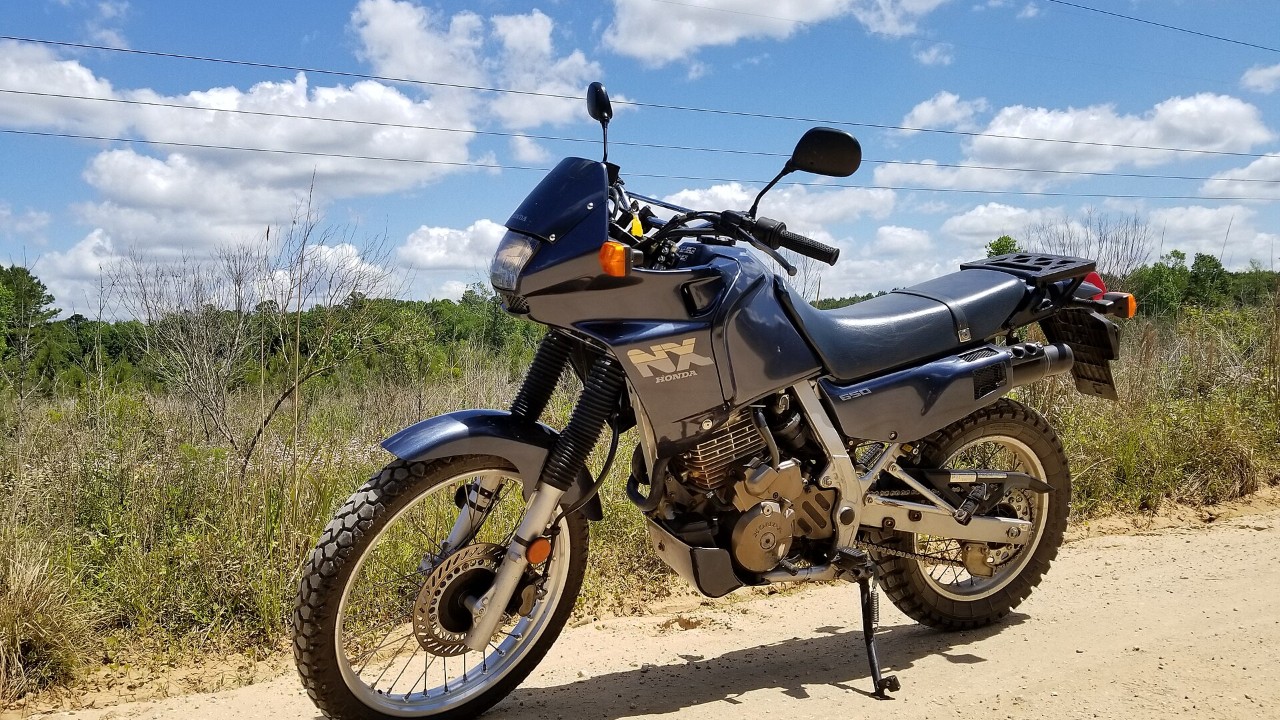
Honda built the NX650 Dominator from 1988, first in Japan as the RD02. In 1995, production moved to Italy for the RD08, which ran until 2000. MOTORRAD lists the later single at 44 PS. On paper, it was a tough, simple dual-sport with a big four-valve engine.
Germany’s MOTORRAD magazine, however, found real weak spots in its used-bike guide. It says the Italian-built RD08’s frame and tank rusted more readily than the Japanese bikes, and the move cut build quality. Oil consumption after 30,000 km was “not unusual,” according to the guide. Earlier, Honda swapped slotted brake discs for drilled ones in 1990 because the slotted discs often cracked under hard use. The guide also stresses regular valve service on the four-valve head.
We’d avoid a tired Dominator, especially an RD08 that has lived through salted winters. A rusty tank and a thirsty engine add up quickly on a bike that was sold as cheap transport. Buyer advice: shine a flashlight inside the tank, check the frame and rims for corrosion, and favor a well-kept bike with service receipts.
6. 1994 BMW F650 Funduro
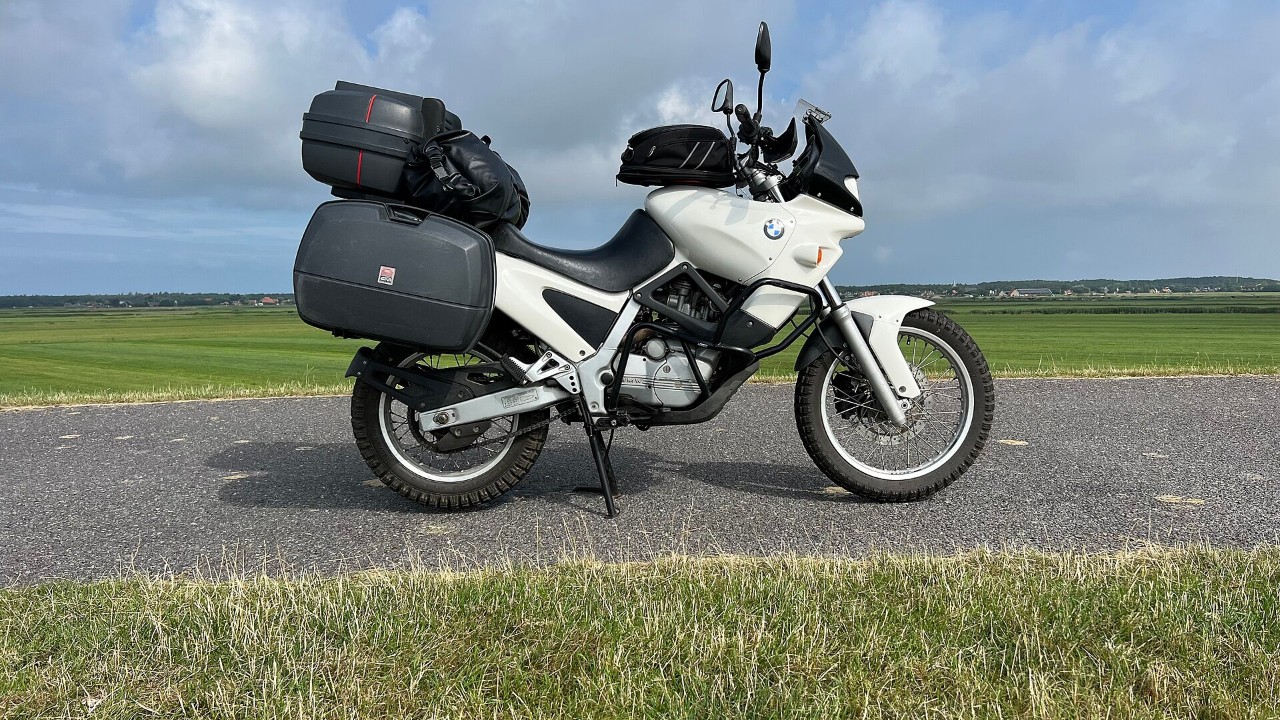
The F650 Funduro, launched in 1993, broke a lot of BMW habits. Austria’s Rotax built its 652 cc four-valve single, and Aprilia assembled the bike in Italy. It was also the first BMW motorcycle with chain drive since the 1960s. MOTORRAD lists it at 48 PS and 199 kg fueled.
The MOTORRAD used-bike guide calls the engine very durable, but the rest of the bike needs care. The magazine says steering-head bearings on early bikes were not of the best quality, and a 1995 service bulletin added a spray-water cover. Exhaust cracks from vibration were “not rare.” Sticking float needles could also flood the carburetors, and the long-term test bike’s clutch springs tired early. Below 3,000 rpm, the engine ran rough. MOTORRAD adds that values fall sharply once a bike passes 50,000 km.
That’s a long list of small jobs on a bike sold as an easy single. In our view, a neglected early Funduro will eat weekends and money. Buyer advice: favor a later bike with the service bulletins done, and inspect the exhaust for cracks before you pay.
7. Yamaha XT660Z Tenere
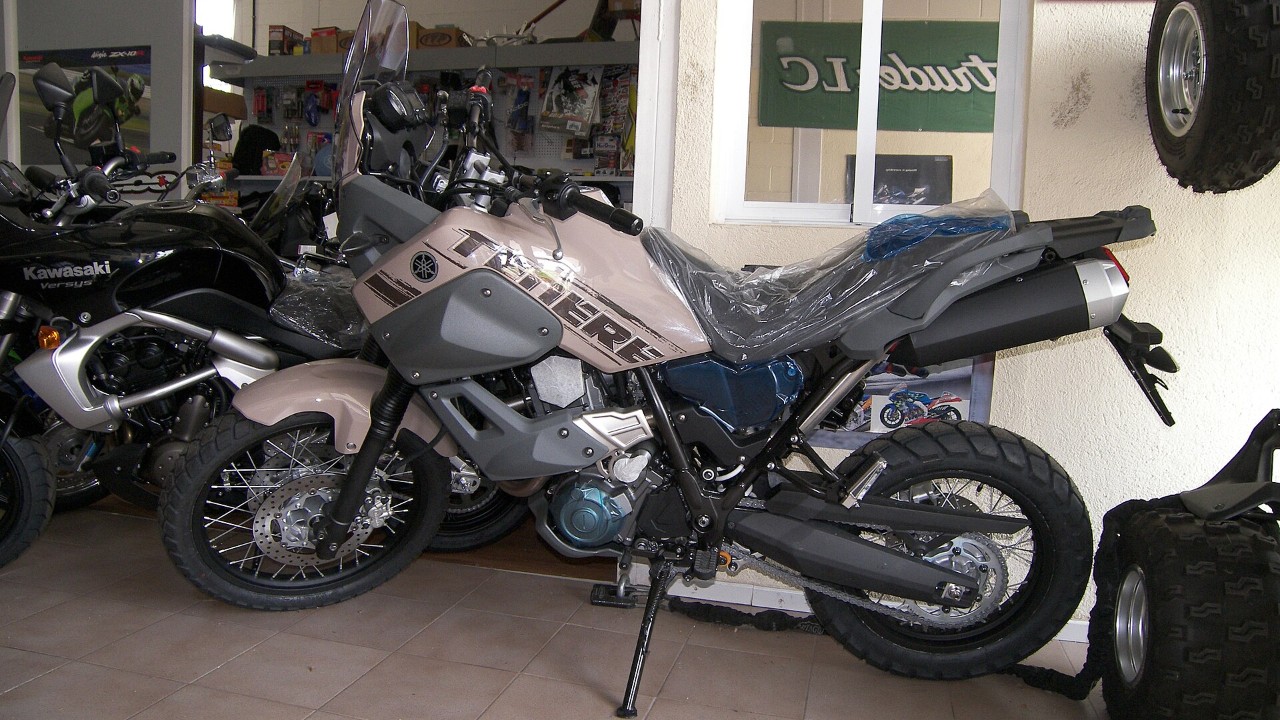
Yamaha brought back the Ténéré name in 2008 with the XT660Z and built it until 2016. Its fuel-injected 660 cc single came from Minarelli and made 47 horsepower and 43 lb-ft of torque. A 23-liter tank gave it a long range, so it suited riders planning big trips on mixed roads. Yamaha’s claimed economy of about 60 mpg helped stretch that range even further.
The catch is weight. The XT660Z weighs 206 kg, or 454 pounds, wet. That’s about 40 kilos more than the original air-cooled Ténéré of the early 1980s. On a loose trail, that mass paired with 47 horsepower makes for hard work. Earlier machines with the same 660 engine also suffered low-rpm fueling glitches, although those were reportedly fixed on the Z.
We’d steer most riders elsewhere. In our opinion, it’s too heavy for serious off-road use and too slow to feel relaxed on a long highway day. Yamaha replaced it with the Ténéré 700 in 2019. Buyer advice: if you want the name, stretch for the newer Ténéré 700, or at least test-ride an XT660Z on dirt before committing.
8. Royal Enfield Bullet Electra 350
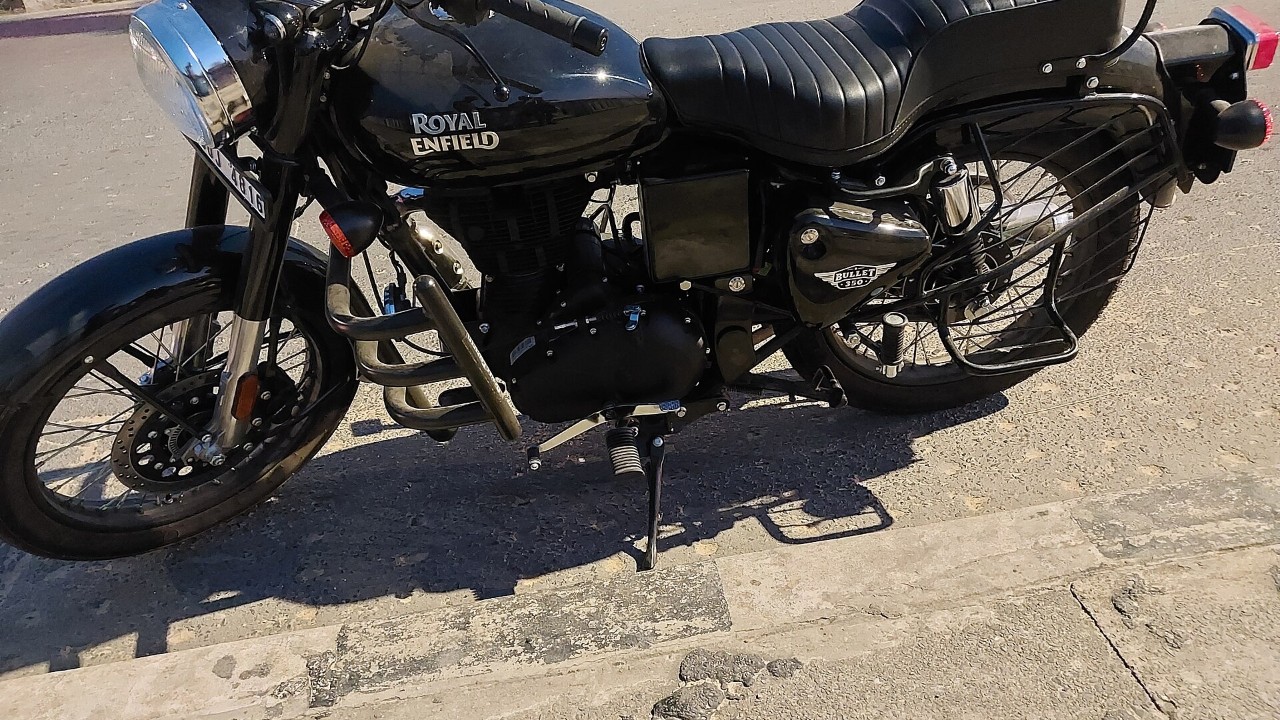
Royal Enfield builds its motorcycles in Chennai, India, and the Electra was the dressed-up Bullet with more colors and chrome. That city, then called Madras, began building Bullets after a 1949 Indian Army order. The Electra shared the Standard 350’s 346 cc engine and gearbox. It also gained CDI ignition and gas-charged shocks. Its big addition, however, was an electric starter. As a result, the Electra 350 became Royal Enfield’s best-selling model, at around half of the company’s sales.
Still, popularity isn’t the same as reliability. The electric start made the engine package bulkier, and it brought its own mechanical and reliability complications. Some Electras also came with a five-speed left-shift gearbox, which Indian buyers largely rejected.
We’d skip an Electra unless it comes with a full service record. The old-school look is the reason to buy one, yet the electric start is the part most likely to let you down. In our view, a simpler Bullet makes more sense if you want the classic experience. Buyer advice: test the electric start from cold several times, and ask what repairs the starter has had.
9. 1985 Honda XBR500
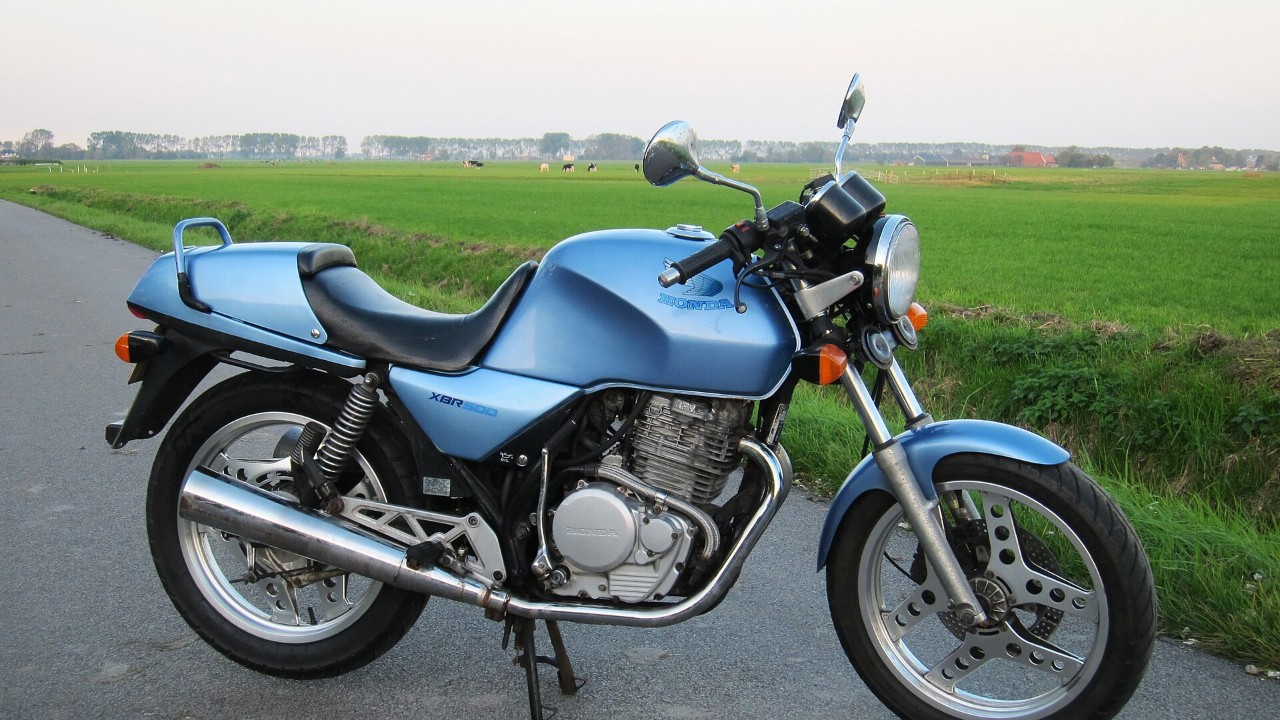
Honda launched the XBR500 in 1985 as its answer to the Yamaha SR500. The 498 cc single used Honda’s RFVC radial four-valve head and offered both electric and kick starting. According to Old Bike Mart, it made 44 bhp at the crank and topped out around 105 mph. Most of its oil sat in a separate tank under the seat. Meanwhile, a 20-liter fuel tank gave it well over 200 miles of range.
That oil system is the trap. Checking the level required a warm engine, and Old Bike Mart says some owners caused serious engine damage by neglecting it. Infrequent changes, or the wrong oil, could also wear the cylinder head. In addition, the central spark plug could seize, sometimes needing a thread insert or a head overhaul. Lean jetting for emissions often made hot starts difficult.
Buyers weren’t won over, either. About 690 went to the UK in 1985 and 700 in 1986, then only around 120 in 1987. In our view, an XBR with a patchy history is an expensive gamble. Buyer advice: insist on oil-change records and ask whether the plug thread has ever been repaired.
10. Suzuki DR650SE
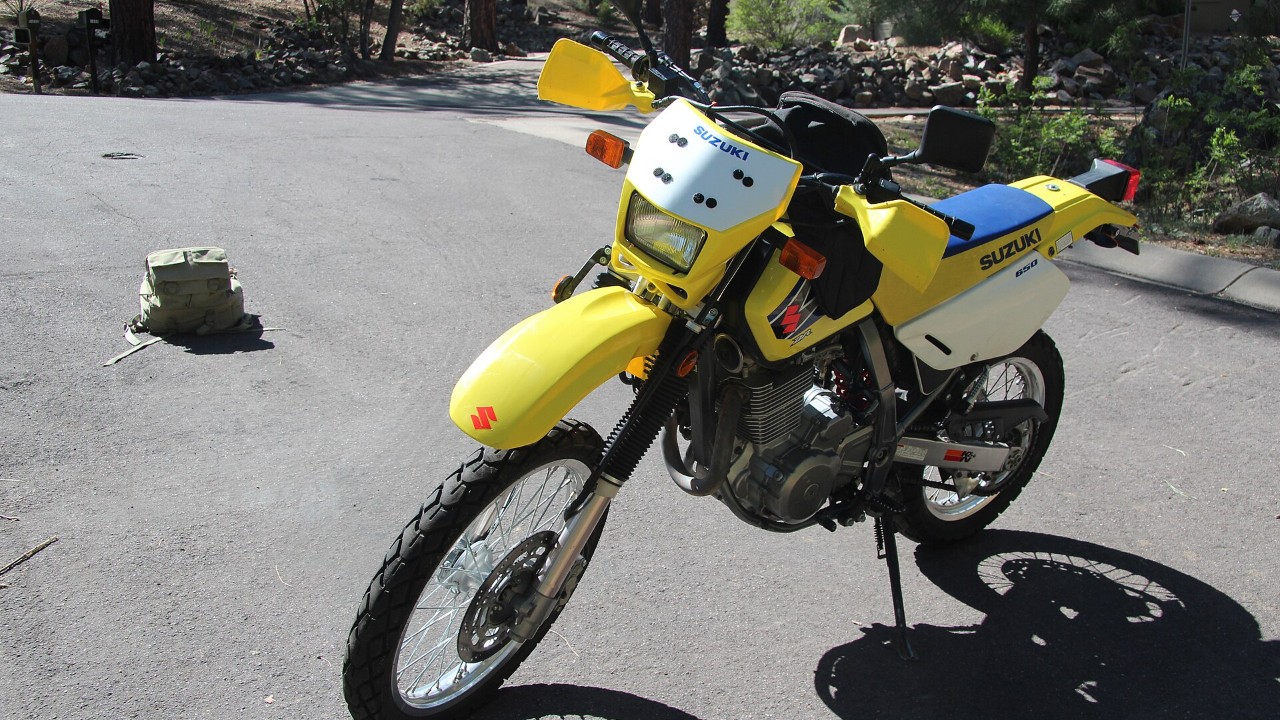
The DR650 has been around since 1990, and the SE version arrived in 1996. Its 644 cc air- and oil-cooled single breathes through a 40 mm Mikuni carburetor, and the bike weighs 166 kg, or 366 pounds, wet. Compression is a mild 9.5:1, and a five-speed gearbox does the shifting. Suzuki stopped selling it in Europe after 2001. Australia also dropped it after new safety rules took effect in November 2021.
Its drawbacks are mostly about comfort and age. The standard seat sits 885 mm, or 34.8 inches, high, and the SE seat itself is narrow and firm. The front fork has no adjustment, while the rear preload collar is tricky to reach. Suzuki’s 1996 engine redesign also gave smoother delivery but less power. Finally, the 3.4-gallon tank limits range on long trips.
Fans will defend it, and the engine isn’t the problem. In our opinion, though, a stock DR650SE asks short riders and touring riders to spend money before it fits them. Buyer advice: on 2010-and-later bikes, look for Suzuki’s 40 mm factory lowering option, and budget for a better seat and suspension.
More from Fast Lane Only