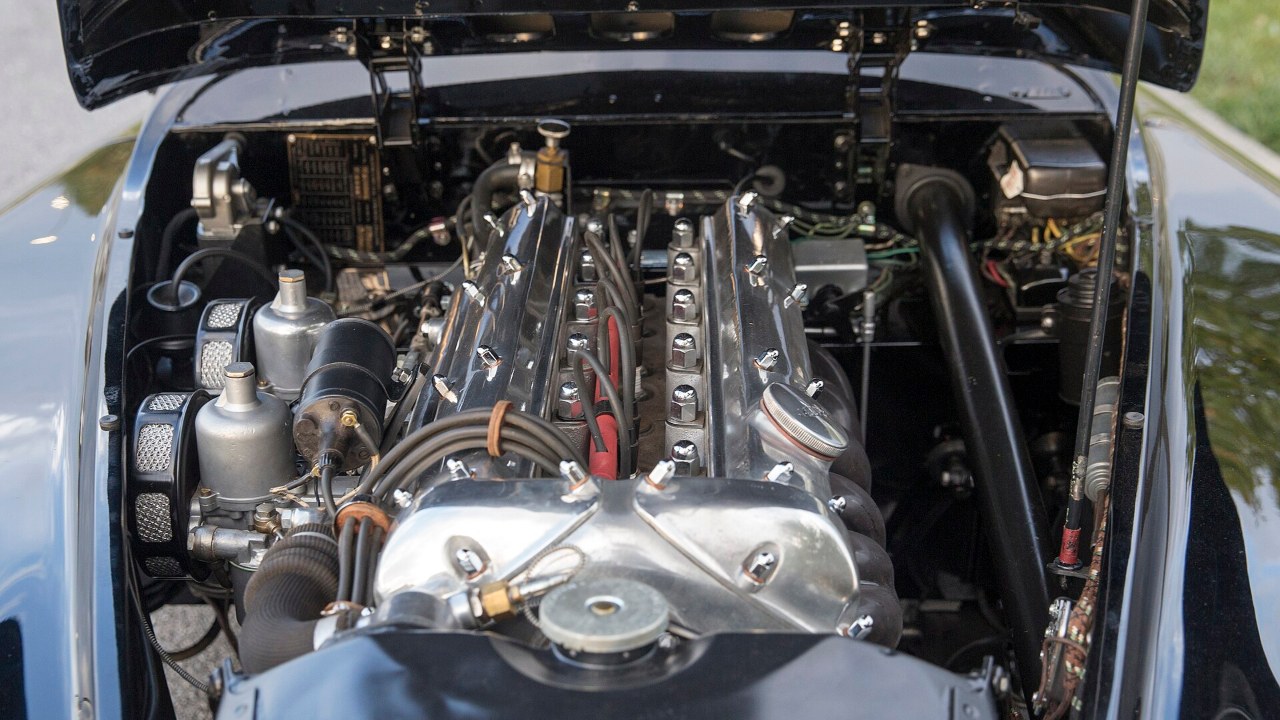
The 1970s produced plenty of glamorous muscle cars and luxury cruisers, but some of the decade’s most impressive automobiles earned their reputations simply by surviving. These cars were built for everyday transportation, family duty, long highway trips, and hard work. Decades later, the toughest survivors continue to demonstrate why their straightforward engineering earned lasting respect.
Mercedes-Benz W123
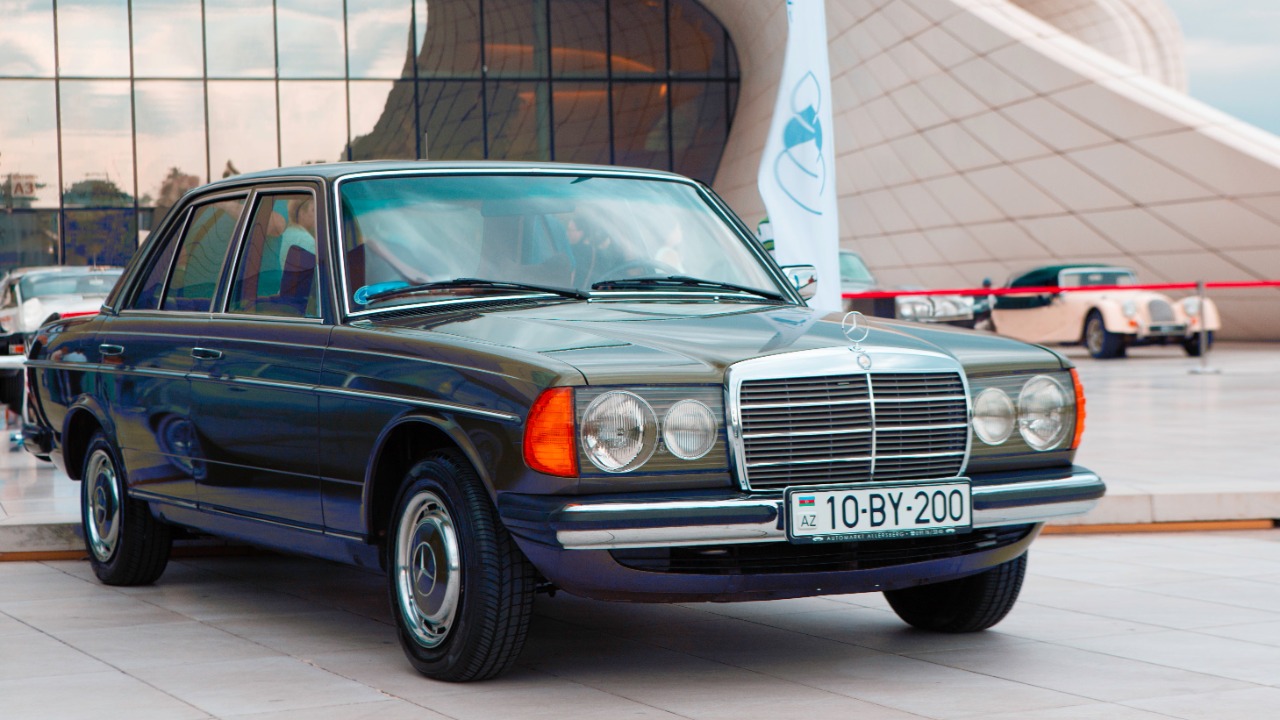
The Mercedes-Benz W123 became famous for its exceptional durability and robust construction. Its diesel engines are particularly respected for their ability to accumulate enormous mileage when properly maintained. The solid body, comfortable interior, and straightforward mechanical engineering made it a favorite among owners who valued longevity. Finding a rust-free example is now often harder than finding one with a tired engine.
Volvo 240
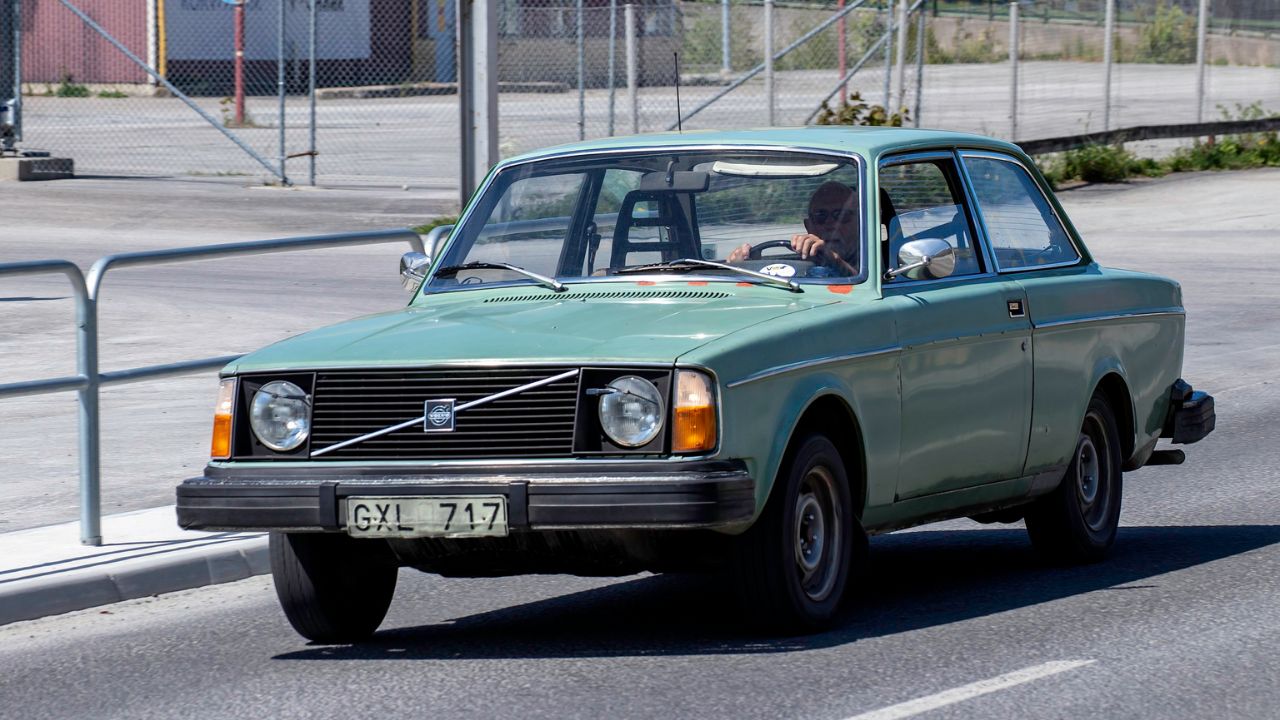
The Volvo 240 developed a legendary reputation for refusing to give up. Its sturdy body, dependable engines, and relatively simple mechanical systems allowed many examples to remain on the road for decades. Families often kept them for years because repairs were manageable and the cars were practical. A well-maintained survivor still feels remarkably durable by modern standards.
Toyota Land Cruiser
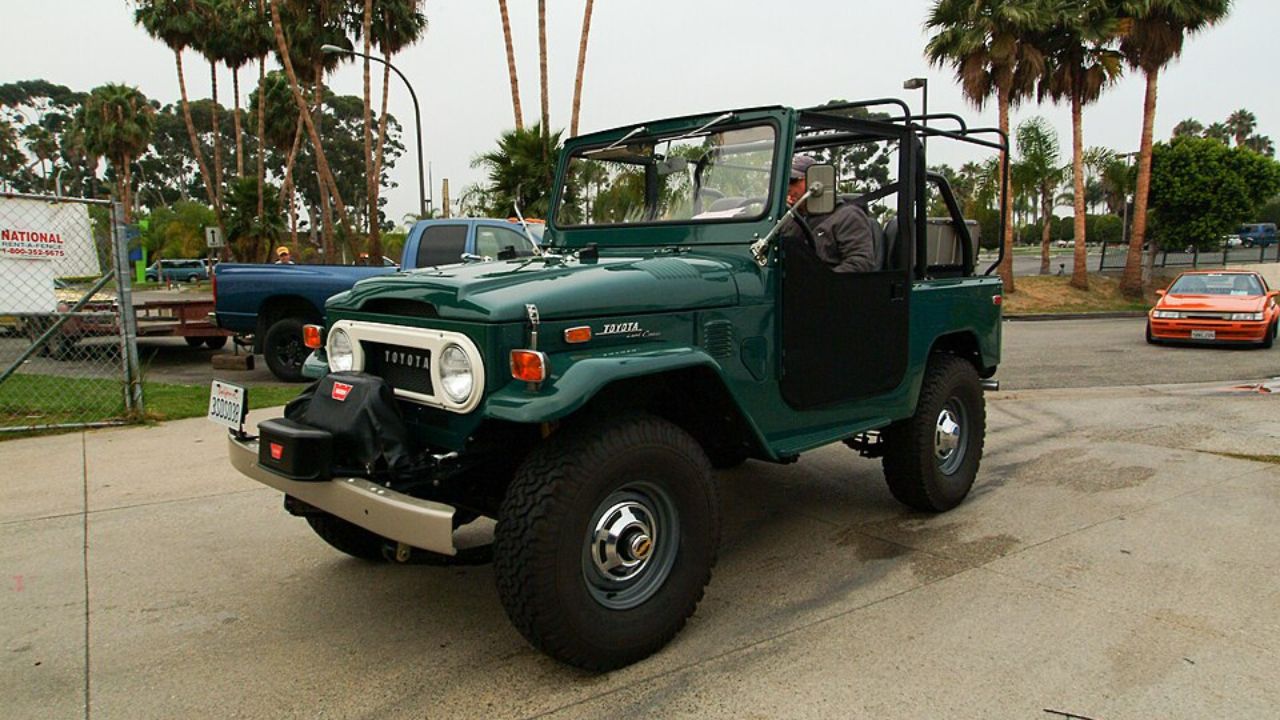
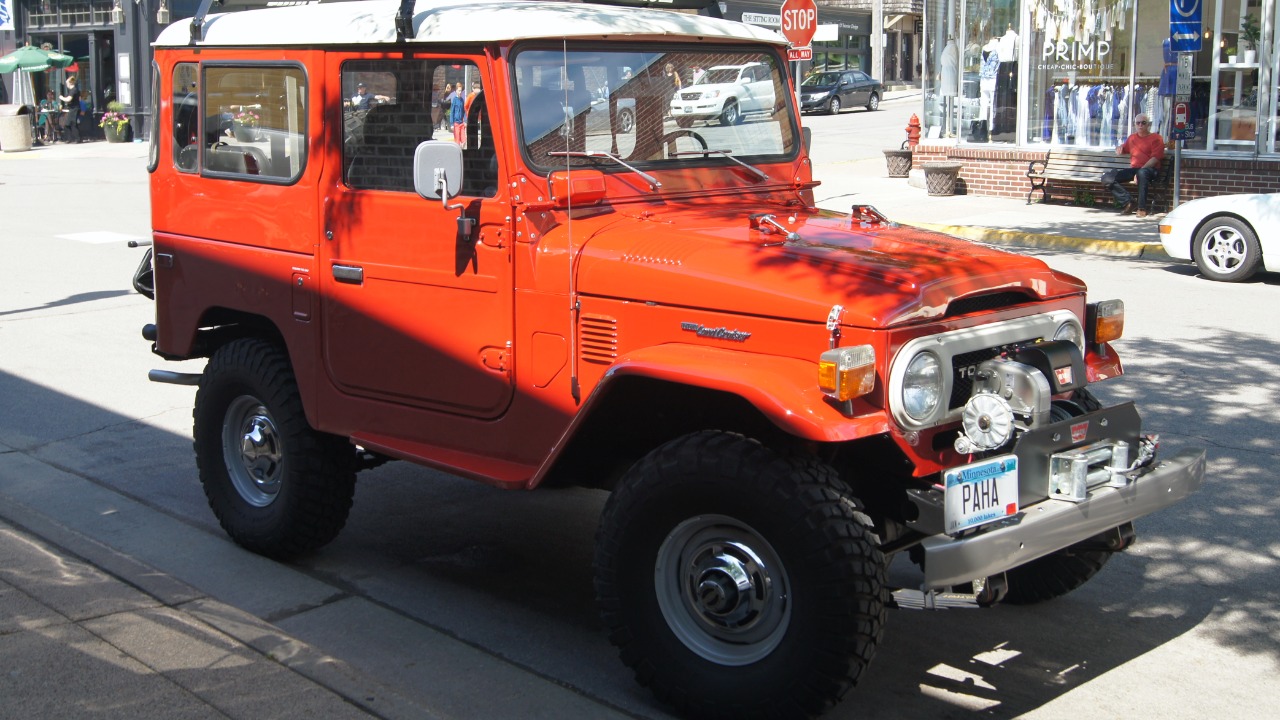
The Toyota Land Cruiser earned its reputation in some of the world’s toughest environments. Its robust four-wheel-drive system, durable chassis, and reliable engines made it a trusted choice far beyond paved roads. Many were used for work rather than recreation, accumulating serious mileage in difficult conditions. A surviving example in original condition demonstrates just how resilient the platform could be.
Ford F-Series
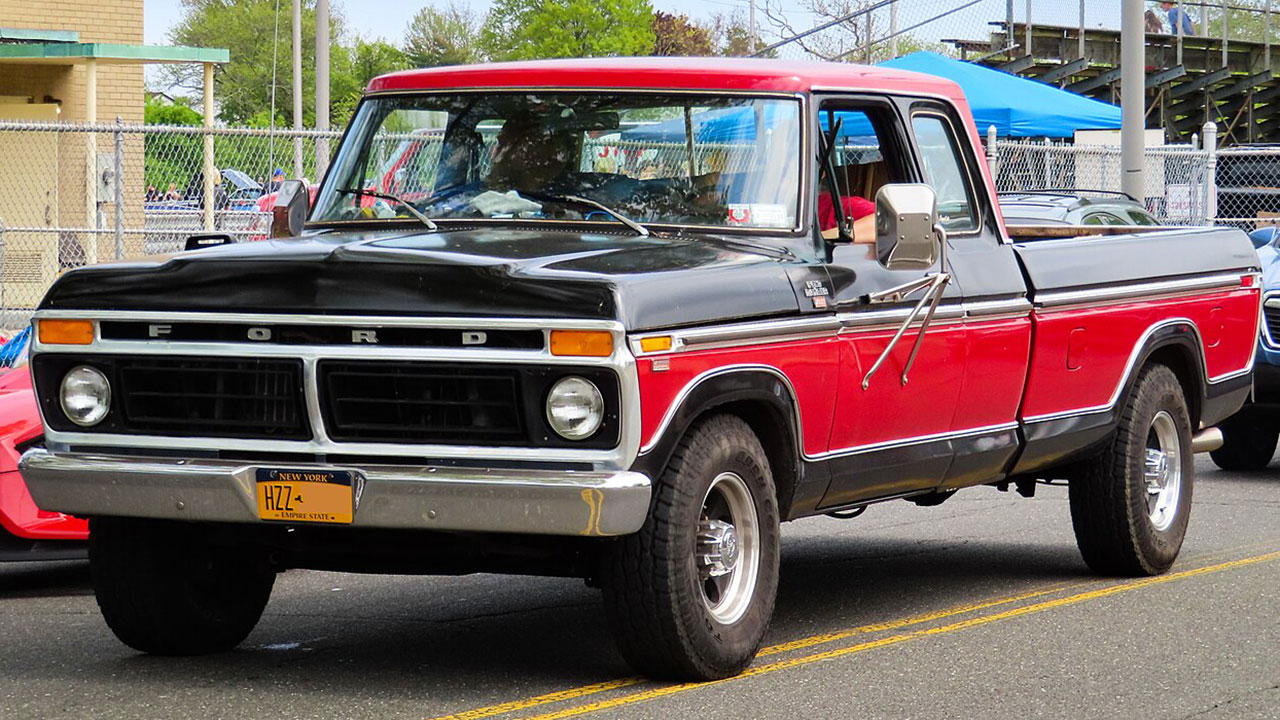
The Ford F-Series was built primarily as a working truck, and its reputation reflects that mission. Conventional construction, sturdy frames, and simple mechanical systems made these pickups relatively easy to keep running. Many spent decades hauling, towing, and working on farms. Clean survivors are increasingly difficult to find because so many were simply used until they could no longer justify repair.
Chevrolet C/K

The Chevrolet C/K pickup followed the same straightforward philosophy, combining a rugged chassis with familiar engines and simple mechanical components. These trucks became dependable workhorses for businesses, farms, and everyday drivers. Their durability helped many survive well beyond their expected service lives. Today, an original example can demonstrate just how little unnecessary complexity was built into a traditional American pickup.
Toyota Corolla
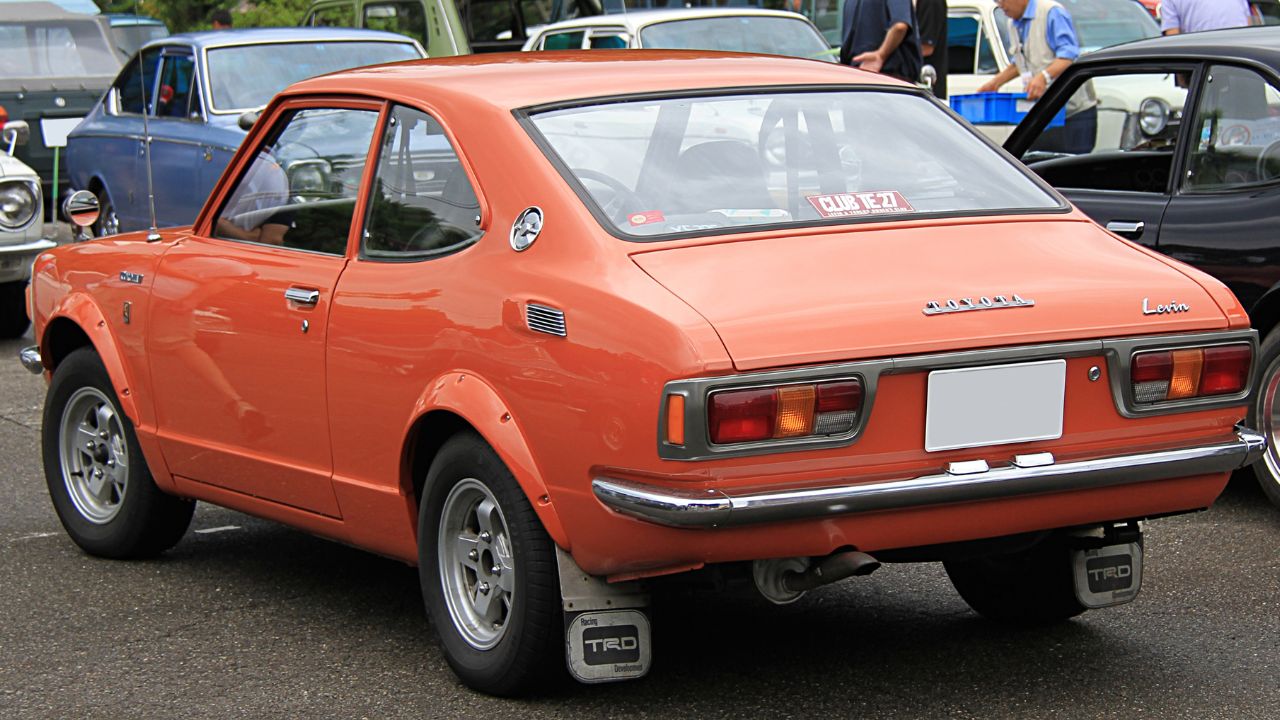
The Toyota Corolla became one of the world’s most dependable compact cars, and its early generations helped establish that reputation. Its simple four-cylinder engines, modest weight, and straightforward construction made it easy to maintain. Most were treated as disposable economy cars rather than future classics. That makes surviving examples particularly interesting because so few were preserved.
Honda Civic
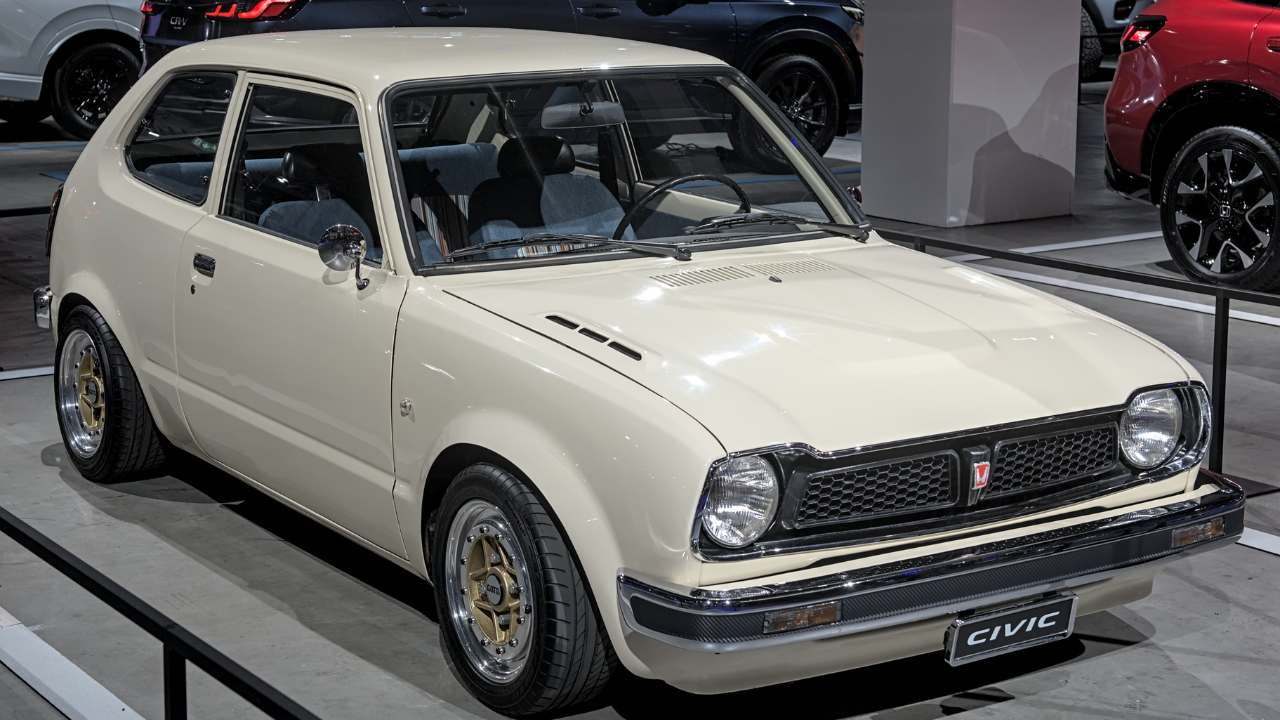
The Honda Civic brought efficient engineering and impressive durability to the compact-car market. Its lightweight construction and small four-cylinder engines made it economical without being excessively complicated. Many were driven hard because of their affordability, yet plenty accumulated substantial mileage. Original survivors are now becoming increasingly rare, particularly cars that have avoided major modifications.
Jeep CJ-5
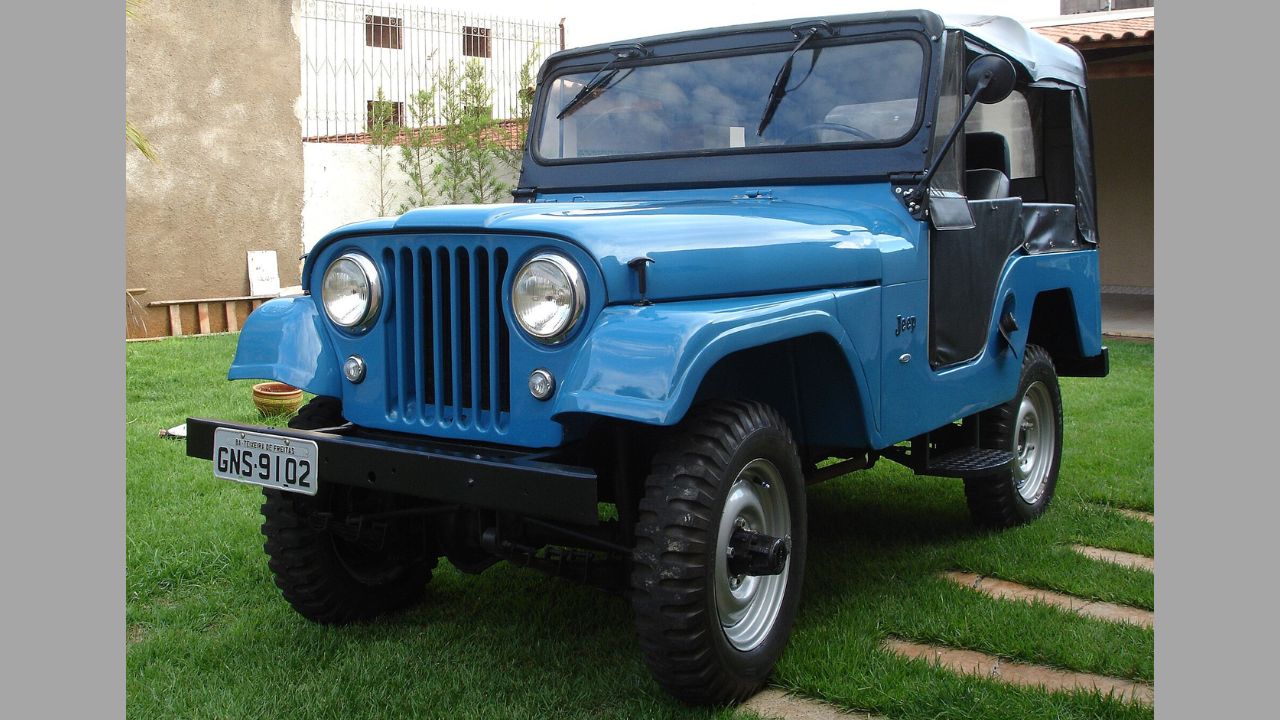
The Jeep CJ-5 was built around rugged simplicity rather than refinement. Its compact body, sturdy chassis, and basic four-wheel-drive hardware made it useful for farms, trails, and demanding work. Owners could often repair many mechanical components without sophisticated equipment. Decades of abuse have eliminated many examples, but properly maintained survivors remain remarkably capable.
Dodge Dart
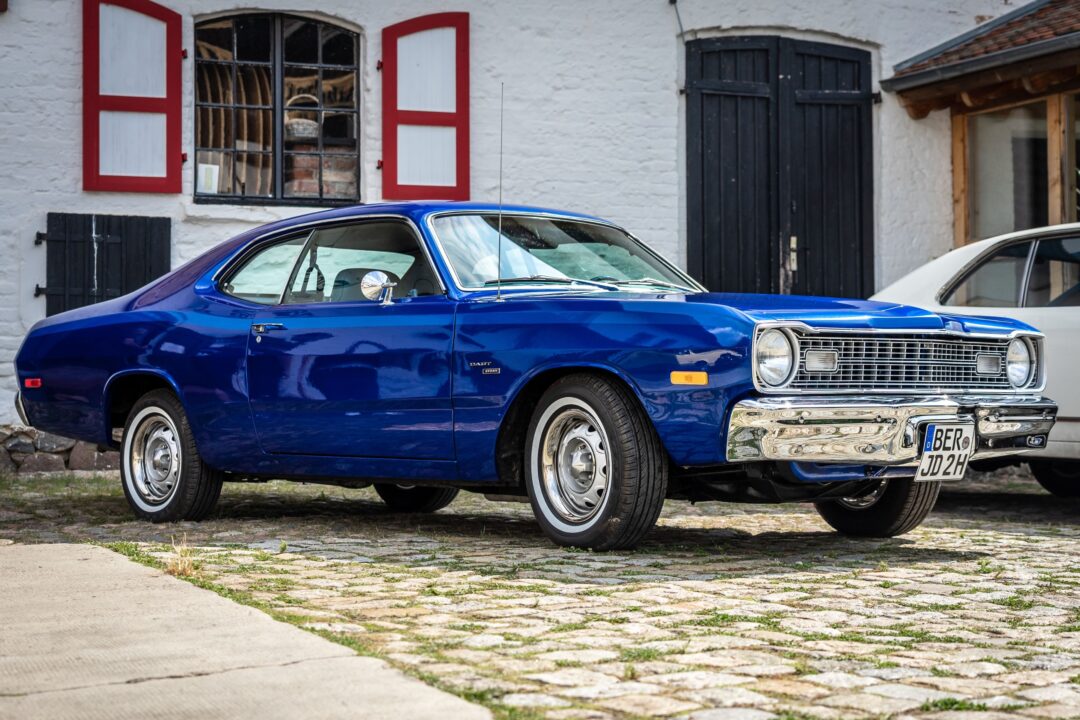
The Dodge Dart was one of the classic examples of simple American transportation. Its conventional rear-wheel-drive layout and dependable engine choices made it easy for owners and mechanics to keep running. Many accumulated substantial mileage before finally being retired. Today, solid survivors show why straightforward mechanical design could be such an advantage for long-term ownership.
Buick LeSabre
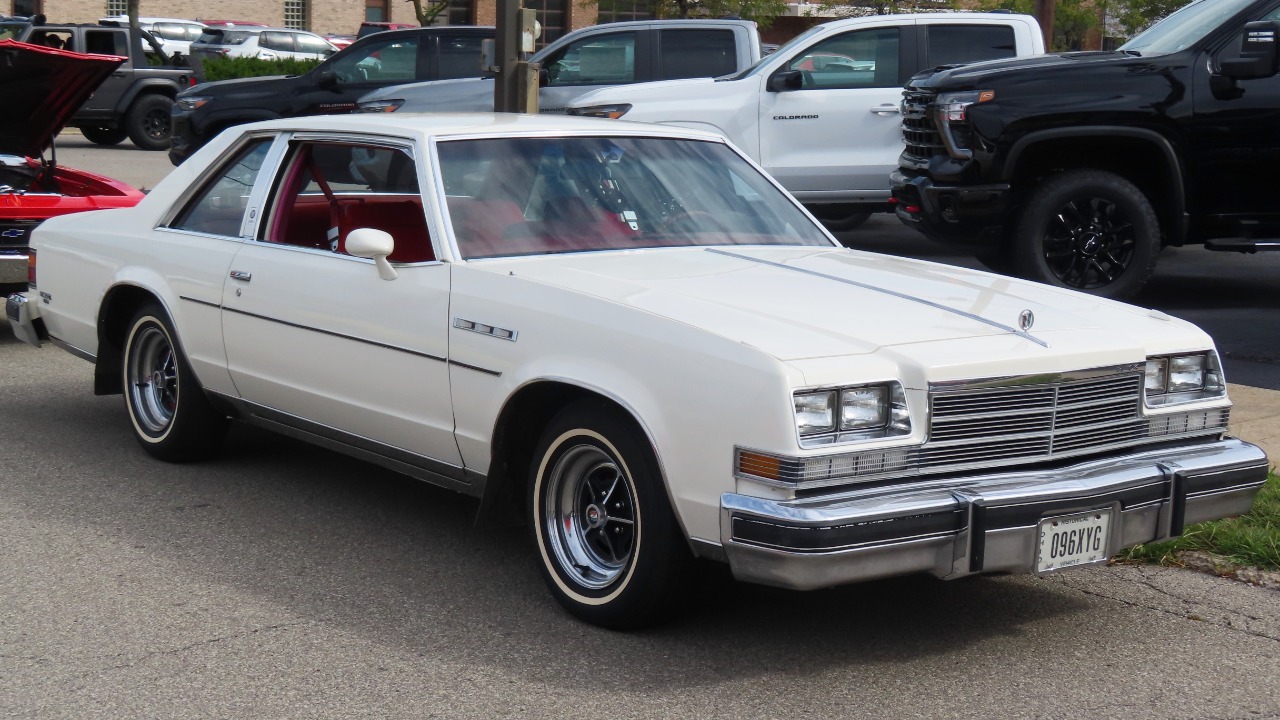
The Buick LeSabre offered a softer, more luxurious interpretation of durable American transportation. Its spacious engine bay, conventional drivetrain, and proven V8 engines made maintenance relatively straightforward. Many were used as family cars and highway cruisers for years. A well-preserved LeSabre today provides a great example of how comfortable and durable a traditional American sedan could be.
More from Fast Lane Only
- Unboxing the WWII Jeep in a Crate
- 15 rare Chevys collectors are quietly buying
- 10 underrated V8s still worth hunting down
- Police notice this before you even roll window down
*Research for this article included AI assistance, with all final content reviewed by human editors