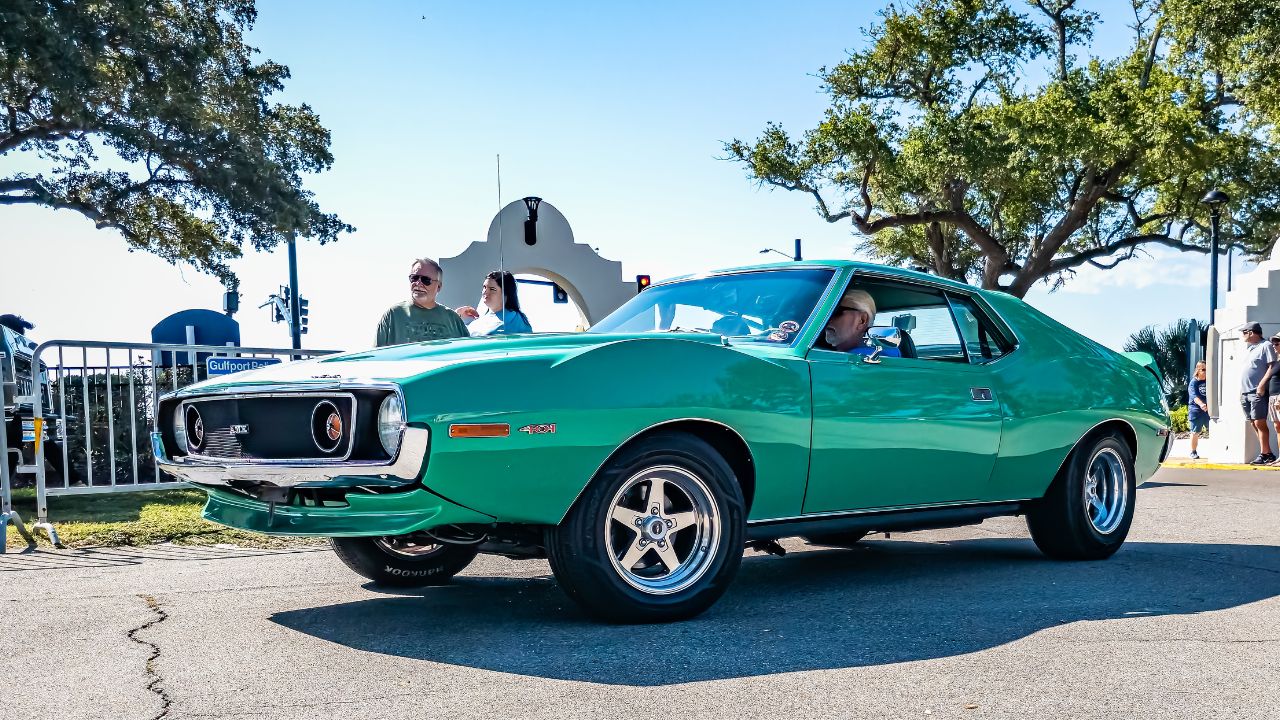
The 1970s are often remembered for their struggle against rising fuel prices and stricter emissions regulations, but amidst these challenges emerged a surprising array of performance cars that defied expectations. These models not only captured the essence of speed and style but also proved that engineering ingenuity could flourish even in tough times. Here’s a look at ten performance cars from the ‘70s that were truly better than anyone anticipated.
Pontiac Trans Am
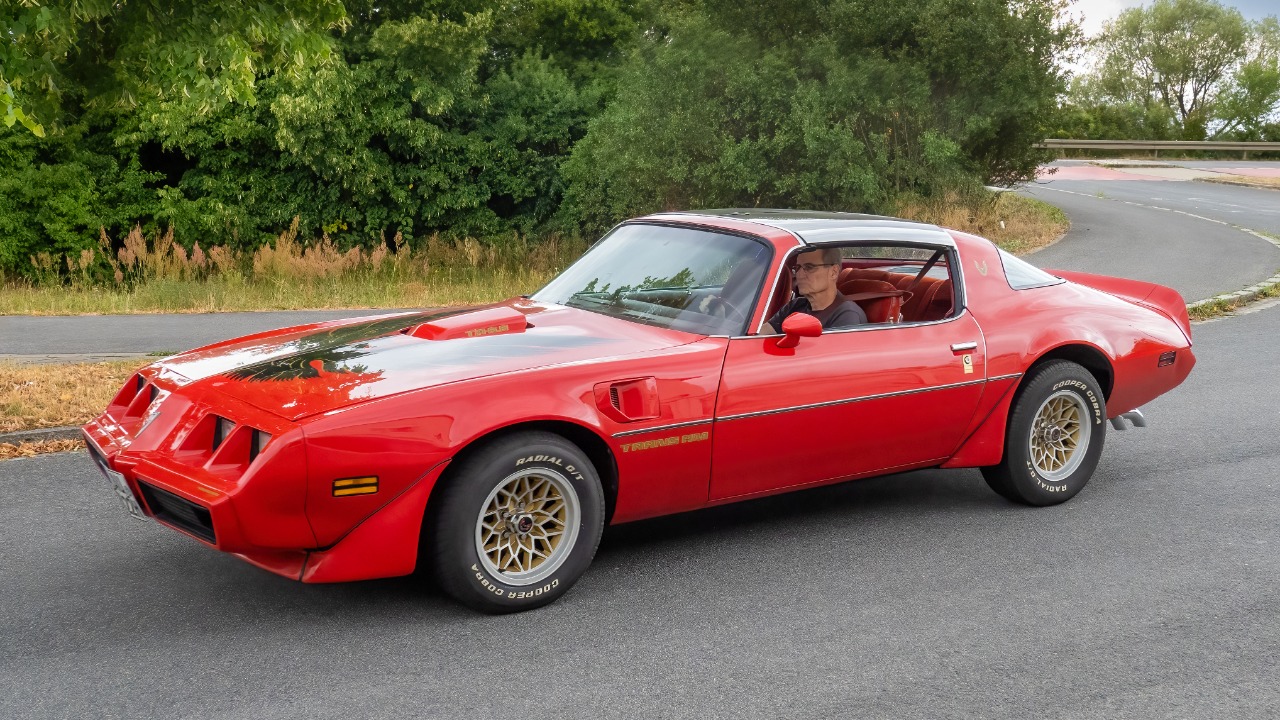
The Pontiac Trans Am, particularly the 1977 model, became an icon of the ‘70s thanks to its aggressive styling and potent performance. Equipped with a 6.6-liter V8, it produced a respectable 200 horsepower, allowing it to perform admirably on both the street and the track. The Trans Am’s unique “screaming chicken” hood decal and sporty handling helped it stand out in a crowded market.
What many didn’t expect was how well the Trans Am would resonate with pop culture, making appearances in films like “Smokey and the Bandit.” Its combination of performance and charisma made it a car that enthusiasts still celebrate today, proving that it wasn’t just another muscle car lost in the ‘70s shuffle.
Chevrolet Camaro Z28
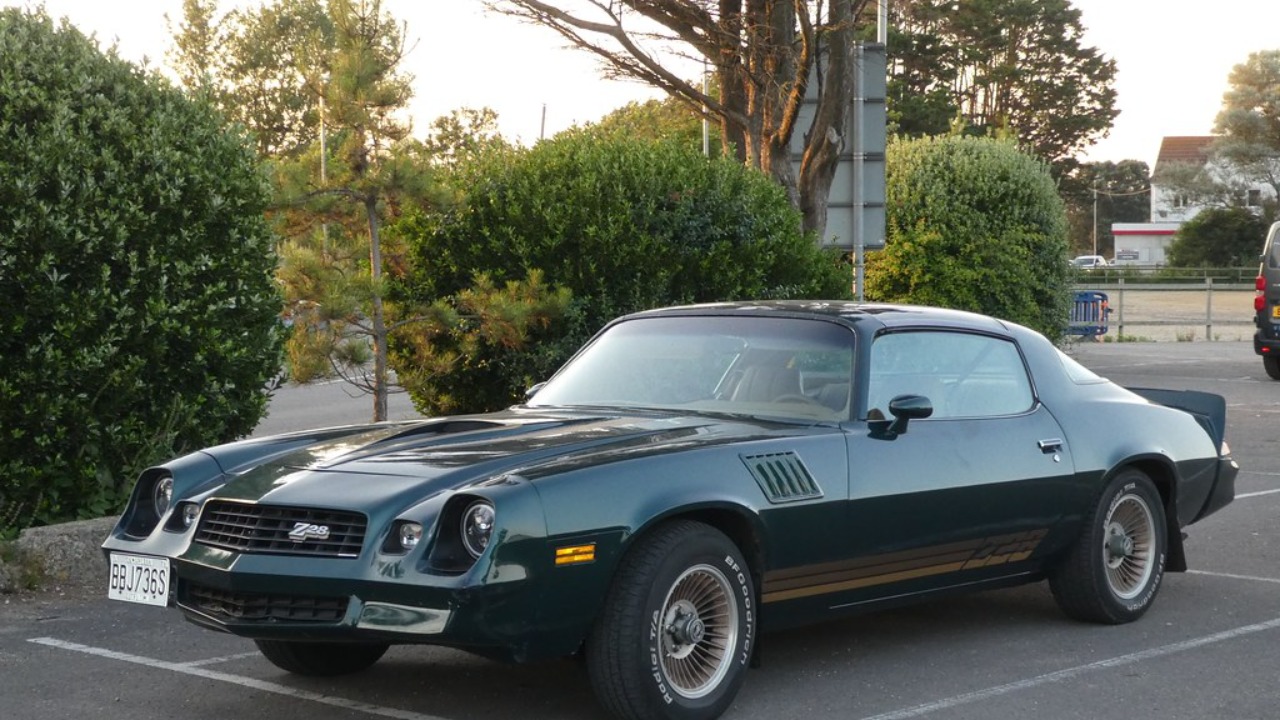
The Chevrolet Camaro Z28 emerged in the early ‘70s as a performance-oriented variant of Chevy’s iconic pony car. The 1970 model, powered by a 350-cubic inch V8, boasted impressive handling and acceleration, making it a favorite among driving enthusiasts. Its sleek design and aggressive stance contributed to its appeal, while the Z28 package offered features that enhanced its performance capabilities.
Despite the oil crisis and tightening emissions regulations, the Z28 continued to impress with its balance between power and practicality. Its performance reputation has endured, with many owners appreciating its raw driving experience, driving interest in collectibility and classic status.
Ford Mustang Mach 1
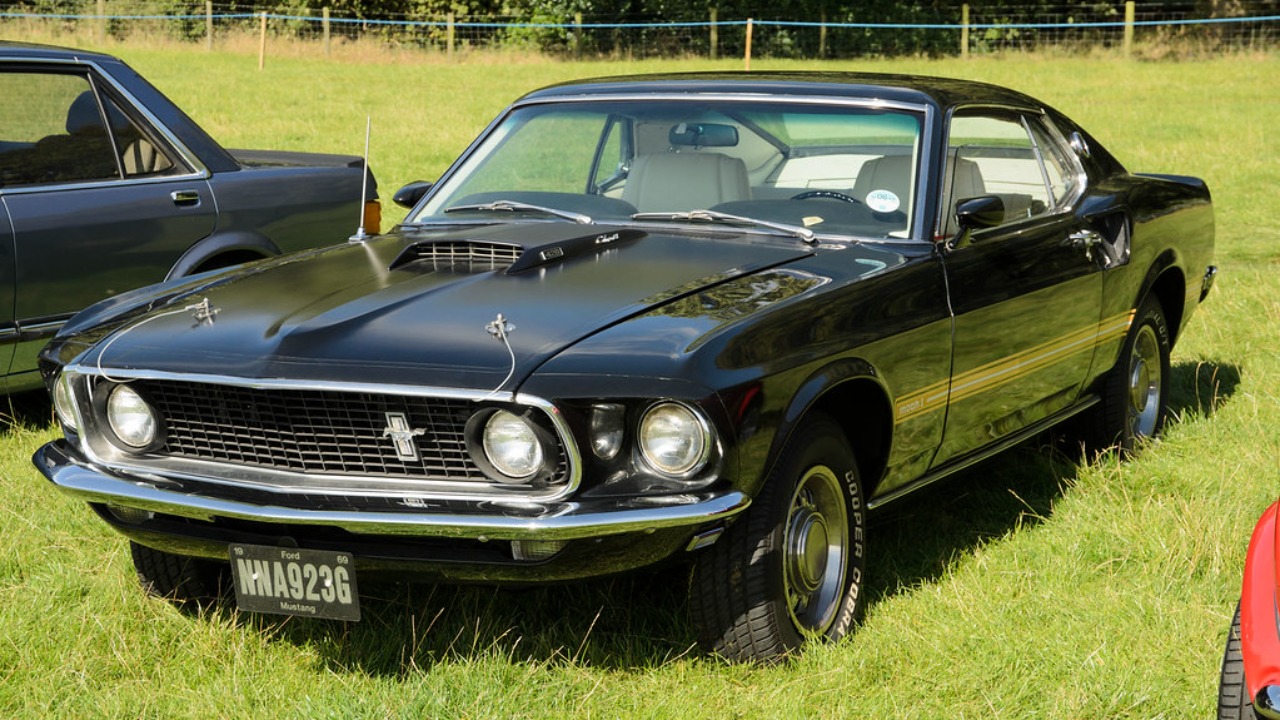
The Ford Mustang has always been synonymous with American muscle, and the Mach 1 variant introduced in the early ‘70s took that legacy to another level. The 1971 model offered a 351-cubic inch V8 that churned out 300 horsepower, providing exhilarating performance on demand. Its distinctive styling, complete with a bold front grille and rear spoiler, made the Mach 1 a standout.
While some critics doubted the Mustang’s future amid changing regulations, the Mach 1 proved to be a resilient performer. Today, it is revered not just as a piece of automotive history, but as a model that helped keep the spirit of muscle cars alive during challenging times.
Dodge Challenger R/T
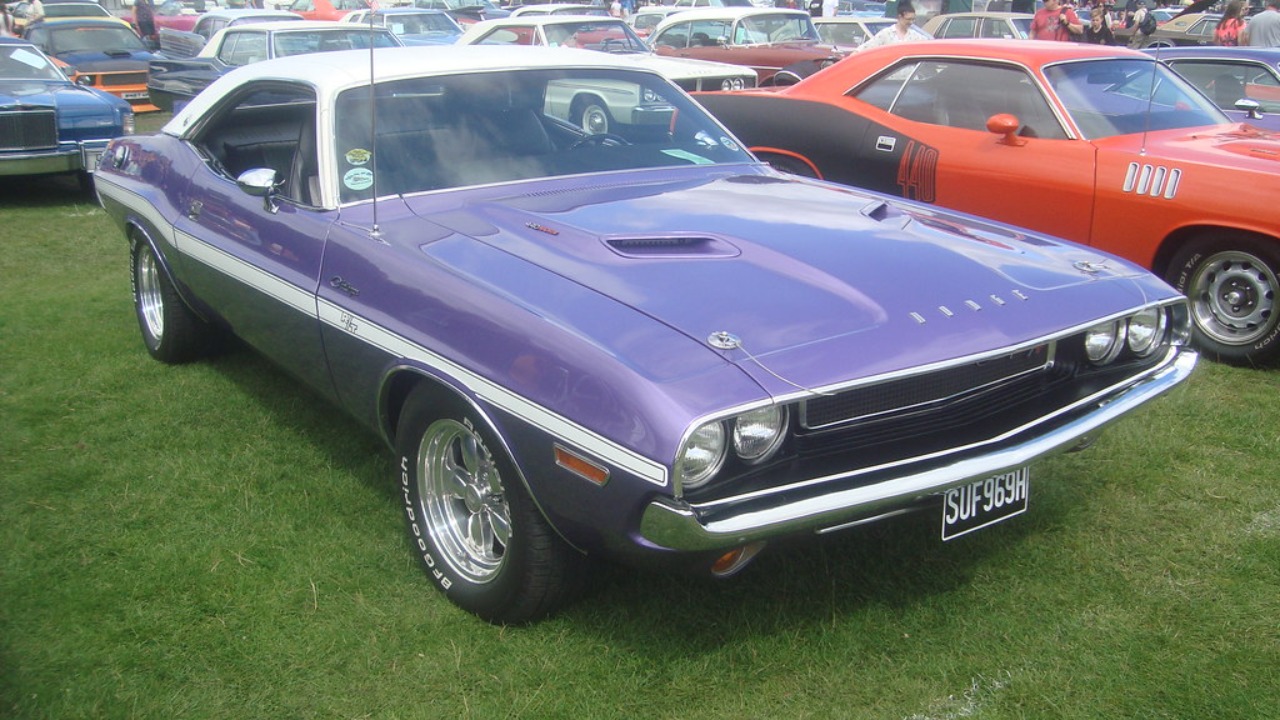
When the Dodge Challenger R/T debuted in 1970, it was celebrated for its muscular lines and powerful engine options. The 426 HEMI was the crown jewel, producing a staggering 425 horsepower. This car was designed to dominate the streets and drag strips, but what many didn’t expect was its enduring legacy as a classic performer.
Even as the decade progressed and performance standards shifted, the Challenger R/T remained a symbol of raw American power. Its ability to evoke nostalgia while still offering exhilarating performance makes it a sought-after classic today, with enthusiasts constantly discussing its significance on forums like Reddit.
AMC Javelin
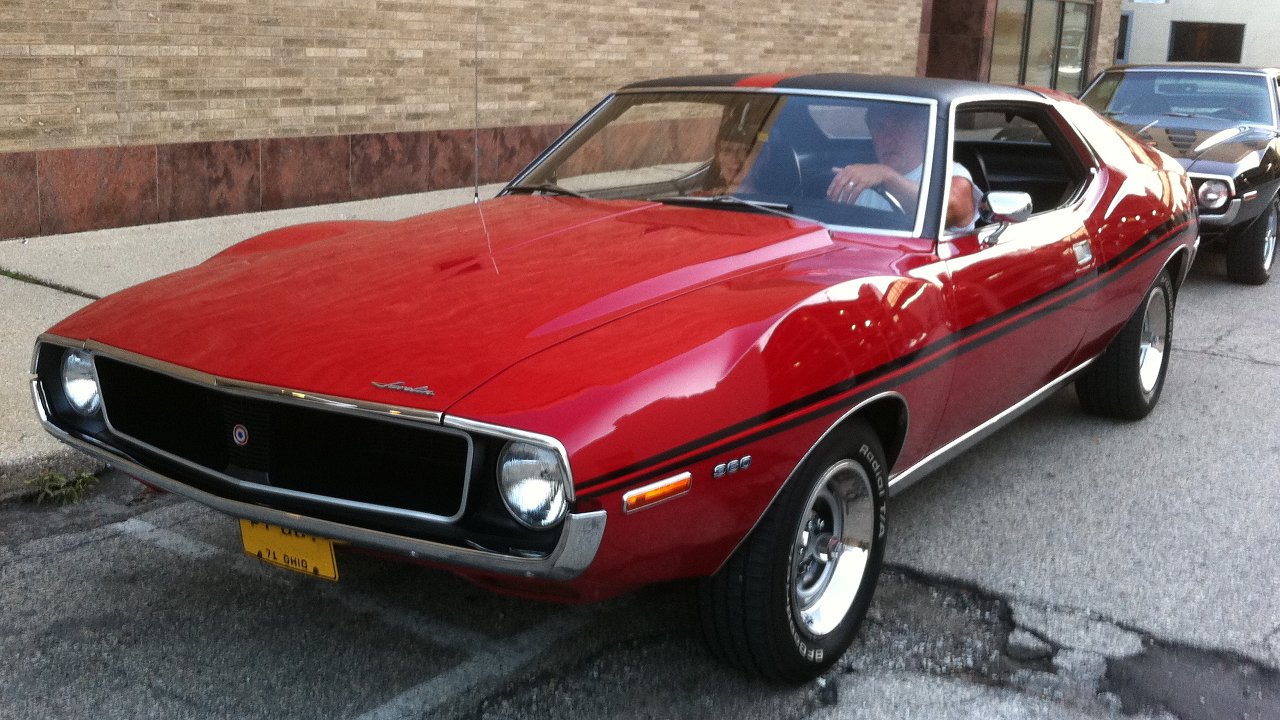
The AMC Javelin often gets overlooked in discussions of ‘70s performance cars, but the 1970 model proved that it had a lot to offer. With a variety of engine options, including a powerful 390-cubic inch V8, the Javelin could compete with the best of them. Its distinctive styling and competitive price point made it an appealing choice for many buyers.
Interestingly, the Javelin also found success in motorsports, particularly in the SCCA Trans-Am series. This unexpected performance pedigree helped elevate its status among car enthusiasts, showing that even lesser-known brands could produce cars that were exciting to drive.
Mercury Cougar XR-7
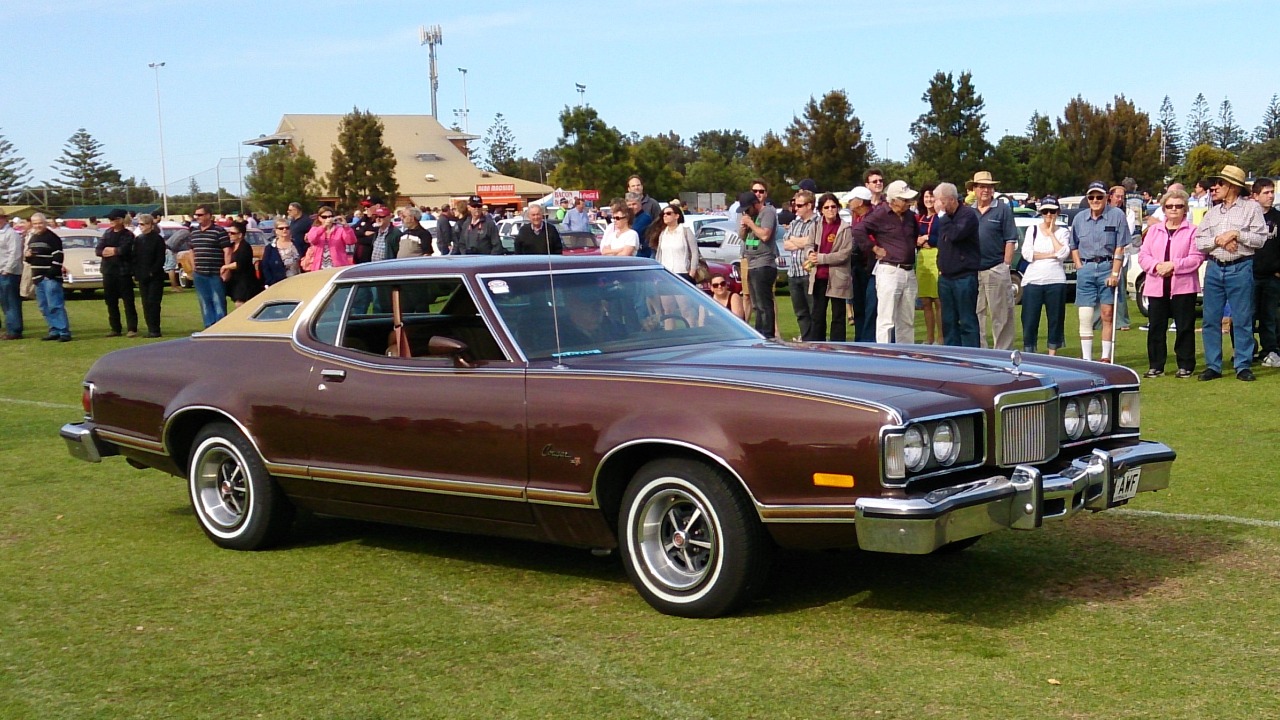
The Mercury Cougar XR-7 was positioned as a more upscale alternative to the Mustang, but it didn’t skimp on performance. The 1970 model came with a 351-cubic inch V8 that delivered a smooth yet powerful ride. With its luxurious interior and refined styling, it appealed to drivers looking for a balance of comfort and performance.
What many didn’t realize was how capable the Cougar XR-7 was on the road. It offered a driving experience that was both enjoyable and engaging, solidifying its reputation as a hidden gem among American muscle cars. Today, it’s often discussed within the context of shared platforms and forgotten classics.
Nissan Skyline GT-R (Kenmeri)
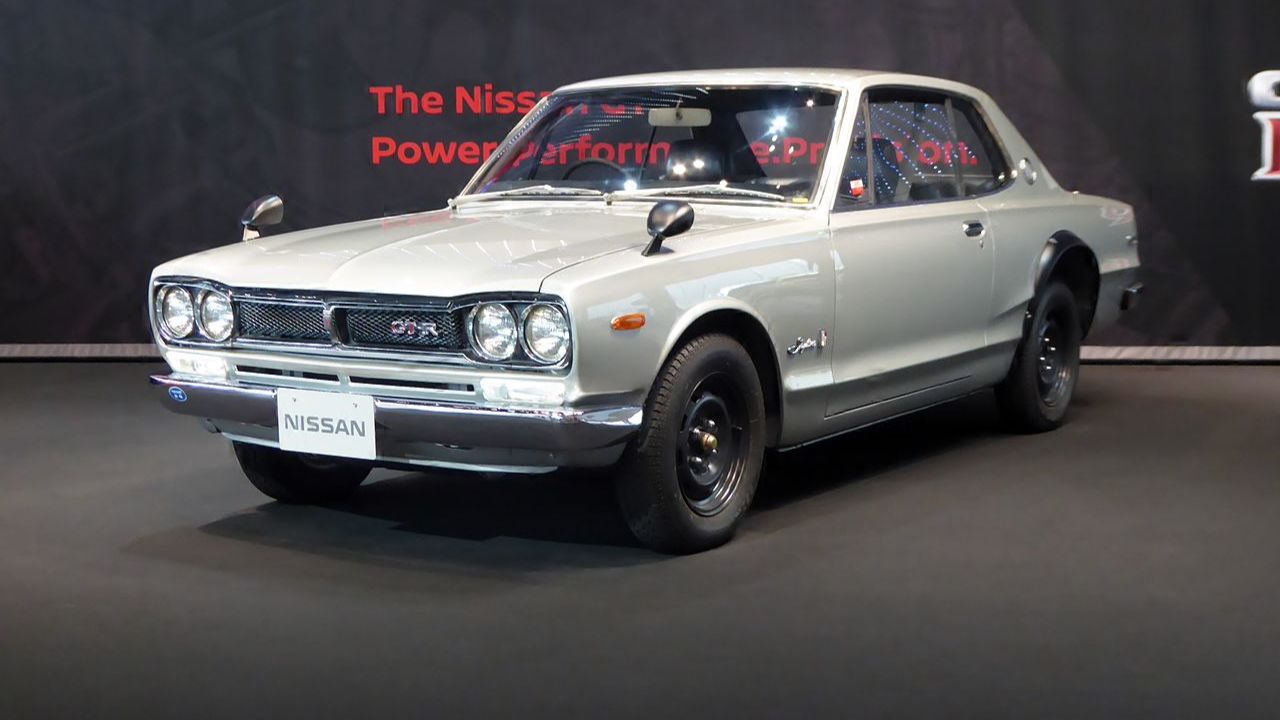
The Nissan Skyline GT-R, particularly the Kenmeri version released in the early ’70s, was a revelation. With a 2.0-liter inline-six engine producing around 160 horsepower, it showcased impressive handling and performance for its time. The styling, characterized by its sharp lines and sporty profile, gave it a unique presence on the road.
What many enthusiasts appreciate today is how the Kenmeri laid the groundwork for the legendary GT-R lineage that followed. It was a car that not only performed well but also hinted at Nissan’s potential to produce world-class sports cars, a vision that would fully materialize in the decades that followed.
Volkswagen Scirocco
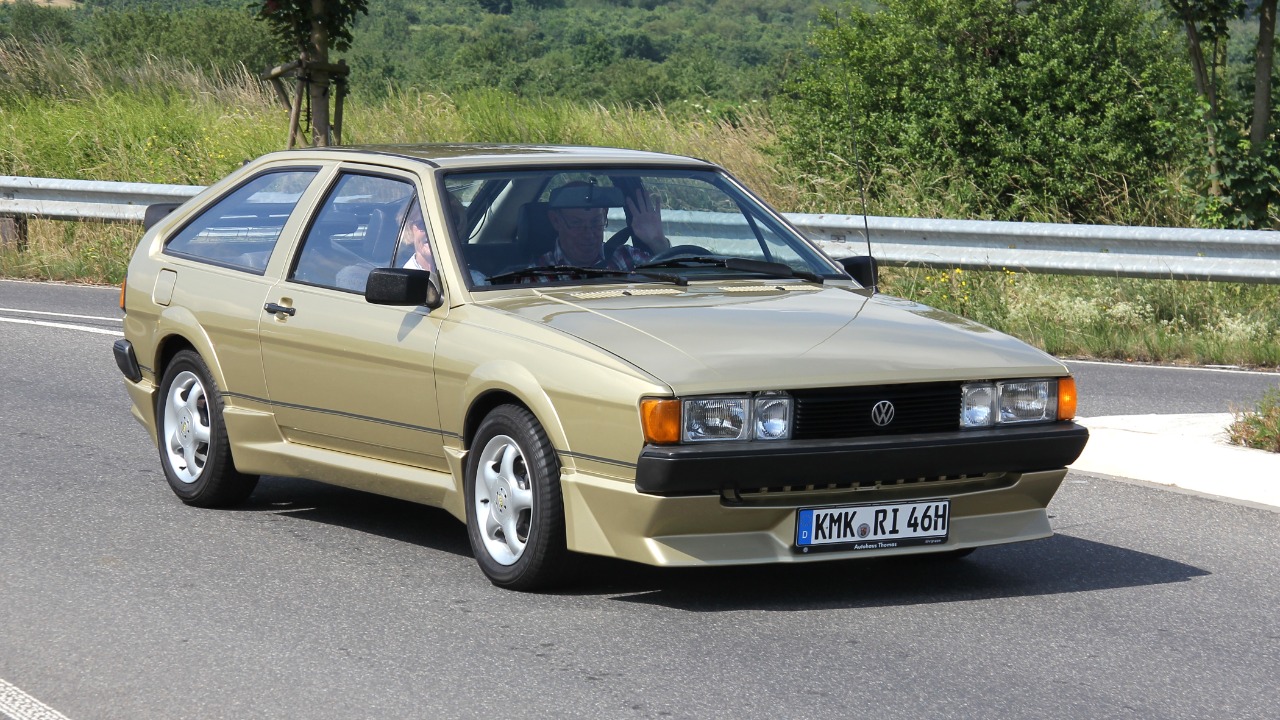
Launched in 1974, the Volkswagen Scirocco was a departure from the typical VW lineup, offering a sporty, compact design that appealed to a younger audience. Powered by a range of engines, including a punchy 1.6-liter option, it delivered a spirited driving experience. Its unique hatchback design and European flair set it apart from competitors.
The Scirocco’s success was unexpected; it carved out a niche in the performance car market that combined practicality with fun. Owners quickly discovered that it was not just a stylish option but also a capable performer, which has led to a lasting appreciation among car fans.
BMW 2002 Turbo
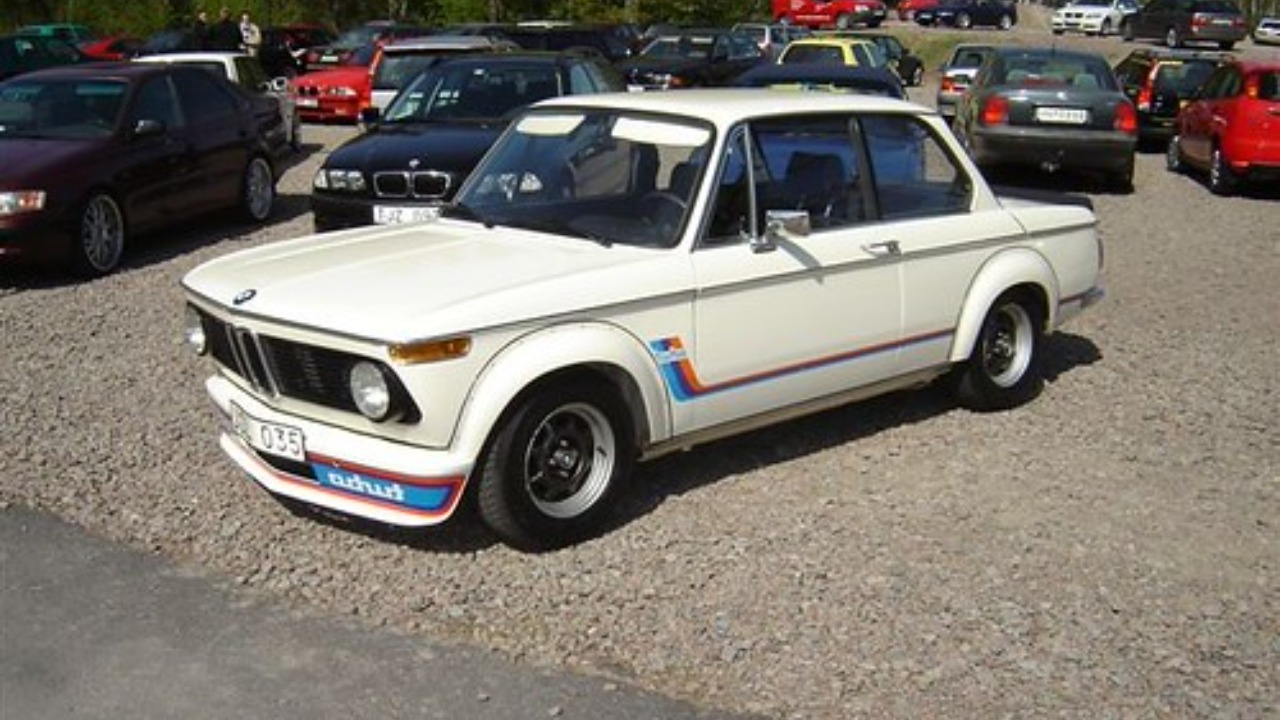
The BMW 2002 Turbo was a pioneering vehicle in the compact sports car segment, debuting in 1973 as the first turbocharged production car in Europe. With its 2.0-liter engine producing 170 horsepower, it offered exhilarating performance in a small package. The 2002 Turbo showcased BMW’s commitment to blending power with precision engineering.
Despite its limited production run, the 2002 Turbo became a beloved model among enthusiasts, often celebrated for its nimble handling and driver-focused design. Its success helped pave the way for BMW’s future performance cars, making it an important chapter in the brand’s history.
Porsche 911 (G-Series)
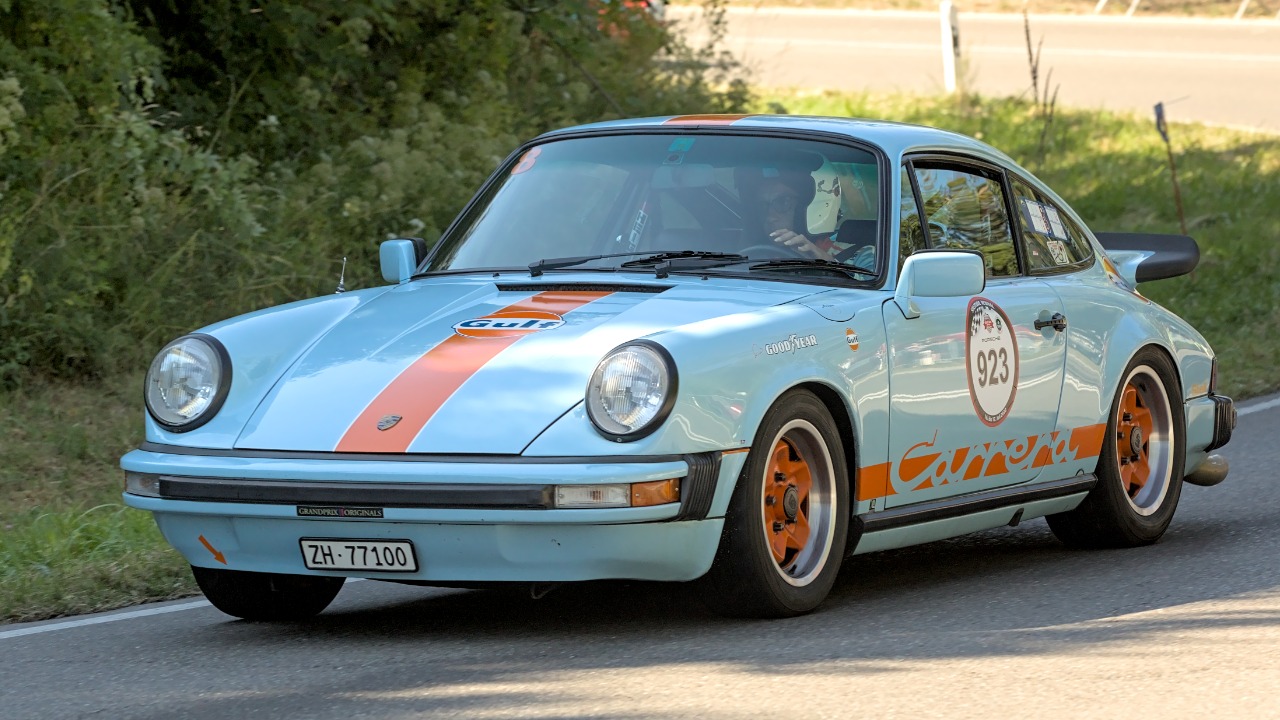
The Porsche 911, particularly the G-Series models introduced in 1974, marked a significant evolution for the iconic sports car. With its distinctive shape and rear-engine layout, it offered an unparalleled driving experience. The introduction of the 2.7-liter engine provided a boost in performance, delivering a thrilling ride that exceeded expectations.
What stands out about the G-Series is its ability to maintain the Porsche 911’s identity while adapting to the challenges of the 1970s. Despite stricter emissions regulations and changing market demands, Porsche managed to improve reliability, refine handling, and preserve the car’s unmistakable character. The G-Series proved that innovation and heritage could coexist, and its unexpected performance during a restrictive era has made it one of the most celebrated classic 911 generations today. Its enduring appeal among collectors serves as a reminder that even in difficult times, great engineering can thrive.