The evolution of the automobile has continually reshaped society, offering glimpses into the future of transportation. American cars have played a pivotal role in this transformation, often introducing groundbreaking technologies and designs that made the future feel imminent. Here are ten iconic American vehicles that embody this spirit of innovation and foresight.
Ford Model T

Introduced in 1908, the Ford Model T revolutionized the automotive industry and American culture. It was the first mass-produced car, making personal transportation accessible to the average American. With its simple design and affordability, it shifted the landscape of mobility. Its production techniques, particularly the moving assembly line, set standards that would be emulated across multiple industries, showcasing how innovation could drive societal change. The Model T laid the groundwork for modern cars, influencing everything from design to manufacturing processes.
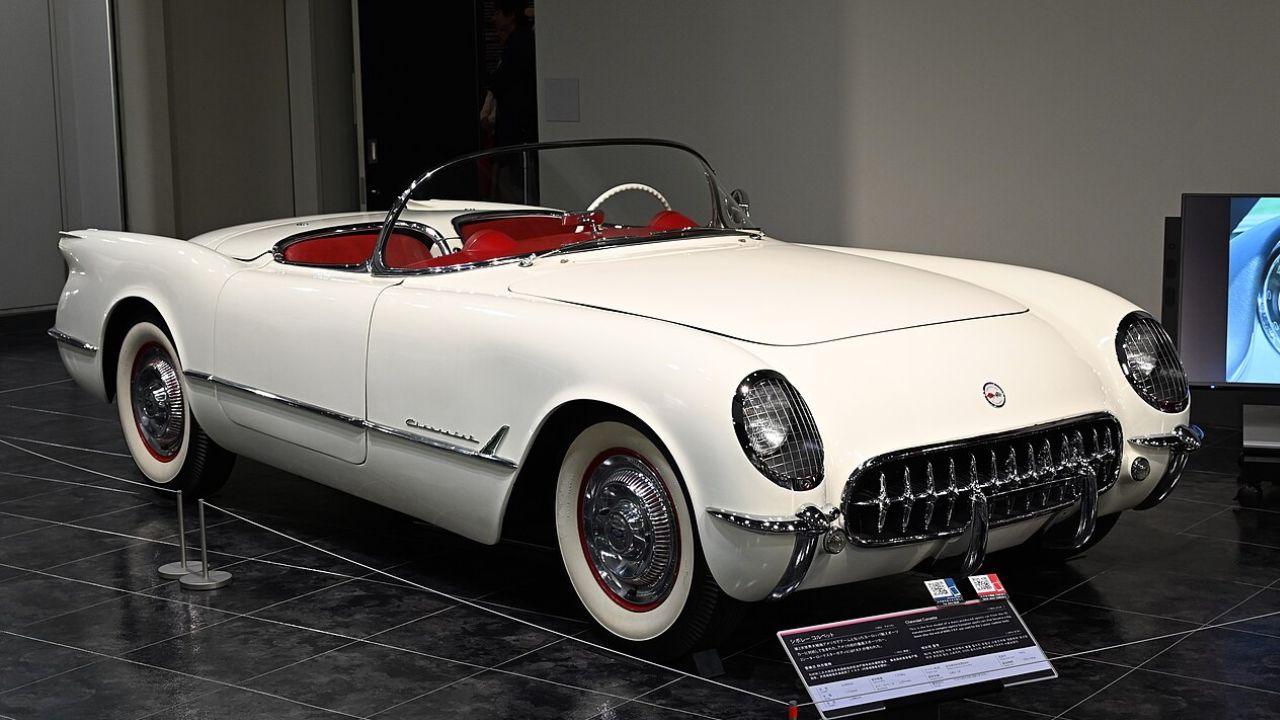
Chevrolet Corvette (C1)
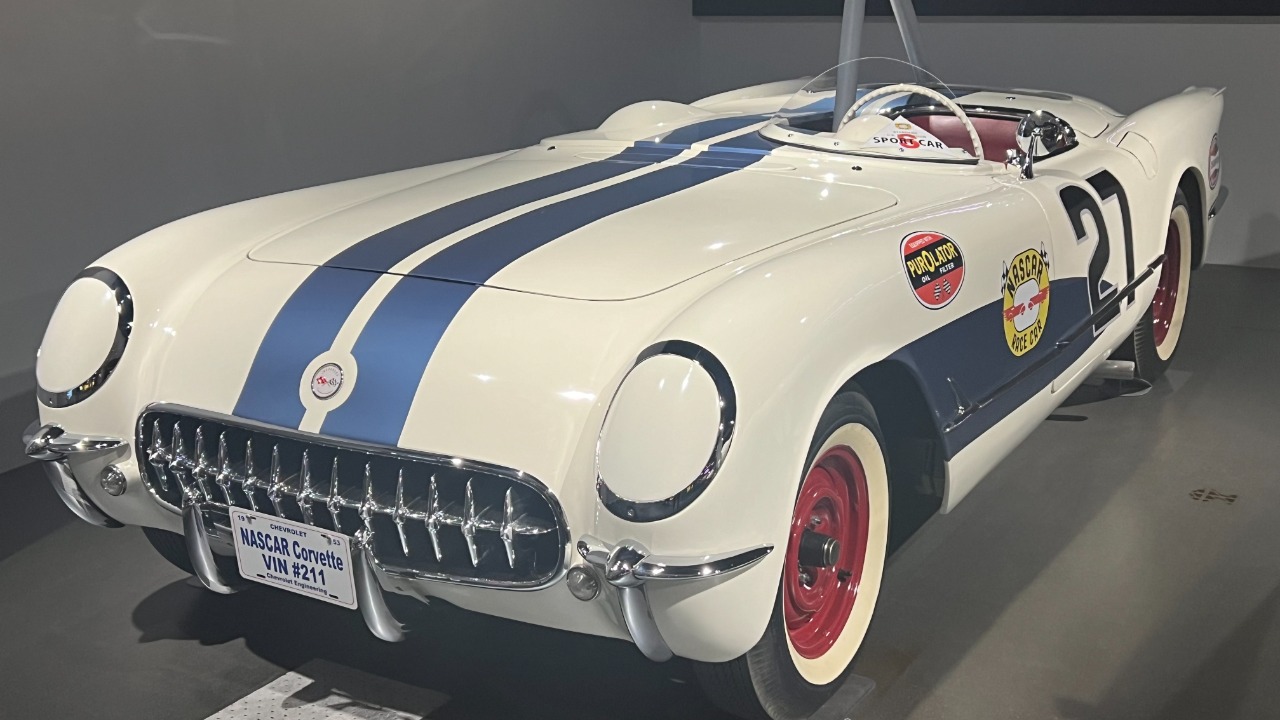
The original Chevrolet Corvette, launched in 1953, redefined American sports cars with its sleek design and performance. The first model, with its fiberglass body and innovative V8 engine, captivated the public’s imagination and established a new standard for performance vehicles. It signaled a shift in automotive culture towards speed and style, embodying the post-war optimism of the era. The Corvette’s legacy continues to influence sports car design and engineering, making it a symbol of American ingenuity and aspiration.
Chrysler Airflow
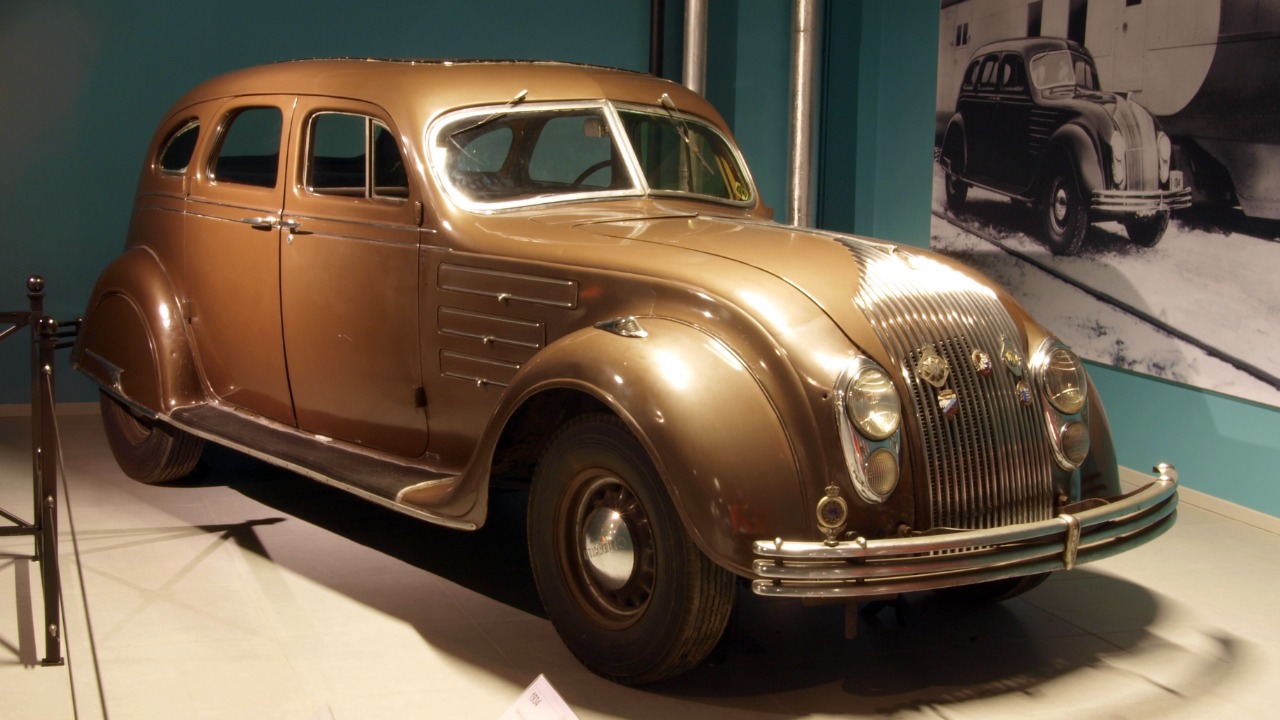
Debuting in 1934, the Chrysler Airflow was a pioneering vehicle in automotive aerodynamics. Its streamlined shape was a stark departure from traditional car designs and indicated a new direction for efficiency in vehicle engineering. Though not commercially successful, the Airflow’s design principles influenced future generations of cars, emphasizing the importance of aerodynamics for performance and fuel efficiency. It remains a notable example of early attempts to marry design with functionality in the automotive realm.
Tesla Model S

Launched in 2012, the Tesla Model S marked a watershed moment in electric vehicle (EV) technology. Combining luxury with sustainability, it offered impressive range and performance, proving that electric cars could compete with, and even surpass, traditional gasoline vehicles. The Model S pioneered features like autopilot capabilities and over-the-air software updates, pushing the boundaries of what consumers expect from modern vehicles. Its success has accelerated the automotive industry’s shift toward electric mobility, making a significant impact on future transportation.
Pontiac Firebird
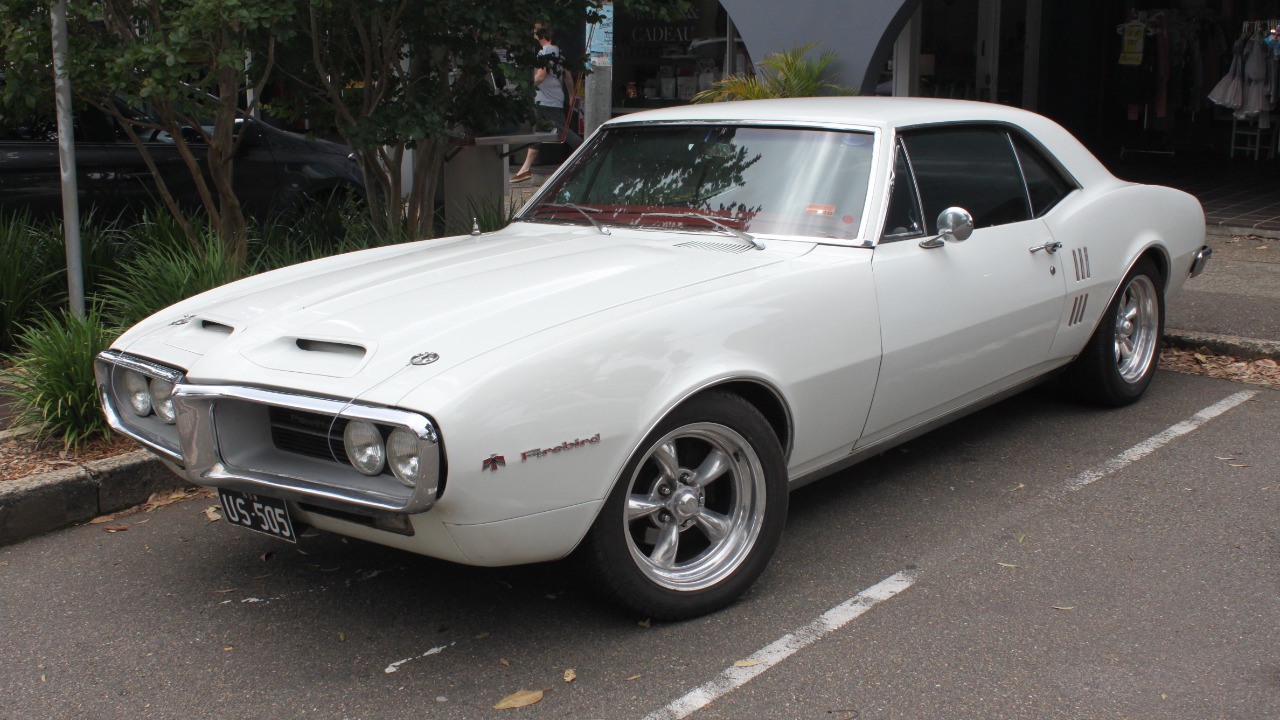
The Pontiac Firebird, introduced in 1967, quickly became an icon of American pop culture and muscle car performance. With its aggressive styling and powerful engines, the Firebird captured the essence of freedom and rebellion during the late 1960s and early 1970s. It featured innovative technologies like the Trans Am performance package, which enhanced its appeal among enthusiasts. The Firebird’s influence extended beyond its production years, inspiring a generation of car lovers and leaving a lasting legacy in American automotive history.
Dodge Viper

Debuting in 1992, the Dodge Viper was a bold statement in American automotive design, offering raw power and a visceral driving experience. With a massive V10 engine and a minimalist design, the Viper emphasized performance over luxury. It became a symbol of American muscle, attracting enthusiasts who craved speed and excitement. The Viper’s unique styling and performance capabilities set it apart in the sports car market, reinforcing the idea that American cars could dominate the high-performance segment.
Cadillac Eldorado (1957)
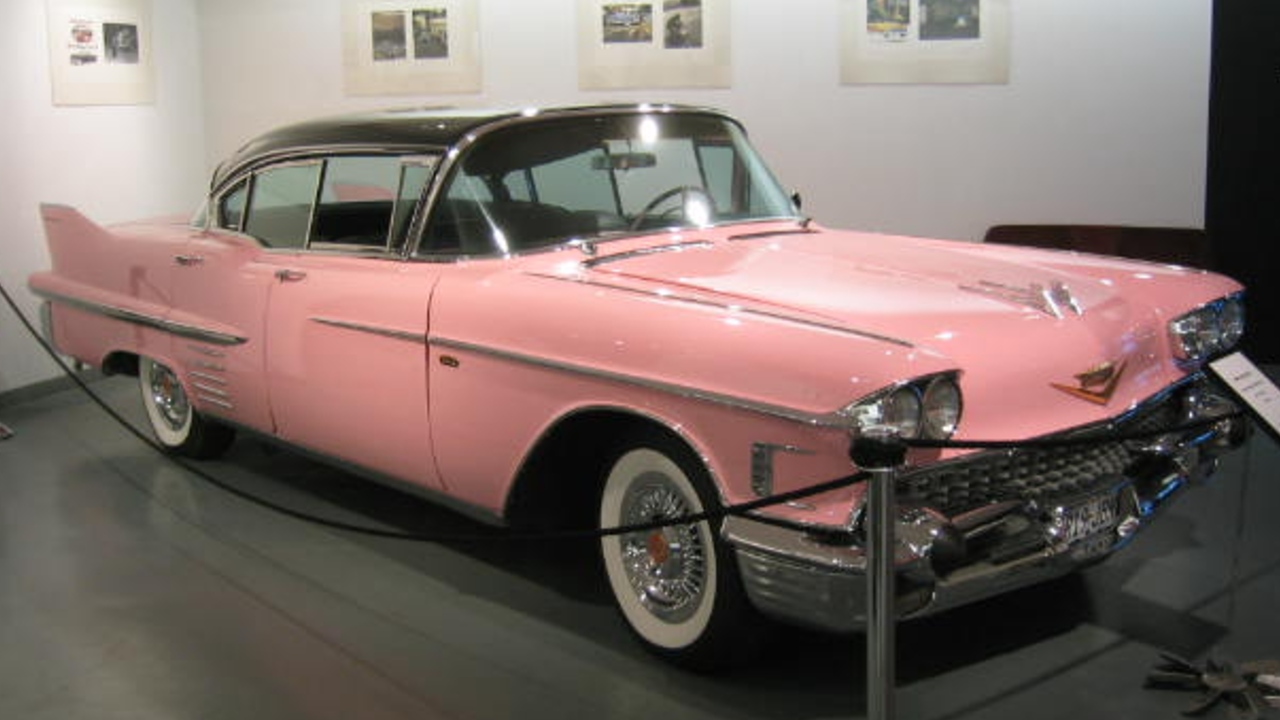
The 1957 Cadillac Eldorado epitomized American luxury and innovation. With its distinctive tailfins and extravagant features, it represented the peak of automotive design during the post-war era. The Eldorado was equipped with advanced technologies for its time, including air conditioning and power windows, which were not commonly found in other vehicles. This model showcased Cadillac’s commitment to luxury and performance, making it a coveted status symbol and a reflection of the American dream in the mid-20th century.
Lincoln Continental (1961)

The 1961 Lincoln Continental is often regarded as one of the most stylish cars of its era. Its elegant design and advanced features, including a unibody construction and suicide doors, set new standards for luxury vehicles. The Continental was not just a car but a statement of wealth and sophistication, embraced by celebrities and politicians alike. This model helped solidify Lincoln’s reputation as a premier luxury brand, influencing automotive design and consumer expectations for decades.
Chevrolet Volt
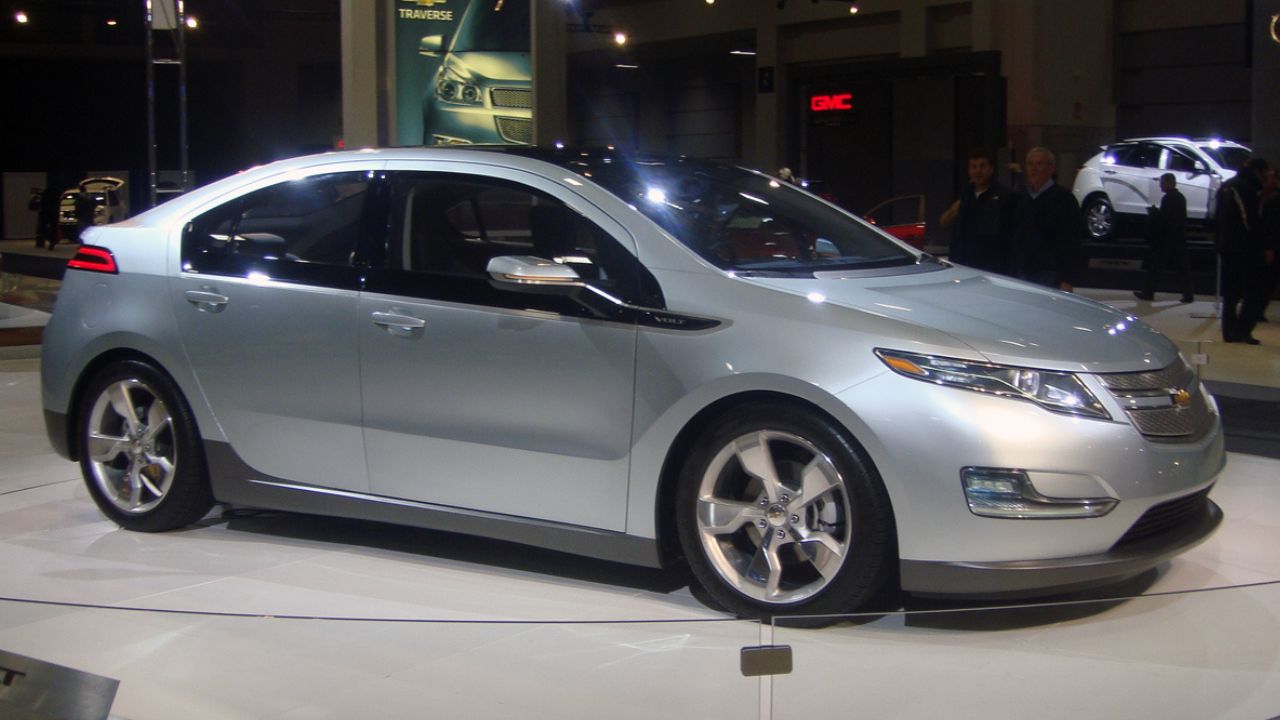
Launched in 2010, the Chevrolet Volt was a groundbreaking plug-in hybrid that aimed to bridge the gap between traditional gasoline vehicles and fully electric cars. It offered a unique driving experience with its electric-only range complemented by a gasoline engine for extended travel. The Volt paved the way for advancements in hybrid technology, emphasizing efficiency without sacrificing performance. Its innovative design and approach to sustainability helped shift public perception of electric vehicles, demonstrating their viability as a practical option for everyday drivers.
Rivian R1T
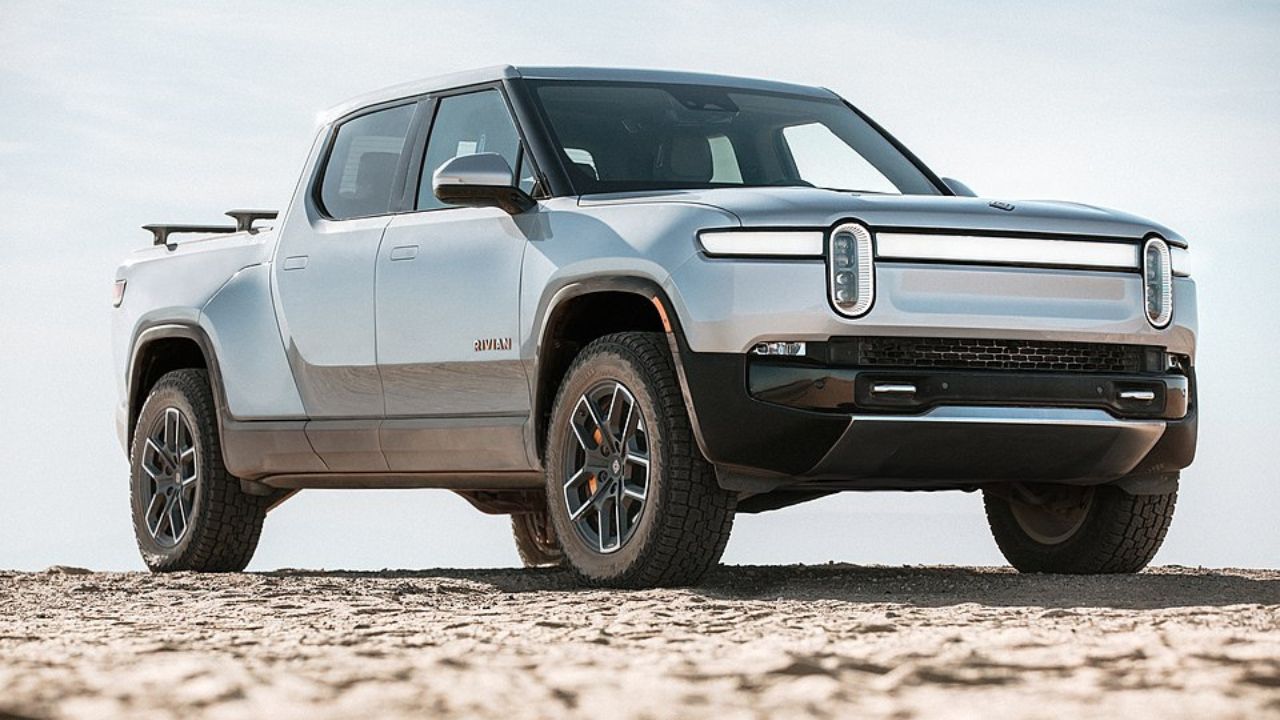
Entering the scene in 2021, the Rivian R1T has quickly become a symbol of the future of electric trucks. With its rugged design and impressive off-road capabilities, it challenges traditional perceptions of electric vehicles. The R1T features cutting-edge technology, including a robust battery system that offers significant range and fast charging capabilities. Its focus on adventure and utility positions it as a game-changer in the market, appealing to environmentally conscious consumers seeking performance and durability in their vehicles.
More from Fast Lane Only