The Dodge Challenger has one of the most unusual stories in American performance history. Its first appearance during the original muscle car era was brief and struggled against established rivals. Decades later, Dodge revived the nameplate with a modern interpretation that captured the spirit of the original while creating a new generation of loyal fans. The Challenger became a rare example of a forgotten model finding a successful second life.
The Original Challenger Faced Tough Competition
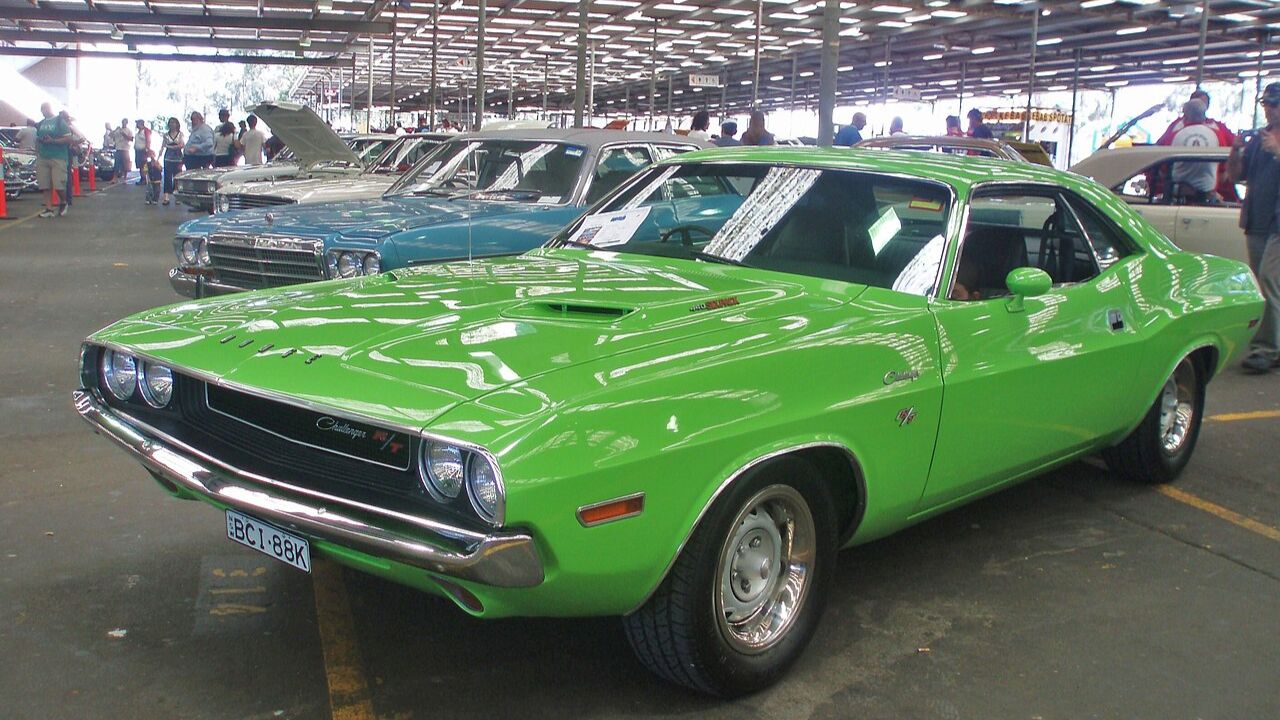
When Dodge introduced the Challenger for the 1970 model year, the muscle car market was already crowded with legendary competitors. Ford had the Mustang, Chevrolet had the Camaro, and Plymouth offered the Barracuda. Dodge entered the segment late, making it difficult for the Challenger to establish its own identity.
Built on the E-body platform shared with the Barracuda, the Challenger featured aggressive styling and a wide range of engine choices. Buyers could select powerful options such as the 426 Hemi and 440 Six Pack, giving the car impressive performance credentials.
Despite its capabilities, the Challenger struggled to gain the same popularity as more established rivals. Changing market conditions, rising insurance costs, and declining interest in high-performance cars limited its success.
After only a short production run, the original Challenger disappeared, leaving behind a small but dedicated group of enthusiasts.
A Revival Based on Heritage
When Dodge brought back the Challenger for the 2008 model year, the company took a different approach. Instead of creating an entirely new design, Dodge looked to the original model for inspiration, using retro styling cues combined with modern technology.
The new Challenger featured a long hood, short rear deck, and muscular proportions that immediately reminded enthusiasts of the classic era. However, beneath the familiar appearance was a modern platform with improved safety, comfort, and performance.
This balance between nostalgia and innovation became the foundation of the Challenger’s revival. Dodge understood that buyers wanted a connection to the past without sacrificing modern expectations.
The revived Challenger succeeded because it respected the original while offering something completely relevant for a new generation.
Performance Returned to the Spotlight
The modern Challenger gained attention through powerful engine options and a focus on traditional muscle car values. Models equipped with Hemi V8 engines delivered the kind of horsepower and acceleration enthusiasts expected from the Dodge brand.
Unlike many modern performance cars that focused on lightweight design and advanced technology, the Challenger embraced its larger size and emphasized power, comfort, and highway performance. This approach gave it a unique personality among modern muscle cars.
Special versions, including high-performance SRT and Hellcat models, pushed the Challenger into territory once reserved for exotic sports cars. Massive horsepower figures and drag-strip capability turned the car into a modern performance icon.
Dodge successfully transformed the Challenger name from a forgotten model into one of the most recognizable muscle cars of the 21st century.
A Legacy Built Twice
The Dodge Challenger’s story is unique because it achieved importance in two different eras. The original model represented the final years of the classic muscle car period, while the modern version helped revive interest in traditional American performance.
Collectors appreciate early Challengers for their rarity and historical significance, while modern enthusiasts celebrate the revived model for keeping the muscle car spirit alive in a changing automotive world.
The Challenger proved that a nameplate does not always have to succeed immediately to become legendary. Sometimes, the right timing, design, and engineering can give a forgotten idea a second opportunity.
Dodge’s decision to revive the Challenger created more than a successful comeback—it produced one of the greatest second-chance success stories in automotive history.
More from Fast Lane Only
- Unboxing the WWII Jeep in a Crate
- 15 rare Chevys collectors are quietly buying
- 10 underrated V8s still worth hunting down
- Police notice this before you even roll window down
*Research for this article included AI assistance, with all final content reviewed by human editors