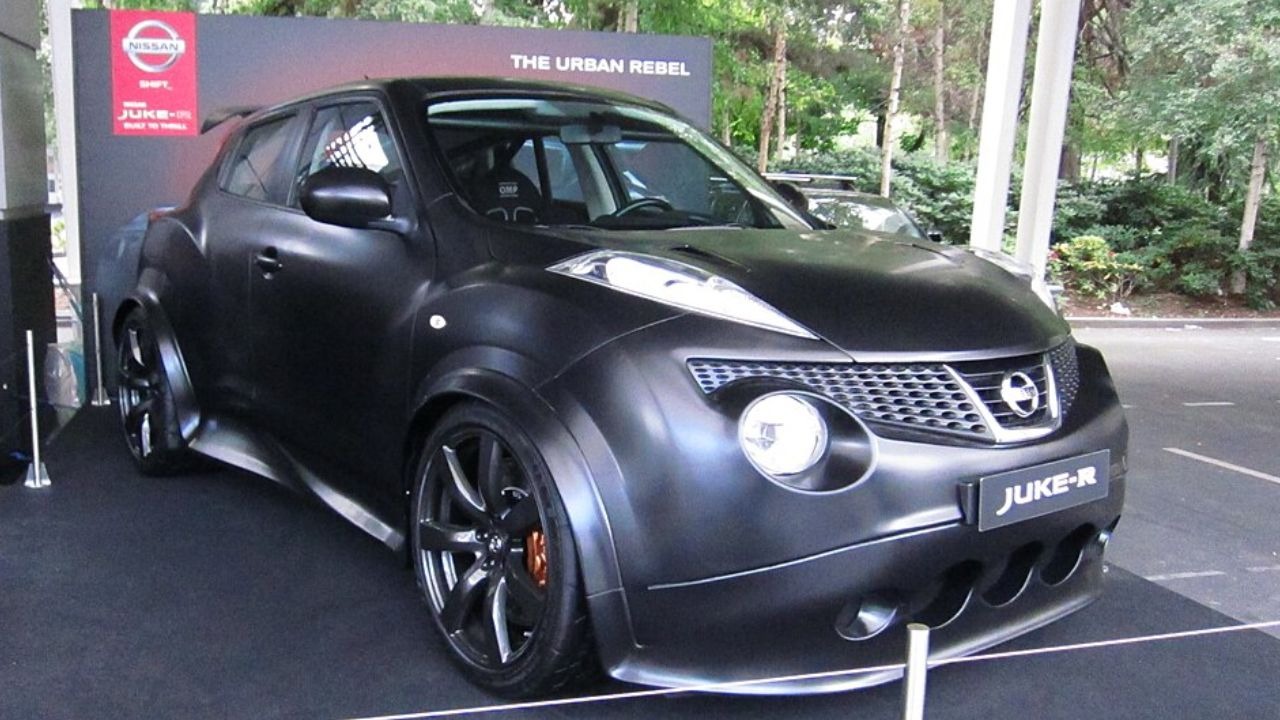
You know the feeling: you fall for a car, enjoy every commute, then one day something strange starts happening and the love story unravels. The models below earned real affection from owners before odd failures, hidden flaws, or baffling design choices turned them into cautionary tales. If you are shopping used, or just curious how a dream car can sour, these stories show how quickly enthusiasm can flip once the weird problems start.
Ford Pinto
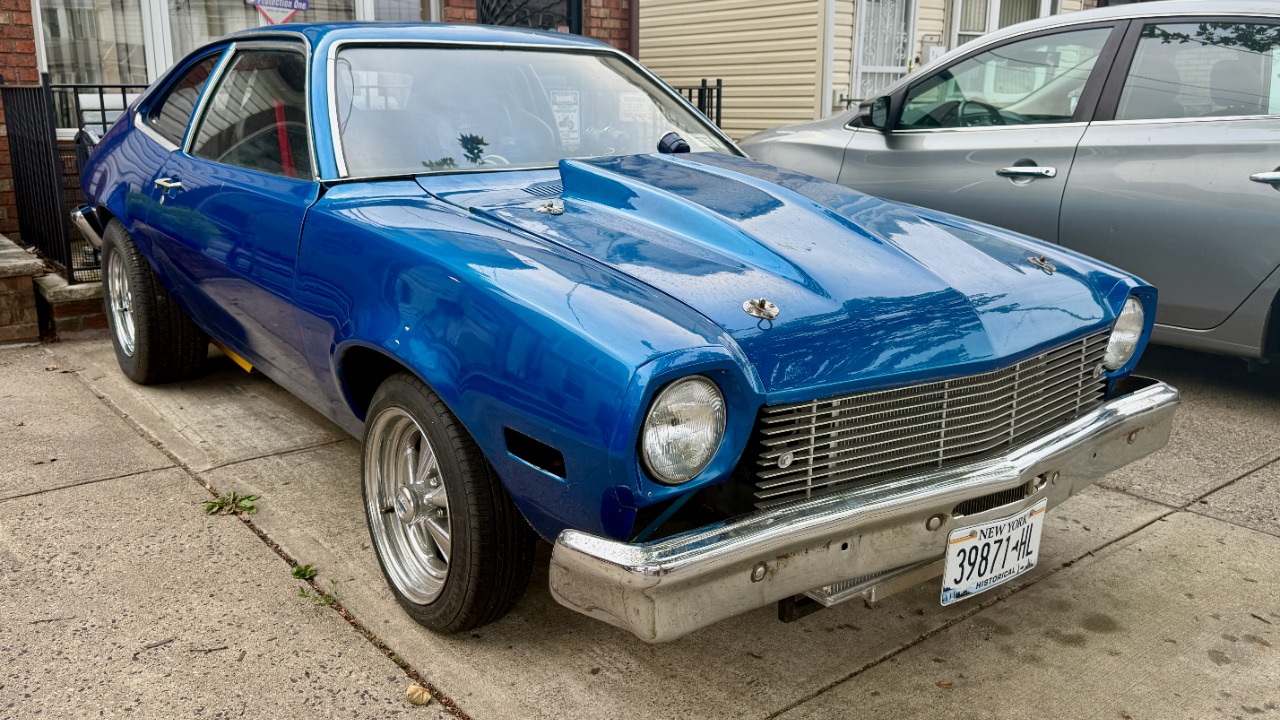
The Ford Pinto is the classic example of a car people initially loved until something terrifying emerged. Early buyers liked its tidy size and low price, and it fit right into the fuel conscious 1970s. Then you started hearing about rear impacts turning into fireballs. As Image Credit notes, the Ford Pinto’s rear mounted fuel tank became infamous for rupturing in rear collisions.
Once you realize your daily driver can leak fuel and ignite in a low speed crash, every tailgater feels like a threat. The Ford Pinto shows how a single engineering decision can overshadow everything owners liked about a car. It also pushed regulators and automakers to treat crash safety and fuel system design as non negotiable, changing how you benefit from modern safety standards even if you never touch a Pinto.
Jeep Grand Cherokee (2014–2015)
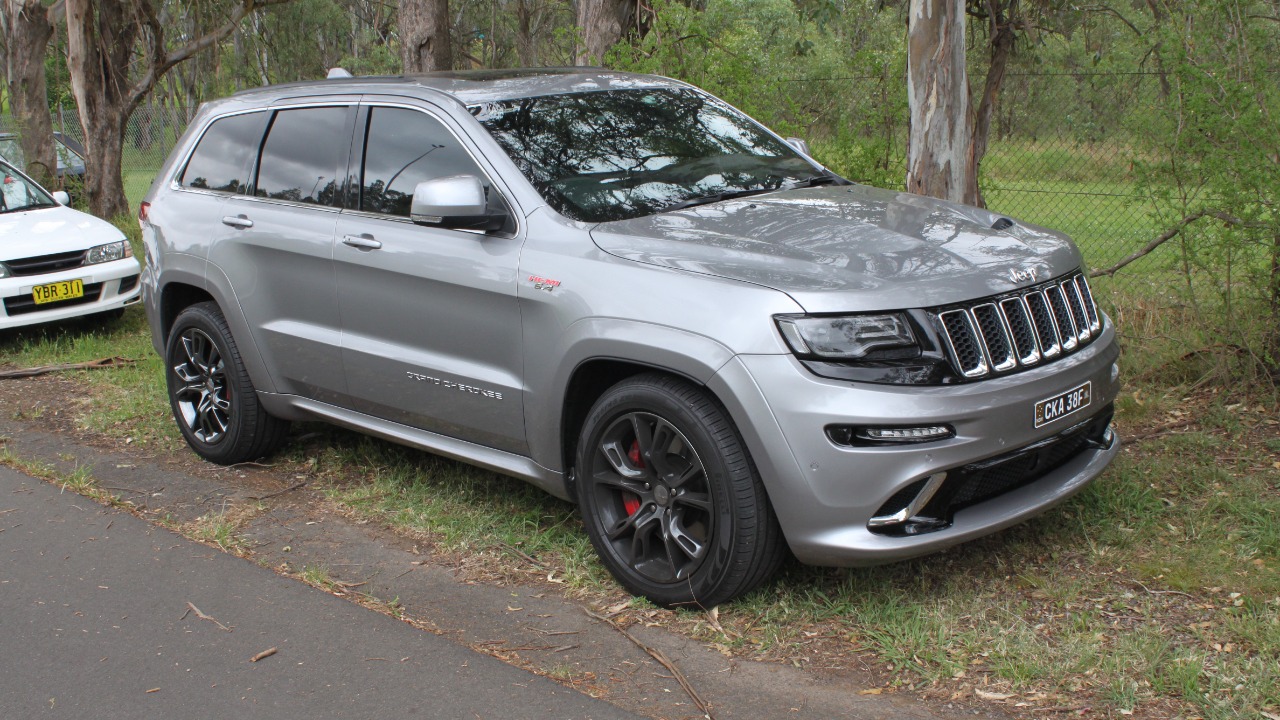
The Jeep Grand Cherokee is the kind of SUV you might buy for comfort and capability, then slowly notice something odd in the way it shifts. According to real complaints, 2015 and 2014 Jeep Grand Cherokee owners kept running into problems with the 8 speed ZF electronic automatic transmission. There were reports of harsh shifts, hesitation, and confusing gear selector behavior.
When your SUV randomly lurches or refuses to engage a gear smoothly, every school run becomes stressful. There were enough issues that a class action lawsuit followed initial complaints, turning what should have been a long term family hauler into a legal headache. For you as a used buyer, this is a reminder to research specific model years and components, not just the badge, before you sign anything.
Hyundai I10 (2007–2015)
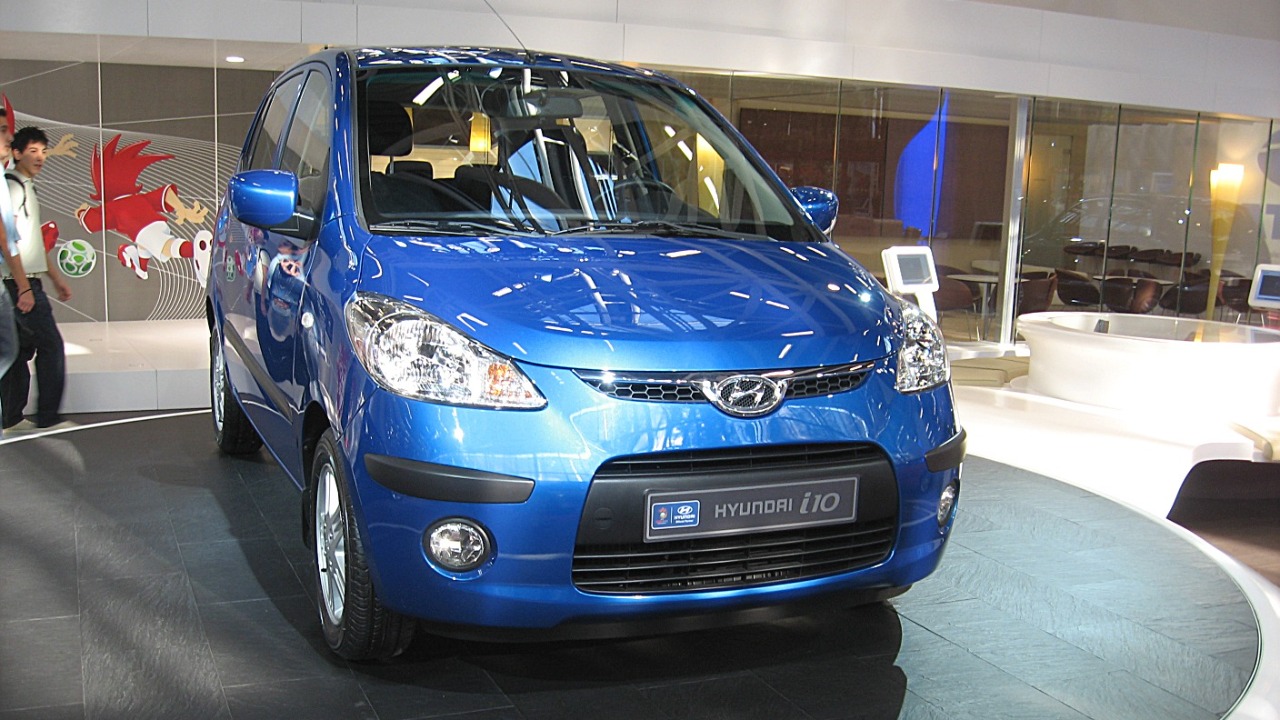
The Hyundai I10, listed under section 7.20 in a catalog of poorly received cars, started out as a sensible city runabout. Owners liked the low running costs and easy parking, and Hyundai’s broader reputation for value helped. Yet the same reference that tags it as 7.20 also groups it with other models that drew criticism, such as the Nissan Juke at 8.1, the Aston Martin Cygnet at 8.2, and Nissa at 8.3, in a negative reception list.
Being grouped that way signals that, over time, owners and reviewers found the I10’s compromises harder to ignore. You might start with minor gripes about refinement, then notice how crash test scores, interior quality, or long term durability lag behind rivals. The stakes for you are clear, because a car that feels fine on a short test drive can still age poorly, leaving you with a noisy, tiring commute and a harder to sell hatchback a few years down the road.
Nissan Juke (first generation)
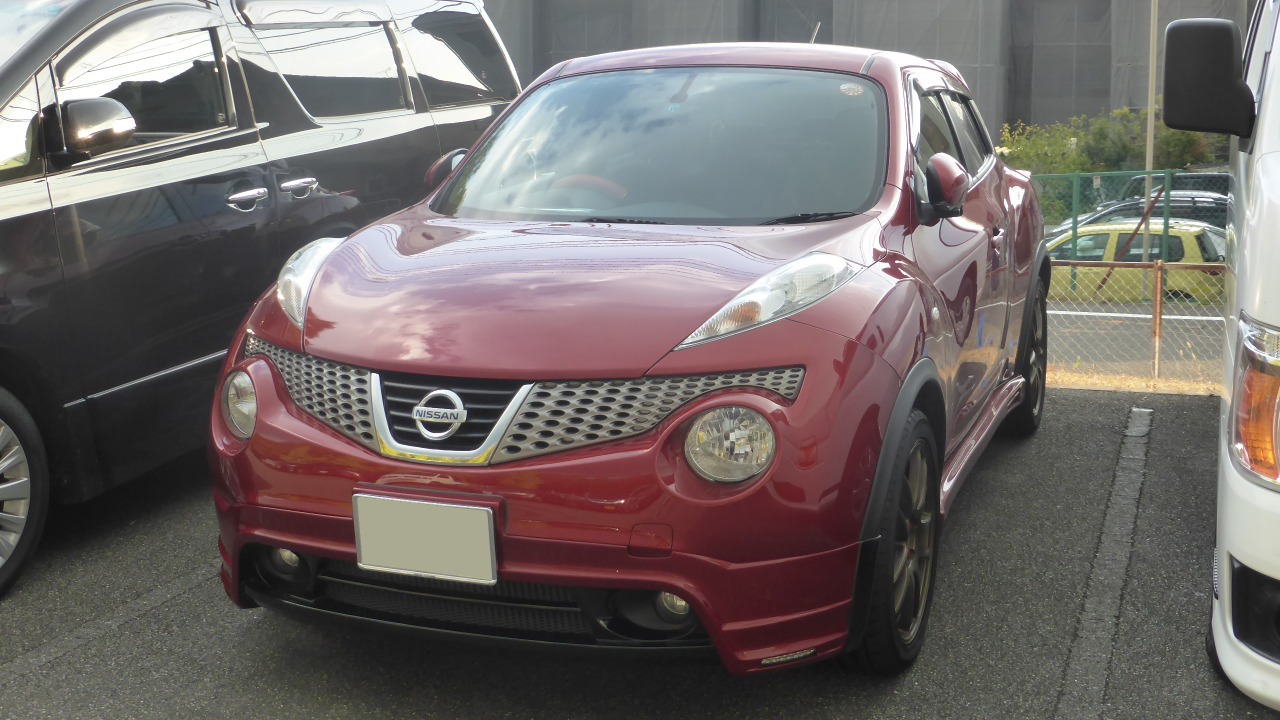
The first generation Nissan Juke is a car you either adored or could not stand, and plenty of early adopters loved its quirky styling. Over time, though, that same design and its compromises landed it in the 8.1 slot on the same negative list that calls out the Hyundai I10. Owners began to complain about cramped rear seats, limited cargo space, and visibility issues that made daily driving awkward.
When the novelty wears off and you are left wrestling with blind spots and a tiny trunk, the Juke’s charm fades quickly. For you, it is a reminder that unusual styling can hide very practical trade offs. If you are drawn to a bold design, it pays to sit in every seat, load actual luggage, and imagine living with the car for years, not just enjoying the first few weeks of attention in the parking lot.
Aston Martin Cygnet
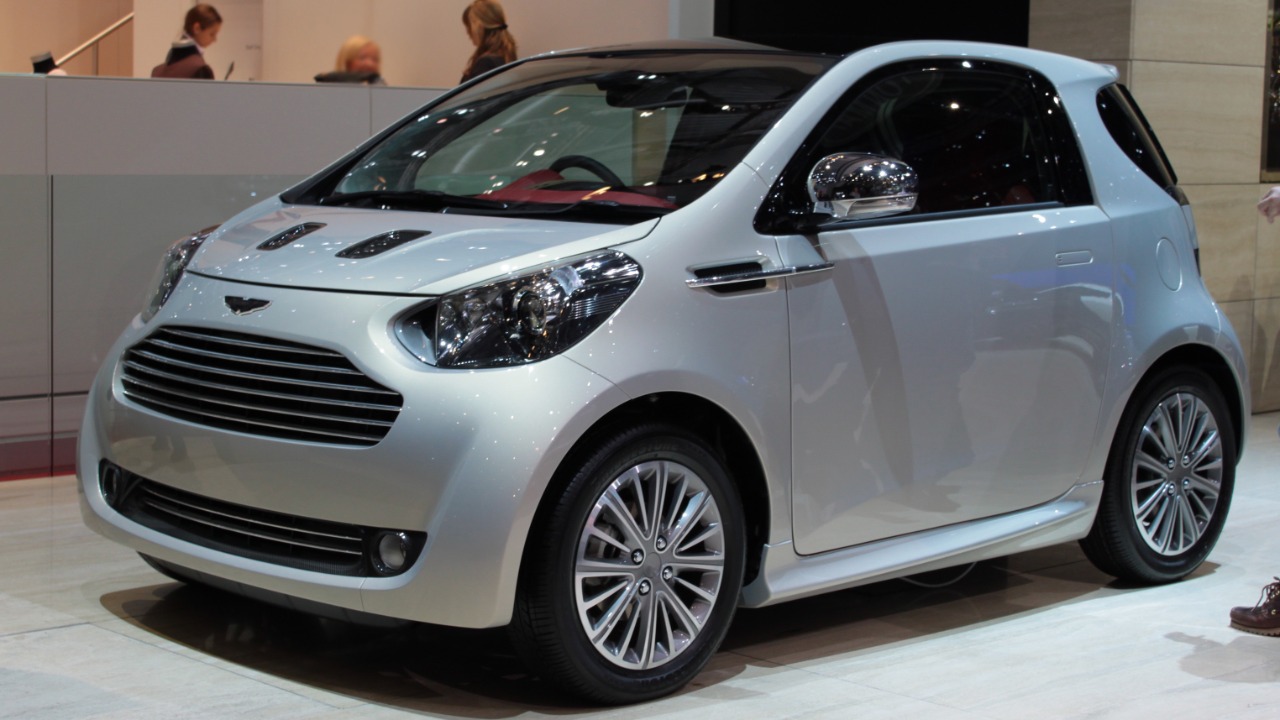
The Aston Martin Cygnet is a textbook case of a car that looked clever on paper but felt strange once owners lived with it. Slotted at 8.2 in the same negative reception rundown, it was essentially a tiny city car dressed up with a luxury badge and price. If you bought one, you probably loved the idea of an ultra compact Aston Martin for urban use.
Then the oddness set in, because underneath the leather and logos you were still driving a modest economy platform that did not deliver the performance or presence you expect from the brand. That mismatch between image and reality can feel embarrassing every time you park next to a full size Aston. For you as a shopper, the Cygnet underlines why you should look past branding and ask whether the engineering and driving experience really match the badge.
Ford Focus (automatic)

The Ford Focus automatic is a modern example of a car that seemed like a smart, practical choice until transmission behavior started to feel off. In a discussion asking What vehicles damaged their brand, one example highlights how the Ford Focus automatic transmission issues became notorious. Like many owners, you might have first noticed shuddering from a stop or jerky gear changes in traffic.
Those symptoms can quickly turn a trusted commuter into a source of anxiety, especially when repair attempts drag on or do not fully fix the problem. The conversation also points out how problems like this can ripple out, making you and other buyers wary of the entire brand. If you are considering a used Focus, it is crucial to test drive long enough to feel how the automatic behaves in stop and go conditions, not just on a quick highway loop.
Hyundai (problematic models)
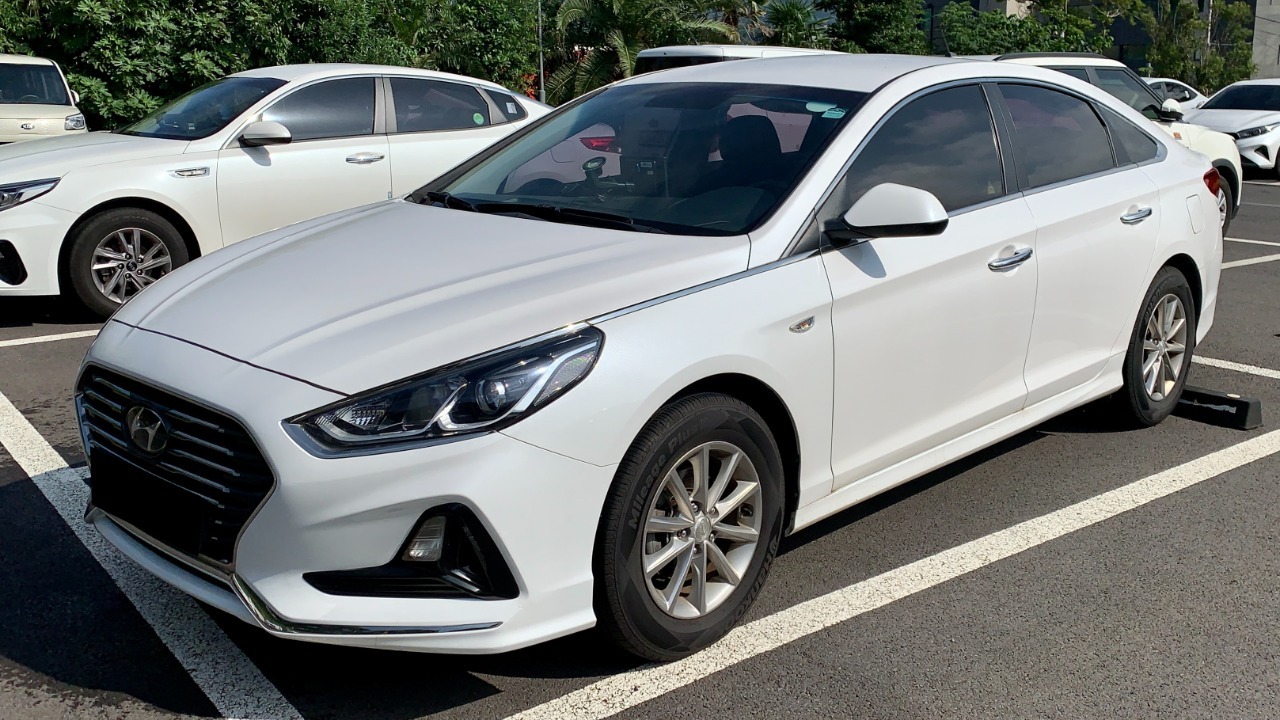
Hyundai as a brand has built a strong reputation for value, yet some models have still landed on lists of cars owners would not buy again. In a video about 10 junk car brands, the host Jan talks about buyers refusing to return to certain badges because of reliability problems, boring driving dynamics, or simply feeling gross to live with. When a few high profile engines or gearboxes start failing early, it can overshadow the solid cars in the lineup.
If you own one of the affected Hyundais, you might have started out thrilled with the warranty and features, then grown frustrated as warning lights, engine noises, or recall notices piled up. That shift from confidence to suspicion every time you hear a new sound is exactly how affection turns into regret. For you as a shopper, it is a cue to research specific engines and production years rather than assuming every Hyundai will behave the same.
Honda Accord (2013–2017 CVT Models)

The Accord has long been a reliability benchmark, and this generation continued that reputation in many ways. Owners appreciated its smooth ride and practical efficiency.
However, some CVT-equipped models developed unusual vibration or droning sounds at certain speeds. While not always catastrophic, the sensation felt out of character for a car known for refinement. For loyal Honda drivers, the surprise was not failure — it was the subtle shift in feel.
Audi A4 (B8 Generation)
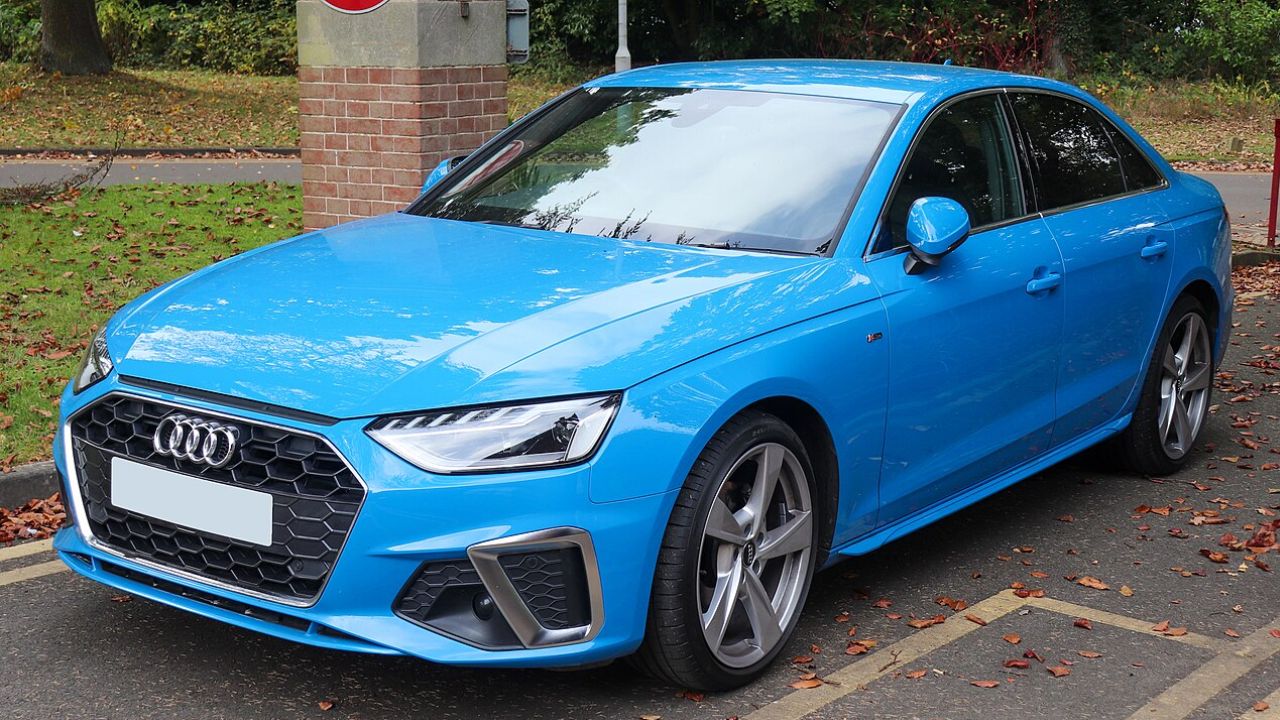
The B8 A4 impressed buyers with its sleek styling and composed handling. Turbocharged power and a refined interior made it feel like a smaller luxury bargain.
After extended ownership, though, some drivers reported oil consumption issues and timing-chain tensioner concerns. What started as a confident, premium experience sometimes turned into monitoring dipsticks more frequently than expected. The change in routine caught many off guard.
Chevrolet Silverado 1500 (2014–2018)
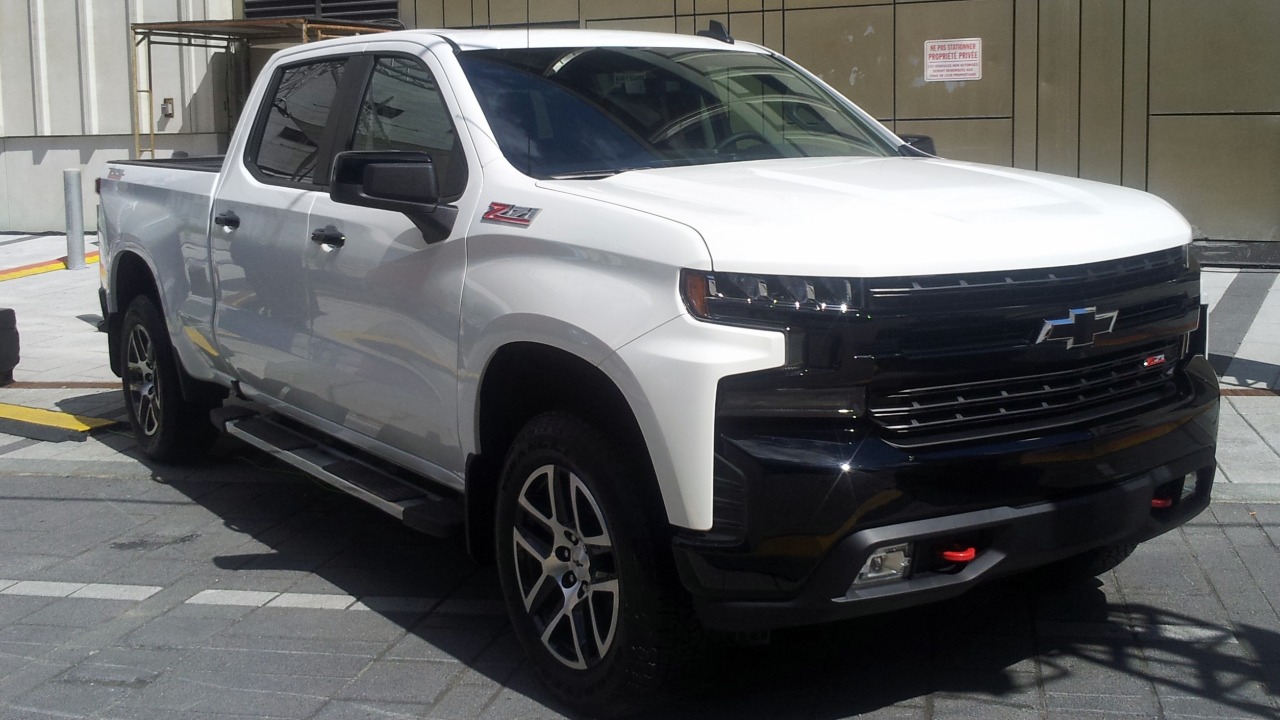
The Silverado earned early praise for comfort and strong V8 performance. It felt like a dependable modern truck ready for long-term service.
Then, in some examples, transmission shudder and Active Fuel Management-related concerns began appearing. Owners described vibrations that felt mysterious and hard to diagnose. The truck many had trusted for work and family duties suddenly required deeper mechanical conversations than they ever anticipated.
More from Fast Lane Only