Some cars arrive before the market is ready for them. Others are misunderstood because their strengths are not immediately obvious or because they challenge expectations. Years later, as trends shift and enthusiasts take a second look, these vehicles often gain a level of appreciation they never received when new. Whether through innovative design, practicality, or unique engineering, these cars eventually made far more sense than they initially seemed to.
Honda Crosstour
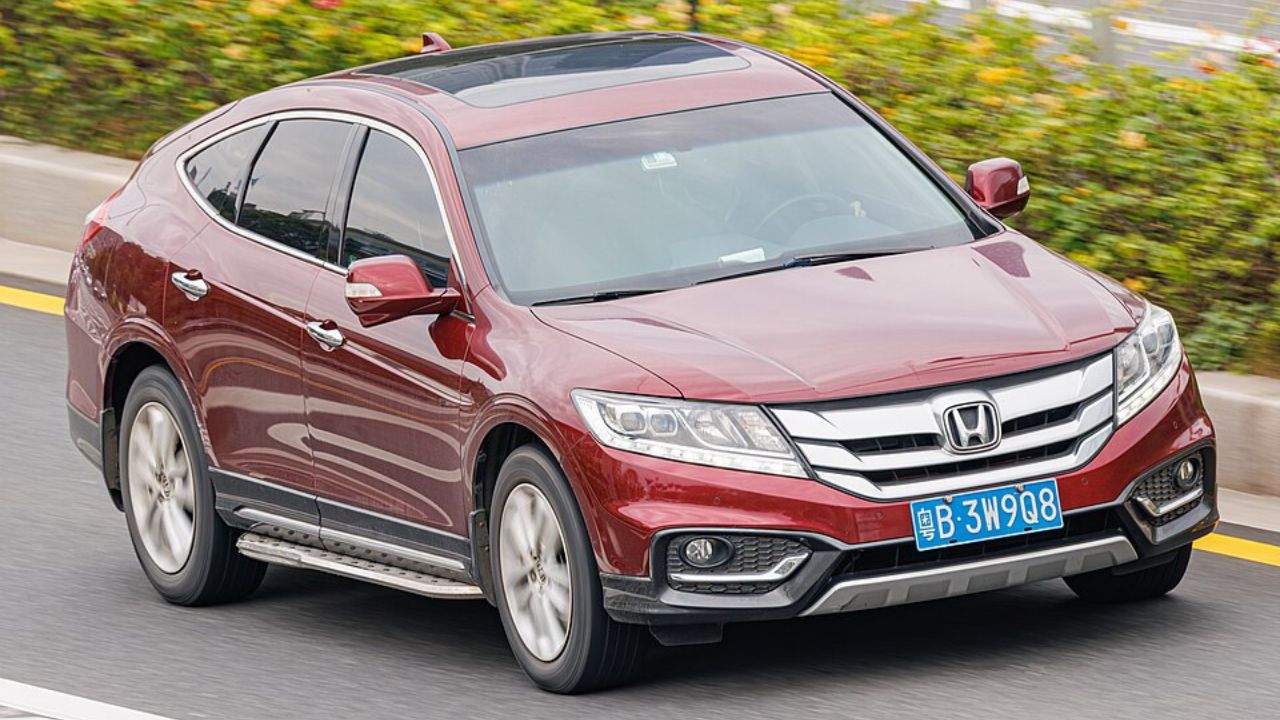
The Honda Crosstour received mixed reactions when it debuted, with much of the criticism aimed at its unconventional styling. Many buyers struggled to understand its purpose, as it combined elements of a sedan, hatchback, and crossover. Years later, its blend of comfort, cargo flexibility, and available all-wheel drive appears surprisingly practical. As consumers embraced crossover-style vehicles, many realized the Crosstour had anticipated a trend that would become extremely popular throughout the automotive industry.
AMC Eagle
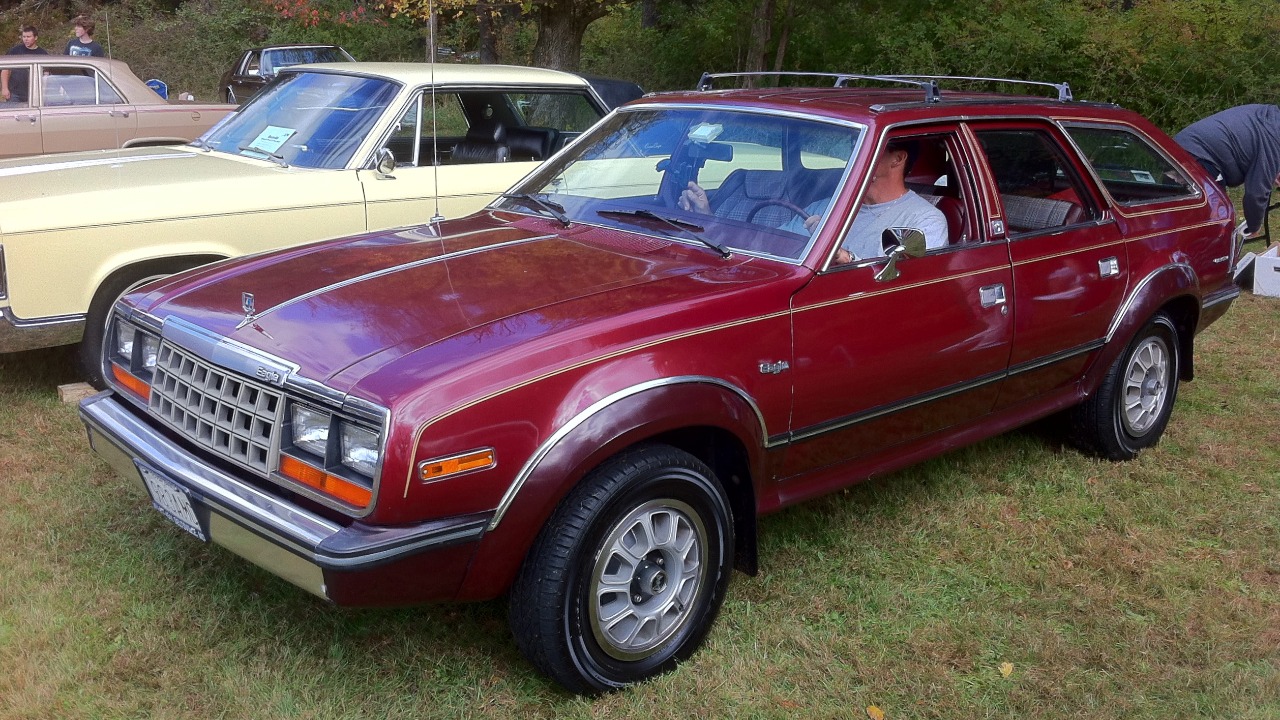
The AMC Eagle puzzled many buyers because it combined passenger-car comfort with four-wheel-drive capability. At the time, most consumers preferred traditional cars or dedicated off-road vehicles. Decades later, the automotive market became dominated by crossovers built around a similar concept. Looking back, enthusiasts recognized that the Eagle had been years ahead of prevailing trends. Its innovative formula eventually earned widespread respect, transforming it from an automotive curiosity into a historically significant vehicle.
Subaru Baja
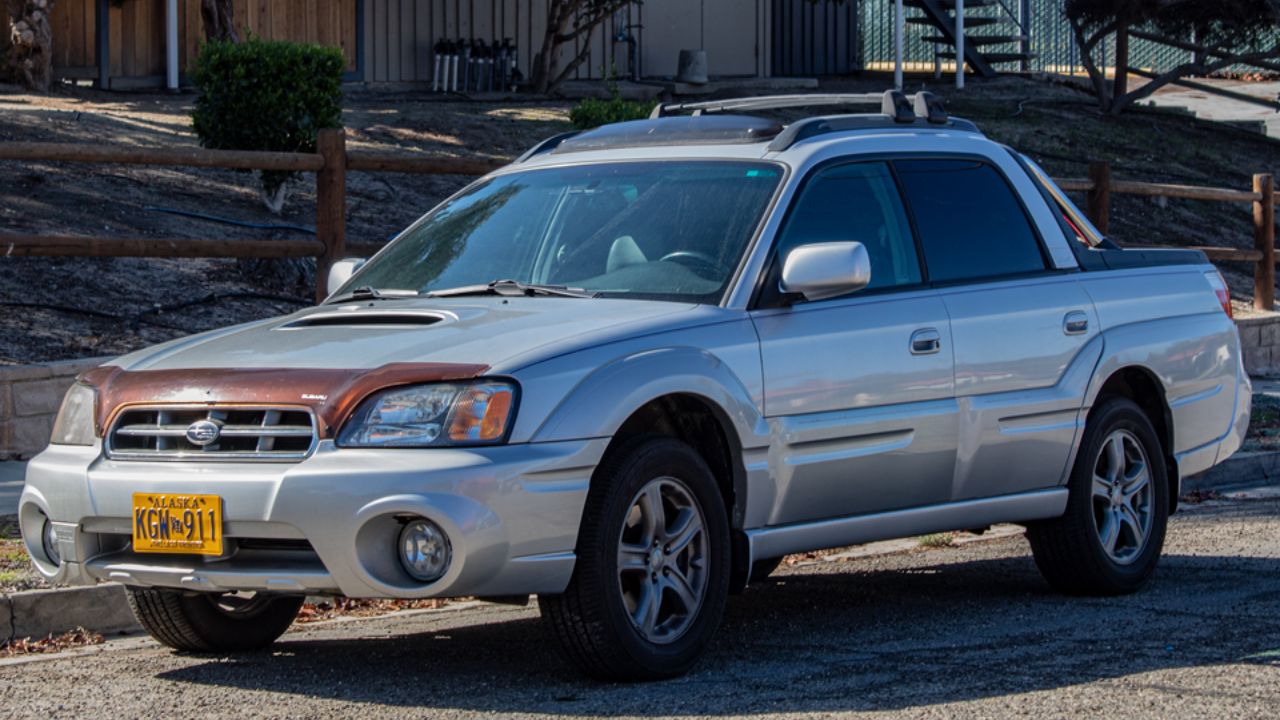
The Subaru Baja never achieved mainstream success because buyers had difficulty categorizing it. Part wagon, part pickup, and part crossover, it occupied a segment that barely existed at the time. As consumers became more receptive to versatile vehicles that blend multiple roles, appreciation for the Baja increased significantly. Its practical cargo bed, comfortable interior, and standard all-wheel-drive capability now seem remarkably forward-thinking, helping many enthusiasts understand its purpose years after production ended.
Nissan Cube
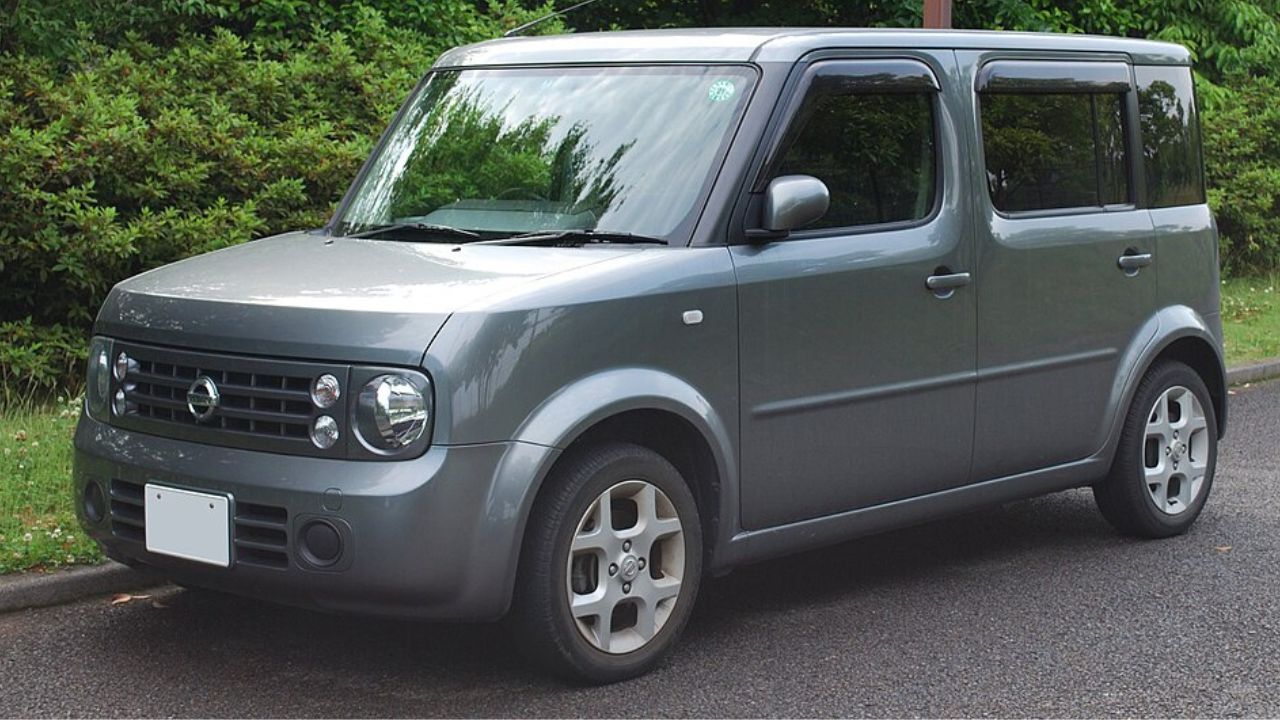
The Nissan Cube’s unusual shape caused many people to dismiss it at first glance. However, owners quickly discovered that its design prioritized interior space, visibility, and practicality. As urban driving became more common and efficient packaging gained importance, the Cube’s strengths became easier to appreciate. Its compact footprint and surprisingly spacious cabin reflected a thoughtful approach to transportation. Years later, many drivers recognize that its unconventional appearance served a very practical purpose.
Ford Flex
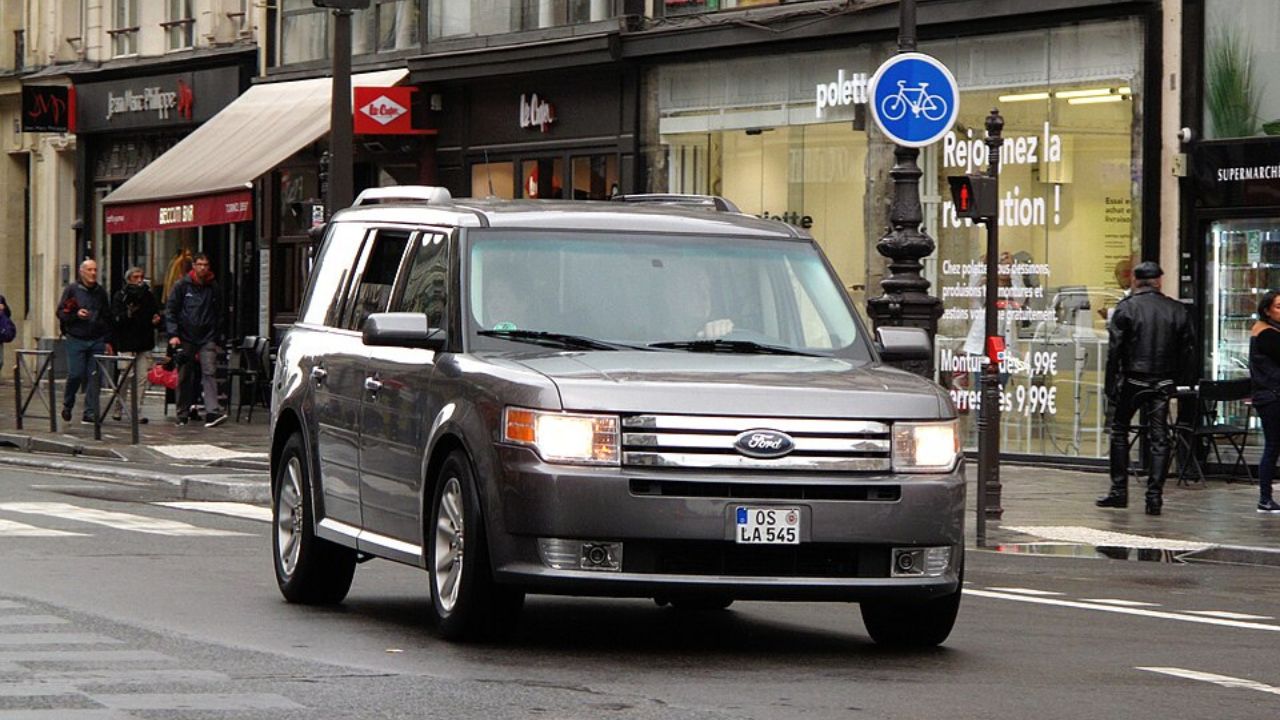
The Ford Flex struggled to attract widespread attention because it ignored many styling trends of its era. While competitors embraced rounded crossover designs, the Flex remained proudly boxy. Over time, owners and enthusiasts came to appreciate how effectively that shape maximized passenger and cargo space. Its comfortable ride and family-friendly practicality further enhanced its appeal. Many now view the Flex as an underrated vehicle whose strengths became more apparent after it disappeared from showrooms.
Mazda
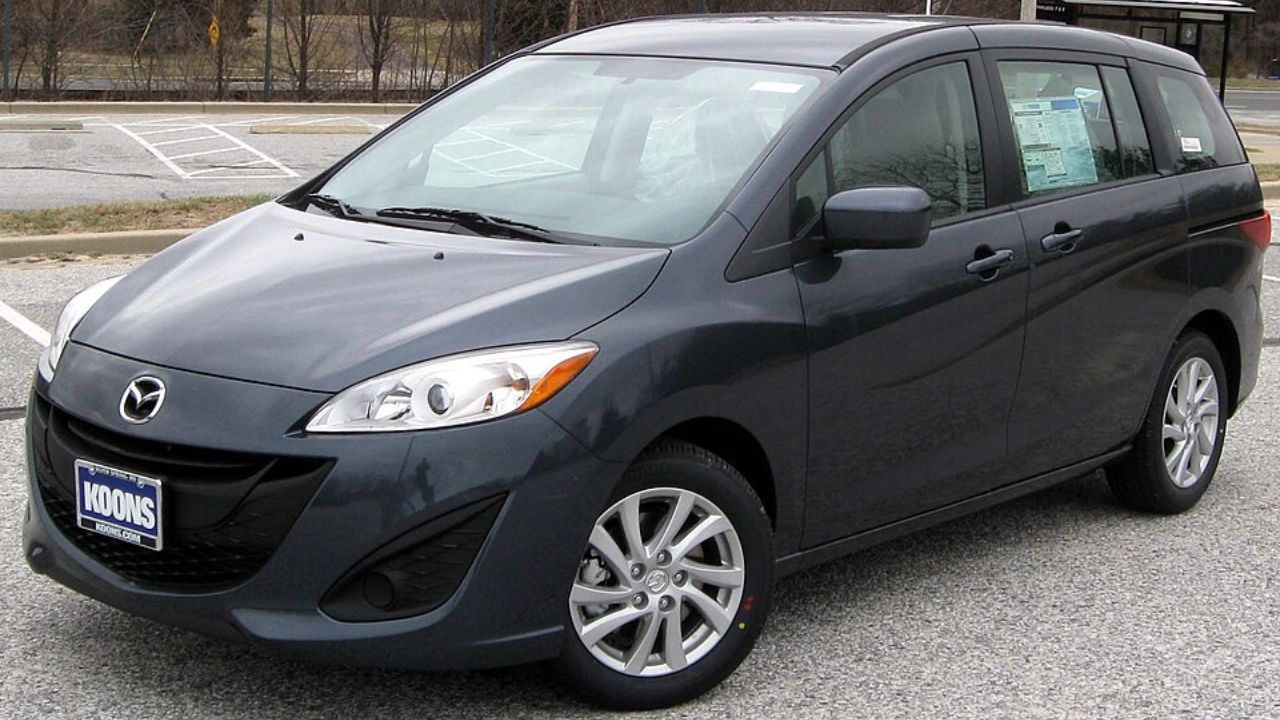
The Mazda5 occupied an unusual niche between a compact car and a traditional minivan. Buyers often overlooked it because it did not fit neatly into existing categories. Those who owned one discovered an efficient and surprisingly versatile family vehicle with flexible seating and manageable dimensions. As many modern vehicles grew larger and more expensive, appreciation for the Mazda5’s practical approach increased. Its intelligent use of space became easier to understand with the benefit of hindsight.
Volkswagen Phaeton

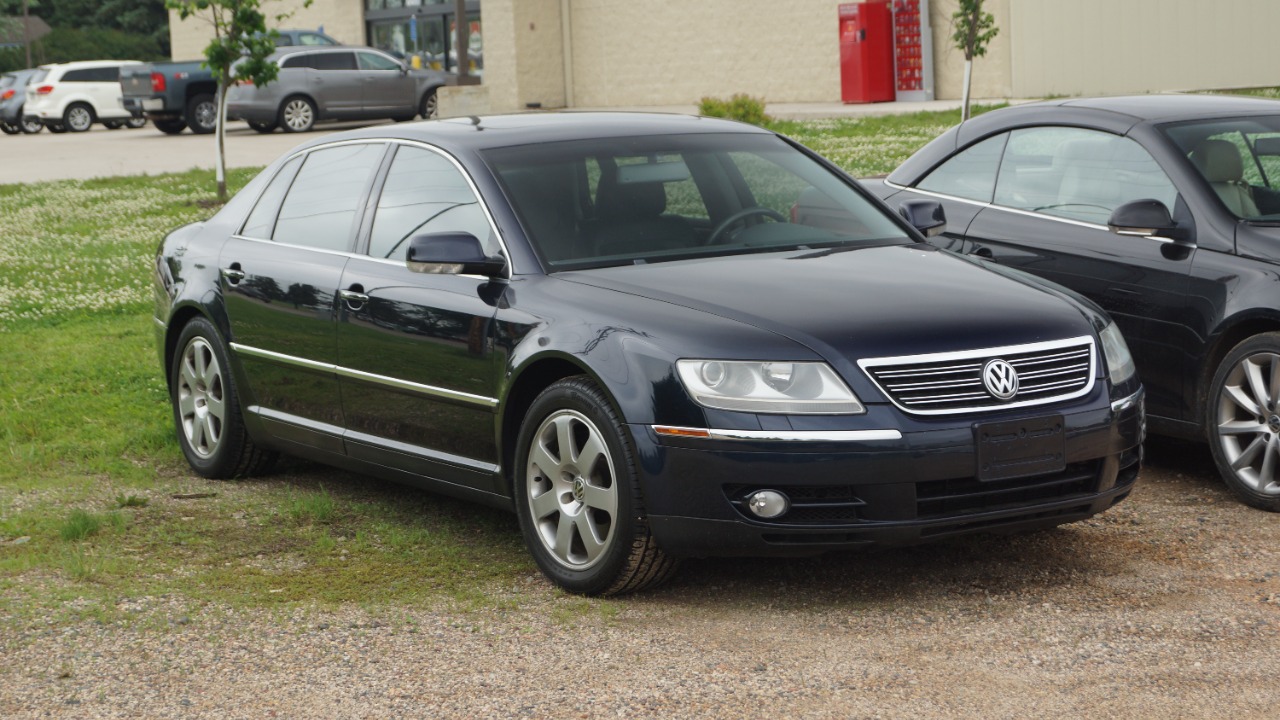
The Volkswagen Phaeton confused buyers because it offered luxury-car pricing beneath a mainstream brand badge. Many consumers simply could not understand why Volkswagen was competing with established premium manufacturers. Years later, enthusiasts began appreciating the engineering excellence, comfort, and refinement hidden beneath its understated exterior. As knowledge of its development and capabilities spread, the Phaeton earned greater respect. Today, many consider it one of the most ambitious and misunderstood luxury cars ever built.
Chevrolet Avalanche

The Chevrolet Avalanche faced skepticism because of its unusual combination of SUV comfort and pickup-truck utility. Many buyers were unsure how to categorize it, limiting its early appeal. As versatile vehicles became increasingly desirable, the Avalanche’s innovative cargo solutions and flexible design gained appreciation. Owners had long praised its practicality, but broader recognition arrived years later. What once seemed unconventional eventually appeared remarkably clever, helping the Avalanche develop a stronger reputation over time.
Volvo C30
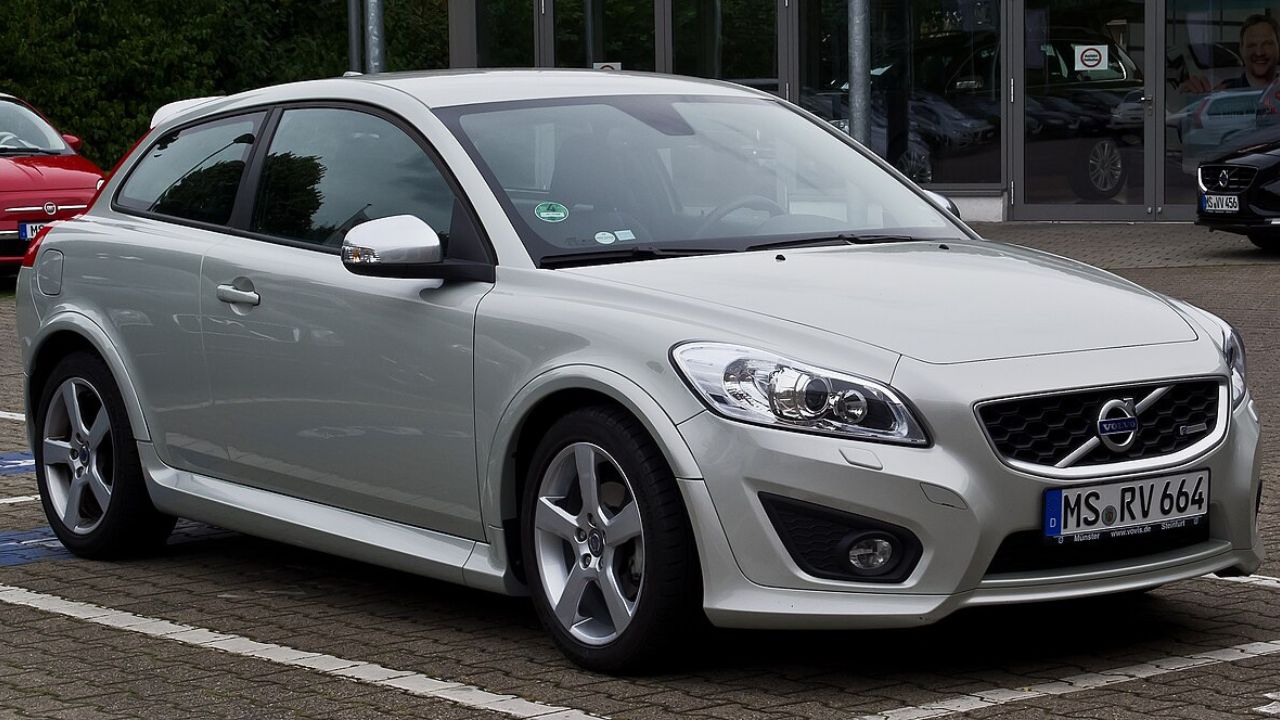
The Volvo C30 attracted attention for its distinctive hatchback design but struggled to find a large audience when new. Many buyers preferred more conventional compact cars, overlooking its unique character. Over time, enthusiasts grew to appreciate its combination of safety, style, and enjoyable driving dynamics. Its distinctive glass rear hatch and compact proportions gave it a personality lacking in many competitors. Years later, the C30 stands as one of Volvo’s most appreciated modern designs.
Isuzu VehiCROSS
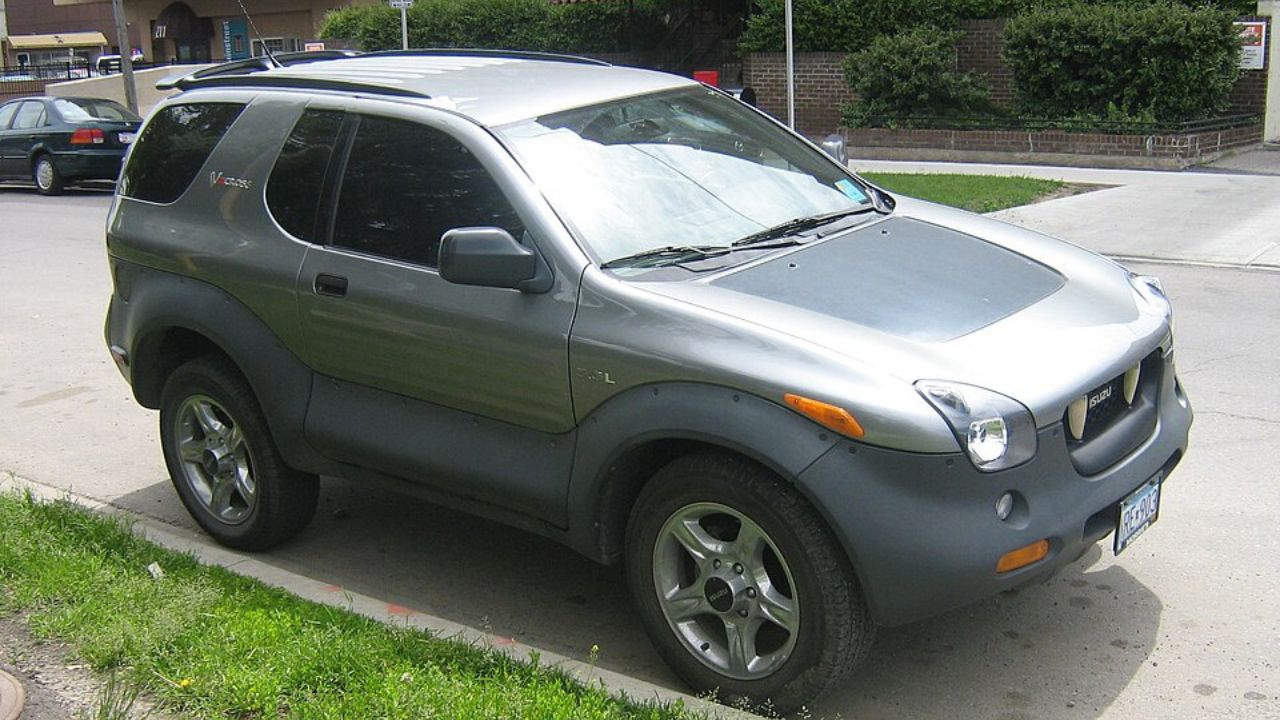
The Isuzu VehiCROSS looked unlike almost any SUV of its era, causing many buyers to view it as overly unconventional. Limited production numbers and bold styling kept it from achieving mainstream success. As automotive enthusiasts revisited the model years later, appreciation grew for its originality and capable off-road performance. What once seemed strange began to appear innovative. Today, the VehiCROSS is respected as a vehicle that dared to be different long before uniqueness became fashionable.
More from Fast Lane Only
- Unboxing the WWII Jeep in a Crate
- 15 rare Chevys collectors are quietly buying
- 10 underrated V8s still worth hunting down
- Police notice this before you even roll window down
*Research for this article included AI assistance, with all final content reviewed by human editors