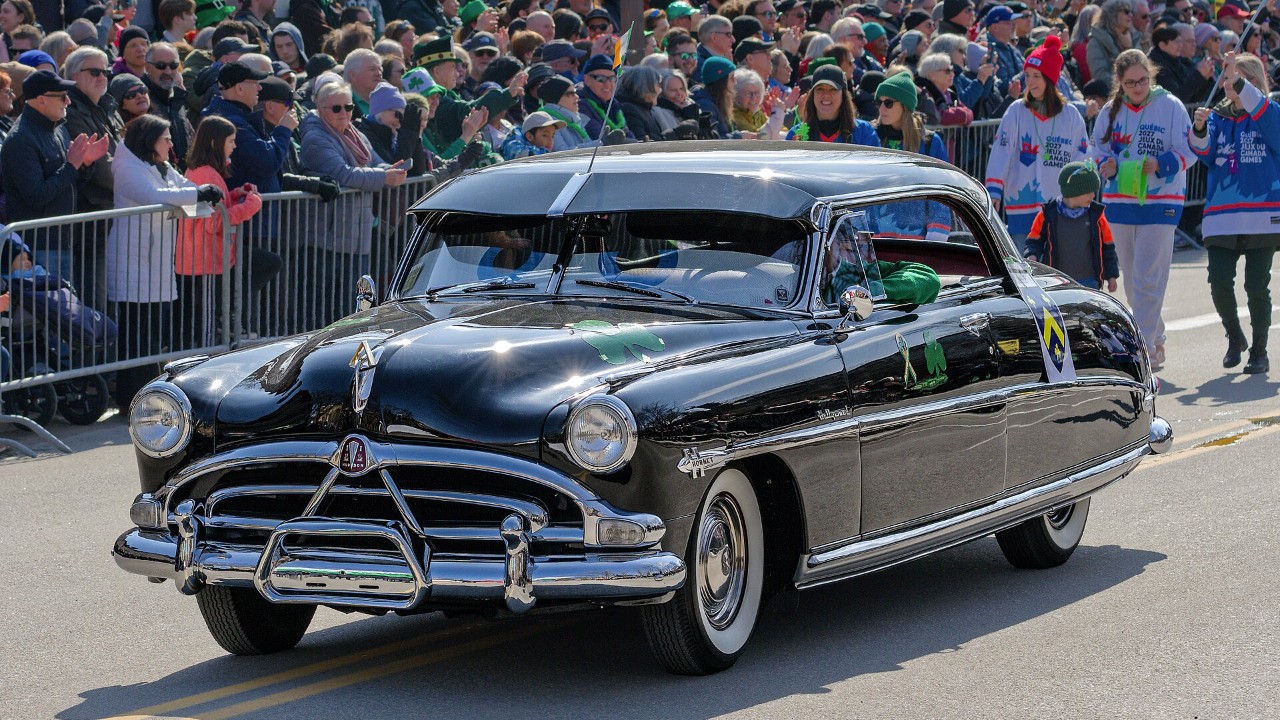
When World War II ended, America faced the enormous task of returning factories, workers, and families to civilian life. Automakers restarted production and introduced familiar cars that helped Americans rebuild everyday routines. These ten automobiles represented the return of personal transportation, family travel, and growing optimism during the early postwar years.
Chevrolet Fleetline
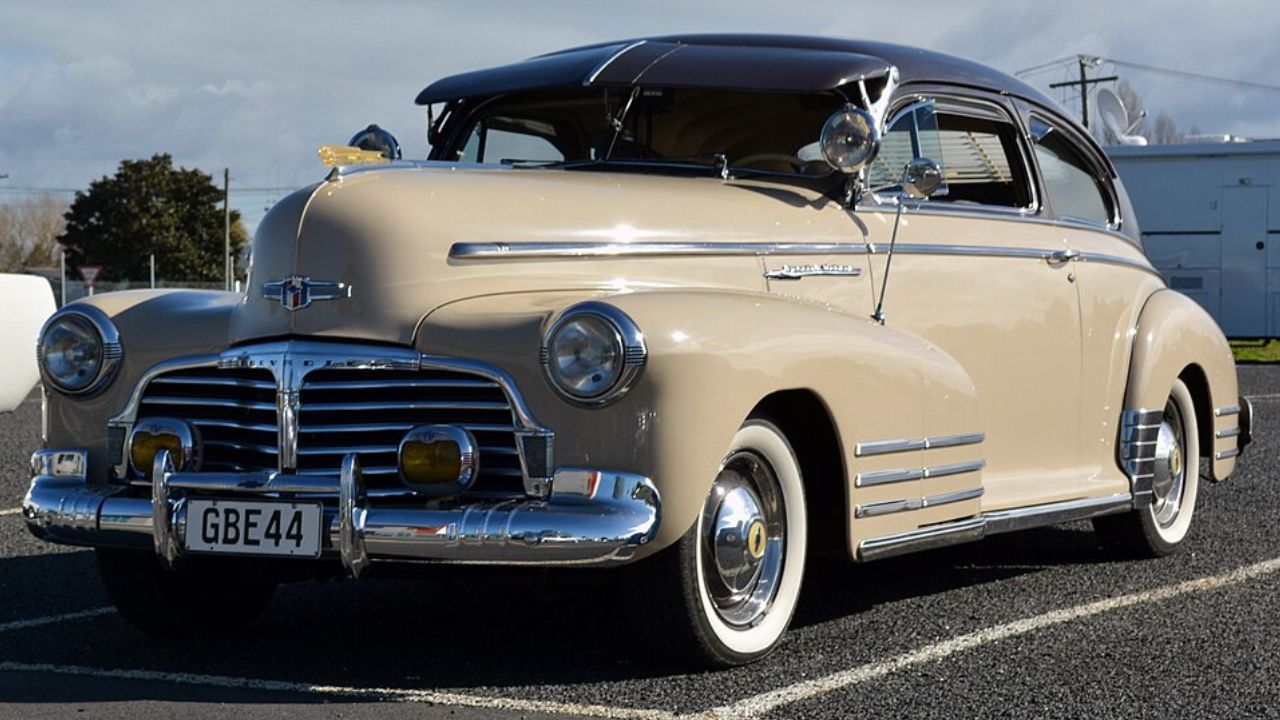
The Chevrolet Fleetline became one of Chevrolet’s important postwar automobiles. Its streamlined fastback styling looked modern compared with many prewar designs, while its conventional mechanical components made it practical and familiar. As American factories returned to civilian production, cars like the Fleetline helped satisfy strong pent-up demand. It represented the beginning of a new chapter for ordinary American motorists.
Ford Super Deluxe
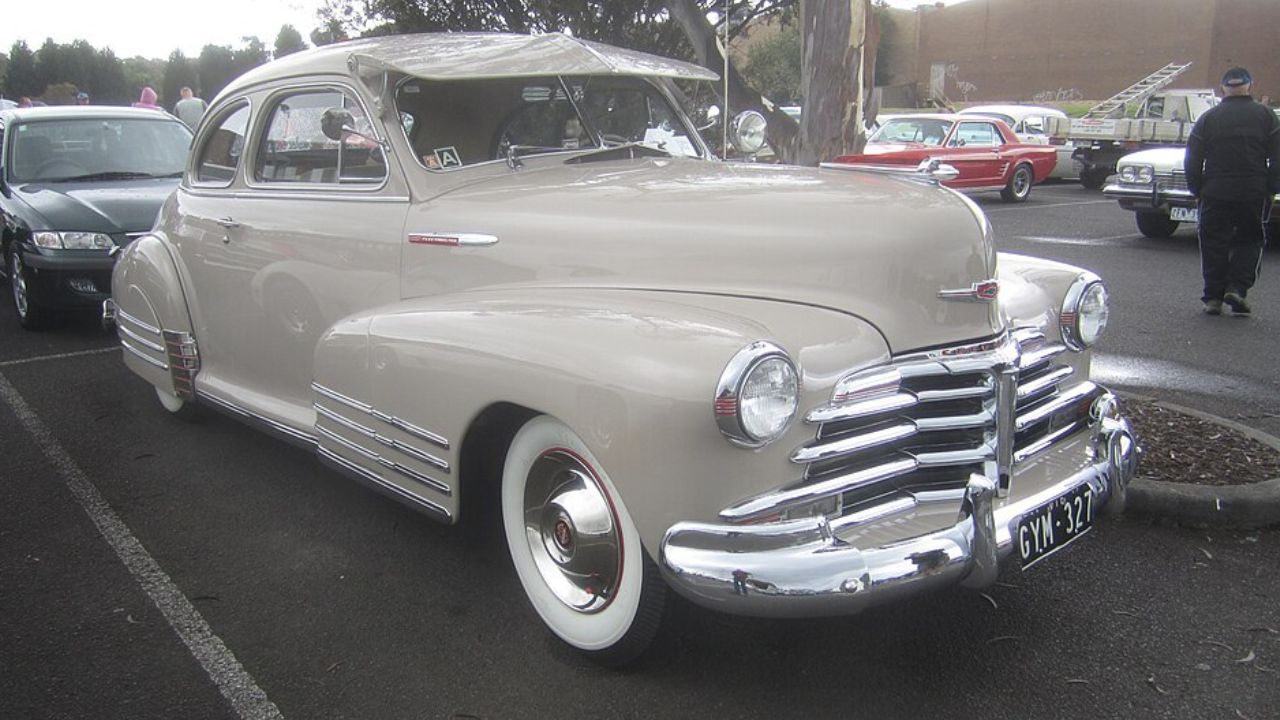
The Ford Super Deluxe returned to civilian production after years when Ford’s factories had been focused heavily on wartime manufacturing. Its familiar flathead V8, spacious body, and straightforward engineering made it an appealing choice for families needing dependable transportation. The Super Deluxe helped reconnect American consumers with the familiar Ford automobiles they had known before the war.
Buick Roadmaster
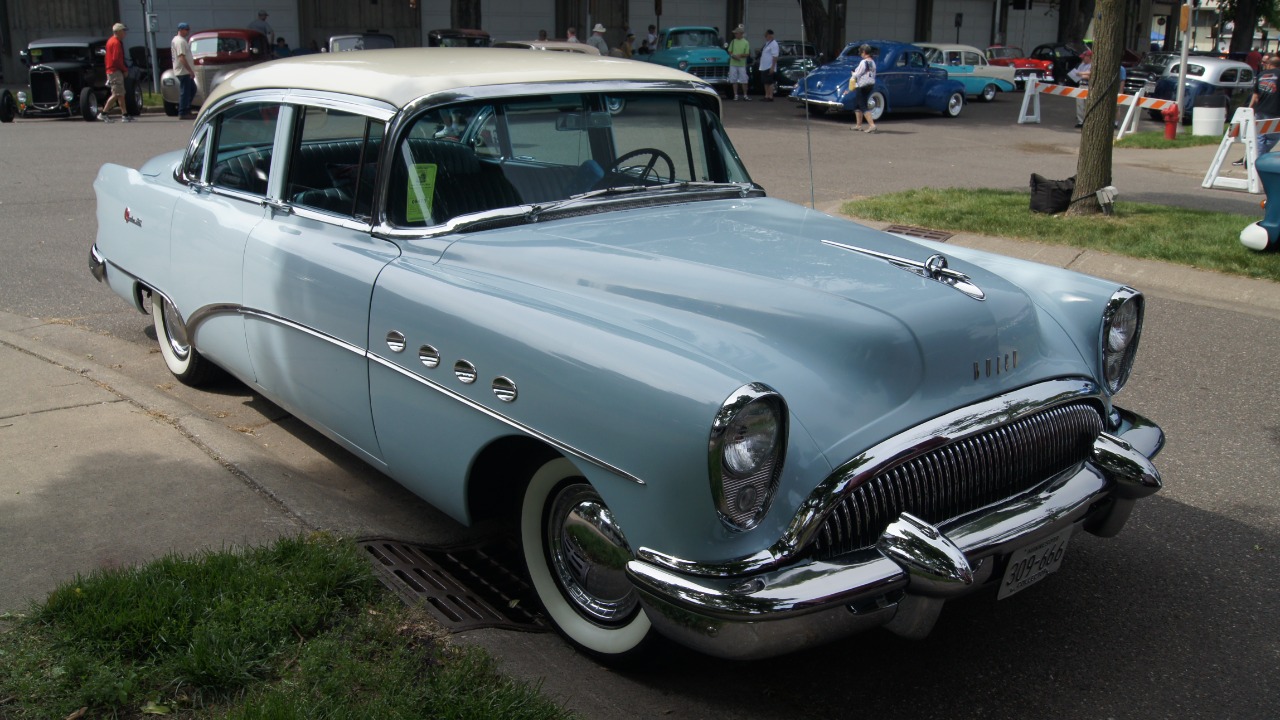
The Buick Roadmaster represented a return to comfortable American motoring after years of sacrifice and restrictions. Its large body, smooth ride, and powerful engine appealed to buyers who wanted something more luxurious. Buick’s upscale image also reflected growing postwar optimism. The Roadmaster became a symbol of the return of civilian prosperity and the desire to enjoy automobile ownership again.
Cadillac Series 62
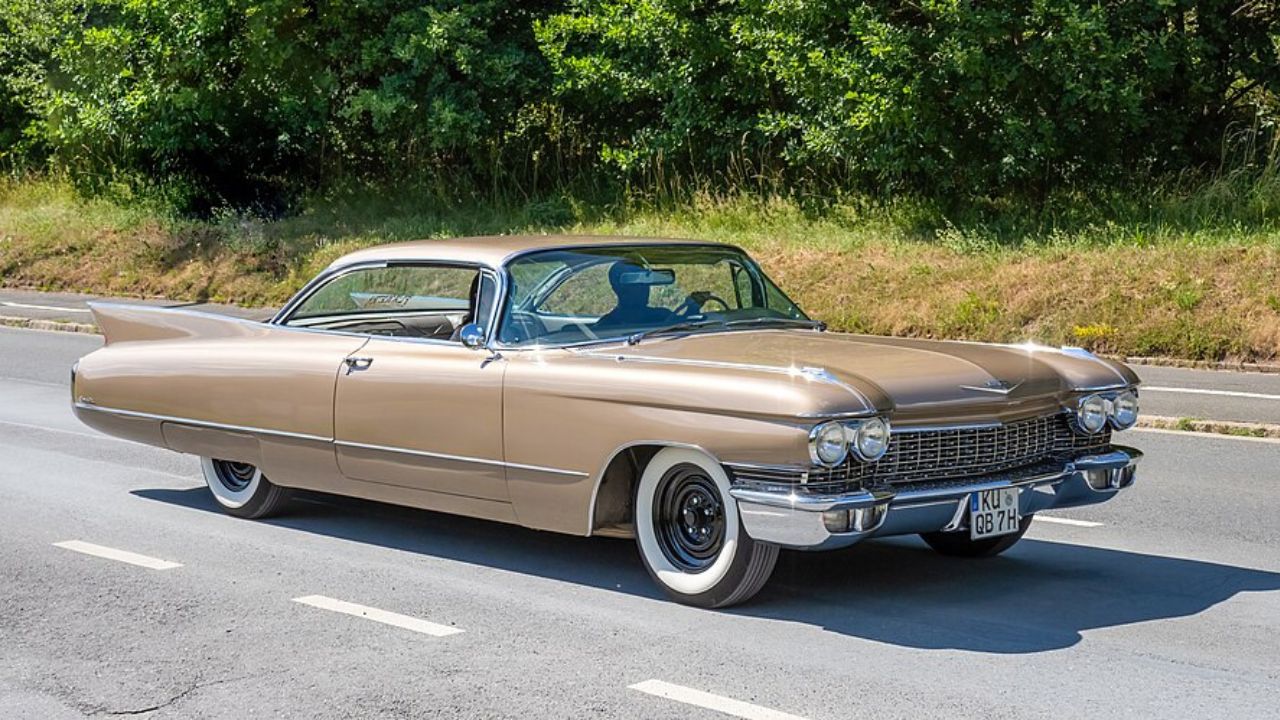
The Cadillac Series 62 helped restore the American luxury-car market after wartime production ended. Its elegant styling, powerful V8, and spacious interior gave buyers a clear reminder of prewar luxury while introducing a more modern postwar appearance. Cadillac’s return was important because luxury automobiles represented more than transportation—they reflected renewed confidence and economic opportunity.
Chrysler Windsor
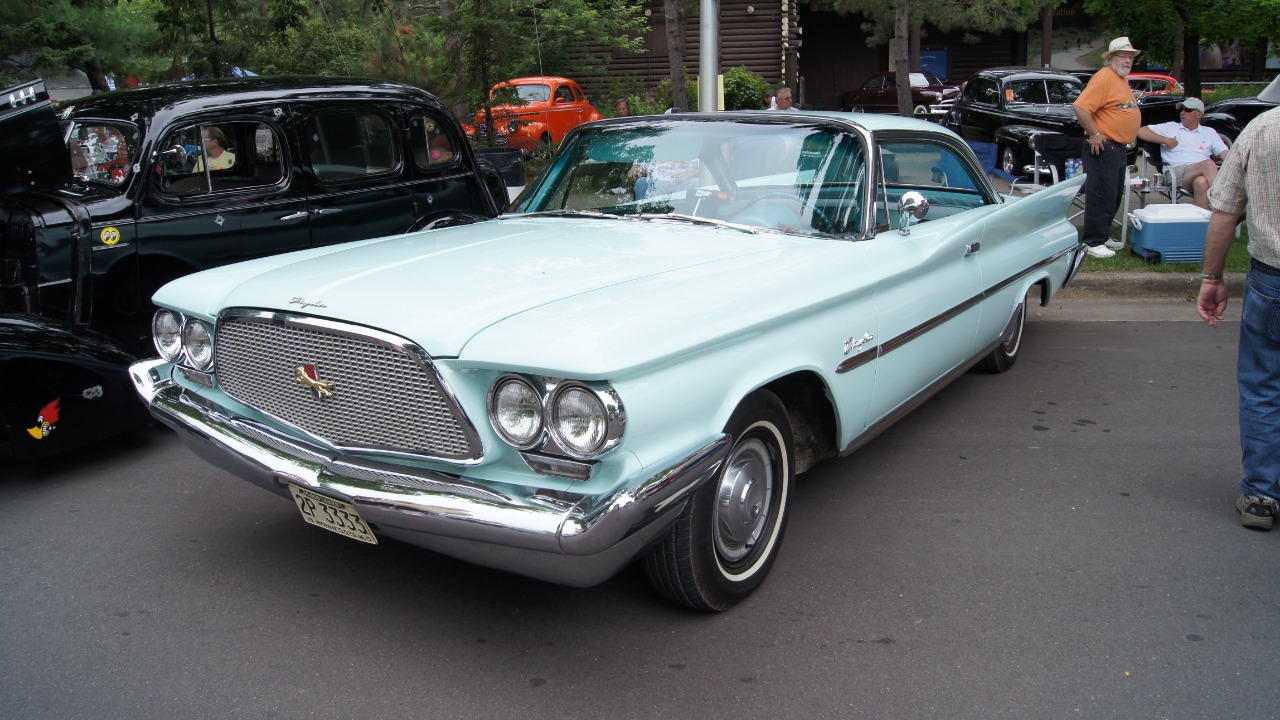
The Chrysler Windsor provided a comfortable and substantial automobile for American families returning to civilian life. Its smooth bodywork, spacious cabin, and dependable mechanical design made it well suited to everyday transportation. Chrysler used the postwar period to gradually introduce more modern styling and engineering. The Windsor helped bridge the gap between prewar automobiles and the rapidly changing cars of the 1950s.
Pontiac Streamliner
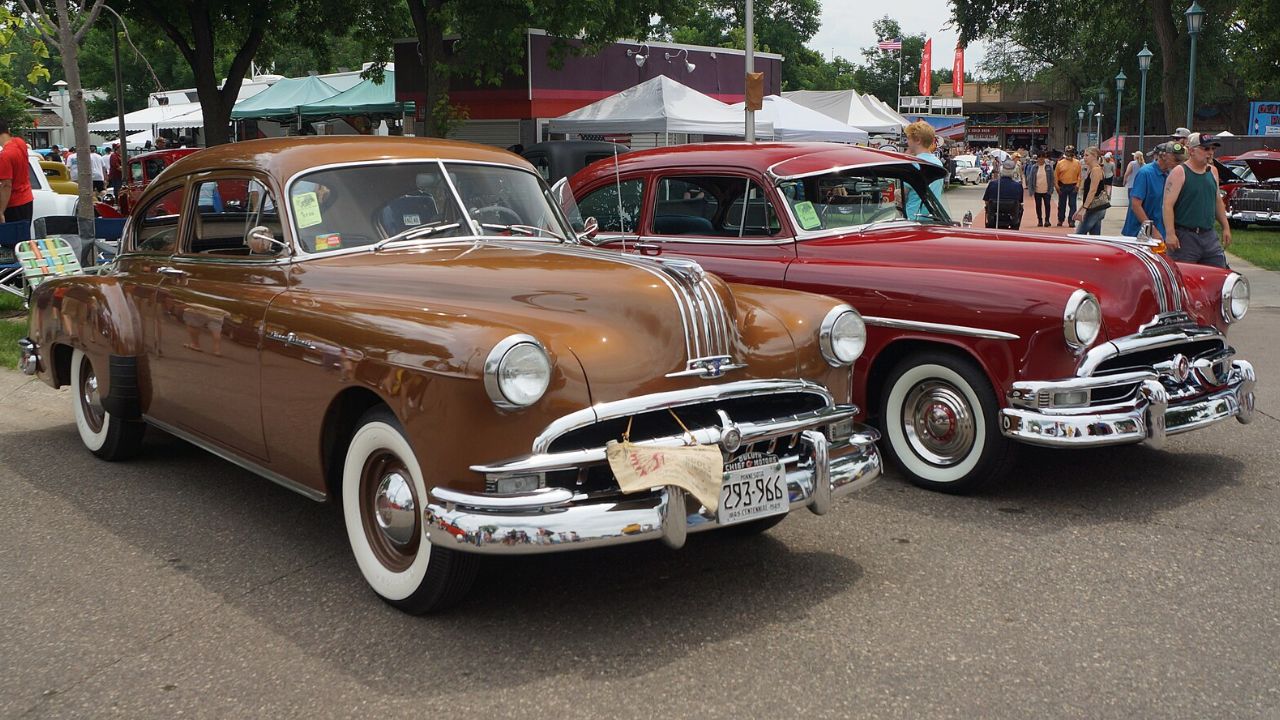
The Pontiac Streamliner brought flowing postwar styling and familiar American engineering to buyers looking for a modern family automobile. Its large body and comfortable interior suited the country’s expanding road network. The Streamliner represented Pontiac’s return to civilian production and showed how quickly manufacturers were moving toward smoother, more integrated body designs after the war.
Studebaker Champion
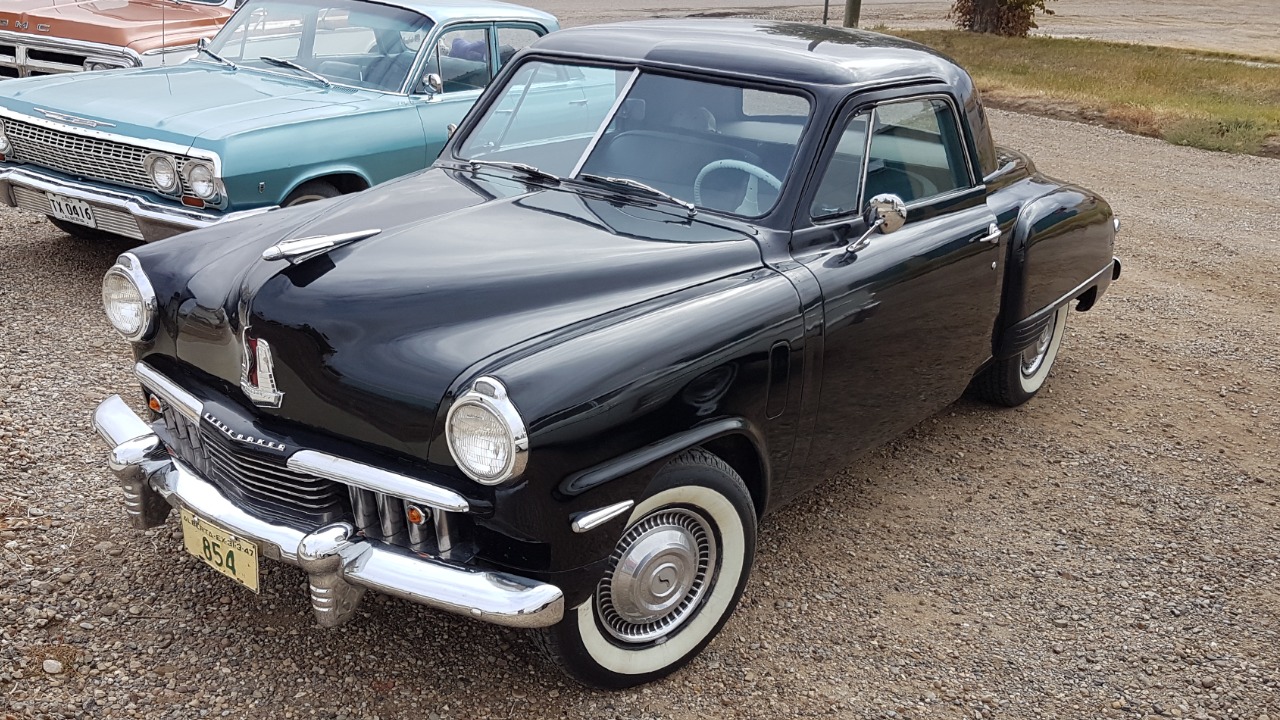
The Studebaker Champion offered a smaller and more economical alternative to many large American cars. Its streamlined styling and efficient six-cylinder engine made it particularly interesting in the immediate postwar period. Studebaker’s willingness to experiment with size and design helped distinguish the Champion from larger Detroit offerings. It represented a forward-looking approach to America’s changing automotive market.
Hudson Commodore
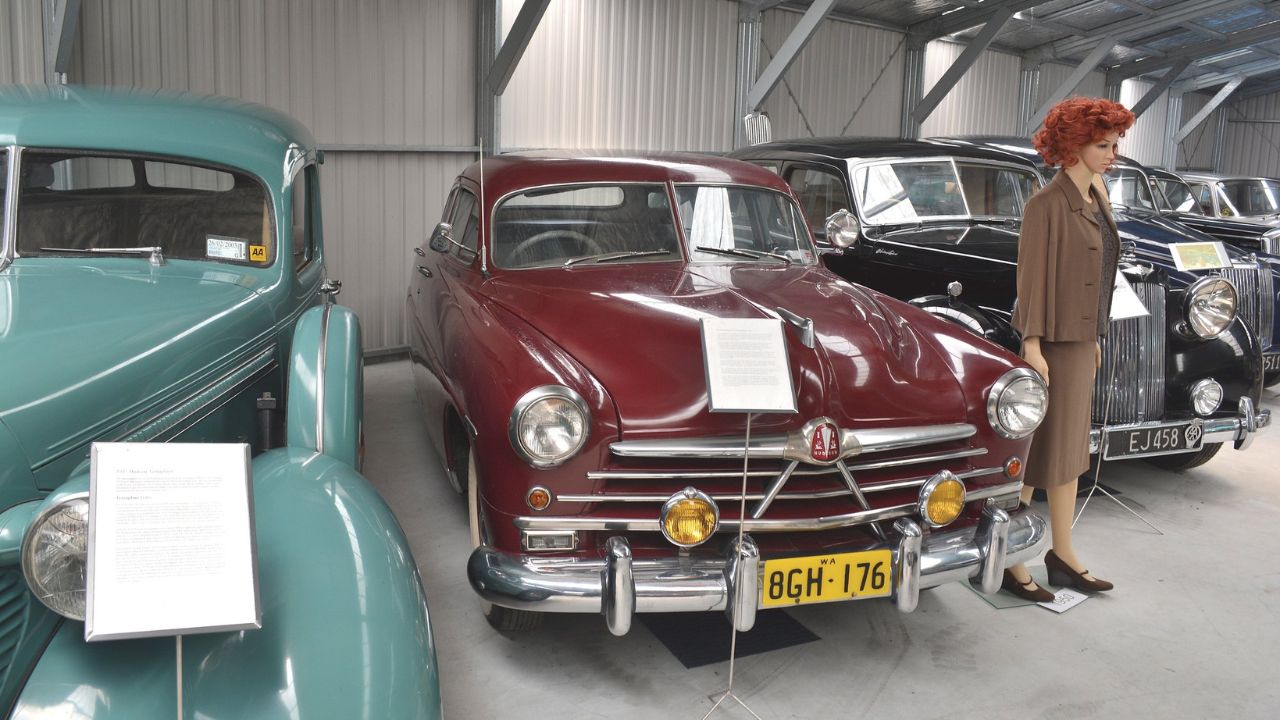
The Hudson Commodore featured streamlined styling and strong performance that helped separate it from more traditional postwar cars. Its low-looking body and smooth contours reflected the industry’s movement toward modern design. Hudson’s engineering approach was also distinctive. The Commodore demonstrated that smaller independent manufacturers could contribute innovative ideas as America transitioned from wartime production to a renewed civilian economy.
Packard Clipper
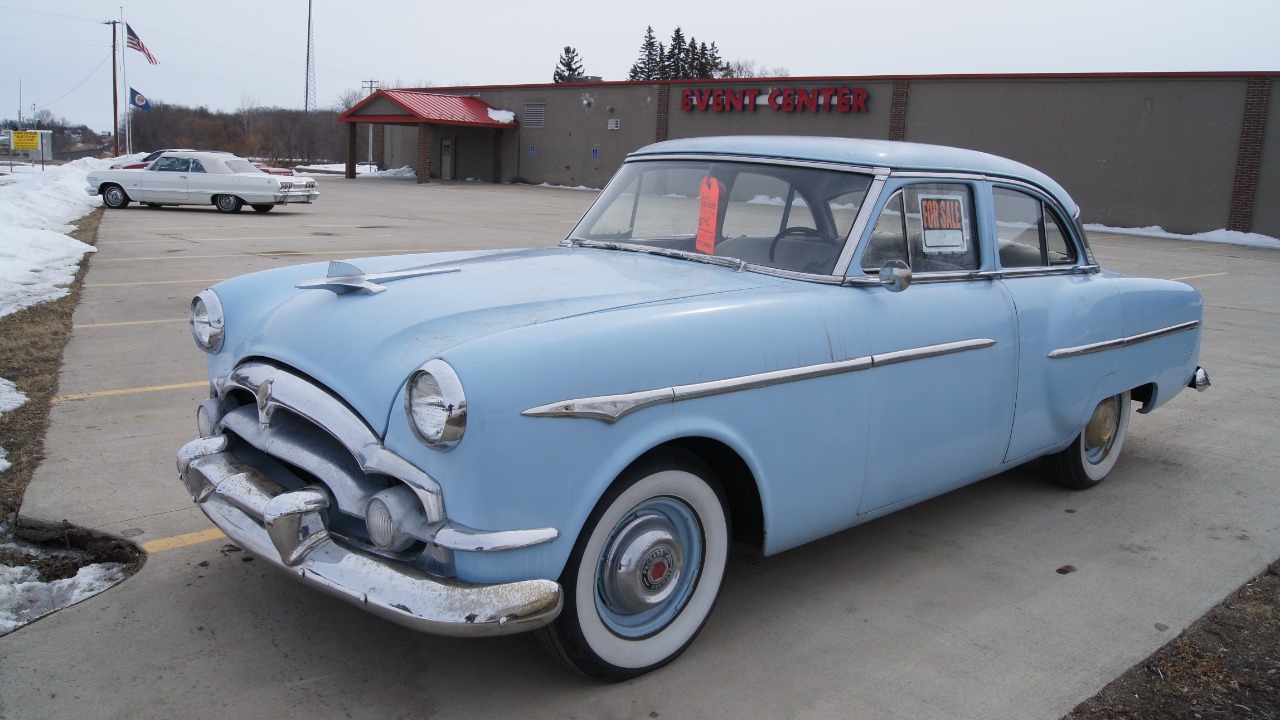
The Packard Clipper was already an advanced-looking automobile before World War II and continued to influence Packard’s postwar lineup. Its streamlined bodywork and integrated fenders represented a significant departure from older upright designs. After the war, the Clipper helped Packard re-enter the civilian market with a recognizable and modern product, giving returning consumers another premium American choice.
Lincoln Continental
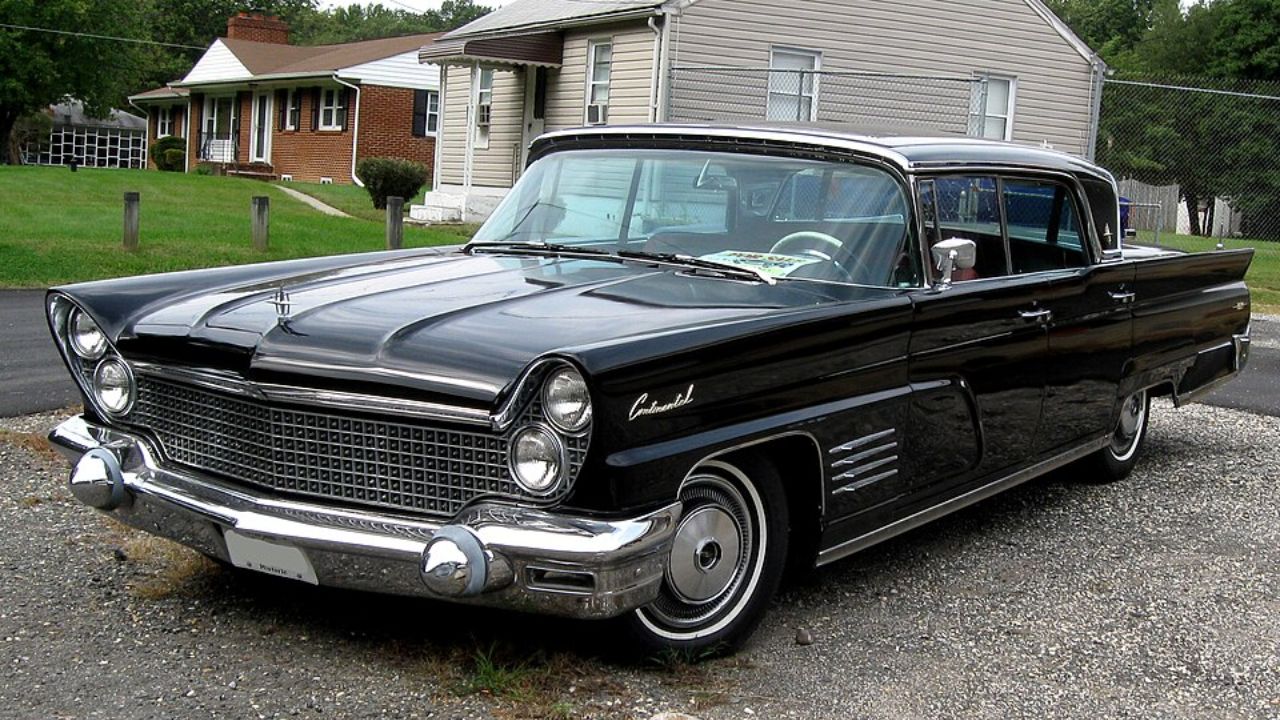
The Lincoln Continental remained one of America’s most recognizable luxury automobiles as civilian production resumed. Its elegant proportions and distinctive design reflected a level of sophistication that separated it from ordinary family cars. The return of models like the Continental helped restore the full range of American automotive choices, from practical transportation to high-end luxury, during the postwar transition.
More from Fast Lane Only
- Unboxing the WWII Jeep in a Crate
- 15 rare Chevys collectors are quietly buying
- 10 underrated V8s still worth hunting down
- Police notice this before you even roll window down
*Research for this article included AI assistance, with all final content reviewed by human editors