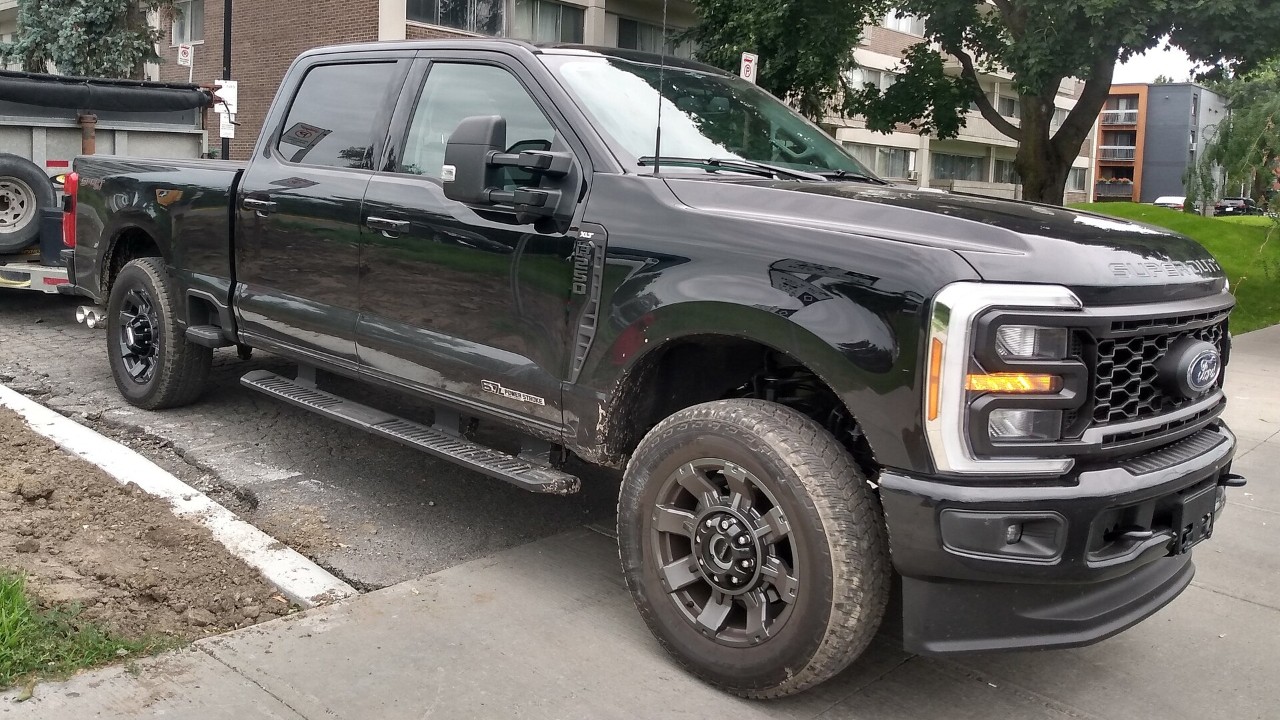
American performance cars changed dramatically as manufacturers moved beyond traditional muscle-car formulas. New chassis designs, fuel injection, turbocharging, improved suspension systems, and advanced electronics allowed Detroit to compete in a rapidly changing performance market. These ten cars helped bridge the gap between old-school muscle and the sophisticated American performance machines that followed.
Chevrolet Corvette C4
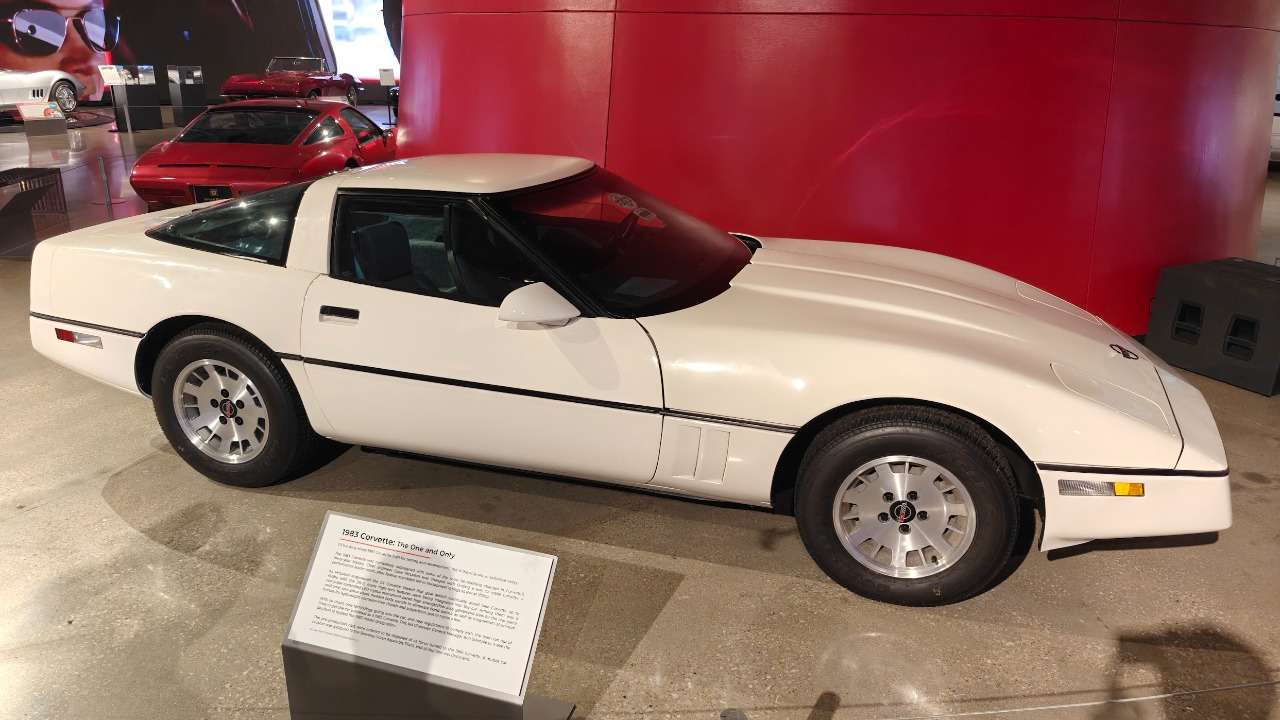
The Chevrolet Corvette C4 represented a major technological shift for America’s most famous sports car. Its redesigned chassis, independent suspension, digital instrumentation on early examples, and improved aerodynamics moved the Corvette toward a more modern performance philosophy. Later versions gained increasingly powerful engines and advanced fuel injection. The C4 demonstrated that American performance could evolve beyond heavy muscle-car traditions without abandoning the Corvette’s powerful V8 identity.
Buick Grand National
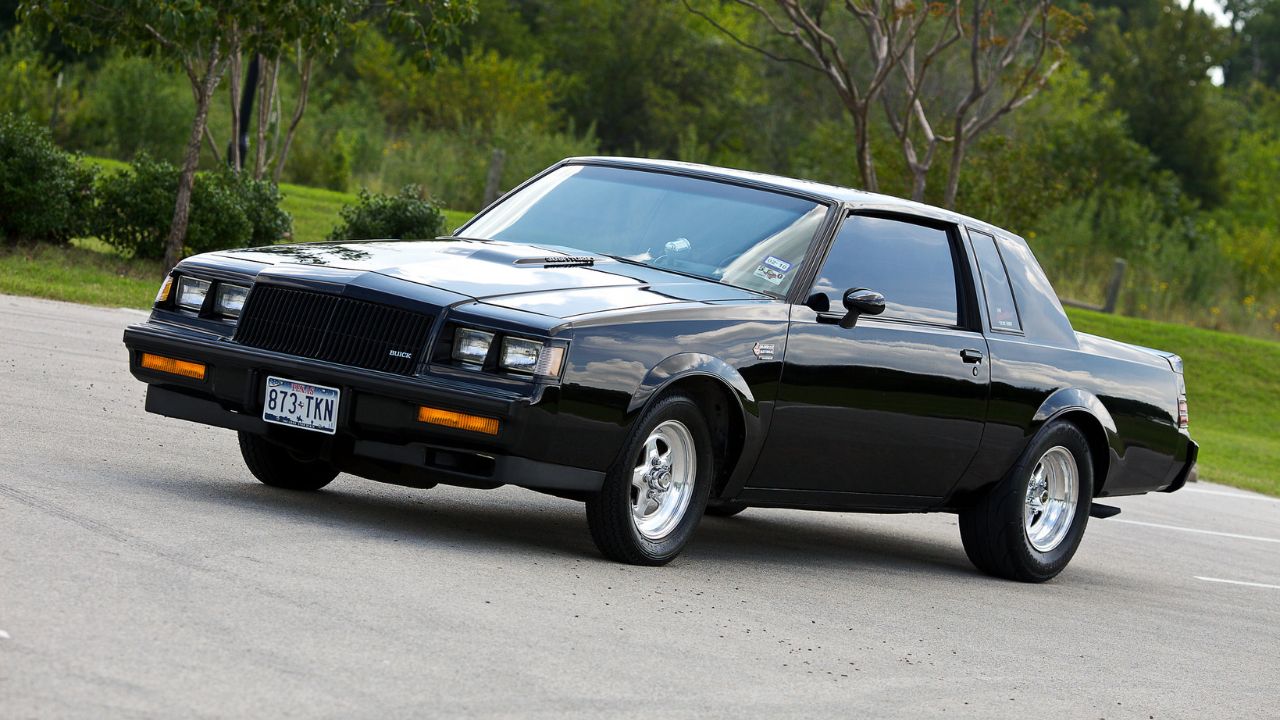
The Buick Grand National proved that serious American performance did not require a large-displacement V8. Its turbocharged and intercooled V6 delivered remarkable acceleration while the car retained a relatively understated appearance. The Grand National became especially significant because it demonstrated the potential of forced induction at a time when many traditional muscle cars were still relying on naturally aspirated engines. Its combination of technology and performance helped reshape expectations for American street cars.
Ford Mustang SVT Cobra
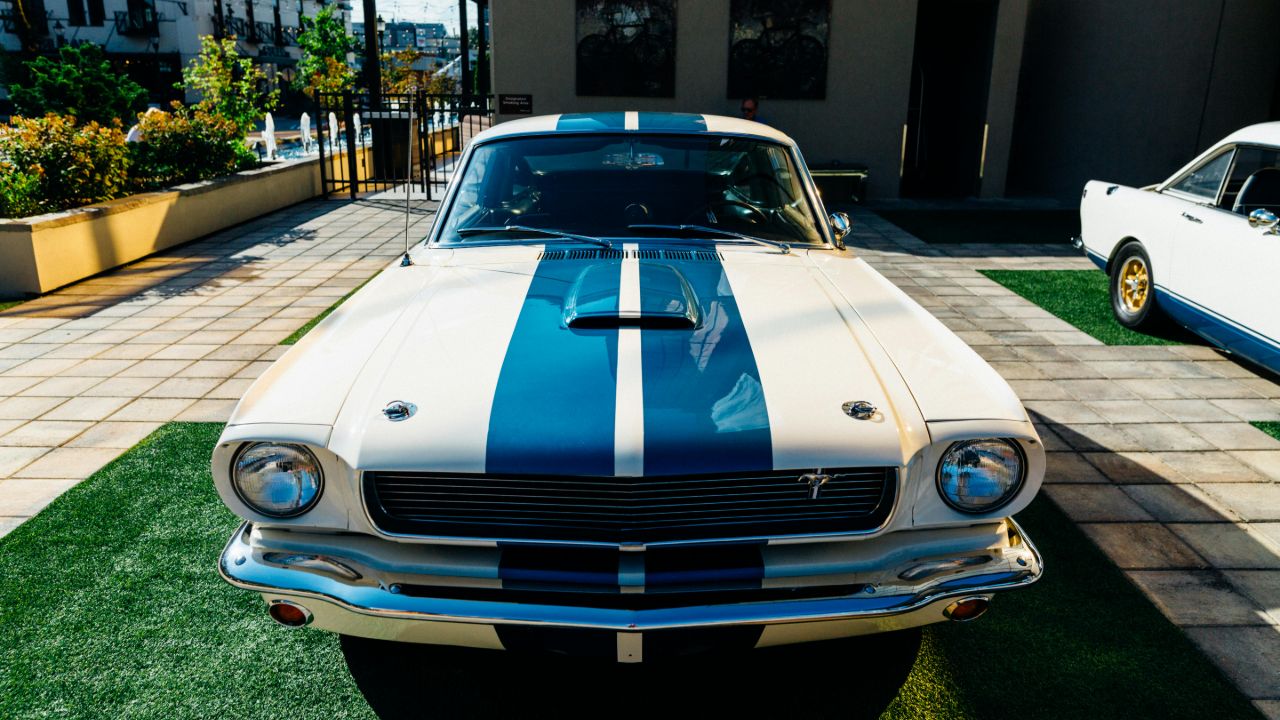
The Ford Mustang SVT Cobra represented Ford’s growing emphasis on handling, braking, and overall chassis performance rather than horsepower alone. Developed by Ford’s Special Vehicle Team, the Cobra received upgraded suspension components, stronger brakes, and more capable engines. Later versions became increasingly sophisticated, giving Mustang buyers access to serious performance without resorting to extensive aftermarket modifications. The Cobra helped transform the Mustang into a more complete modern performance car.
Dodge Viper RT/10
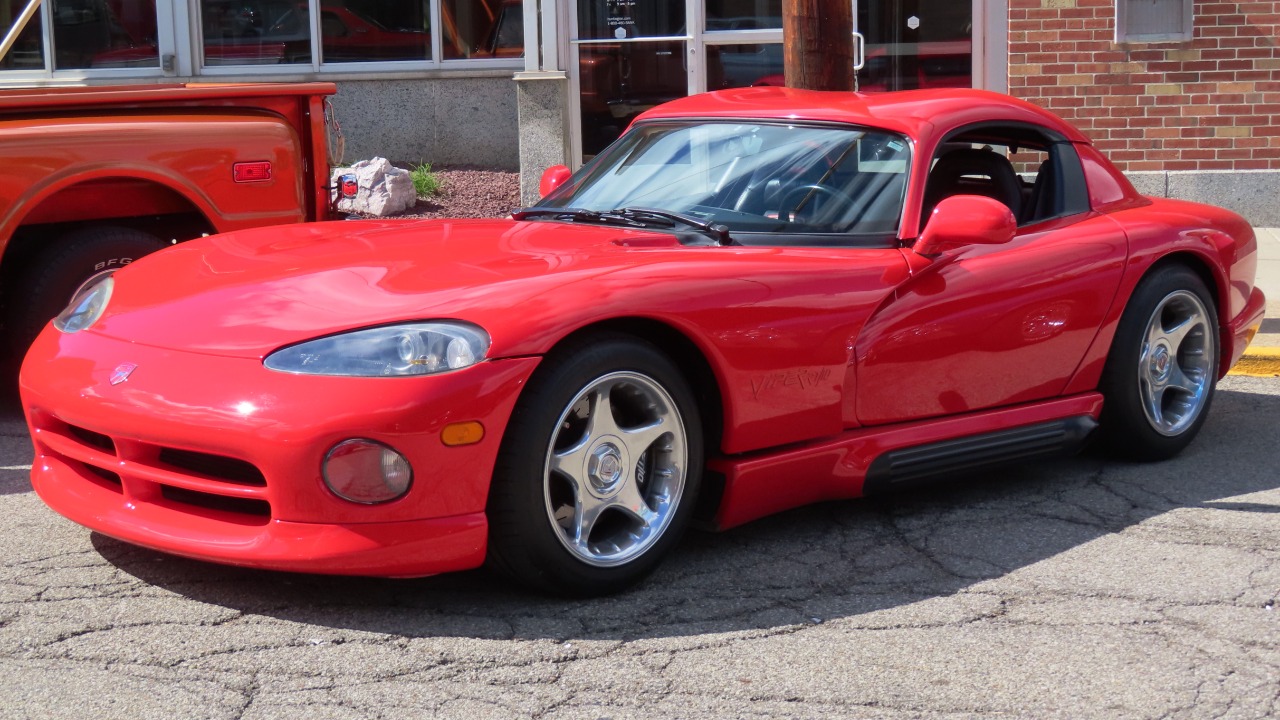
The Dodge Viper RT/10 brought an almost uncompromising approach to American performance. Its enormous V10, lightweight body, rear-wheel drive, and open cockpit created a driving experience closer to an exotic sports car than a traditional muscle machine. Dodge deliberately kept electronic assistance limited in early examples, emphasizing driver involvement. The Viper showed that an American manufacturer could create an outrageous, low-volume sports car capable of challenging established European performance icons.
Chevrolet Camaro IROC-Z
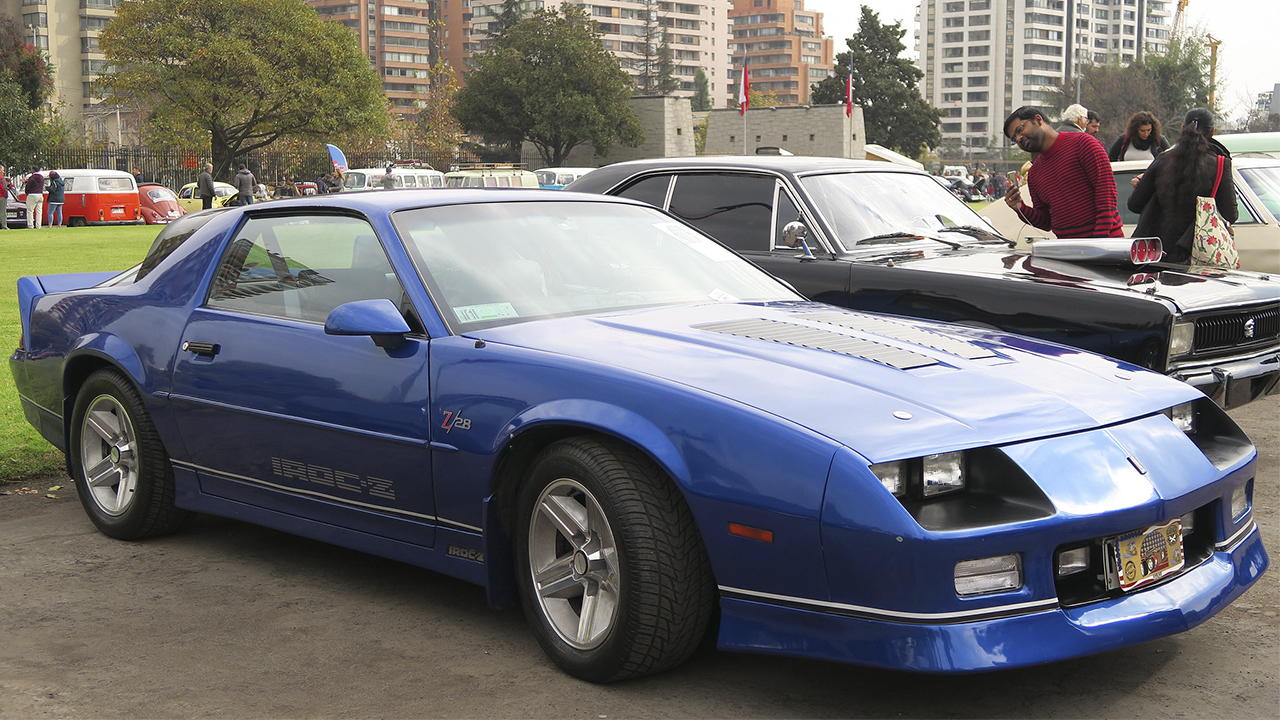
The Chevrolet Camaro IROC-Z helped bring the Camaro into the modern performance era during the 1980s. Its improved suspension, larger wheels, stronger braking, and available fuel-injected V8 gave the car significantly better road manners than many earlier muscle cars. The IROC-Z also reflected the growing importance of handling and electronic engine management. Its combination of technology and aggressive styling made it a defining American performance car of its generation.
Pontiac Firebird Trans Am GTA

The Pontiac Firebird Trans Am GTA blended traditional V8 performance with a more sophisticated grand-touring character. Its aerodynamic bodywork, refined interior, improved suspension, and available fuel-injected V8 made it considerably more advanced than classic-era Firebirds. The GTA demonstrated that an American performance coupe could provide speed while also offering technology and comfort. It became an important bridge between traditional muscle cars and the increasingly refined performance vehicles of the late 1980s.
Ford Mustang SVT Cobra R
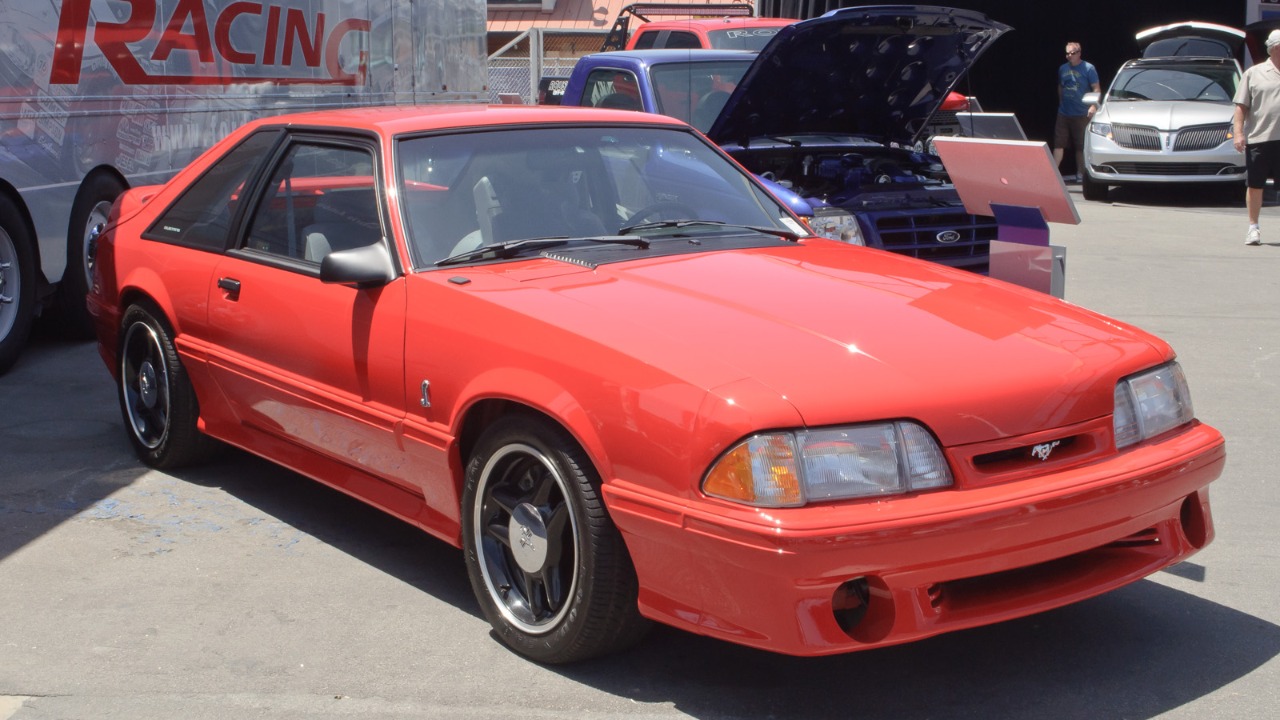
The Ford Mustang SVT Cobra R demonstrated that Ford could turn the Mustang into a genuinely track-focused machine. By reducing unnecessary equipment and adding performance-oriented suspension, brakes, cooling, and drivetrain components, Ford created a car designed around serious driving. Limited production increased its exclusivity. The Cobra R helped establish a modern American performance formula in which factory engineering could deliver a vehicle capable of demanding track use straight from the showroom.
Chevrolet Camaro ZL1
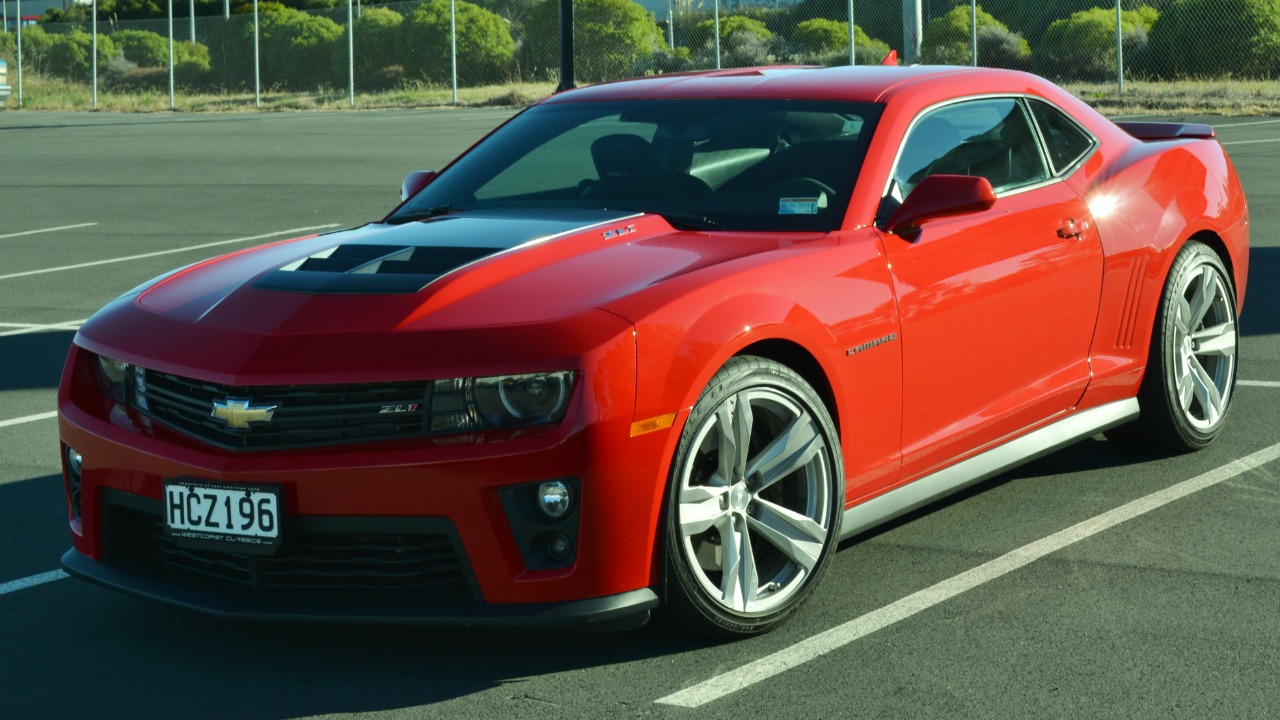
The modern Chevrolet Camaro ZL1 transformed the Camaro into a highly capable performance machine using supercharged V8 power and advanced chassis engineering. Strong brakes, sophisticated suspension, modern electronics, and aerodynamic development allowed it to perform far beyond the traditional straight-line muscle-car formula. The ZL1 demonstrated that Chevrolet could combine enormous horsepower with genuine road-course capability, giving the Camaro a much broader performance envelope than its predecessors.
Ford GT
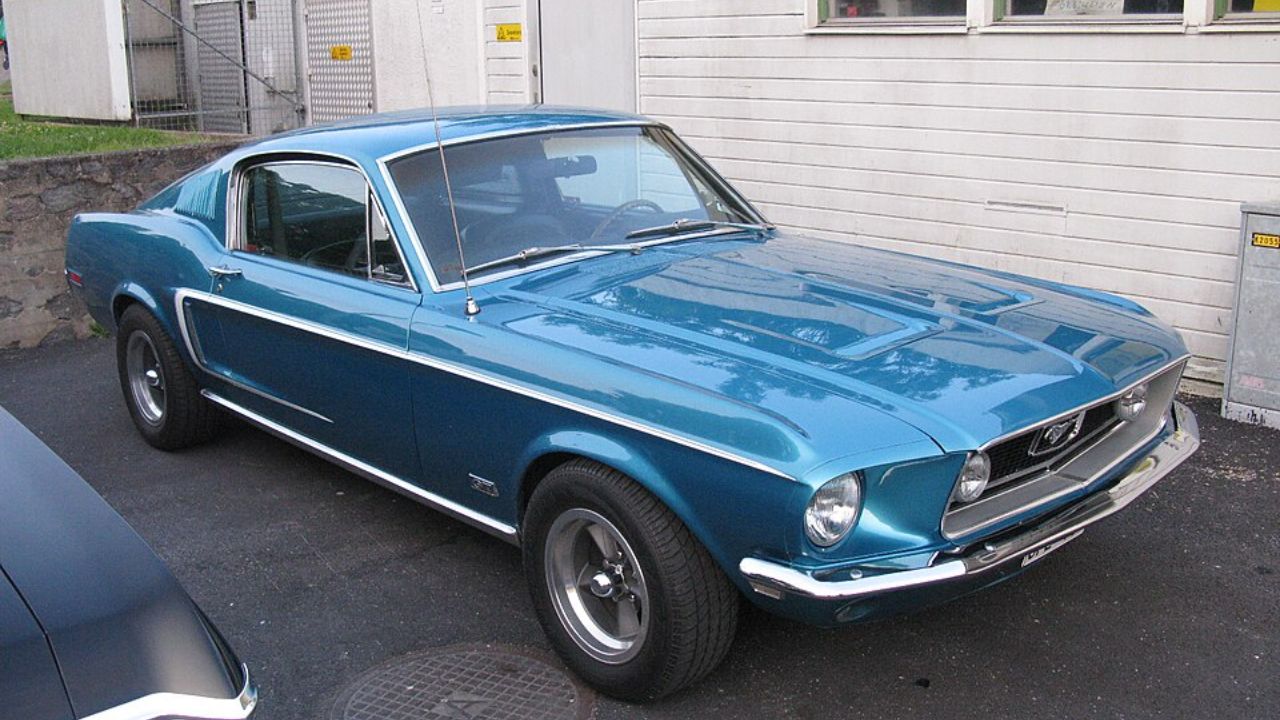
The Ford GT demonstrated that American performance engineering could compete directly with the world’s most sophisticated exotic sports cars. Inspired by the legendary GT40, the modern GT used a mid-engine layout, lightweight materials, advanced aerodynamics, and a high-performance turbocharged V6. Its limited production emphasized its role as a technological showcase. The GT proved that Ford could develop an American supercar built around modern engineering rather than traditional front-engine muscle-car architecture.
Cadillac CTS-V
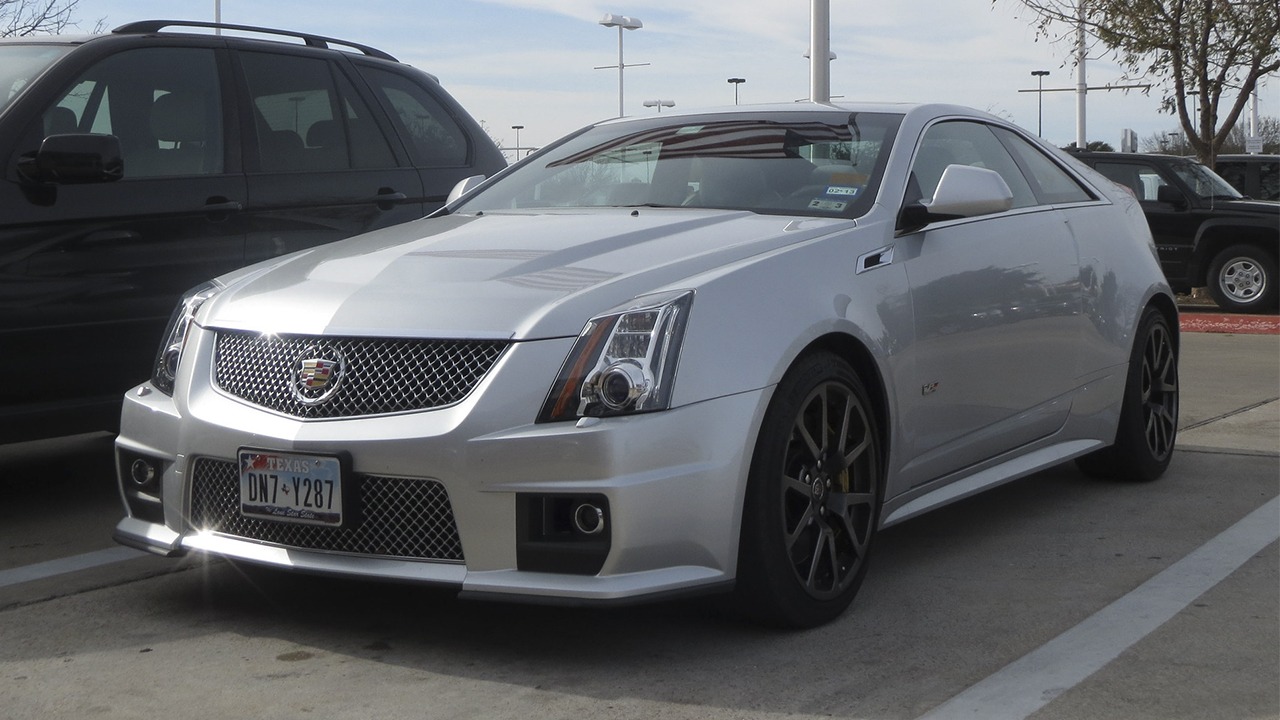
The Cadillac CTS-V helped redefine the American performance sedan by combining luxury-car comfort with serious track capability. Its powerful V8, rear-wheel-drive chassis, high-performance brakes, and increasingly sophisticated suspension made it a genuine competitor to European sport sedans. Later generations became dramatically more powerful while retaining everyday usability. The CTS-V showed that American manufacturers could build performance cars capable of competing with BMW, Mercedes-Benz, and other established European brands.
More from Fast Lane Only
- Unboxing the WWII Jeep in a Crate
- 15 rare Chevys collectors are quietly buying
- 10 underrated V8s still worth hunting down
- Police notice this before you even roll window down
*Research for this article included AI assistance, with all final content reviewed by human editors