The experiment with radical Chevy engines represents a fascinating chapter in automotive innovation, showcasing the brand’s daring ingenuity and willingness to push the boundaries of engineering. From mid-engine configurations to unconventional powertrains, these experiments have left an indelible mark on the automotive landscape.
The Evolution of Chevy Engines
Chevrolet has long been a pillar of the American automotive industry, with a rich history of engine design that dates back to the early 20th century. Traditionally, Chevy engines were characterized by their robust V8 configurations, which became synonymous with American muscle. These engines were designed for performance and reliability, catering to a market that craved power and speed. The small-block V8, first introduced in 1955, became a benchmark for engine design, offering scalability and adaptability across various models.
However, as the automotive landscape evolved, so too did consumer expectations. The late 20th century saw a shift toward fuel efficiency and environmental awareness, prompting Chevy to reconsider its approach to engine design. This led to the introduction of more radical concepts, such as the EcoTec engine family in the early 2000s, which demonstrated a commitment to enhancing fuel economy without sacrificing performance. Key milestones in Chevy’s engine development history include the introduction of turbocharging and direct fuel injection, both of which have paved the way for more innovative designs.
Mid-Engine Designs: A Bold Departure
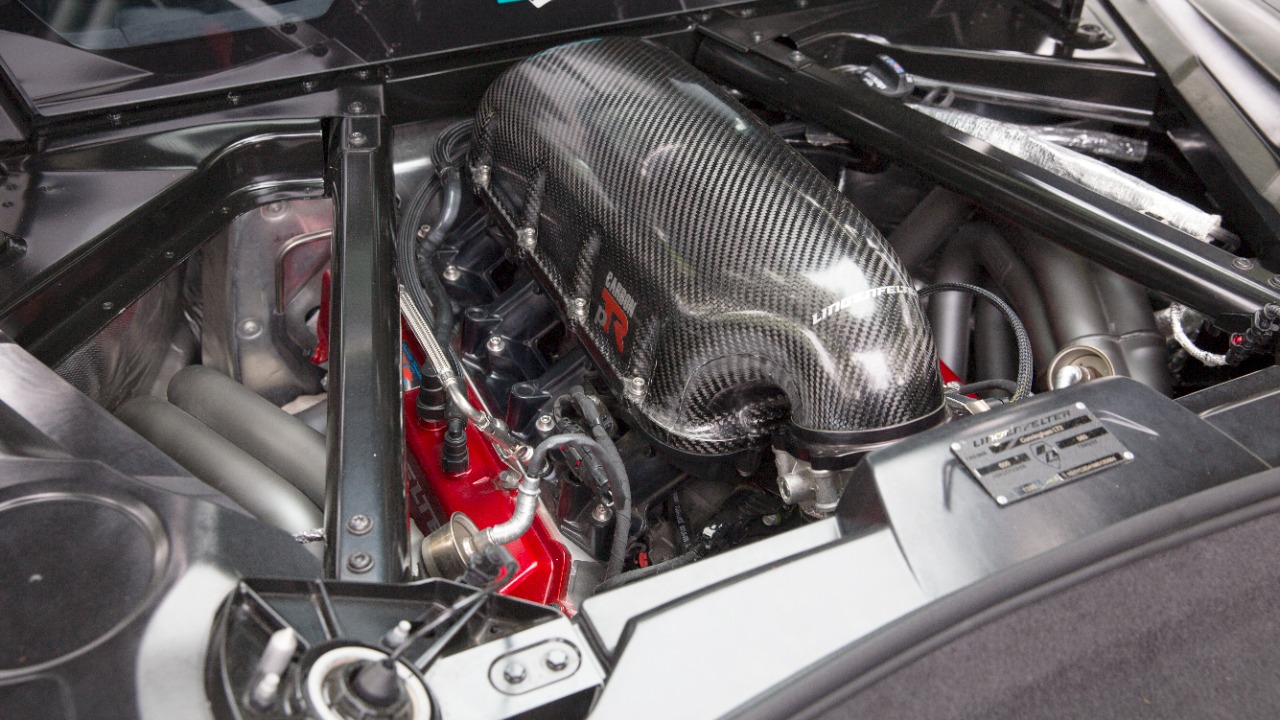
One of the most daring departures in Chevy’s history has been its exploration of mid-engine layouts, particularly in the iconic Corvette line. The mid-engine configuration offers several advantages, including improved weight distribution and enhanced handling dynamics. The C8 Corvette, introduced in 2020, is perhaps the most notable example of this design philosophy, shifting the engine behind the driver for the first time in the model’s history. This radical change has not only elevated the Corvette’s performance but has also set a new standard for sports cars.
Beyond the C8, Chevy even ventured into the realm of unconventional powertrains, such as the rotary engine concept, which was explored in the late 1970s and early 1980s. Although the rotary engine never made it to production, its exploration reflects Chevy’s willingness to push engineering boundaries. Challenges faced during the development and testing phases of these mid-engine prototypes were significant, including concerns about packaging, cost, and manufacturing complexities. Nevertheless, the successful implementation of such radical designs illustrates Chevy’s commitment to innovation.
Innovative Technologies and Features
The incorporation of advanced materials and manufacturing techniques has played a crucial role in the development of radical Chevy engines. The use of lightweight materials such as aluminum and carbon fiber has allowed engineers to reduce weight without compromising strength. This has been particularly beneficial in applications like the Corvette, where every ounce counts in pursuit of performance. Additionally, modern manufacturing techniques such as 3D printing are beginning to be utilized, enabling the creation of complex components that were previously impossible to manufacture.
Another noteworthy innovation has been the integration of oxygen enrichment systems, which enhance engine performance by increasing the amount of oxygen available for combustion. Research indicates that such systems can provide significant performance benefits, particularly in spark-ignition engines. For those interested in the technical details, a comprehensive study on this topic can be found in the SAE Mobilus database. Turbocharging and supercharging have also become integral to Chevy’s radical engine designs, enabling greater power output while maintaining efficiency. The combination of these technologies has allowed Chevy to create engines that are not only powerful but also environmentally friendly.
Performance and Efficiency Gains
When comparing radical engine designs to traditional Chevy engines, the differences in performance and efficiency are striking. For instance, the new C8 Corvette boasts a 6.2-liter V8 engine that produces 495 horsepower and 470 lb-ft of torque, significantly outperforming earlier models while achieving improved fuel economy. Data from road tests indicate that the C8’s efficiency is enhanced through its mid-engine layout and advanced aerodynamics, achieving an estimated 27 mpg on the highway.
Moreover, Chevy’s experimental designs have not only focused on power output but also on fuel economy improvements. For example, the use of turbocharging in engines such as the 2.0-liter turbo-four found in the Chevy Malibu allows for a substantial increase in efficiency without sacrificing power. Case studies showcasing the performance metrics from road tests confirm that these innovations have had a profound impact on the driving experience, making Chevy vehicles more competitive in a market that increasingly values efficiency alongside performance.
The Impact on the Automotive Industry
Chevy’s bold experimentation with radical engine designs has had a ripple effect throughout the automotive industry. Competing manufacturers have taken notice of Chevy’s strides in performance and efficiency, leading to a wave of innovation across the market. Brands that once focused solely on traditional powertrains are now investing heavily in hybrid and electric technologies, spurred by consumer demand for more sustainable options. Additionally, Chevy’s mid-engine Corvette has inspired competitors to rethink their own designs, with several manufacturers now exploring similar layouts in their high-performance models.
The role of radical engines in shaping consumer preferences cannot be overstated. As buyers become more aware of the benefits of advanced technologies, they increasingly seek vehicles that offer both performance and environmental responsibility. This shift in consumer behavior has pushed manufacturers to prioritize innovation, resulting in a more dynamic and competitive automotive landscape. The long-term implications of Chevy’s experimentation are profound, suggesting a future where engine design is increasingly driven by technological advancements and sustainability considerations.
Legacy and Future Directions
As I reflect on how these experiments have paved the way for modern innovations, it’s clear that Chevy’s willingness to embrace radical engineering has set a benchmark for the entire industry. The lessons learned from these radical designs are evident in today’s automotive engineering trends, where manufacturers are increasingly focusing on hybrid systems and electric powertrains. The push for sustainable solutions has prompted a reevaluation of traditional engine design, leading to the development of vehicles that are both high-performing and eco-friendly.
Current trends indicate a strong shift towards electrification, with Chevy’s own initiatives like the upcoming electric Silverado and the Bolt EV showcasing a commitment to a sustainable future. As battery technology continues to advance, predictions for the future of engine technology suggest an exciting blend of performance and efficiency, all while addressing environmental concerns. I anticipate that the legacy of Chevy’s radical engine experiments will continue to inspire innovation, pushing the boundaries of what is possible in automotive engineering.
More from Fast Lane Only
- Unboxing the WWII Jeep in a Crate
- 15 rare Chevys collectors are quietly buying
- 10 underrated V8s still worth hunting down
- Police notice this before you even roll window down
*Research for this article included AI assistance, with all final content reviewed by human editors.