The 1990s were a transformative decade for automotive enthusiasts, characterized by technological advancements, unique designs, and a shift towards performance-oriented models. It was a period that catered to both daily drivers and those seeking exhilarating experiences behind the wheel. Many vehicles from this era have since become icons, representing the pinnacle of engineering and design.
Mazda RX-7 (FD)
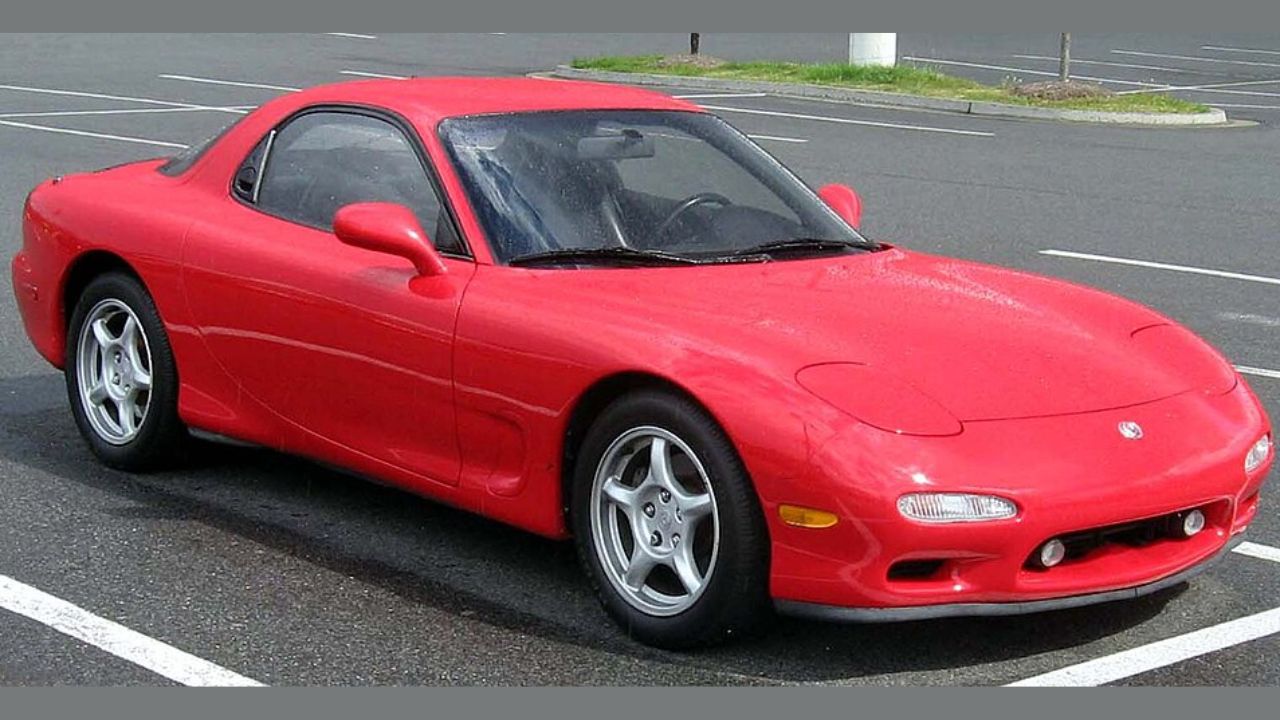
The Mazda RX-7 (FD), produced from 1992 to 2002, is often hailed as one of the most iconic sports cars of the 1990s. Renowned for its lightweight design and exceptional handling, it featured a unique rotary engine that delivered thrilling performance. The RX-7’s sleek lines and aggressive stance contributed to its status as a sought-after vehicle among enthusiasts. With a 0-60 mph time of just over five seconds, it embodied the spirit of the era. The RX-7’s motorsport pedigree is also notable, as it achieved success in various racing disciplines, further solidifying its legacy in automotive history.
Nissan Skyline GT-R (R32)
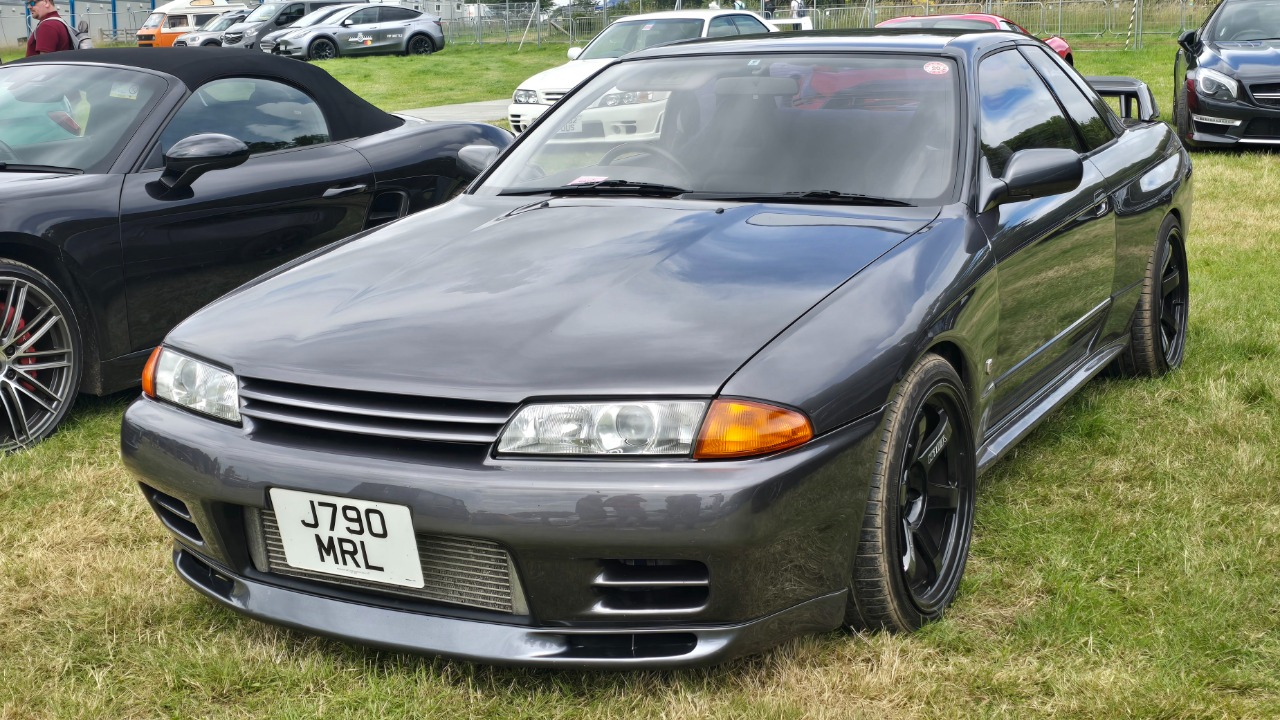
Launched in 1989, the Nissan Skyline GT-R (R32) became a legend in the automotive world by the early 1990s. Its combination of a powerful RB26DETT twin-turbo inline-six engine and the ATTESA all-wheel-drive system made it a formidable competitor on the track. The R32 was instrumental in establishing Nissan’s dominance in motorsport, particularly in Group A racing, where it earned the nickname “Godzilla.” Its design was both functional and visually striking, with wide fenders and aggressive aerodynamics. The GT-R’s influence can still be felt in modern performance cars, showcasing the lasting impact of this iconic model.
Honda Civic Type R (EK9)
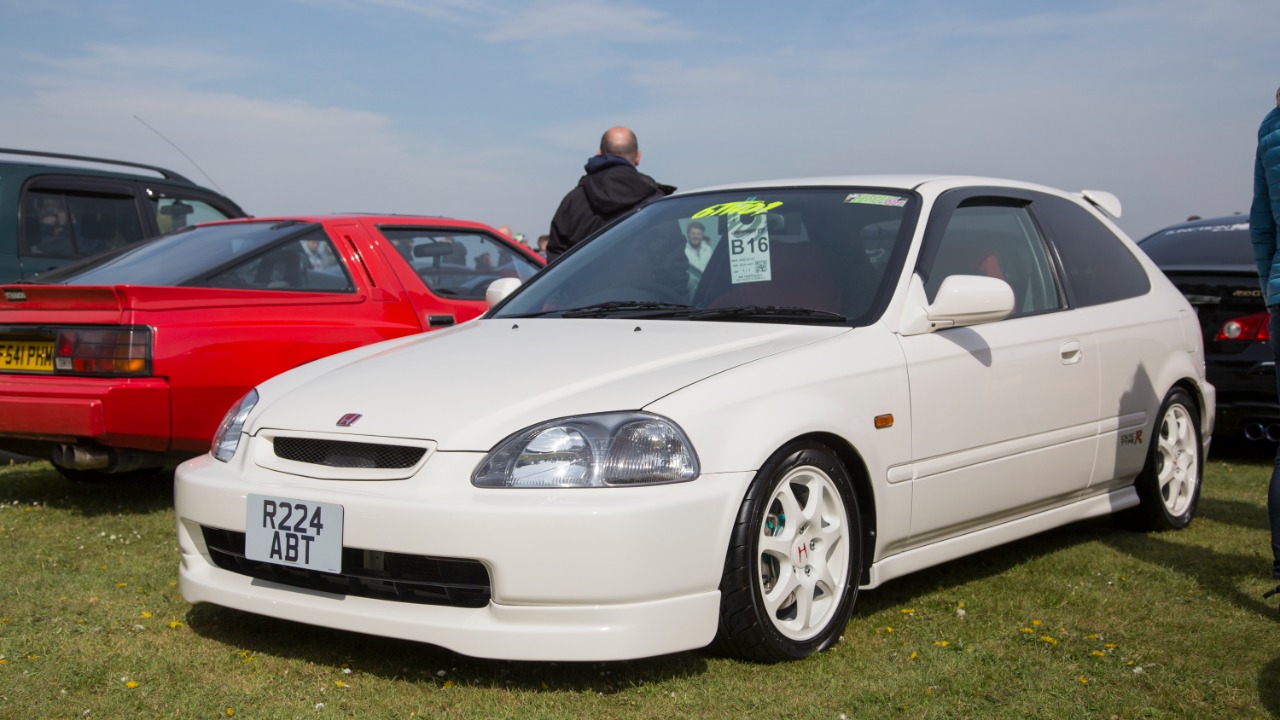
The Honda Civic Type R (EK9), introduced in 1997, revolutionized the compact car segment with its blend of performance, practicality, and reliability. Powered by a high-revving 1.6-liter VTEC engine, it produced 185 horsepower, making it a standout in the hot hatch category. Its lightweight construction and tuned suspension allowed for agile handling, making it a favorite among driving enthusiasts. The EK9’s motorsport heritage was evident, as it was designed with track performance in mind. Today, it remains a benchmark for compact performance cars, demonstrating Honda’s commitment to engineering excellence and fun-to-drive characteristics.
Toyota Supra (MK4)
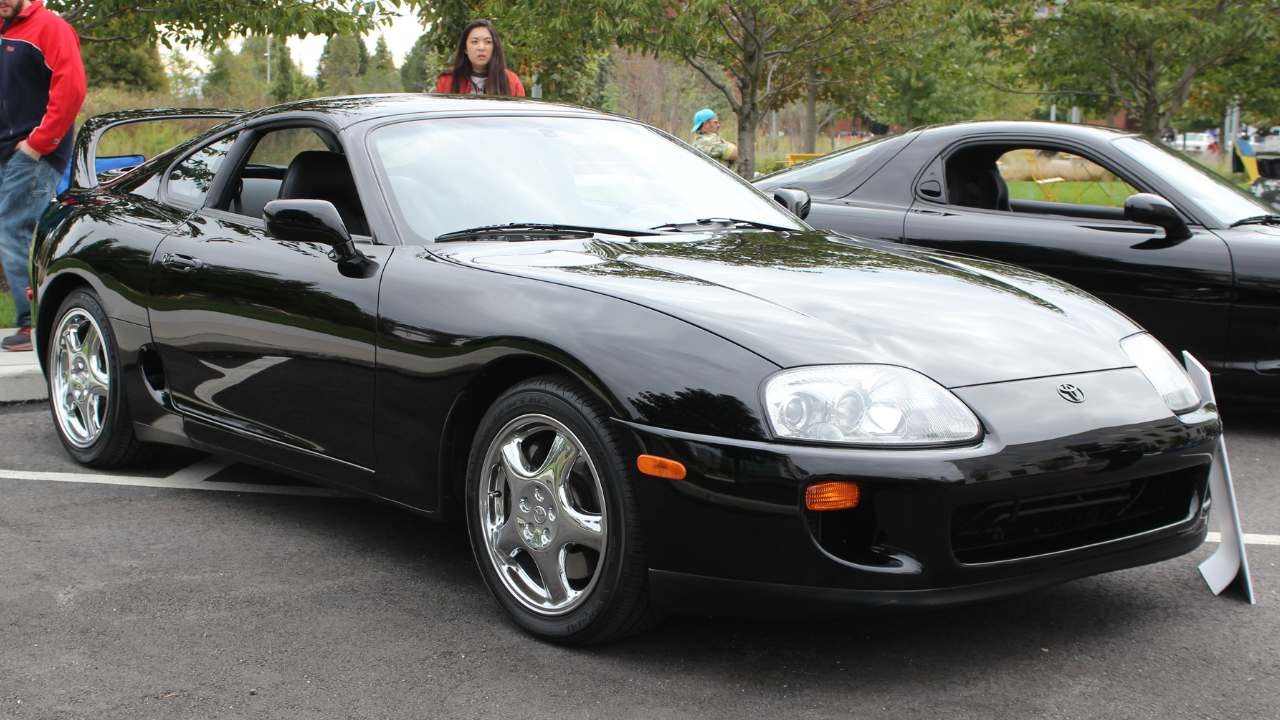
The Toyota Supra (MK4), produced from 1993 to 2002, is often regarded as one of the best Japanese sports cars ever made. Its 2JZ-GTE inline-six engine, known for its robustness and tuning potential, produced up to 276 horsepower in stock form, with enthusiasts frequently pushing it well beyond that. The Supra’s sleek design and iconic rear wing contributed to its presence on the road and in popular culture, especially with its appearance in films like “The Fast and the Furious.” The MK4’s combination of performance, reliability, and aftermarket support has solidified its status as a cherished classic among car enthusiasts.
Ford Mustang SVT Cobra
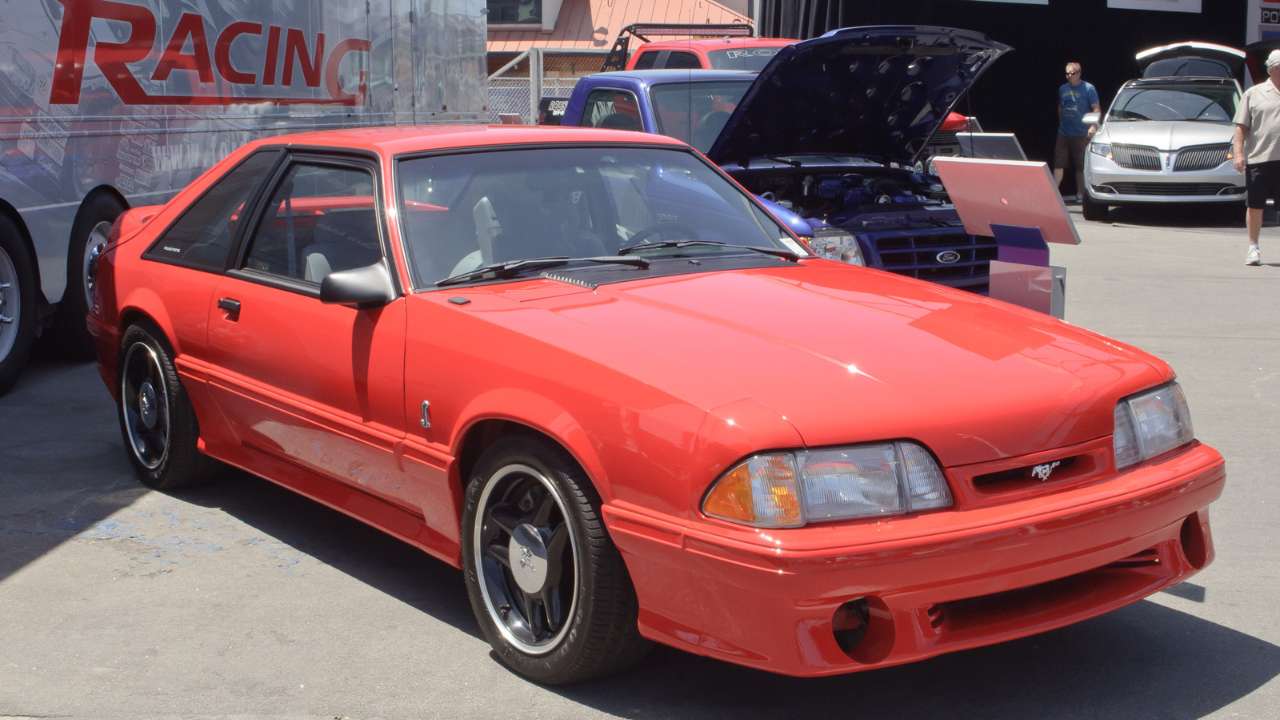
The Ford Mustang SVT Cobra, particularly the models from 1993 to 2004, exemplified American muscle during the 1990s. With a potent 5.0-liter V8 engine, the Cobra offered thrilling acceleration and a distinctive growl that appealed to enthusiasts. The 1994-2004 models featured a refined design while maintaining the classic Mustang heritage. The Cobra’s performance capabilities were further enhanced with upgraded suspension and braking systems, making it a capable performer on both the street and the track. This vehicle remains an enduring symbol of American automotive culture, representing the power and spirit of the era.
Porsche 911 (993)
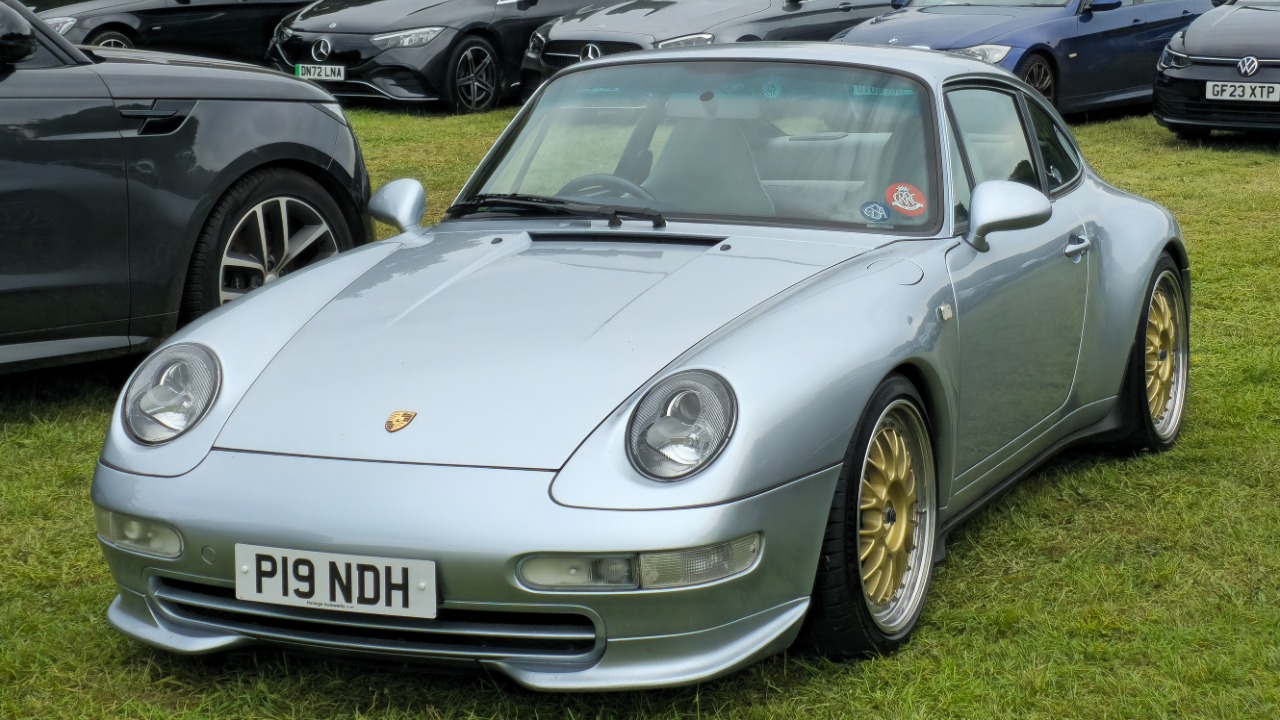
The Porsche 911 (993), produced from 1994 to 1998, is often referred to as the last of the “classic” 911s before the major redesigns that followed. Its distinctive design, characterized by rounded headlights and subtle curves, set it apart from its predecessors. The 993 was powered by a range of flat-six engines, offering a balance of power and efficiency. One of the notable features was the introduction of the Varioram system, enhancing performance across the rev range. Automotive enthusiasts cherish the 993 for its engaging driving experience and timeless design, making it a coveted model among collectors.
Chevrolet Corvette (C4)
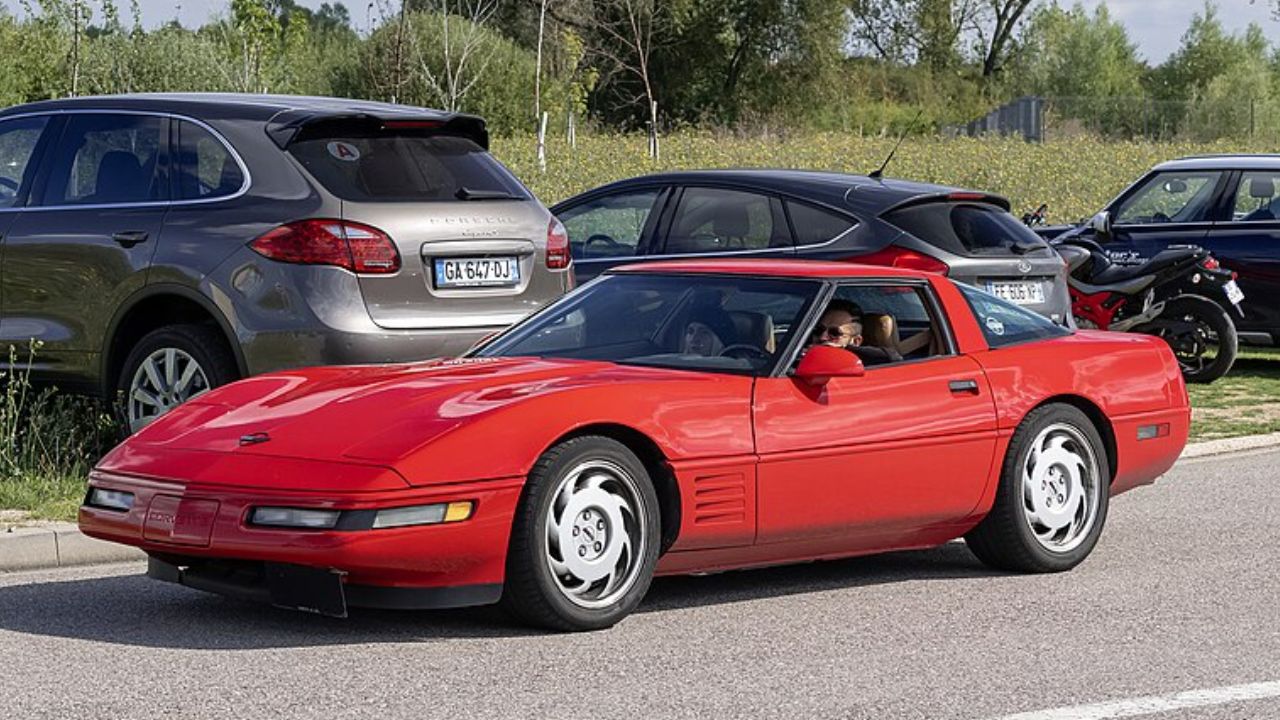
The Chevrolet Corvette (C4), produced from 1984 to 1996, marked a significant evolution in Corvette history. With its sleek, aerodynamic design and advanced materials, such as fiberglass and aluminum, the C4 set new standards for performance and efficiency. The introduction of the LT1 engine in 1992 provided a significant power boost, allowing it to compete with European sports cars. The C4’s innovations, including digital instrumentation and a sophisticated suspension system, made it a standout in the 1990s. This generation of Corvette remains a celebrated chapter in American automotive history, representing the blend of performance and technology.
Subaru Impreza WRX STI
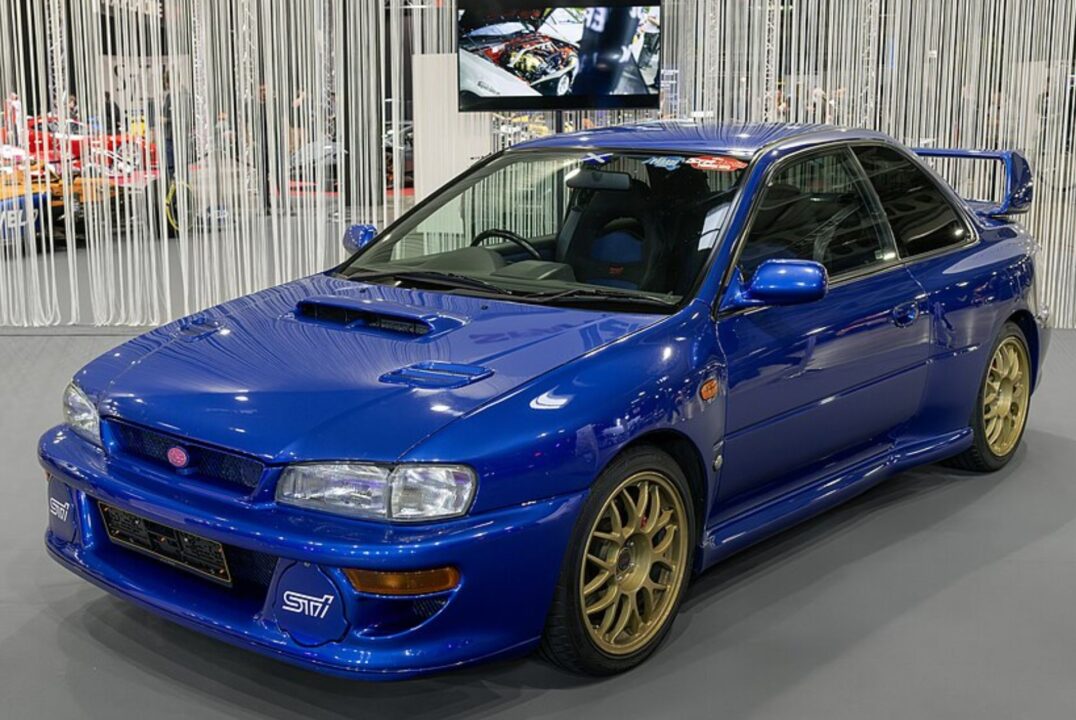
The Subaru Impreza WRX STI, first introduced in 1994, quickly gained a reputation as a rally legend. With its turbocharged flat-four engine and all-wheel-drive system, it was designed for performance in all conditions, making it a favorite among enthusiasts. The STI variant featured enhanced suspension and brakes, resulting in superior handling capabilities. Its distinctive styling, complete with a prominent rear wing and aggressive stance, made it easily recognizable. The WRX STI’s success in the World Rally Championship helped cement its status as an icon of motorsport, appealing to both drivers and collectors alike.
Mitsubishi Eclipse GSX
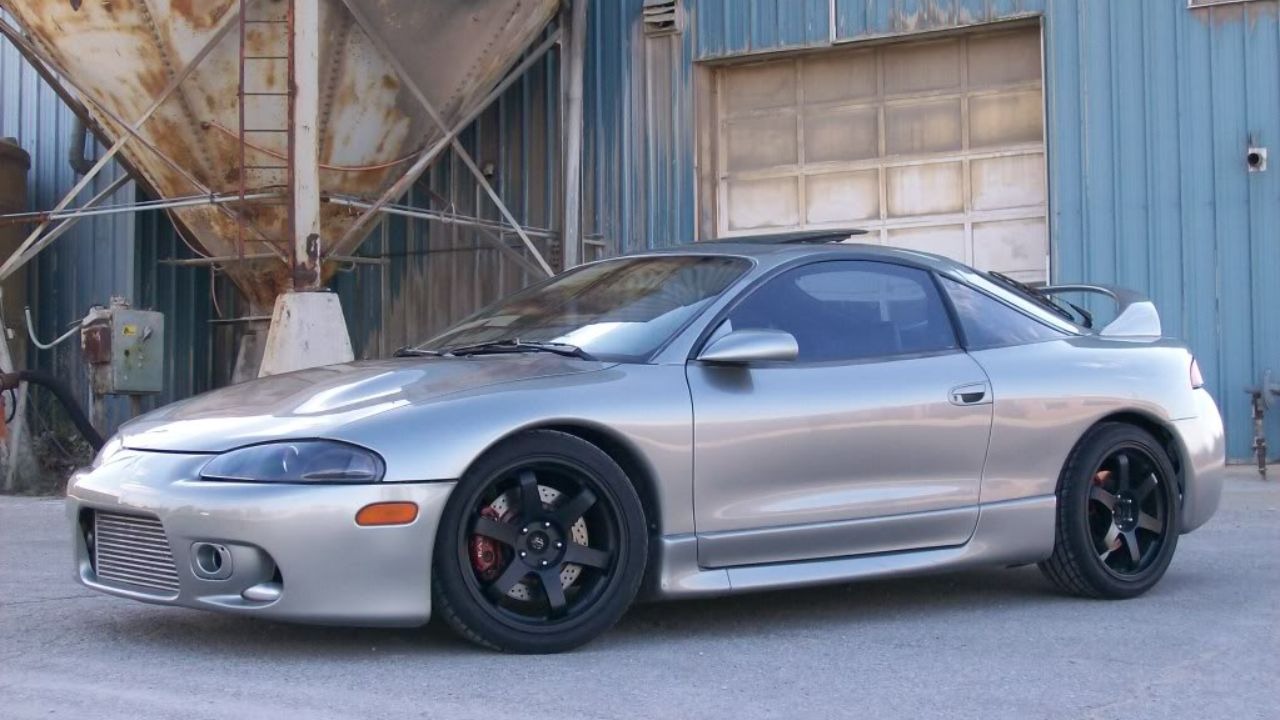
The Mitsubishi Eclipse GSX, produced from 1995 to 1999, was a standout in the affordable sports car market. It featured a turbocharged 2.0-liter inline-four engine paired with all-wheel drive, providing impressive performance and versatility. The GSX was celebrated for its tunability, allowing enthusiasts to modify it for even greater power. Its sporty design and engaging driving dynamics made it a popular choice among young drivers. The Eclipse’s presence in the street racing scene and its appearances in media further solidified its status as a cultural icon of the 1990s, leaving a lasting impact on automotive enthusiasts.
Acura NSX
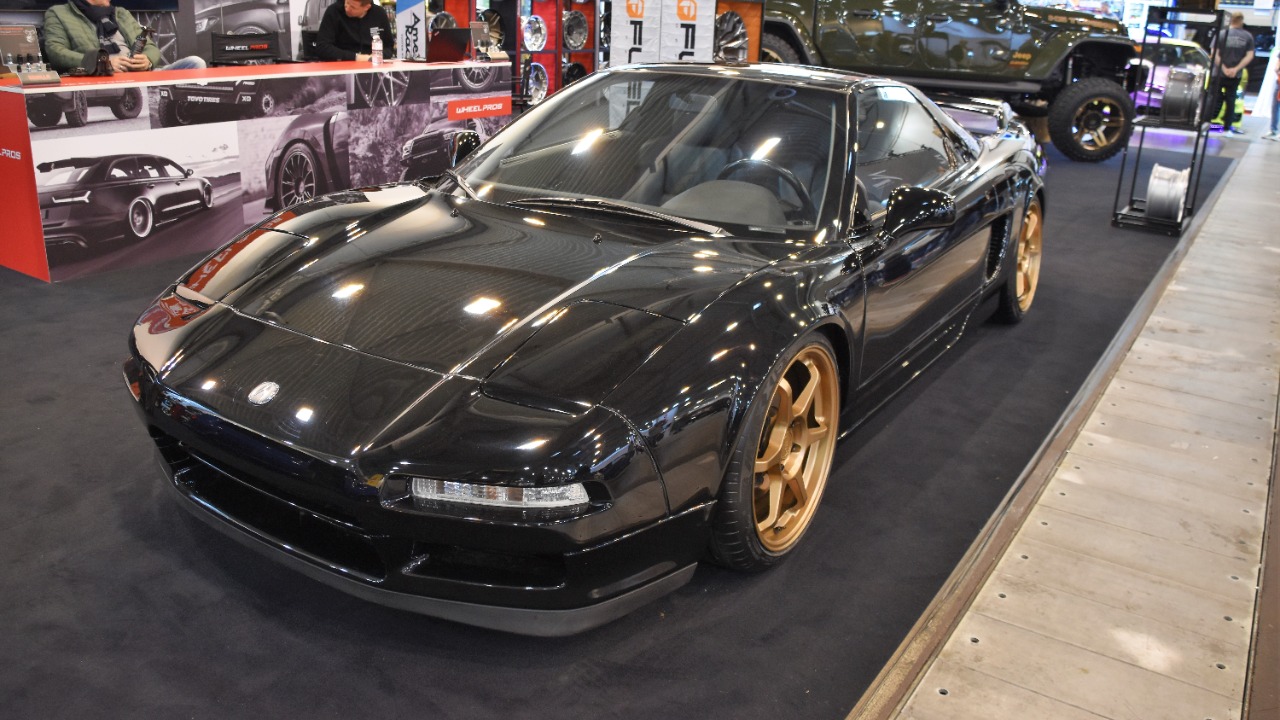
The Acura NSX, launched in 1990, redefined the supercar segment with its combination of performance, innovation, and everyday usability. Developed with input from Formula 1 legend Ayrton Senna, the NSX featured an aluminum chassis and a mid-mounted V6 engine, providing exceptional handling and acceleration. Its sleek design and advanced technology, including variable valve timing, made it a pioneer in its class. The NSX’s legacy continues to influence modern supercars, demonstrating Acura’s commitment to engineering excellence. Today, the NSX is celebrated as a groundbreaking model that paved the way for future performance vehicles, ensuring its place in automotive history.
More from Fast Lane Only