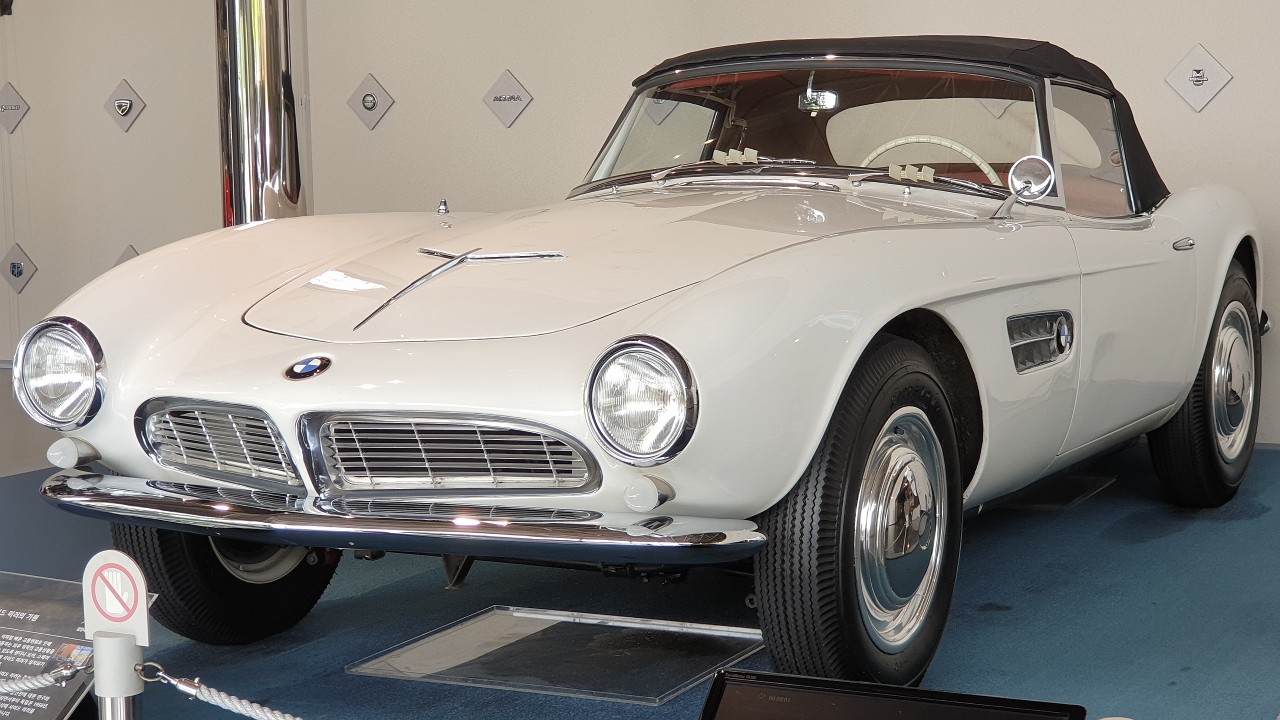
The Golden Age of automotive design produced countless models that captured the imagination of car enthusiasts and the general public alike. While many iconic designs have received ample recognition, several underrated vehicles deserve a closer look. From sleek contours to innovative engineering, these cars embody a unique blend of style and substance that still resonates today.
The 1957 BMW 507
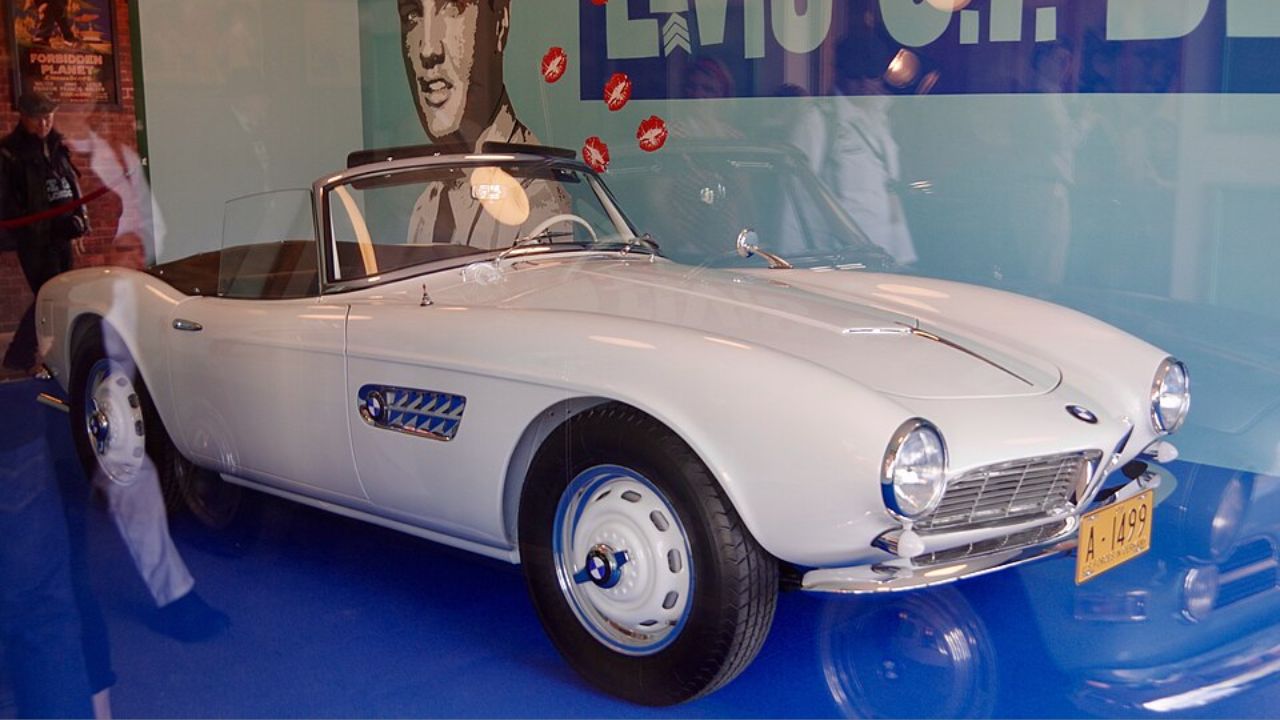
The BMW 507 stands out as one of the most elegant roadsters of its time, combining performance with striking aesthetics. Designed by Albrecht von Goertz, its long hood and short rear deck created a sense of motion even when stationary. Despite its beauty, only about 250 units were produced, making it a rare find today. It featured a 3.2-liter V8 engine that delivered impressive performance for its era, appealing to both luxury and speed enthusiasts. The 507’s iconic status continues to be celebrated, often seen as a symbol of post-war automotive design. More details about this vehicle can be found on automotive history websites.
The 1961 Chevrolet Corvair
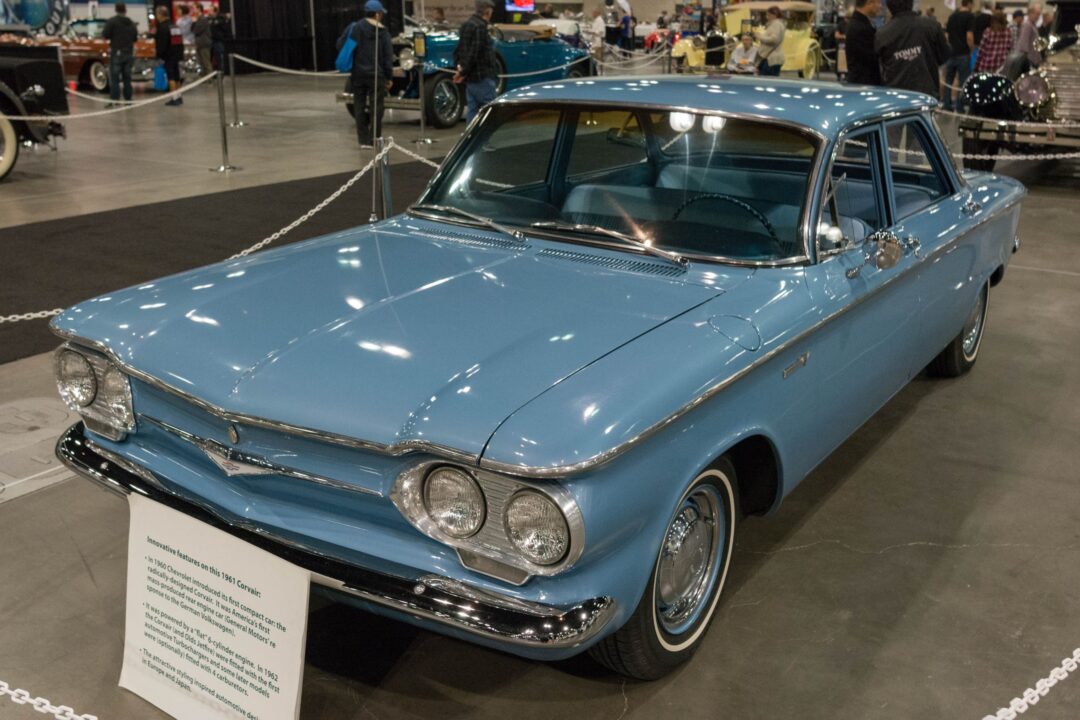
The Chevrolet Corvair is often overshadowed by its contemporaries, yet it was a pioneering model in several respects. Known for its rear-engine layout and unique design, the 1961 version showcased a sleek silhouette that set it apart. Its innovative suspension system provided a smooth ride, while the air-cooled engine offered practicality. Despite facing criticism in its later years, the Corvair’s bold design and engineering choices reflected a spirit of experimentation in American automotive design. For more insights, enthusiasts often discuss its impact on platforms like Reddit.
The 1963 Studebaker Avanti
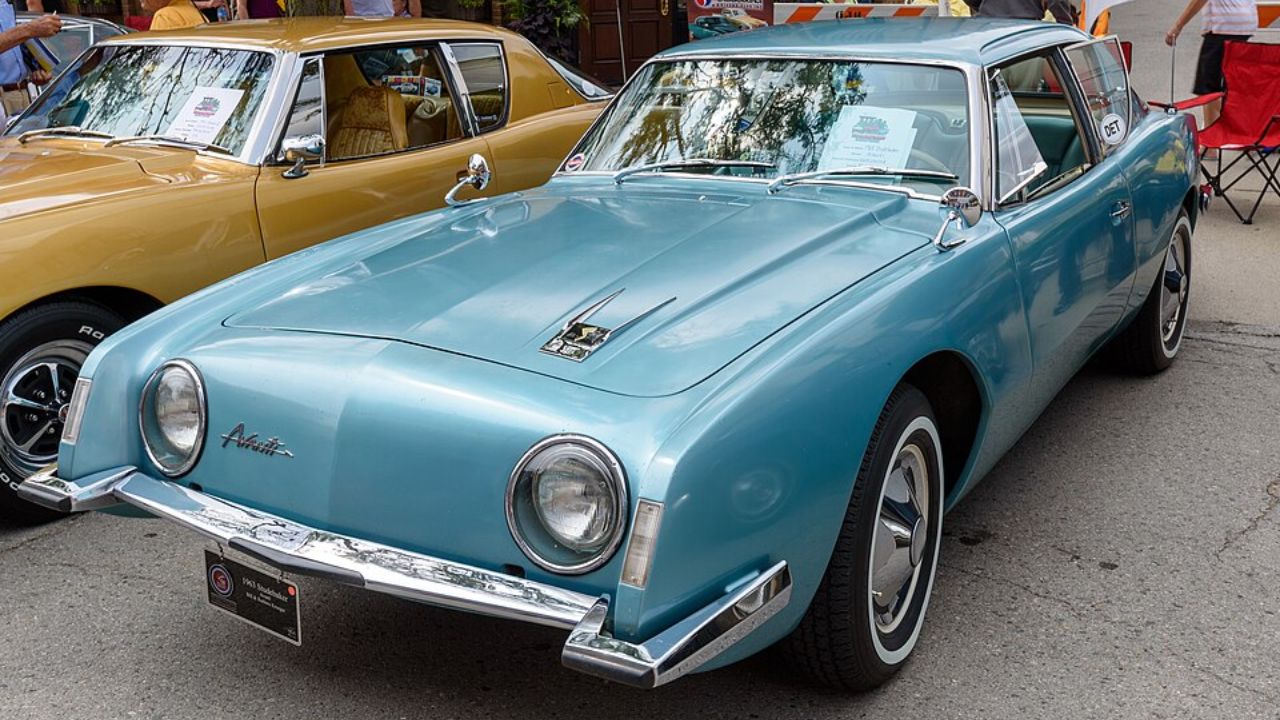
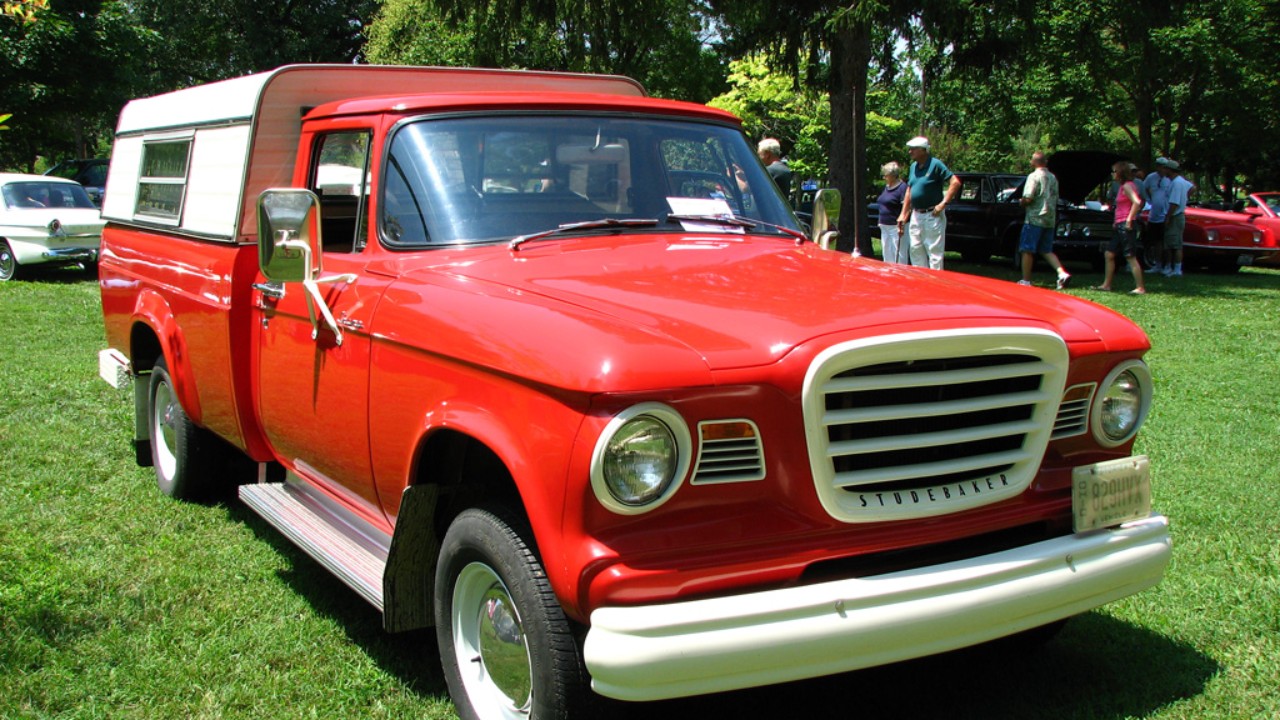
The Studebaker Avanti emerged as a revolutionary vehicle that challenged conventional design norms. Introduced in 1963, it featured a fiberglass body and a fastback silhouette, which were quite radical for the time. The Avanti was powered by a supercharged V8 engine, offering performance that matched its stunning good looks. Despite being produced in limited quantities, the Avanti has left a lasting legacy in automotive design. Its unique approach is often discussed in the context of the automotive industry’s creative potential during the golden age, as noted in various literature on car design.
The 1965 Ford Mustang Fastback
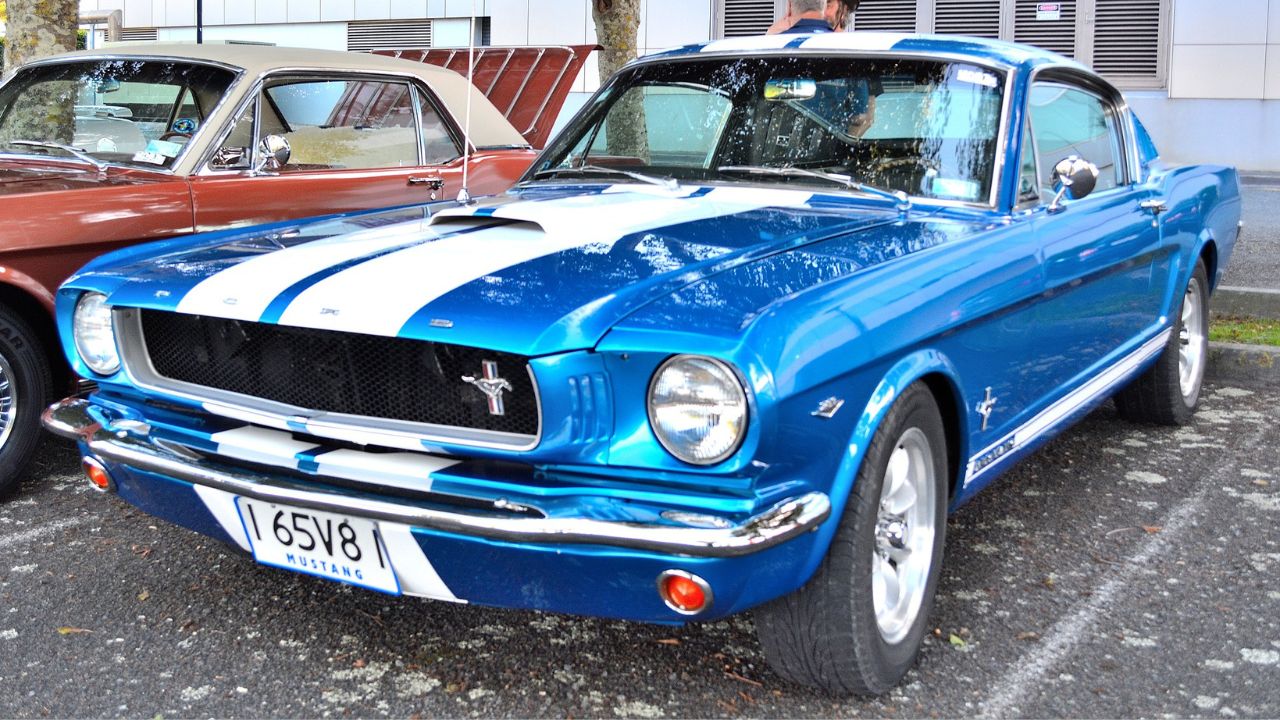
The Ford Mustang Fastback from 1965 is one of the most recognized models in automotive history, yet it often gets overlooked in discussions about design. Its long, flowing lines and sporty profile made it an instant classic. The Mustang’s versatility allowed it to cater to a wide range of buyers, from everyday drivers to performance enthusiasts. With options like the powerful 289 cubic inch V8 engine, it became a symbol of American muscle. The Fastback variant’s design remains influential, inspiring modern iterations of the Mustang and other performance cars. The legacy of this model can be explored further on sites dedicated to automotive enthusiasts.
The 1966 Jaguar XJ13
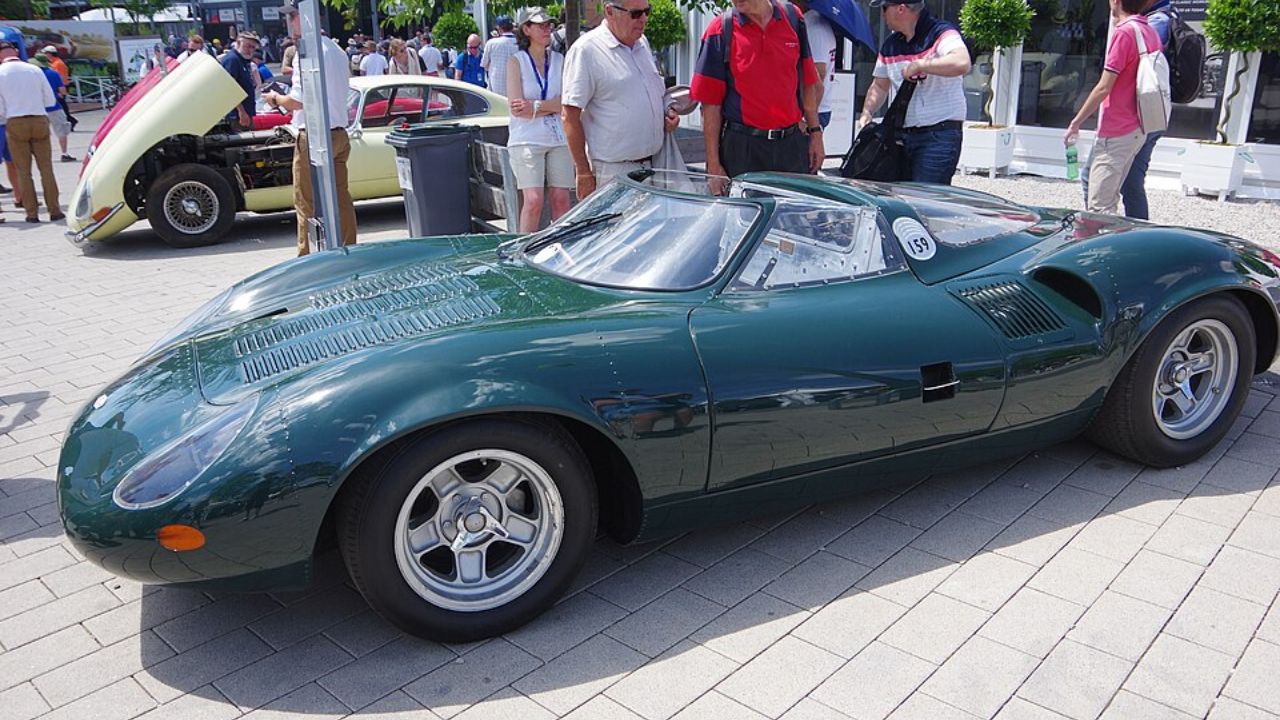
The Jaguar XJ13, though never officially produced for the public, represents a pinnacle of automotive design and engineering from the golden age. Designed primarily for racing, it featured a stunning aerodynamic shape and a powerful V12 engine that promised exceptional performance. Its design was so advanced that it remains influential in the automotive world today. The XJ13’s limited visibility in the marketplace has elevated its status among collectors and enthusiasts. Many regard it as a lost masterpiece of automotive design, with discussions often emerging on platforms dedicated to classic cars.
The 1970 De Tomaso Mangusta
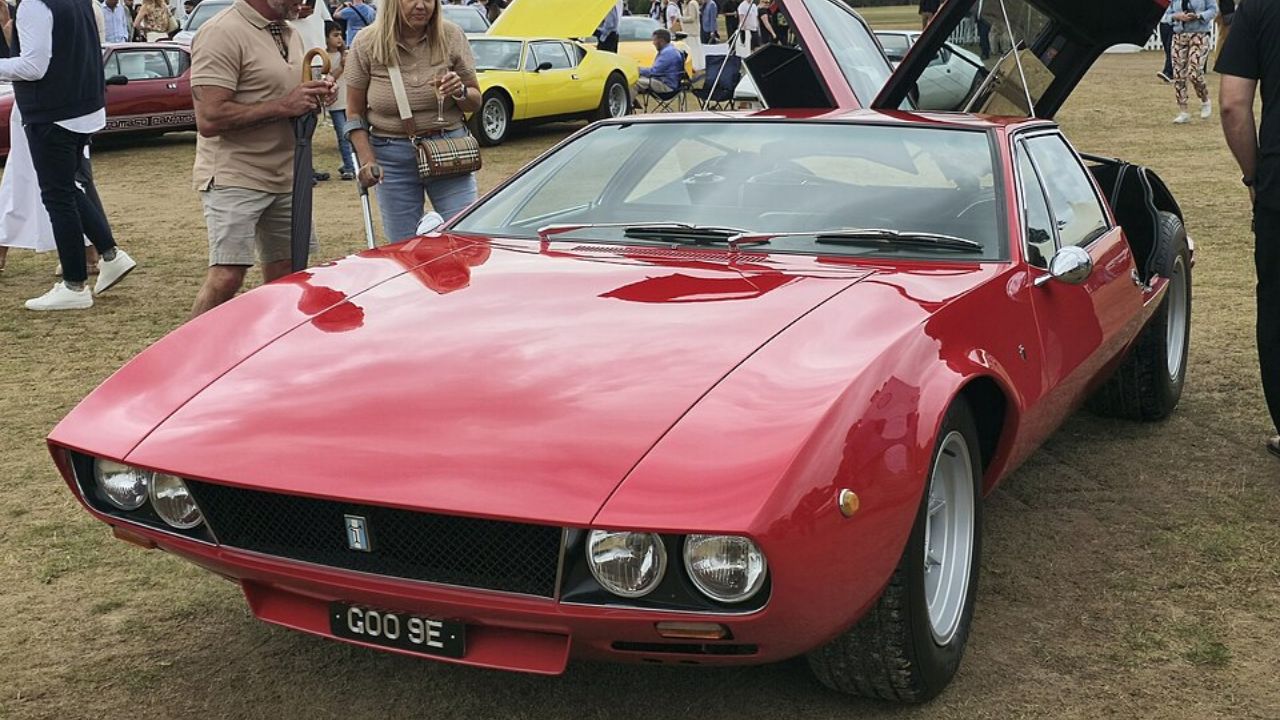
The De Tomaso Mangusta is a fascinating blend of Italian flair and American muscle, introduced in 1970. With a stylish design by Giorgetto Giugiaro, it features a low profile and distinctive gullwing doors, making it a standout among supercars of its time. Powered by a Ford V8 engine, the Mangusta offered impressive performance and handling. Despite its beauty and performance, it remains relatively obscure compared to its contemporaries, making it a hidden treasure for car enthusiasts. The Mangusta’s unique design elements are frequently discussed in forums where classic car lovers gather.
The 1971 Mercedes-Benz 600 Pullman
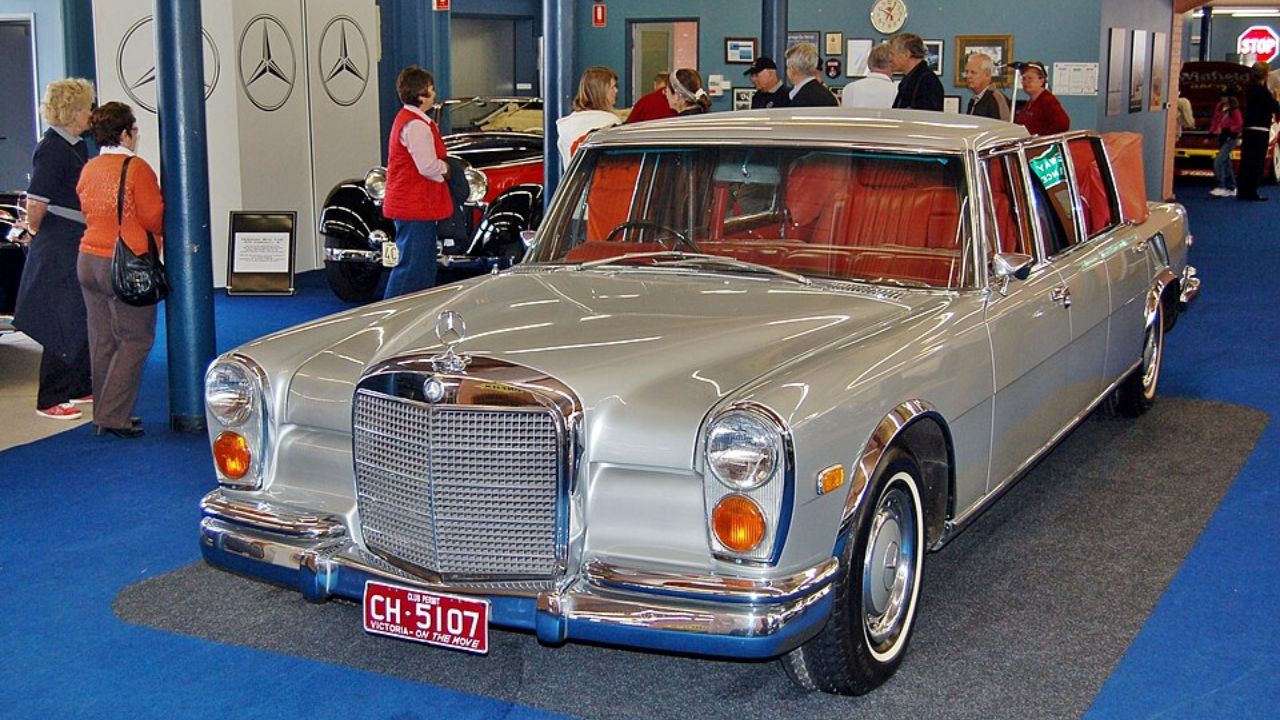
The Mercedes-Benz 600 Pullman is often regarded as a symbol of luxury and status, yet it remains underrated in discussions about automotive design. Launched in 1971, the Pullman featured opulent interiors and a commanding presence on the road. Its powerful V8 engine provided a smooth driving experience, while its spacious cabin catered to dignitaries and celebrities alike. The Pullman’s understated elegance and remarkable engineering showcase the pinnacle of Mercedes-Benz’s capabilities during the golden age. The model’s influence can be appreciated in various luxury vehicles that followed, illustrating its lasting impact on automotive design.
More from Fast Lane Only