The 1960s weren’t just a span of years—they were a statement on wheels. From sleek European imports finding new fans stateside to homegrown muscle erupting on drag strips, that decade managed to blend style, performance, and innovation in ways we still talk about today. Whether it was a boxer‑powered roadster carving California canyons or a big‑block cruiser roaring down Main Street, these cars captured the era’s spirit without apology.
In this list, we’re looking at ten machines that didn’t just sell well—they shaped how America saw itself on the road. You’ll get engine specs, suspension setups, interior highlights, and the little engineering touches that turned good cars into icons. Buckle up—let’s roll through the models that helped make the ’60s the high‑water mark of American automotive culture.
Ford Mustang Hi‑Po 289 (1965)
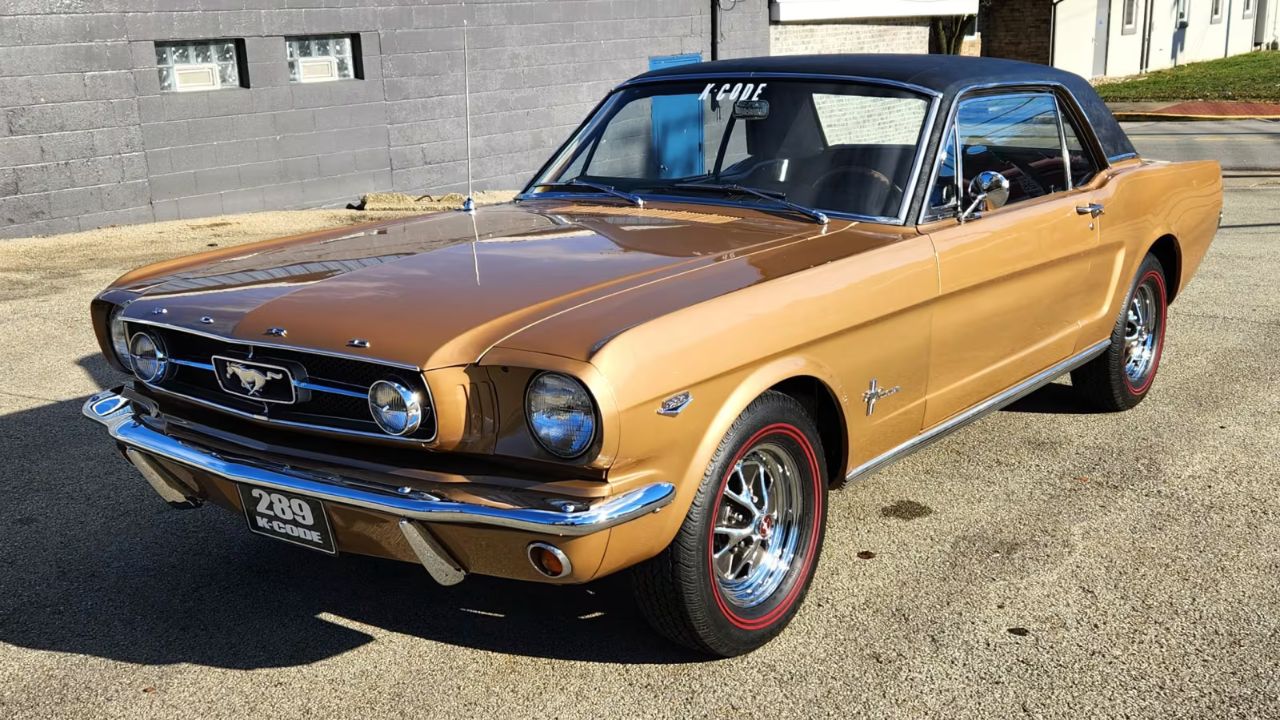
When Ford introduced the Mustang in 1964½, the Hi‑Po 289 package dropped in a 4.7L V8 making 271 hp and 312 lb‑ft of torque. That small‑block engine breathed through a four‑barrel carburetor and twin exhaust, giving it a measured growl without overkill.
Chassis tuning included MacPherson struts up front and a live rear axle with leaf springs, which managed roll and ride more smoothly than many Detroit rivals. Inside, buyers could spec high‑back bucket seats, a center console with floor shifter, and a simple dash laid out for driving focus.
Chevrolet Corvette Sting Ray C2 (1963)
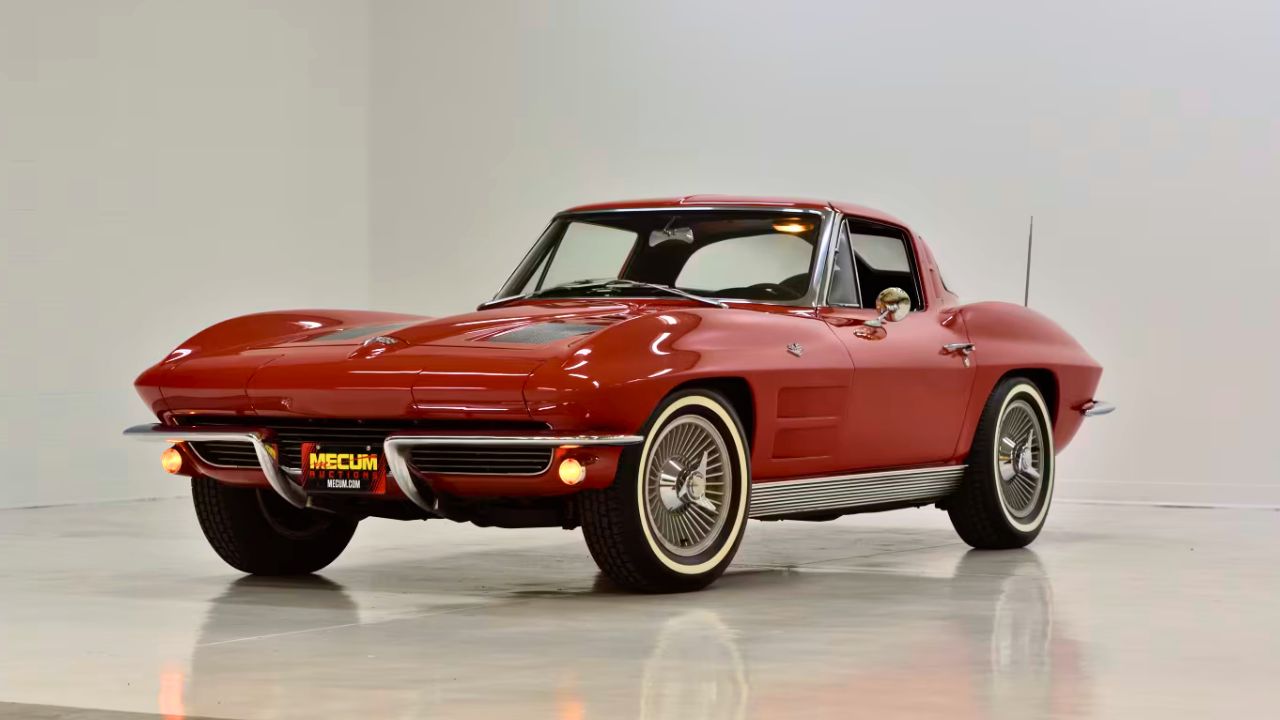
Chevrolet’s Sting Ray C2 kicked off with a 5.4L small‑block V8 making 250 hp in base form, with a 327 option bumping output to 360 hp. Fuel delivery came via Rochester fuel injection on top versions, feeding a smooth power curve through dual exhaust.
Underneath, independent unequal‑length A‑arms with coil springs at both ends gave the Corvette superb agility. The interior featured a twin‑cowl dash, leather‑wrapped wheel, and pedestal seats that held you firmly during hard cornering. It felt like a race car you could drive home.
Pontiac GTO (1964)
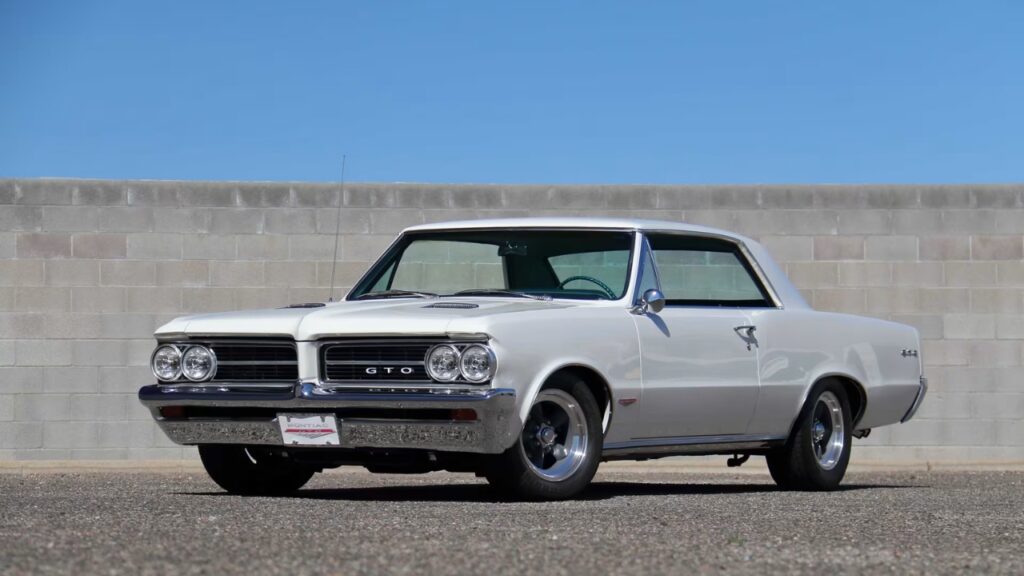
Pontiac’s GTO arrived with a 6.4L 389 V8 rated at 325 hp, while the Tri‑Power carb setup lifted output to around 360 hp. That torque‑rich mill launched through a four‑speed manual or three‑speed automatic, depending on your preference.
Suspension used coil springs up front with a live rear axle on leaf springs, and a thicker sway bar kept lean in check. Inside, vinyl bucket seats, rally gauges, and an optional Hurst shifter made it clear this wasn’t a regular Tempest. It drove with a punch that surprised many.
Shelby Cobra 427 (1965)

Carroll Shelby’s Cobra 427 married a 7.0L Ford FE V8 making 425 hp to a tubular steel chassis that weighed under 2,300 lbs. Fuel flowed through a Holley four‑barrel carb, and the engine’s wide torque band meant even low‑rpm punch off the line.
Suspension featured independent coil‑spring A‑arms up front and a live rear axle with leaf springs, tuned for track use. The cockpit was Spartan: a wood‑rimmed steering wheel, basic gauges, and a welded‑in roll bar. It was loud, raw, and shockingly quick.
Jaguar E‑Type Series I (1961)
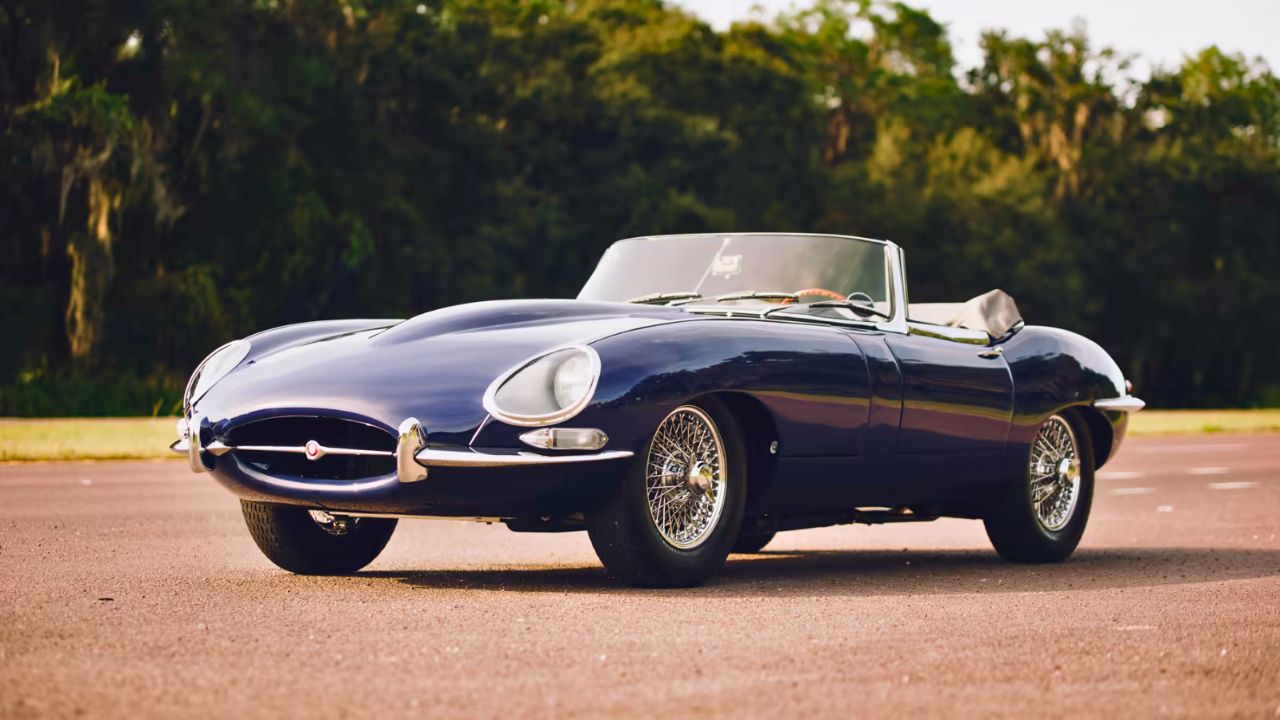
Jaguar’s E‑Type Series I packed a 3.8L inline‑six making 265 hp through twin SU carbs, later bumped to 4.2L with similar output. It hit 150 mph in tests, thanks to its aerodynamic fastback and lightweight monocoque.
The suspension used double wishbones with coil springs in front and a leaf‑sprung live axle at the rear, delivering poised handling. Inside, leather‑trimmed bucket seats, a toggle‑switch dash, and a thin wood steering wheel gave it a driver‑centric feel. It stood apart from anything else on the road.
Plymouth Barracuda Fastback (1967)
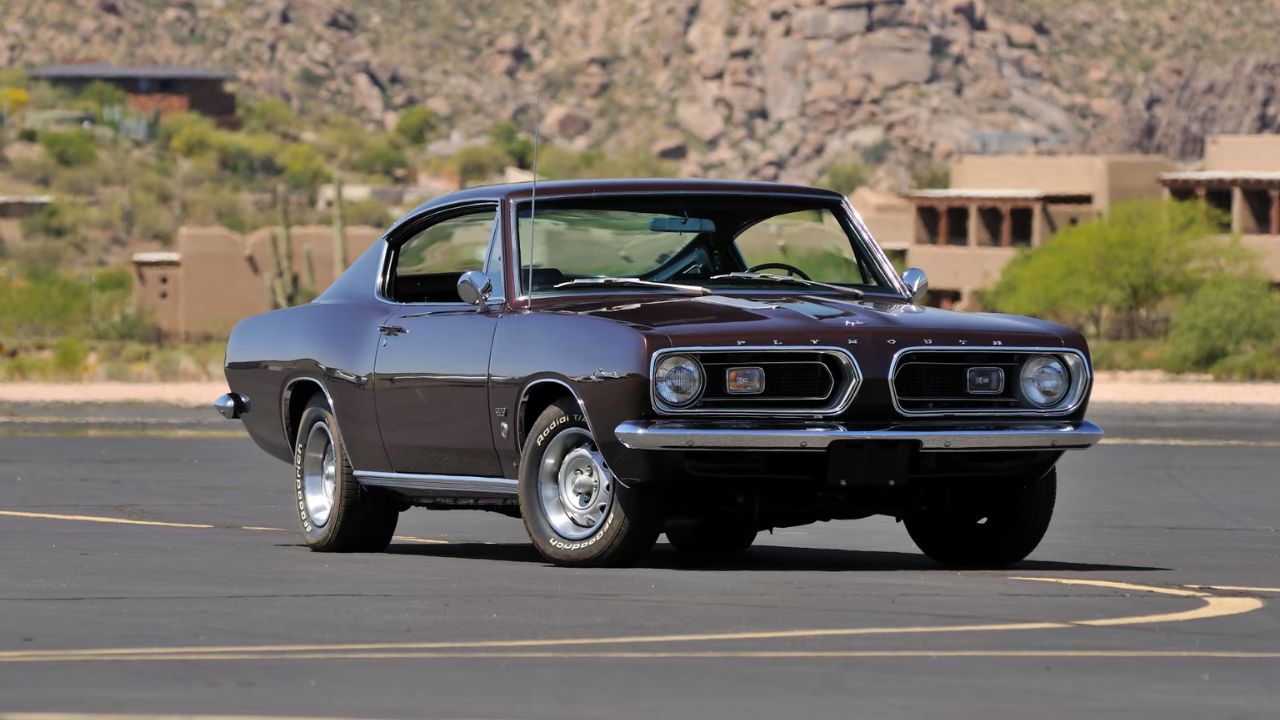
Plymouth’s ’67 Barracuda Fastback could be ordered with a 4.5L V8 at 225 hp or go full send with the 6.3L 426 Hemi pushing 425 hp. The Hemi’s cross‑ram intake and dual quads were extra drama under the hood.
Front torsion bars and rear leaf springs tuned the ride for confident cornering, while 15‑inch wheels improved grip. Inside, Rallye dash instruments and high‑back vinyl seats added focus. It looked sleek on the outside and backed it up with straight‑line speed few predicted.
Chevrolet Chevelle SS 396 (1965)

The Chevelle SS 396 arrived with a 6.5L 396 V8, rated between 325 and 375 hp depending on cam and carb setup. Its cast‑iron intake delivered torque early, and the optional dual exhaust let it breathe without restriction.
Front independent coil‑spring suspension and rear multi‑leaf springs struck a balance between ride and handling. Inside, SS‑specific buckets, Rally gauges, and a center console were available. It felt big yet agile, a contrast to heavier Grand Tourers in the same era.
Dodge Charger R/T (1968)
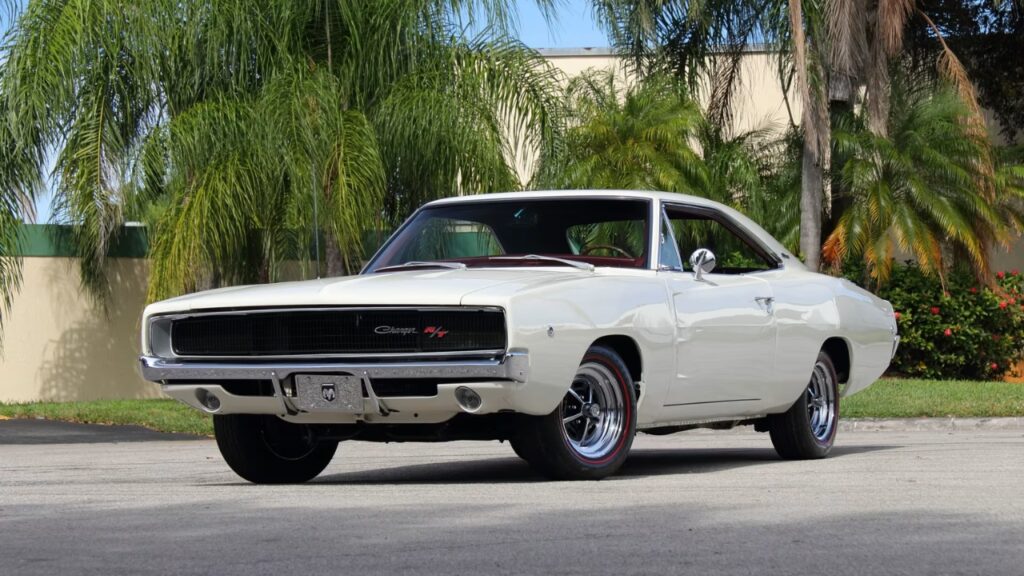
The Charger R/T came with either a 7.2L 440 Magnum V8 at 375 hp or the legendary 7.0L 426 Hemi at 425 hp. Torque was monstrous—over 480 lb‑ft in Hemi form—sent through a four‑speed manual or three‑speed TorqueFlite automatic.
Torsion‑bar front suspension and leaf springs aft kept the Charger composed through sweeping curves. Inside, bucket seats, tuck‑and‑roll door panels, and a padded dash gave a nod to comfort without diluting purpose. It was a full‑size car that knew how to hustle.
Mercedes‑Benz 230SL “Pagoda” (1963)
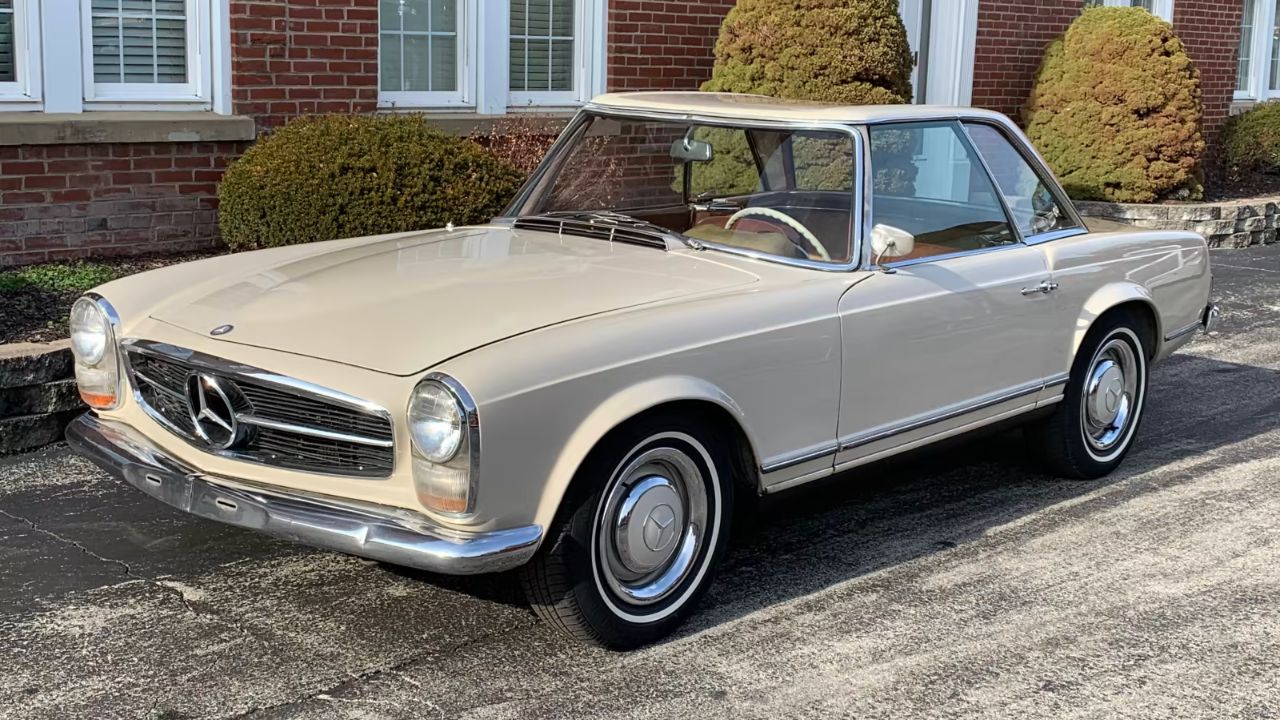
The 230SL “Pagoda” housed a 2.3L inline‑six putting out 150 hp, driving a smooth, five‑speed manual gearbox. Its signature hardtop roof profile wasn’t just style—it added rigidity to the chassis.
Four‑link front suspension and a swing‑axle rear gave it compliant yet controlled handling. Inside, you got well‑shaped seats, walnut‑trim dashboard, and a steering wheel that felt solid in hand. It offered refinement and poise to American drivers hungry for something beyond Detroit’s output.
Porsche 911 (1964)
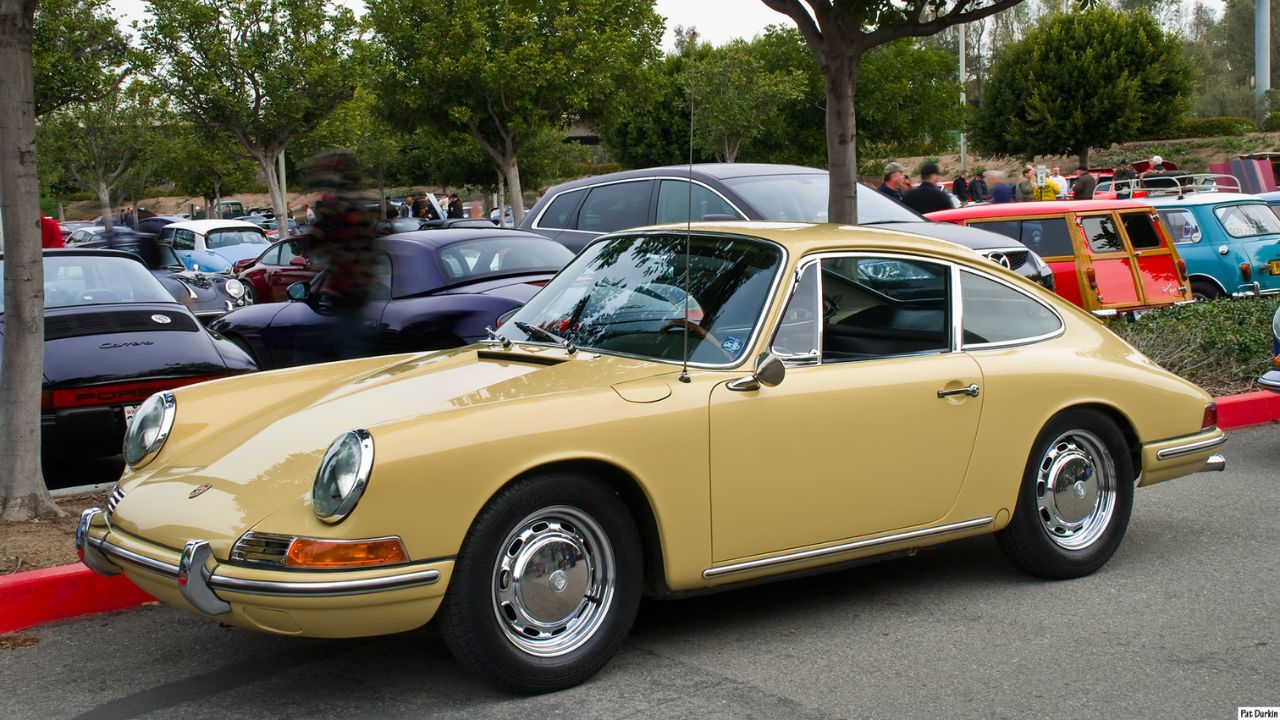
When Porsche debuted the 911, it used a 2.0L air‑cooled flat‑six making 130 hp. Rear‑mounted for traction, it fed a five‑speed manual and a soundtrack unlike anything else on U.S. roads.
Torsion bars at both ends and ventilated disc brakes on all corners kept the chassis poised. The cabin was minimal: bucket seats, a simple gauge cluster, and just enough wood‑rim or Momo steering wheel to remind you this was built for driver connection. It set the tone for performance for decades to come.
*This article was hand crafted with AI-powered tools and has been car-fully, I mean carefully, reviewed by our editors.