The 1968 Oldsmobile 442 wasn’t just another muscle car—it was Olds’s answer to the horsepower wars, packing a 400‑cubic‑inch V8 that cranked out around 350 horsepower and 440 lb‑ft of torque. With its heavy‑duty suspension, dual exhaust, and three‑speed Hurst shifter up front, it offered street manners that could handle real power. And that combination of grunt and balance still feels relevant today, even when you stack it against modern performance machines.
Inside, the 442 kept things straightforward but purposeful: high‑back bucket seats, Rally gauges with a clock and tach, and an optional W‑30 package that added more aggressive cam profiles and 10.5:1 compression. It wasn’t chasing flash or frills—it was built to cover ground, pull hard, and do it all without falling apart. That’s exactly why the 1968 442 still earns nods from people who know what a real street legend looks like.
Heart of the Beast: The 400 V8 Powerplant

Under the hood of the ’68 442 lives a 400‑cubic‑inch V8 with a four‑barrel Quadrajet carburetor, delivering about 350 hp at 5,200 rpm and 440 lb‑ft of torque at 3,200 rpm. Its cast‑iron block, forged crank, and hydraulic cam profile balanced street durability with enough cam lift and duration to make the W‑30 cammed versions really sing.
That iron monster breathed through dual exhaust and a performance intake manifold, which translated cam action into real‑world grunt. Even without W‑30, its broad torque curve meant roll‑on passes felt violent but controlled—no high‑rev hunting, just smooth shove when you mashed the throttle.
The W‑30 Performance Package

Ordering the W‑30 option turned a stout 442 into a true performer. You got a hotter camshaft, 10.5:1 compression pistons, and high‑flow cylinder heads with larger valves. On paper, this bumped peak power by roughly 20 hp, but the difference was most noticeable off idle and midrange—roll‑on pace sharpened significantly.
W‑30 cars also featured an aluminum front bumper filler panel and an oil cooler tucked in front of the radiator. Those bits weren’t for show: they kept intake temps down and the 400 running strong under sustained hard pulls, which was rare for big‑block engines back then.
Transmission and Gearing Choices

Most 442s rolled out with a three‑speed manual Hurst shifter as the base model with the four-speed optional, sporting a close‑ratio gearbox that made the car feel eager when you rowed through gears. An optional three‑speed Turbo Hydra‑Matic automatic slapped on a 2.73:1 first gear to launch you cleanly, then settled into cruising‑gear ratios for highway miles.
Rear end choices ranged from a 3.23:1 factory axle to a 3.55:1 “tractionlok” differential. The tighter ratio launches like a drag car, while the 3.23 setup keeps rpms in check at speed. Either way, the drivetrain balance meant gearing felt intentional, not arbitrary.
Chassis and Suspension: Heavy‑Duty Matters
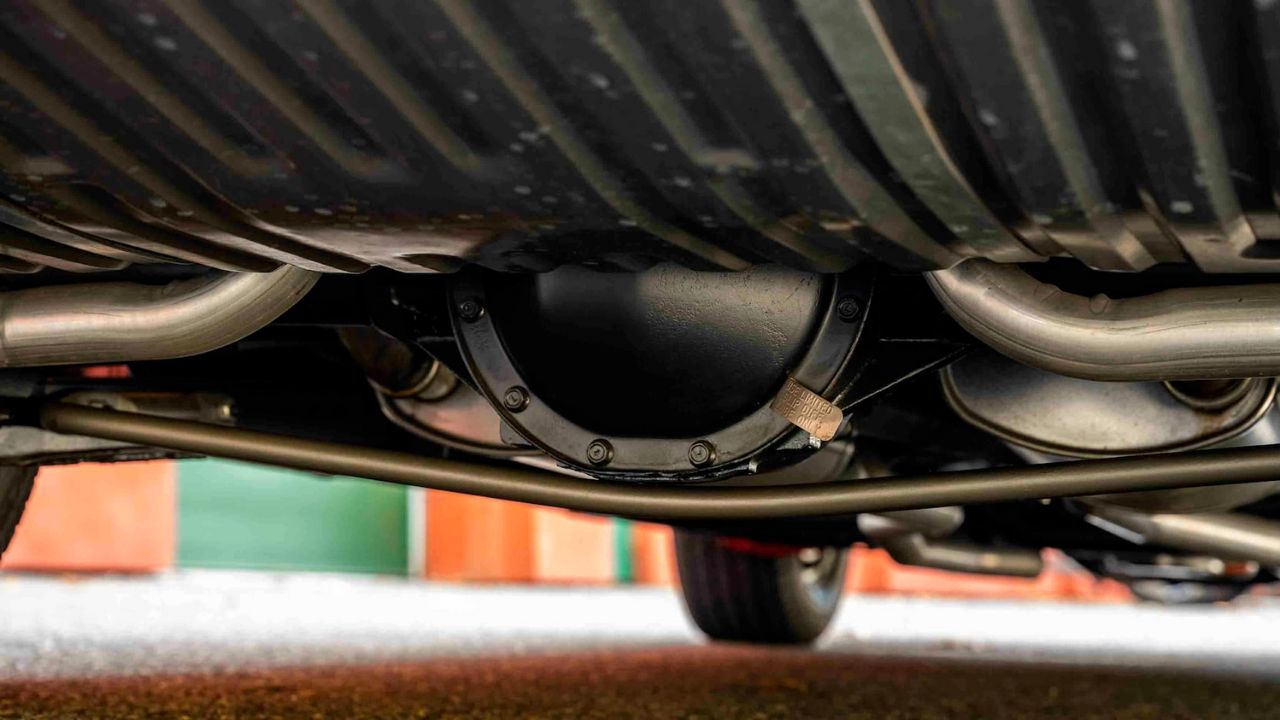
Oldsmobile didn’t skimp on chassis upgrades. The 442 came with larger sway bars, stiffer front and rear springs, and heavy‑duty shock absorbers as standard. That hardware cut body roll noticeably compared to a standard Cutlass of the era.
Front suspension used unequal‑length A‑arms with coil springs, while the rear relied on multi‑leaf springs—a setup that delivered predictable behavior without being punishing. The extra bracing in the K‑frame and a thicker front stabilizer bar meant the car stayed composed through sweeping highway curves and even tight back‑road switchbacks.
Brakes and Stopping Power

Stopping a near‑3,600‑lb muscle car requires more than basic drums, so the 442 offered optional front disc brakes with finned drums out back. The discs gave a firm pedal feel and reduced fade on repeated stops.
Brake bias was tuned to prevent nose‑dive under heavy braking, and the combination of heavy‑duty front spindles and larger master cylinder ensured repeatability. Owners reported confidence in late‑’60s terms: you could trail‑brake into corners without feeling like the wheels were about to lock up en masse.
Styling That Walked the Line

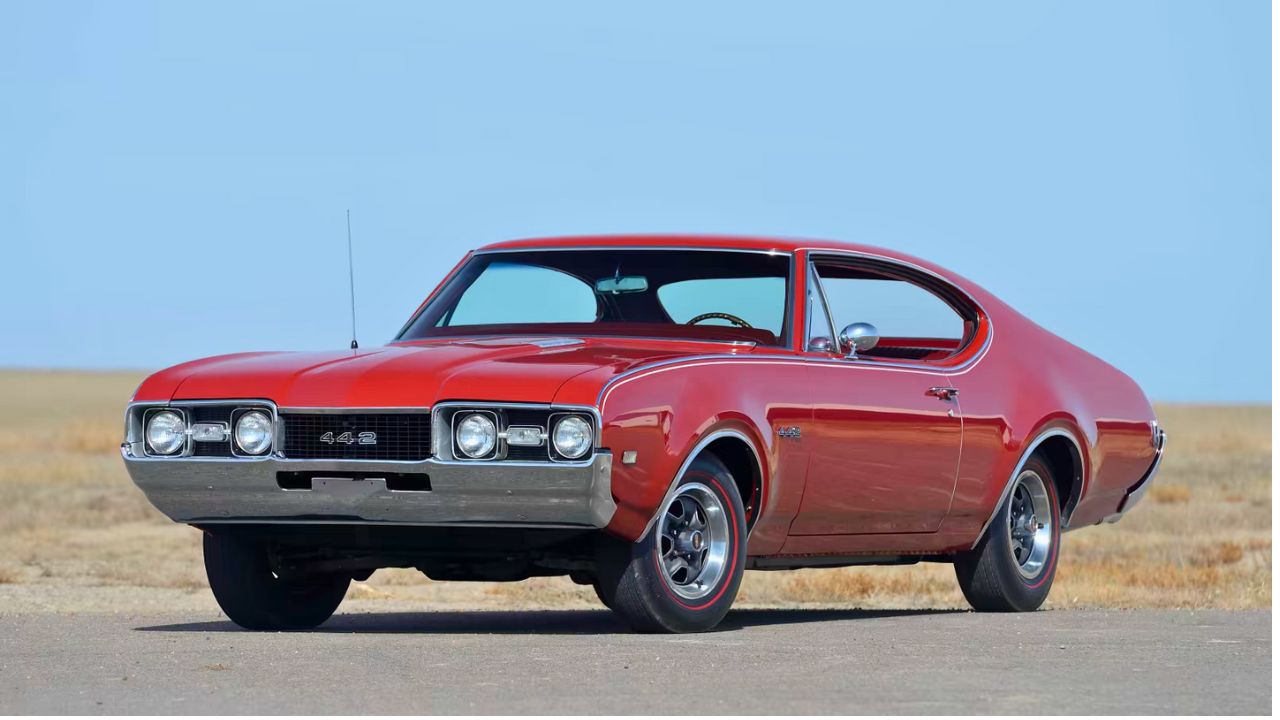
Visually, the ’68 442 struck a balance between muscular and low‑key. Its clean lines, mag wheels, dual exhaust, and blackout grille hinted at performance without screaming for attention. Side stripes and simple 442 badging completed the look.
The Coke‑bottle body panels flowed cleanly into the rear quarters, and the roofline stayed uncluttered by spoilers. Color choices ranged from subtle pastels to deep metallics, so buyers could tailor the car to taste. It wasn’t over‑styled, but it never looked out of place in a crowd of showier rivals.
Interior: Driver‑Focused Comfort

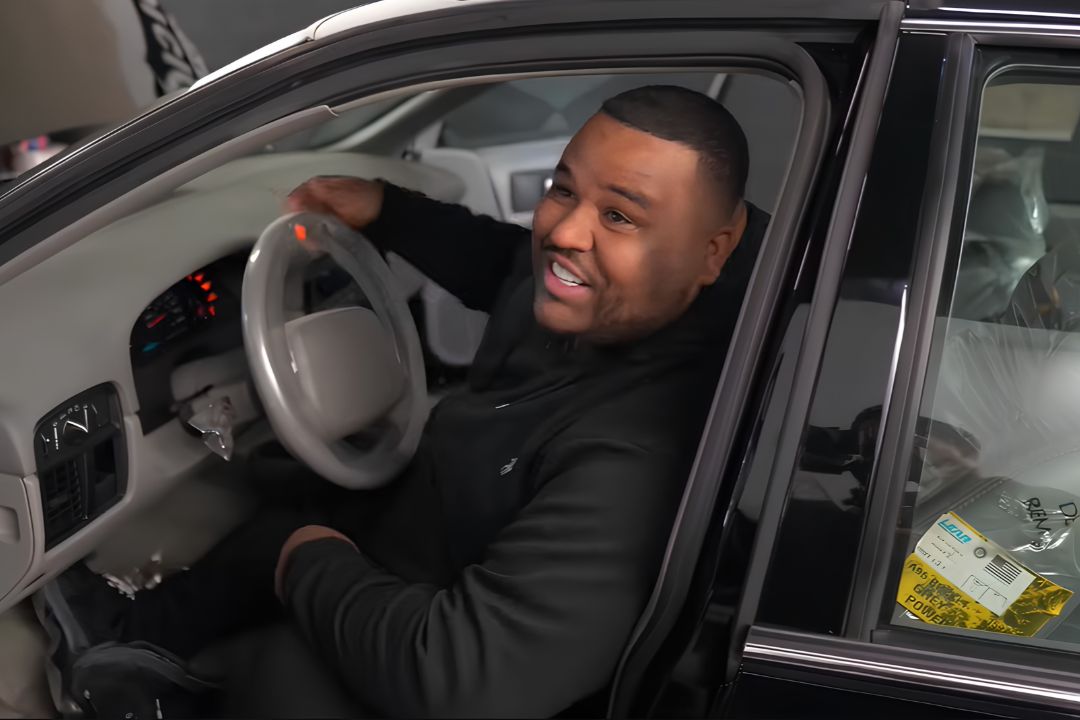
Hop inside and you find high‑back vinyl bucket seats with optional custom cloth inserts—comfortable enough for long drives, yet firm where it counted. The center console housed an array of Rally gauges, including oil pressure and water temperature, plus an optional tachometer mounted directly on the dash.
Materials felt sturdy: thick‑rimmed steering wheel, solid metal trim around vents, and durable carpeting. Unlike some competitors, Olds didn’t skimp on padding or sound deadening, so highway cruising at 70 mph didn’t mean constant drone. It was a cabin built for real‑world miles, not just drag‑strip blasts.
Real‑World Performance Numbers

Stock W‑30 442s could hit 60 mph in mid‑6‑second territory, and the quarter‑mile in low 14s at around 100 mph—respectable for 1968. The factory even offered a “Saddle Pad” drag package: heavier spring rates and a skid bar for straight‑line launches that shaved a few tenths off ETs.
These figures weren’t just paper claims. Period road tests confirmed the 442’s ability to hold consistent times over multiple runs, without overheating or transmission soft‑spots. It was a muscle car that could work a track day and still pack you up for a weekend road trip.
Production Numbers and Rarity

Just under 7,800 Olds 442s rolled off the line in 1968, and only around 1,200 carried the W‑30 package. Compared to millions of Mustangs and Camaros, that makes the ’68 442 a rare sight. Even fewer survive today in original condition.
That scarcity means you won’t see one on every block, and values have climbed steadily—but not so steeply that they’re out of reach for serious hobbyists. Part availability remains fairly strong, too, thanks to Olds‑specific reproduction suppliers and an active owners’ scene.
Legacy and Modern Appeal
Today’s drivers appreciate the 442’s blend of big‑block drama and daily usability. It precedes the era of overly complex electronic aids, so you feel every shift, every bump, and every horsepower pulse. That mechanical honesty resonates in a world of traction control and turbo lag.
Restored examples often feature upgraded cooling, electronic ignition, and period‑correct tires—improvements that keep the car reliable without diluting its character. When you slide behind the wheel, the 1968 Oldsmobile 442 still proves why it earned its “street legend” reputation from the start.
*This article was hand crafted with AI-powered tools and has been car-fully, I mean carefully, reviewed by our editors.