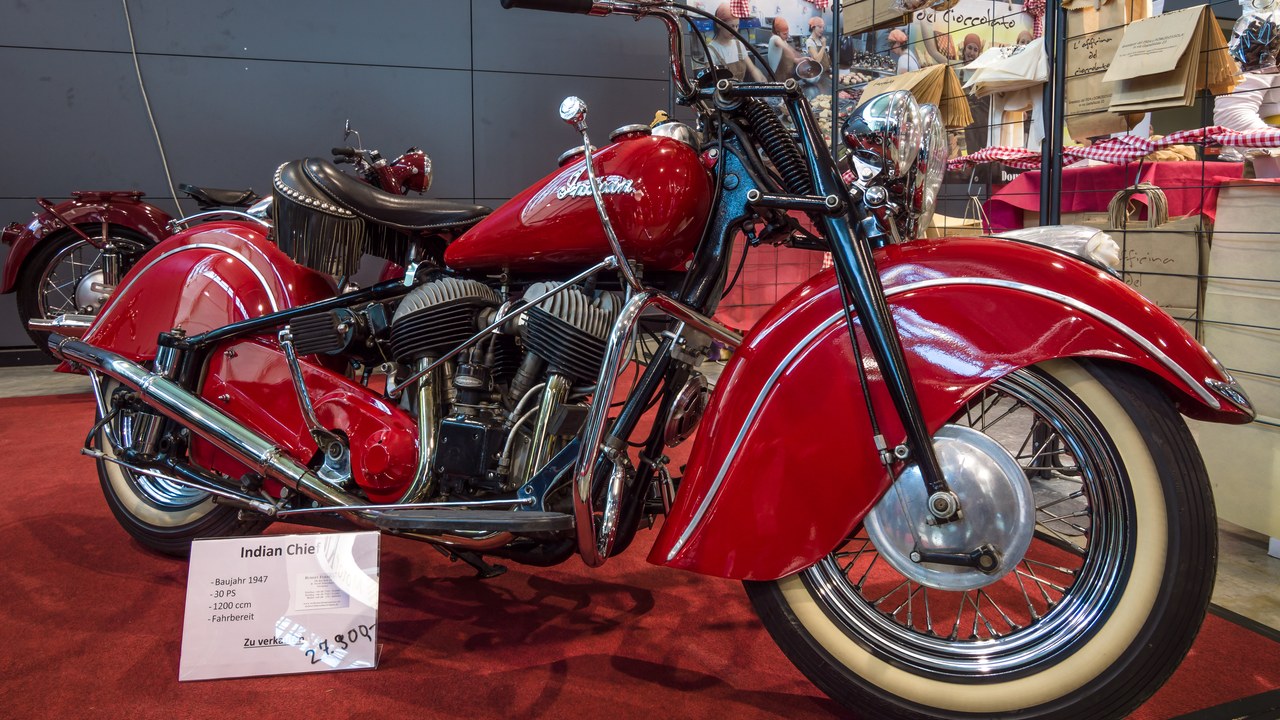
In the world of automobiles, some cars have a knack for surprising enthusiasts and critics alike. These vehicles defy initial skepticism, proving their worth on the road and in the hearts of drivers. From electric innovations to unexpected design choices, each of these cars has left a lasting impression. Let’s explore ten cars that exceeded expectations.
Ford Mustang Mach-E
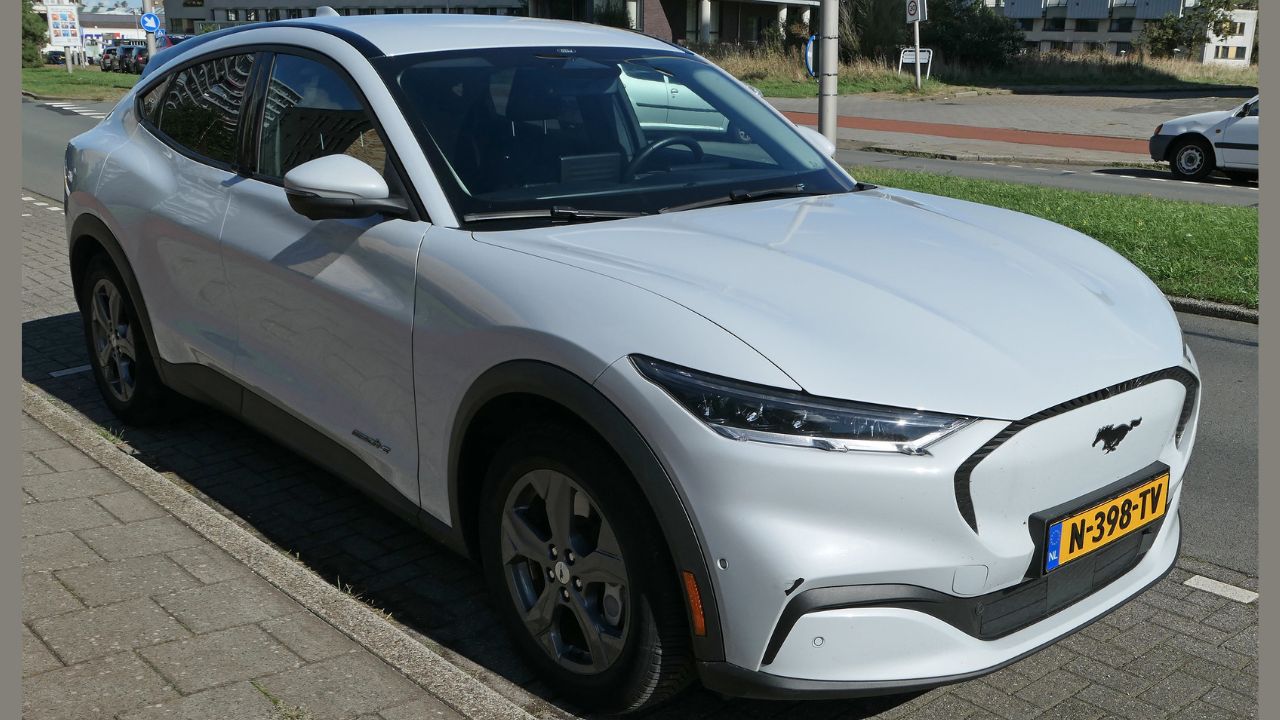
The Ford Mustang Mach-E raised eyebrows when it was first announced. A Mustang as an electric SUV? Enthusiasts were skeptical, fearing a dilution of the iconic muscle car brand. However, the Mach-E has successfully captured the spirit of the Mustang while embracing a sustainable future. With impressive performance metrics and a sleek design, it quickly became a serious contender in the EV market.
Car and Driver praised the 2021 Mach-E for its engaging driving experience and well-appointed interior, proving that Ford could innovate without losing its heritage. It has since become a popular choice for those looking to balance performance with environmental consciousness.
Tesla Model S

When Tesla introduced the Model S in 2012, many doubted the viability of a luxury electric sedan. Could it really compete with established brands like Mercedes and BMW? The Model S quickly shattered those doubts by offering a combination of range, performance, and luxury that was previously unheard of in the electric vehicle market.
Its Ludicrous Mode, which allows the car to accelerate from 0 to 60 mph in under 2.5 seconds, stunned the automotive world. The Model S not only redefined what an electric car could be but also set new standards for performance and innovation.
Porsche Cayenne

In 2002, Porsche took a bold step by introducing the Cayenne, its first SUV. Purists were concerned that this move would undermine the brand’s sports car legacy. Contrary to those fears, the Cayenne went on to become one of Porsche’s best-selling models, helping to secure the company’s financial future.
With the driving dynamics expected from a Porsche and the practicality of an SUV, the Cayenne appealed to a broader audience. Its success demonstrated that the brand could diversify its lineup without sacrificing its core values.
Toyota Prius

The Toyota Prius was a pioneer in hybrid technology when it debuted in 1997. At the time, the concept of a hybrid vehicle was still in its infancy, and many doubted its market potential. However, the Prius proved to be a game-changer, making hybrid technology mainstream.
Its reputation for reliability and fuel efficiency made it a favorite among eco-conscious drivers. The Prius’s success paved the way for the development of more hybrid and electric vehicles, solidifying Toyota’s position as a leader in sustainable mobility.
Honda Ridgeline

When Honda launched the Ridgeline in 2005, it was met with skepticism due to its unconventional design and unibody construction, which deviated from traditional body-on-frame trucks. Critics questioned whether it could compete in the rugged truck segment.
However, the Ridgeline’s innovative features, such as its in-bed trunk and smooth ride, appealed to a niche market of truck buyers looking for versatility and comfort. The Ridgeline has carved out a loyal following, proving that there is room for innovation in the truck market.
BMW X6

Introduced in 2008, the BMW X6 was one of the first vehicles to combine the attributes of an SUV with the sleek lines of a coupe. This fusion of styles initially drew skepticism, as some questioned its practicality and appeal.
Despite the doubts, the X6 found success among buyers seeking a unique blend of luxury and sportiness. Its bold design and performance capabilities have inspired other manufacturers to explore similar crossovers, cementing its place as a trendsetter in the automotive world.
Kia Stinger

The Kia Stinger shook up the automotive industry when it arrived in 2017. Known primarily for economical and practical vehicles, Kia’s foray into the high-performance sedan market was unexpected. The Stinger’s impressive performance, stylish design, and competitive pricing caught the attention of driving enthusiasts.
Auto enthusiasts and critics alike praised the Stinger for its powerful engine options and dynamic handling. It demonstrated Kia’s ability to produce a performance vehicle that can rival more established brands, changing perceptions of the company’s capabilities.
Chevrolet Bolt EV
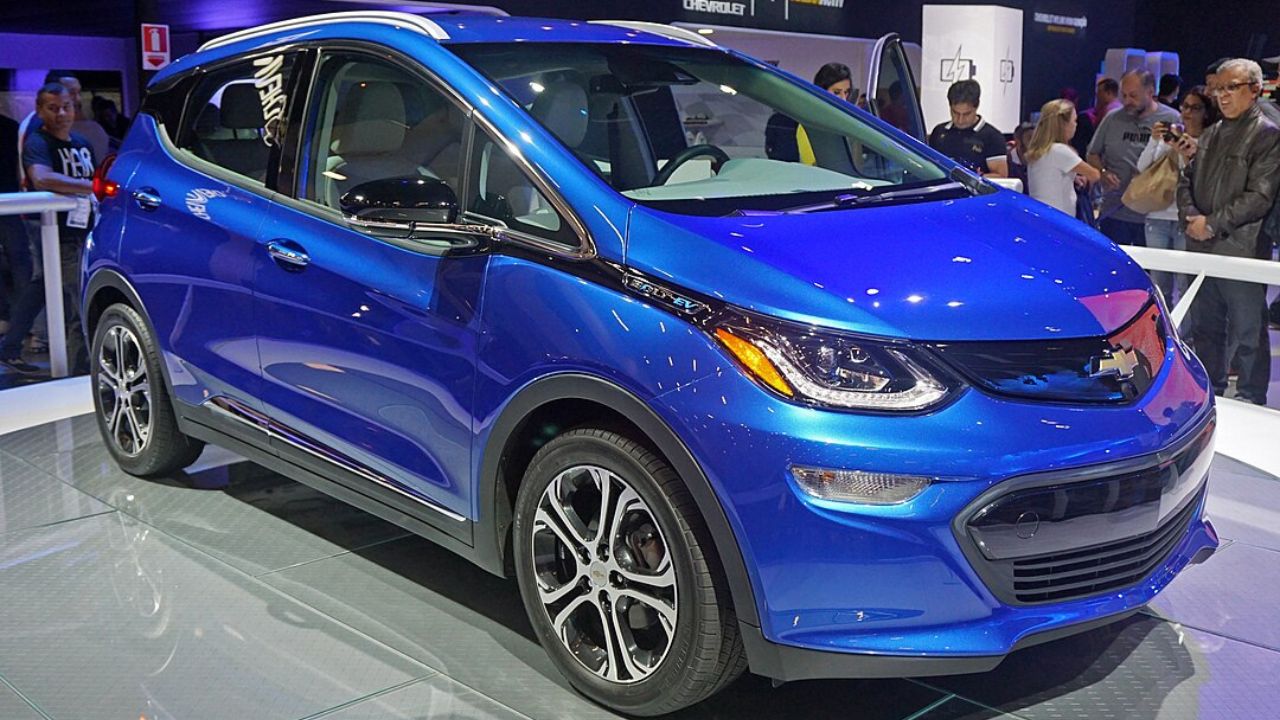
When the Chevrolet Bolt EV was introduced in 2016, it promised an affordable electric vehicle with a range exceeding 200 miles. This was a bold claim at a time when most affordable EVs offered significantly less range. The Bolt EV delivered on its promise and became a popular choice for those seeking an economical entry into the electric vehicle market.
Its practical design and impressive range helped establish Chevrolet as a serious player in the EV space. The Bolt EV’s success encouraged other manufacturers to accelerate their electric vehicle programs, further advancing the industry’s shift towards sustainability.
Jaguar I-PACE
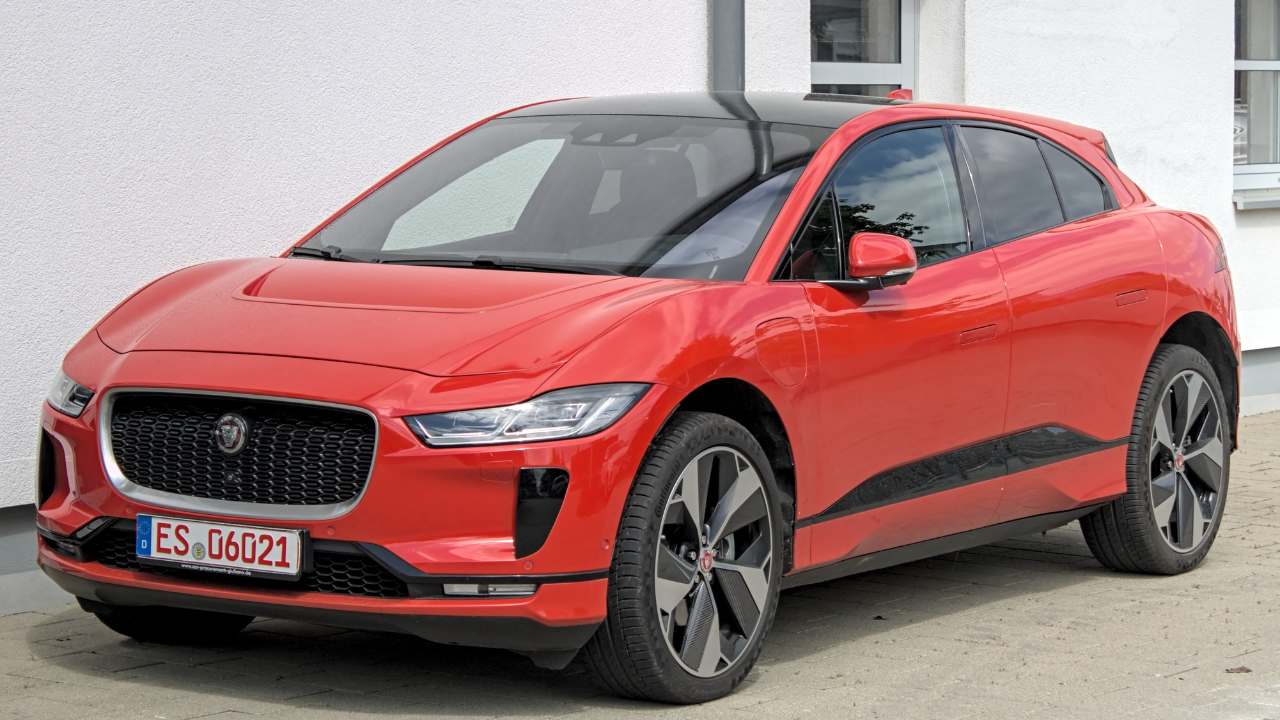
Jaguar’s entry into the electric vehicle market with the I-PACE was met with intrigue and skepticism. Could a brand known for luxury and performance successfully produce an electric SUV? The I-PACE exceeded expectations by delivering a vehicle that combined Jaguar’s trademark elegance with cutting-edge electric technology.
The I-PACE’s impressive performance, range, and design earned it numerous awards, including the 2019 World Car of the Year. It showcased Jaguar’s commitment to innovation and set a new standard for electric luxury SUVs.
Hyundai Genesis

When Hyundai launched the Genesis sedan in 2008, it aimed to break into the luxury car market dominated by established brands. Critics questioned whether Hyundai could deliver a vehicle that met the high standards of luxury car buyers. However, the Genesis impressed with its blend of quality, performance, and value.
The success of the Genesis led to the creation of Hyundai’s luxury arm, Genesis Motors, which continues to produce vehicles that compete with top-tier luxury brands. The Genesis sedan’s achievements underscored Hyundai’s ability to challenge the status quo and succeed in a competitive market.
More from Fast Lane Only