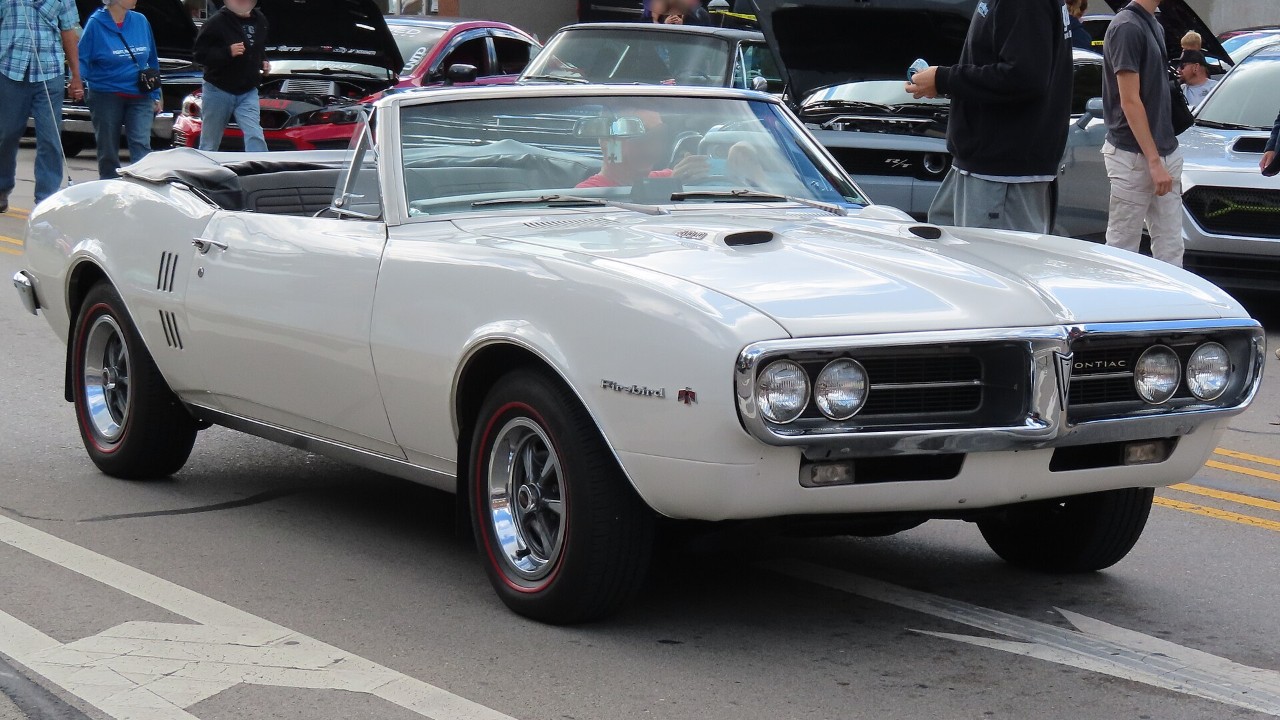
The 1980s marked a major transition in the automotive world. Electronics, fuel injection, turbocharging, computer-controlled systems, and new manufacturing techniques began changing how cars were designed and driven. These ten automobiles demonstrated how quickly technology was transforming the industry.
Buick Grand National
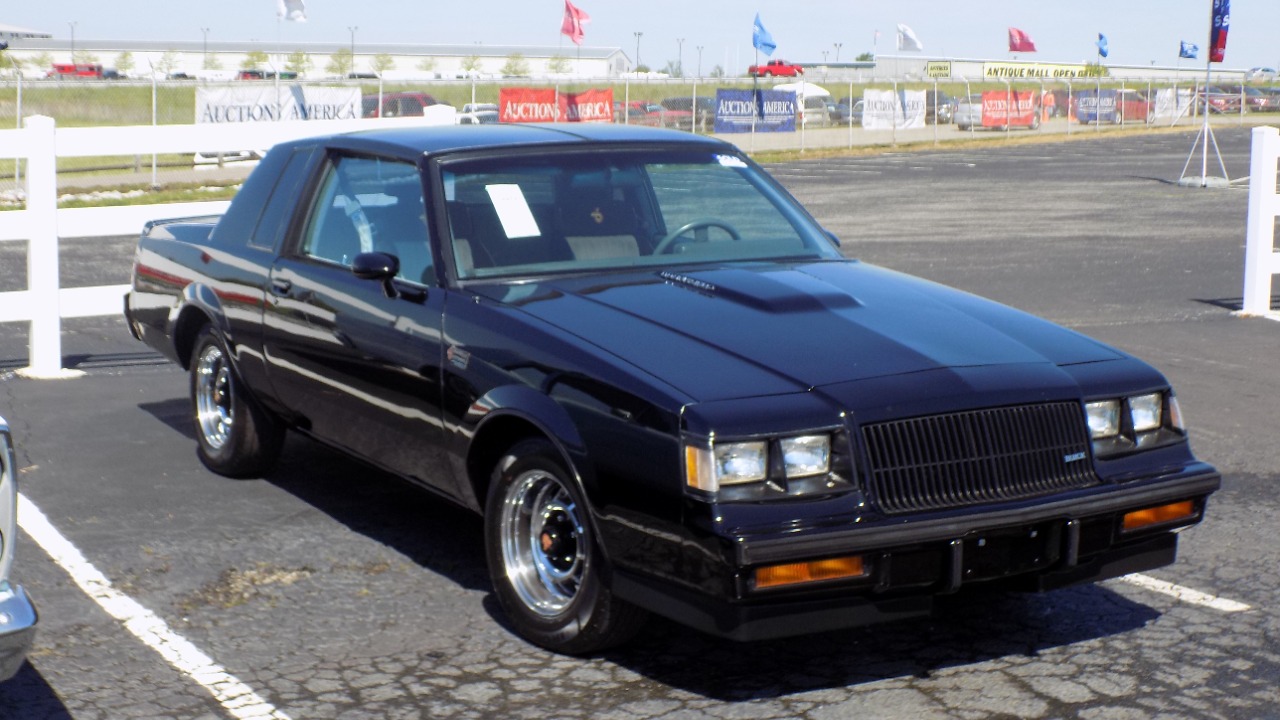
The Buick Grand National showed that advanced turbocharging could make a relatively understated American coupe extraordinarily quick. Its turbocharged and intercooled V6 delivered impressive performance while avoiding the massive displacement traditionally associated with American muscle. Electronic engine management also played an important role. The Grand National demonstrated that the future of performance would increasingly depend on technology rather than displacement alone.
Toyota Supra
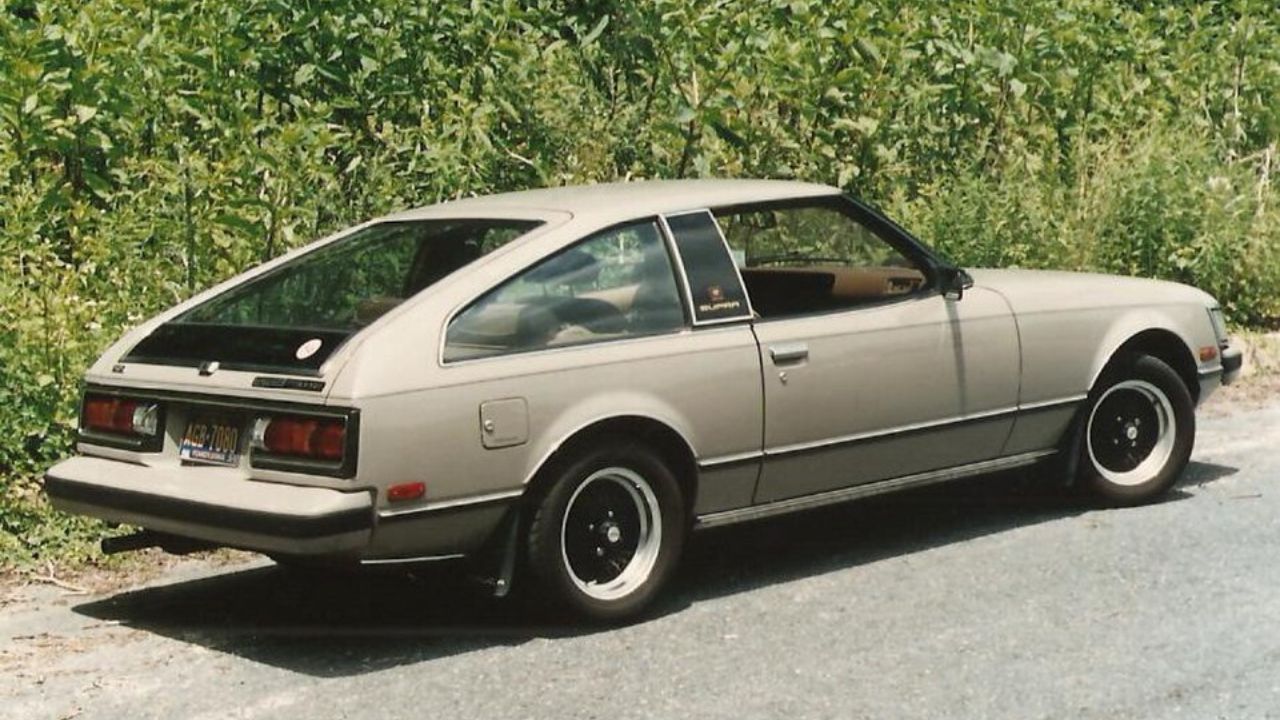
The Toyota Supra became increasingly sophisticated during the 1980s, particularly with the introduction of turbocharging and electronically controlled systems. Its combination of an inline-six engine, rear-wheel drive, and advanced performance technology showed how Japanese manufacturers were challenging established assumptions about sports cars. The Supra’s development during the decade foreshadowed the highly engineered performance cars of the 1990s.
Porsche 959
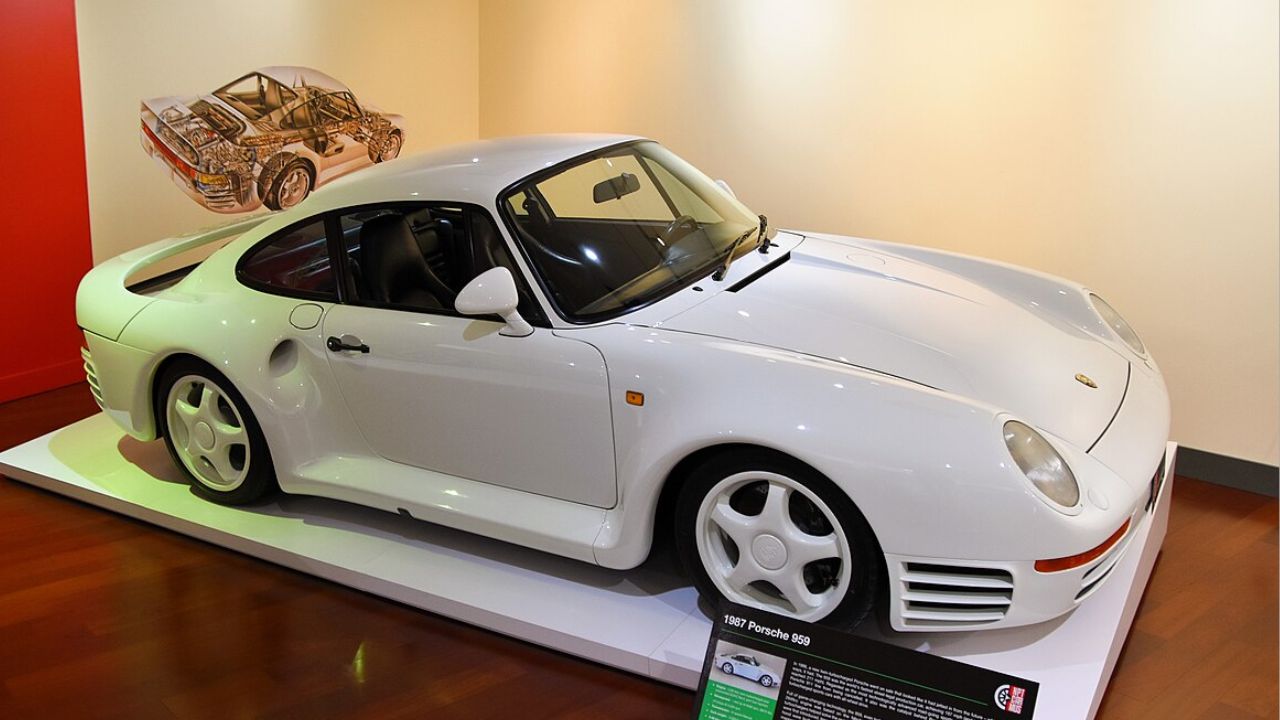
The Porsche 959 represented one of the most technologically advanced performance cars of the 1980s. Its twin-turbocharged flat-six, all-wheel-drive system, advanced suspension, and lightweight materials pushed road-car engineering into new territory. Porsche developed many of its technologies through motorsport. The 959 demonstrated that sophisticated electronics and computer-controlled systems could dramatically improve performance and traction.
Audi Quattro
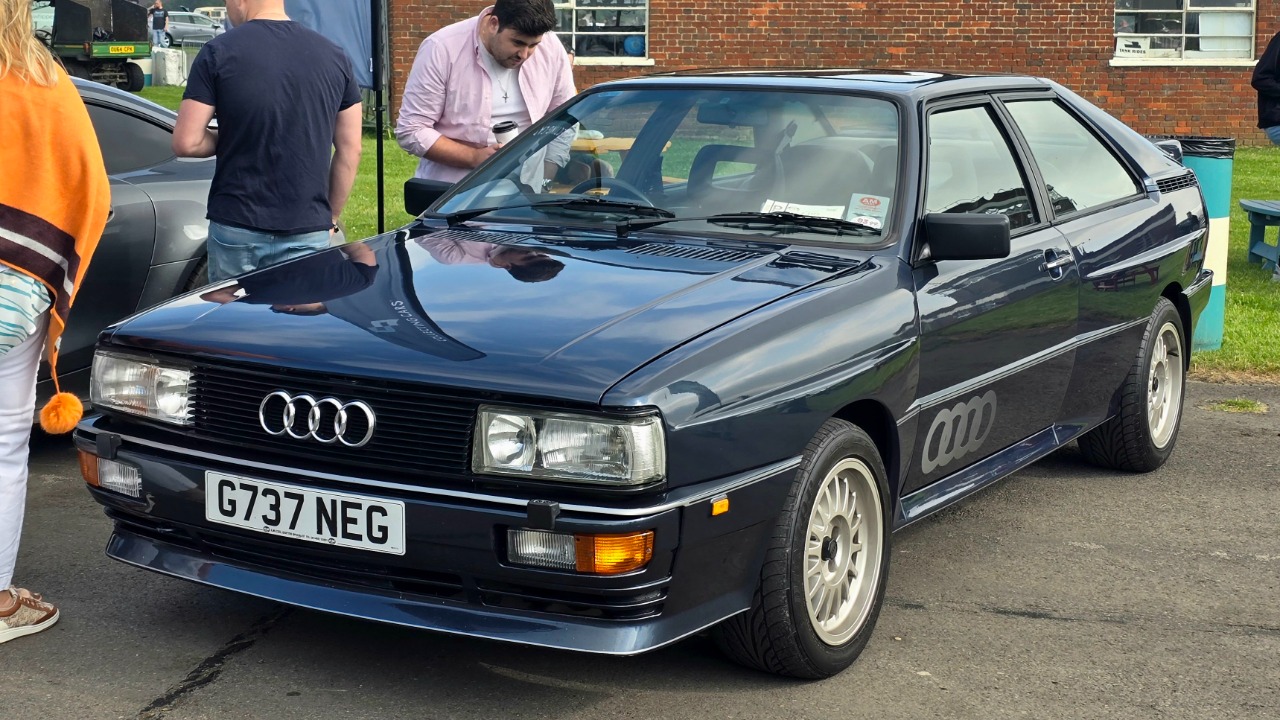
The Audi Quattro changed performance-car thinking by demonstrating the advantages of all-wheel drive on the road and in competition. Its turbocharged five-cylinder engine and advanced drivetrain provided remarkable traction, particularly on loose surfaces. Rally success made the technology famous worldwide. The Quattro helped establish all-wheel drive as a serious performance technology rather than simply a utility feature.
Ferrari F40
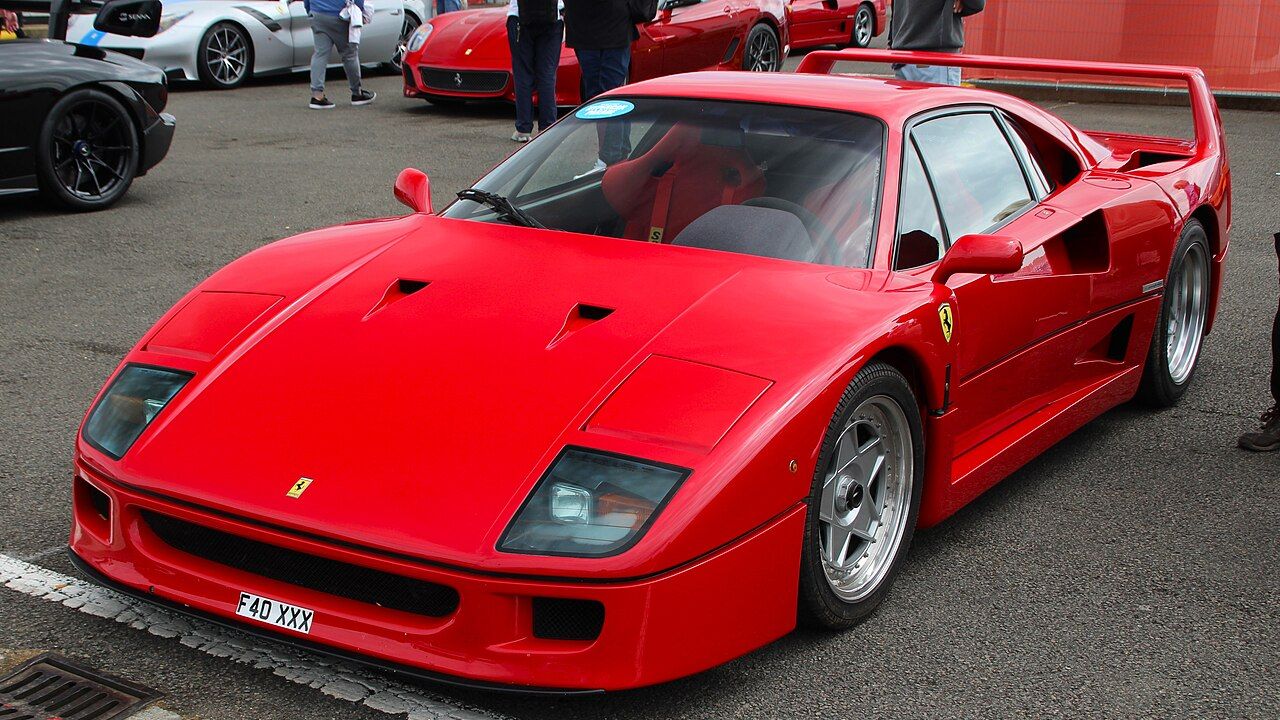
The Ferrari F40 represented a different technological philosophy, focusing heavily on lightweight construction and turbocharged power. Its twin-turbocharged V8, composite body panels, and stripped-down interior created an intense driving experience. Although it avoided excessive electronic assistance, the F40 demonstrated how modern materials and turbocharging could produce extraordinary performance from a relatively small engine.
Ford Taurus
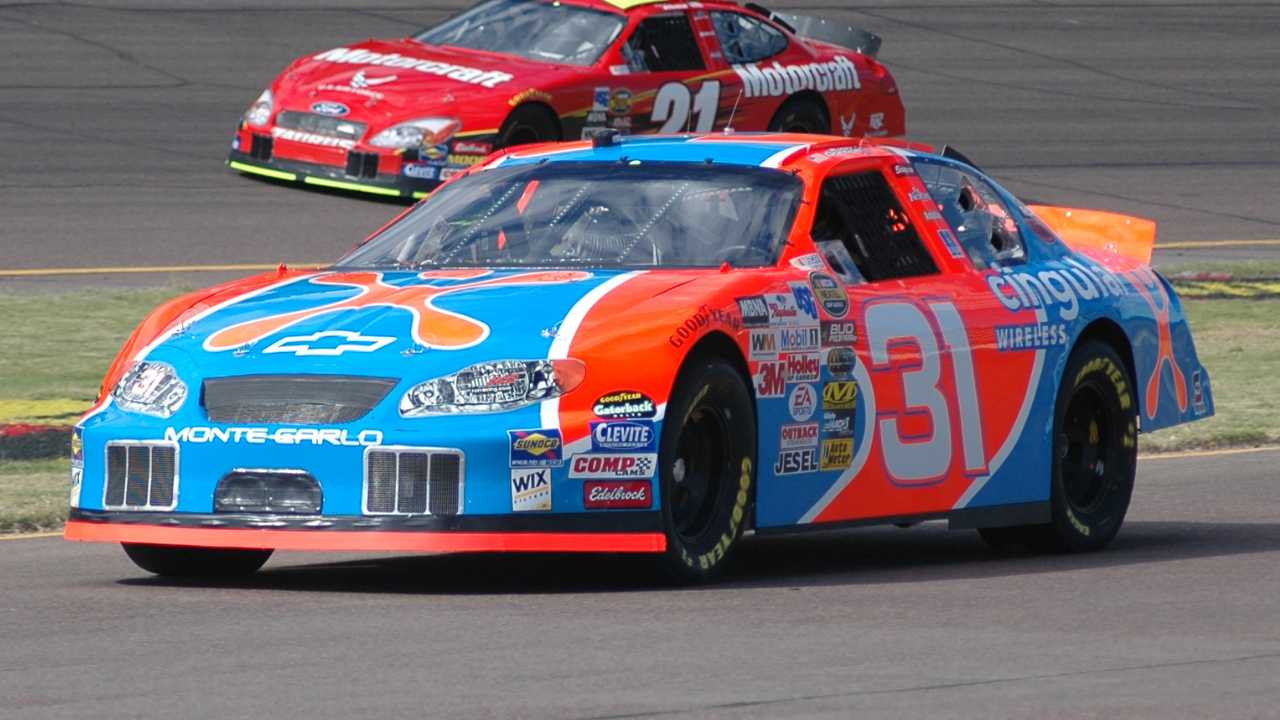
The Ford Taurus represented technological and design changes in mainstream American automobiles. Its aerodynamic shape, front-wheel-drive platform, and modern packaging looked radically different from traditional Ford sedans. Electronic systems and computerized engine controls also became increasingly important. The Taurus demonstrated that technological change was not limited to exotic sports cars.
Chevrolet Corvette C4
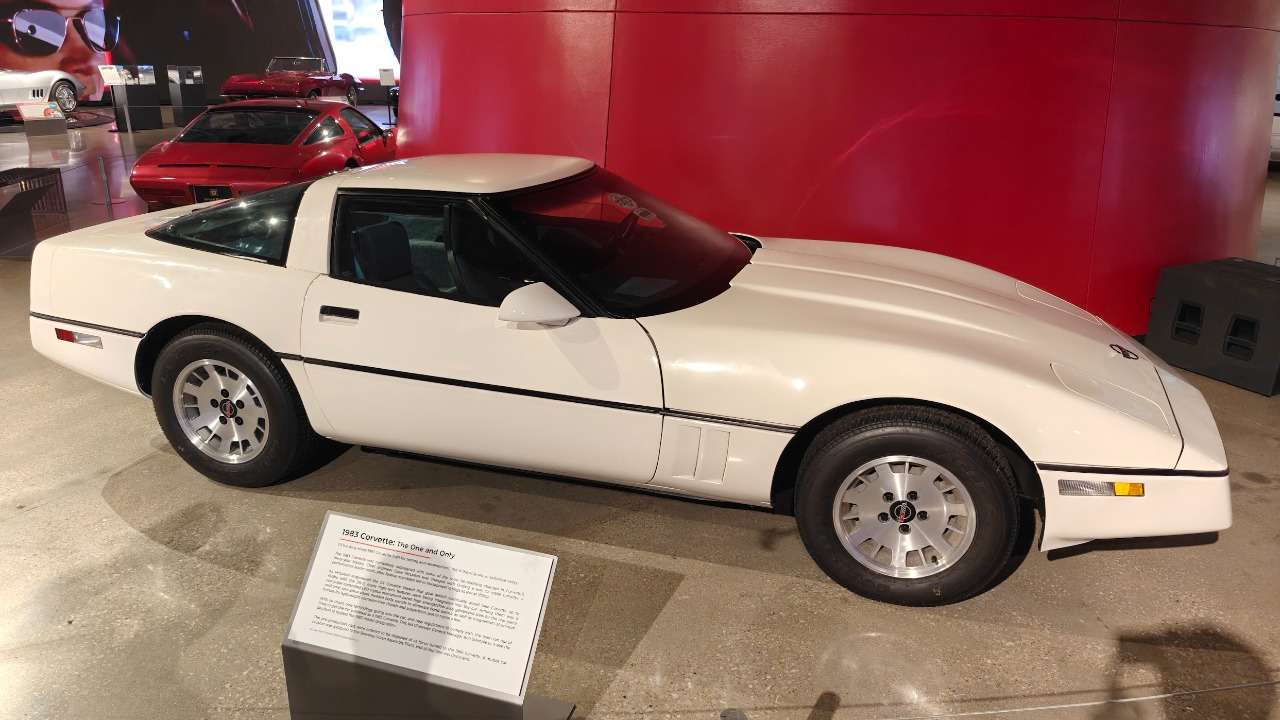
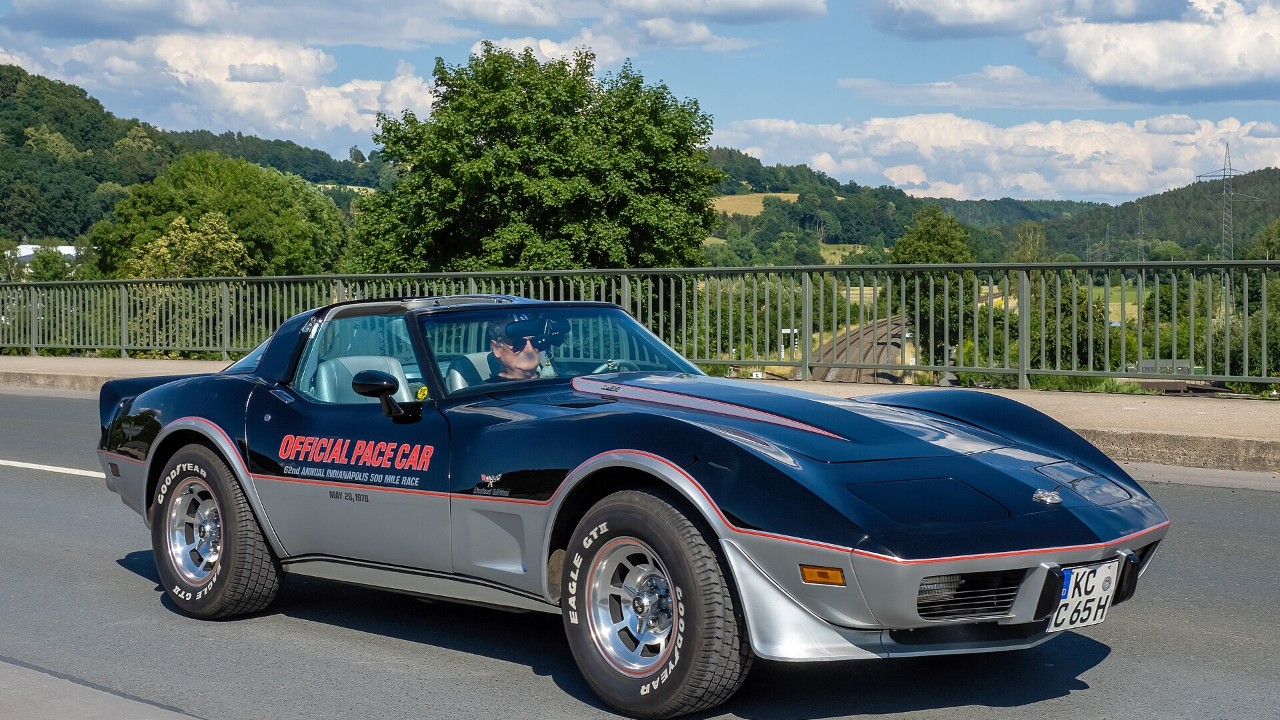
The fourth-generation Chevrolet Corvette brought modern electronics, digital displays, fuel injection, and improved chassis engineering into America’s most famous sports car. Its aerodynamic body looked dramatically different from the previous generation. Later versions gained increasingly sophisticated engine-management systems and performance technology. The C4 showed how quickly computerization was becoming part of mainstream performance cars.
BMW M3
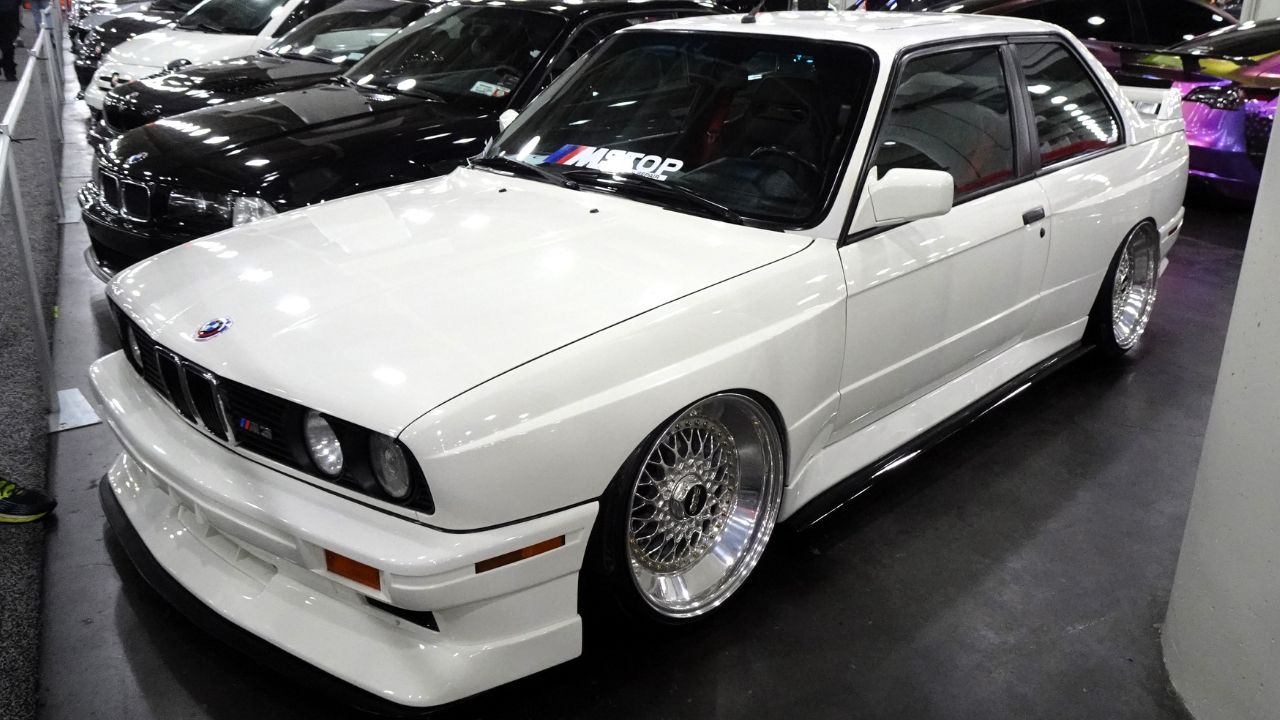
The original BMW M3 demonstrated how motorsport technology could be adapted into a road-going performance car. Its high-revving four-cylinder engine, lightweight body, aerodynamic improvements, and carefully tuned suspension created a focused driving machine. The M3 helped establish a new standard for compact performance sedans and coupes. Its success influenced the development of many later sport-oriented models.
Mercedes-Benz 190E 2.3-16
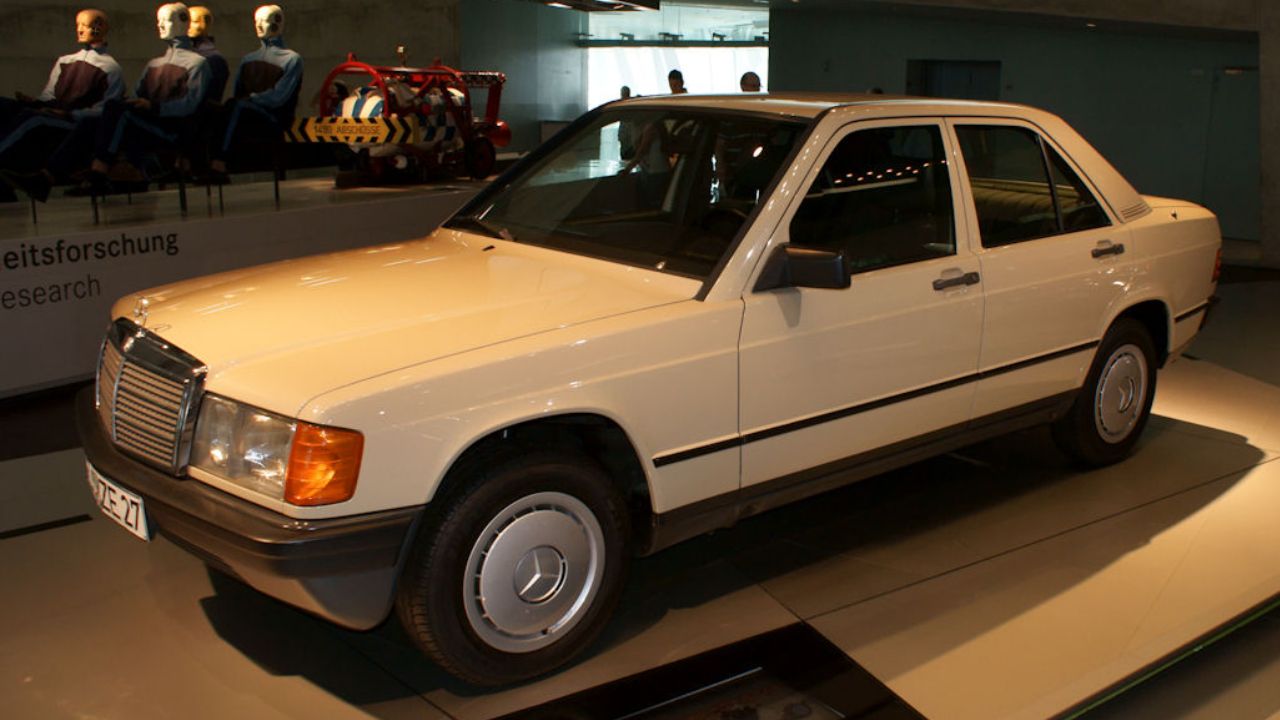
The Mercedes-Benz 190E 2.3-16 combined everyday practicality with sophisticated performance engineering. Its Cosworth-developed cylinder head, multi-valve engine, sport suspension, and advanced drivetrain demonstrated how technology could improve a relatively compact sedan. The car also served as the foundation for Mercedes-Benz’s motorsport ambitions. It showed that high-performance engineering could be integrated into a practical road car.
Toyota MR2
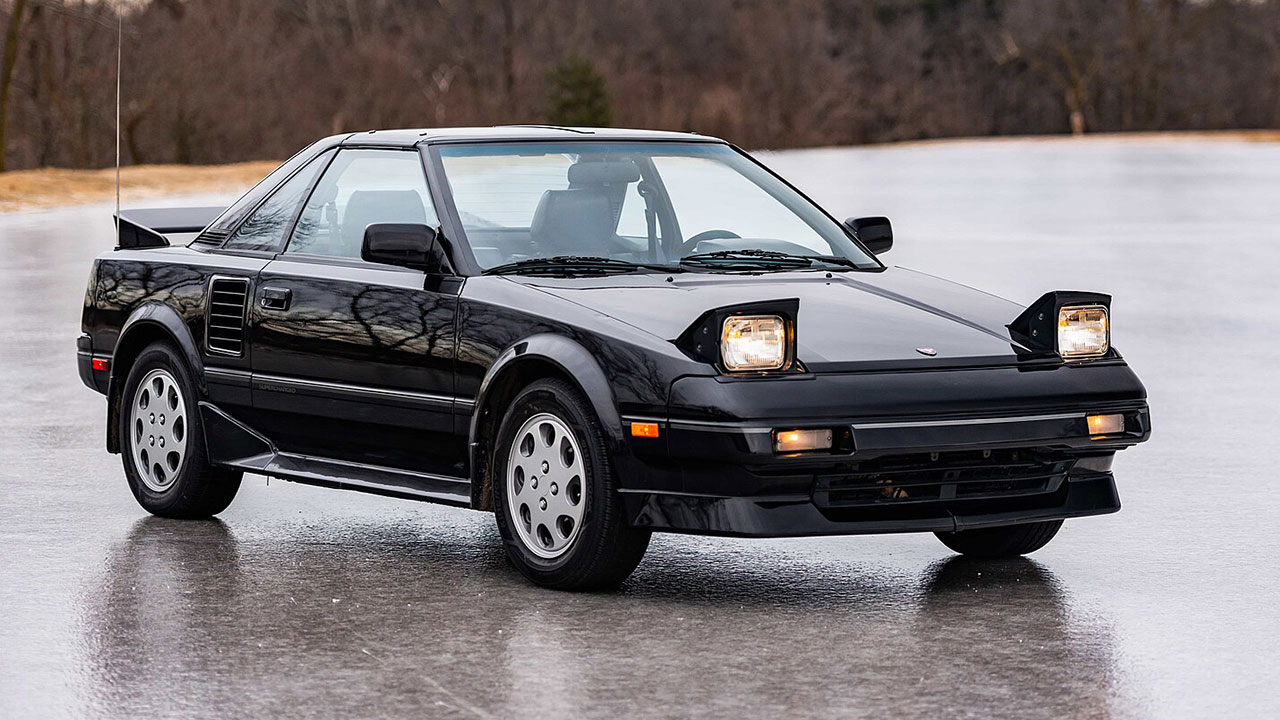
The Toyota MR2 brought mid-engine sports-car engineering to a much broader audience. Its compact dimensions, lightweight construction, fuel-injected engine, and centrally located powertrain produced impressive handling without exotic pricing. Later supercharged versions added another layer of performance technology. The MR2 demonstrated that sophisticated chassis design could make an affordable sports car genuinely exciting.
More from Fast Lane Only
- Unboxing the WWII Jeep in a Crate
- 15 rare Chevys collectors are quietly buying
- 10 underrated V8s still worth hunting down
- Police notice this before you even roll window down
*Research for this article included AI assistance, with all final content reviewed by human editors