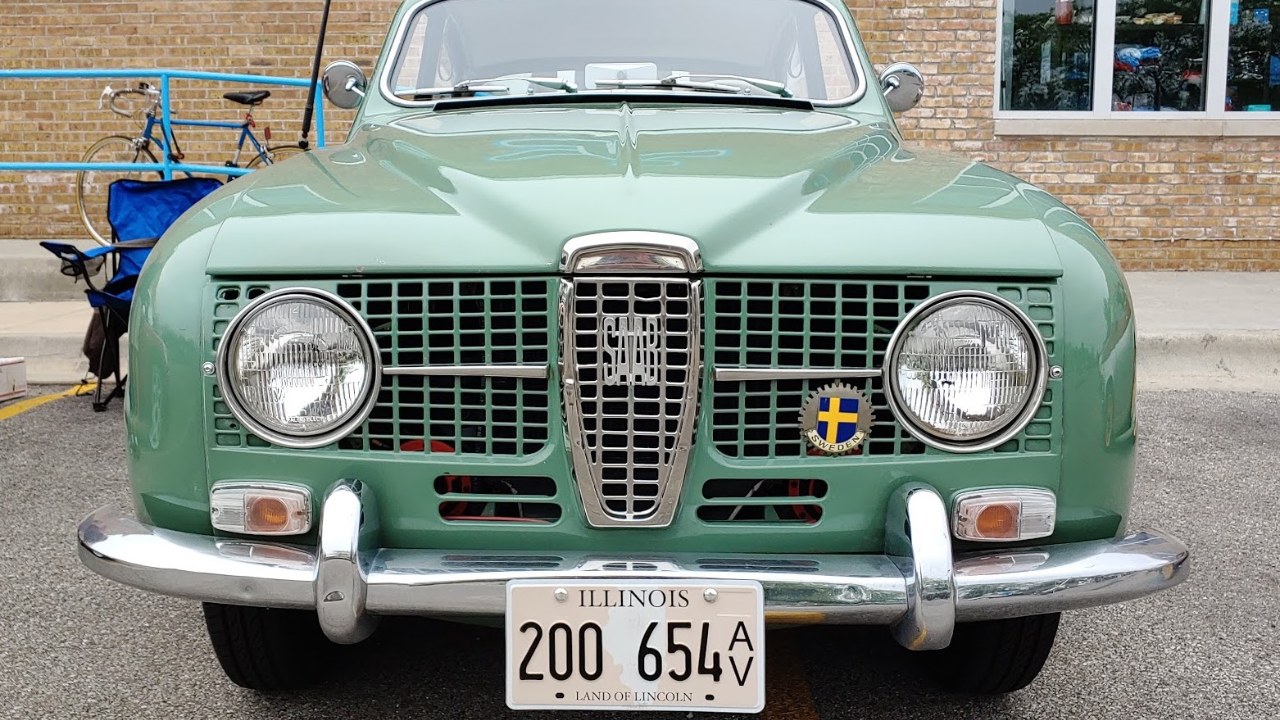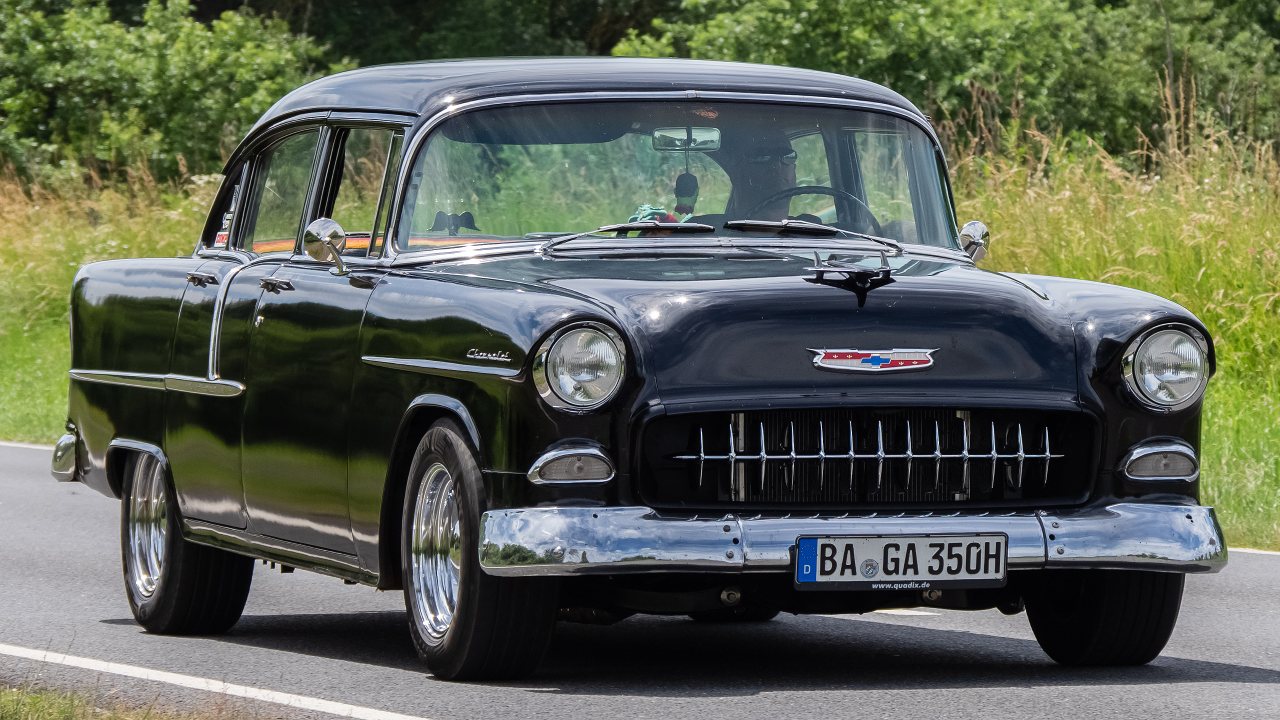
The 1950s brought a powerful sense of optimism to the American automobile industry. Rising prosperity allowed more families to buy new cars, while manufacturers competed with larger bodies, brighter colors, powerful engines, and increasingly luxurious interiors. These vehicles reflected a period when owning an impressive automobile became a visible symbol of comfort, success, freedom, and progress.
Chevrolet Bel Air
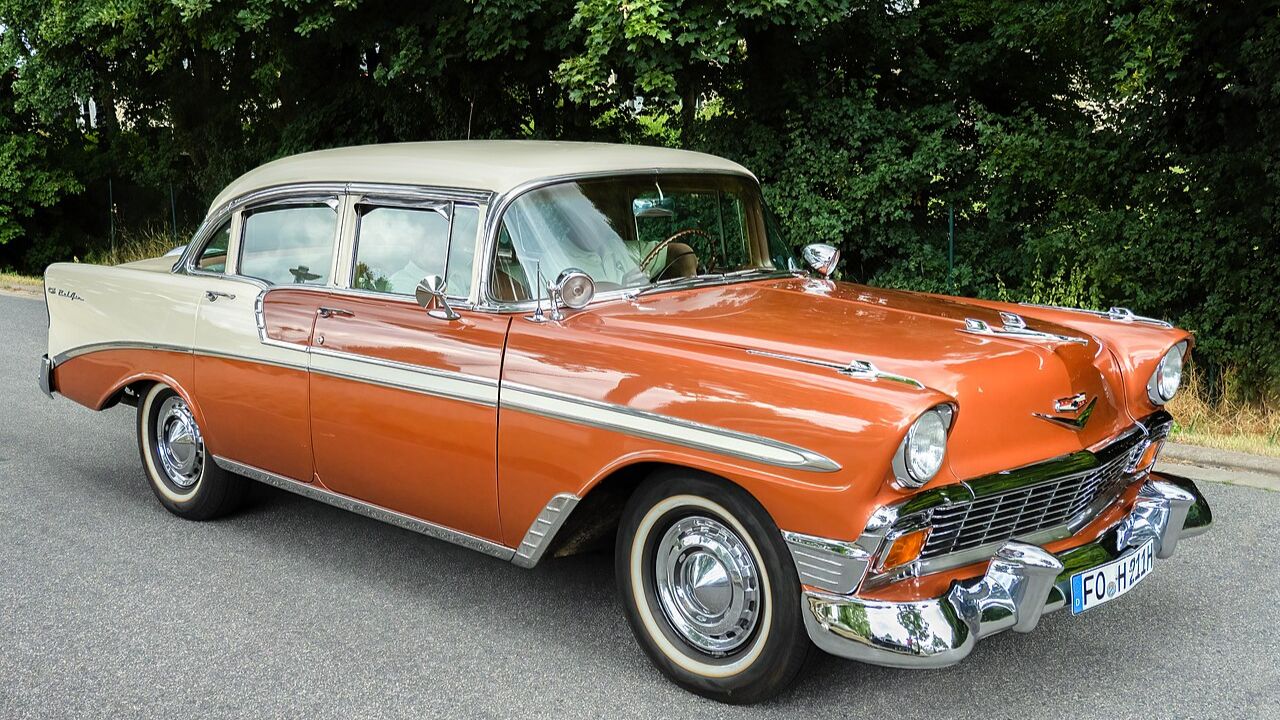
The Chevrolet Bel Air became one of the clearest symbols of 1950s American prosperity. Its sweeping chrome, two-tone paint schemes, tailfins, and spacious interior reflected a growing appetite for stylish and comfortable transportation. V8 power added performance to the package, while the wide range of available equipment allowed buyers to personalize their cars. The Bel Air represented more than practical transportation; it showed how ordinary American families could increasingly afford automobiles that looked and felt genuinely luxurious.
Cadillac Eldorado
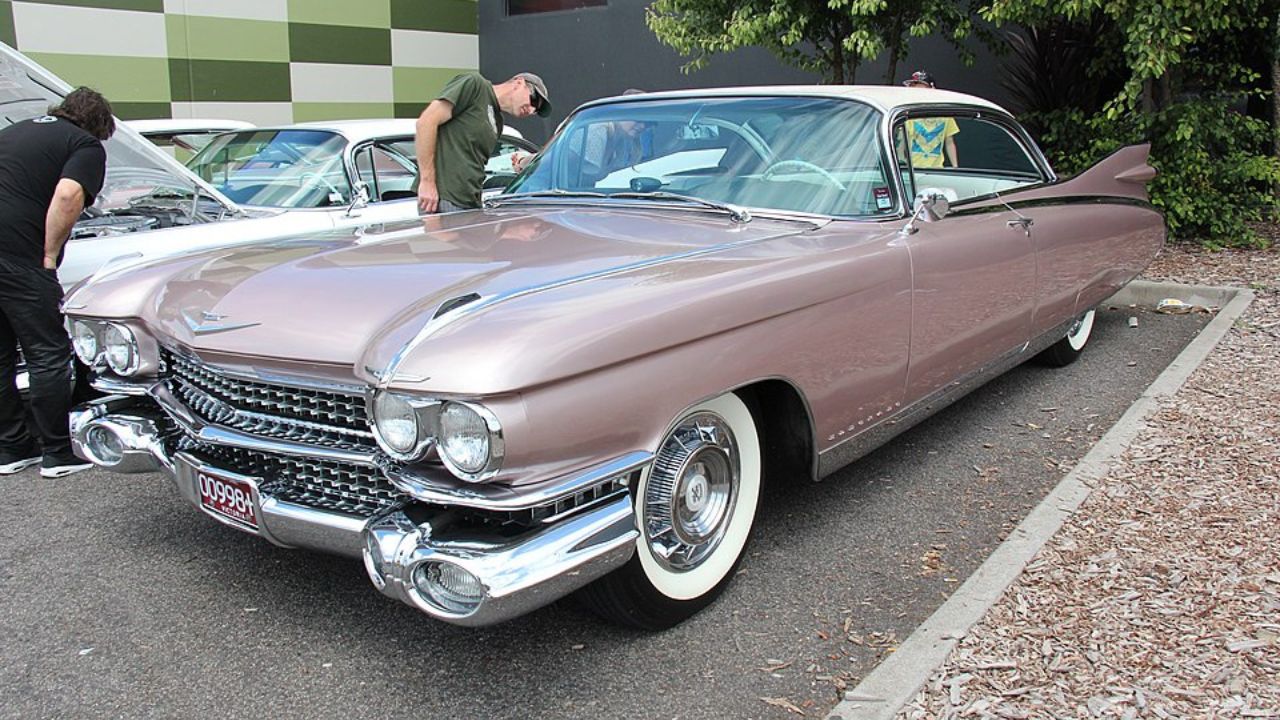
The Cadillac Eldorado represented the highest level of automotive extravagance available to many wealthy American buyers during the 1950s. Its enormous chrome grille, sweeping bodywork, lavish interior, and powerful V8 engine communicated status from every angle. Cadillac used the Eldorado to showcase new styling ideas and luxury features, turning it into a rolling demonstration of prosperity. Its dramatic appearance perfectly matched a decade when Americans increasingly associated a new automobile with personal success and social progress.
Ford Thunderbird
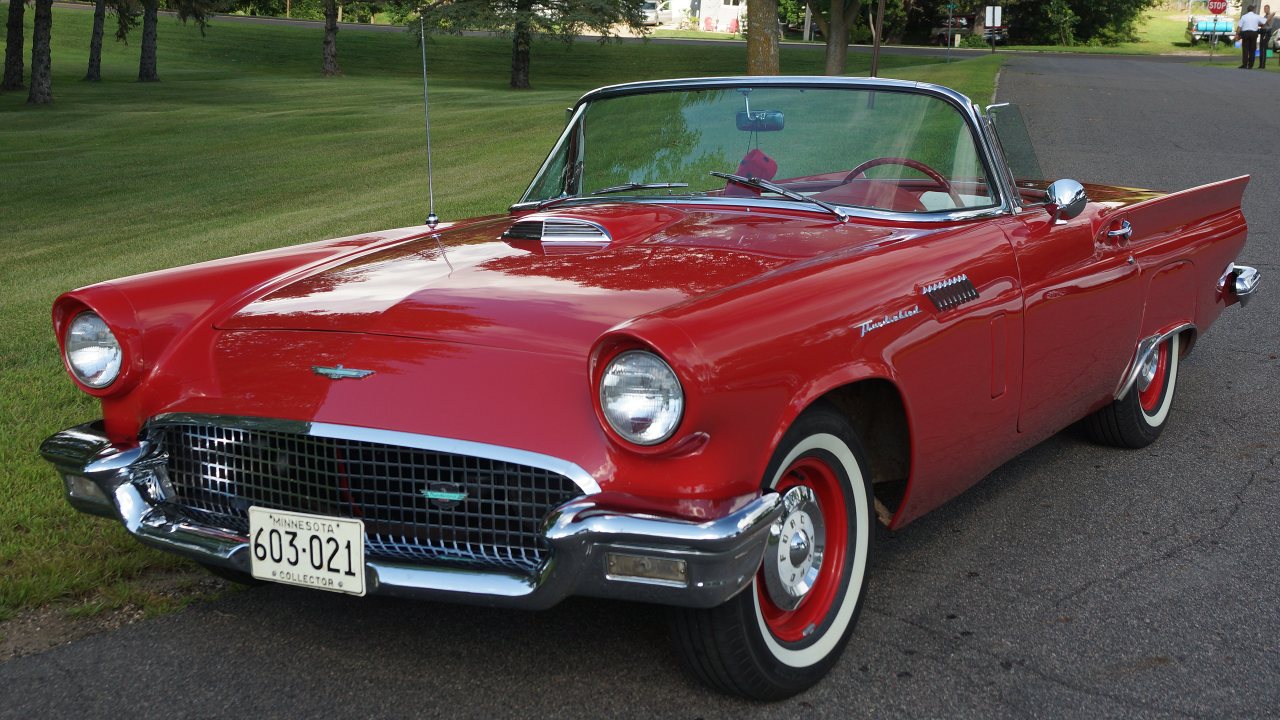
The Ford Thunderbird introduced a more personal interpretation of American prosperity. Instead of being an enormous family sedan, it offered two-seat styling, V8 performance, and a level of comfort that made it appealing to buyers seeking something more exclusive. Its elegant proportions and removable roof options created a glamorous image without requiring exotic European machinery. The Thunderbird quickly became a symbol of youthful success and leisure, demonstrating that prosperity could also be expressed through a stylish personal automobile.
Chrysler 300
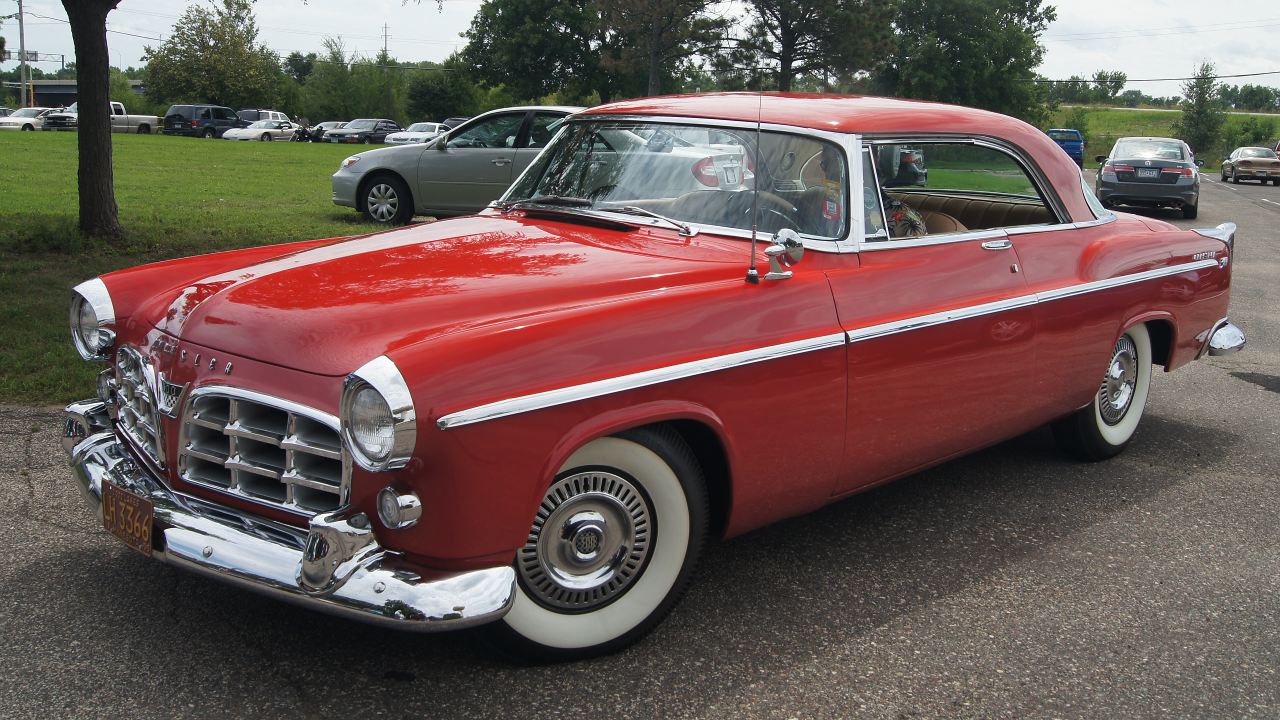
The Chrysler 300 brought genuine performance into the world of American luxury cars. Its powerful Hemi V8, bold grille, and imposing proportions made it one of the most exciting high-performance automobiles of the decade. At the same time, its comfortable interior and upscale presentation allowed owners to enjoy speed without giving up luxury. The 300 reflected a growing belief that prosperity meant having everything at once: comfort, style, technology, and enough horsepower to make the car genuinely thrilling.
Buick Roadmaster
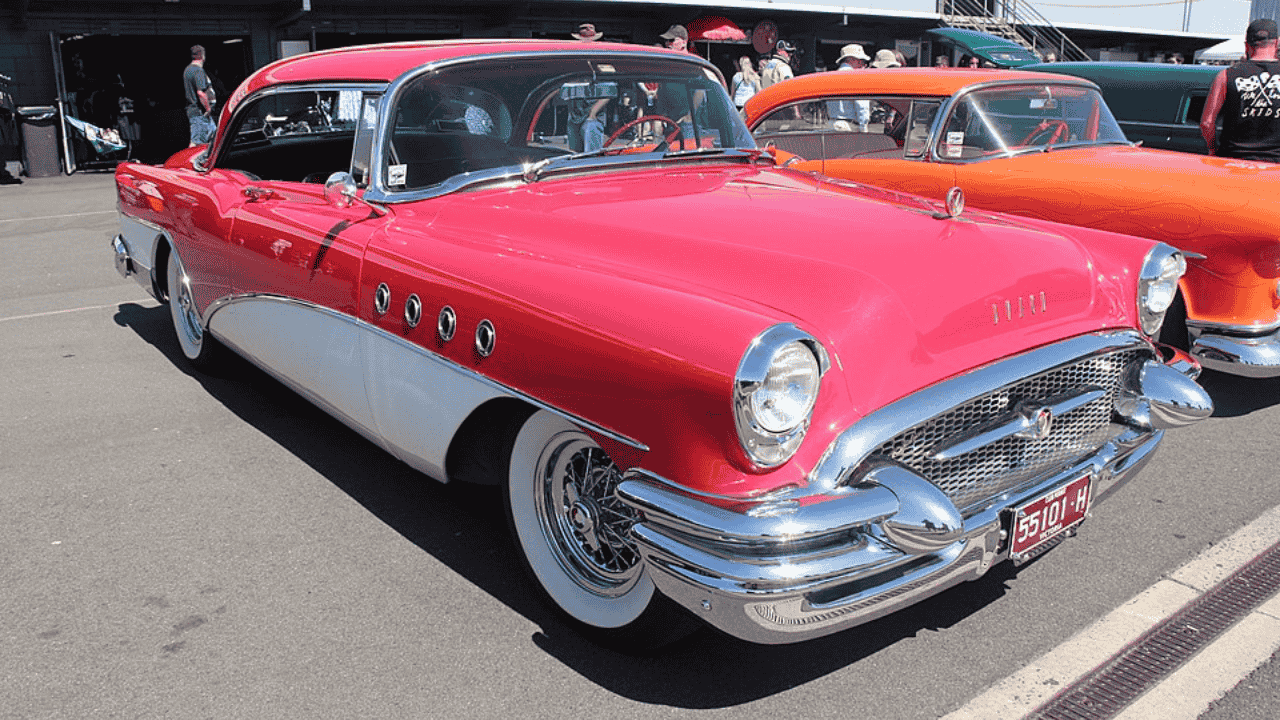
The Buick Roadmaster represented the growing importance of comfort and prestige in postwar American transportation. Its large body, substantial chrome, smooth ride, and powerful engine created an unmistakable impression of abundance. Buick positioned itself between mainstream and luxury brands, giving successful middle-class buyers access to a more upscale automobile. The Roadmaster therefore captured an important part of 1950s prosperity: families increasingly wanted cars that were not merely reliable transportation but visible evidence that their financial situation had improved.
Oldsmobile 88
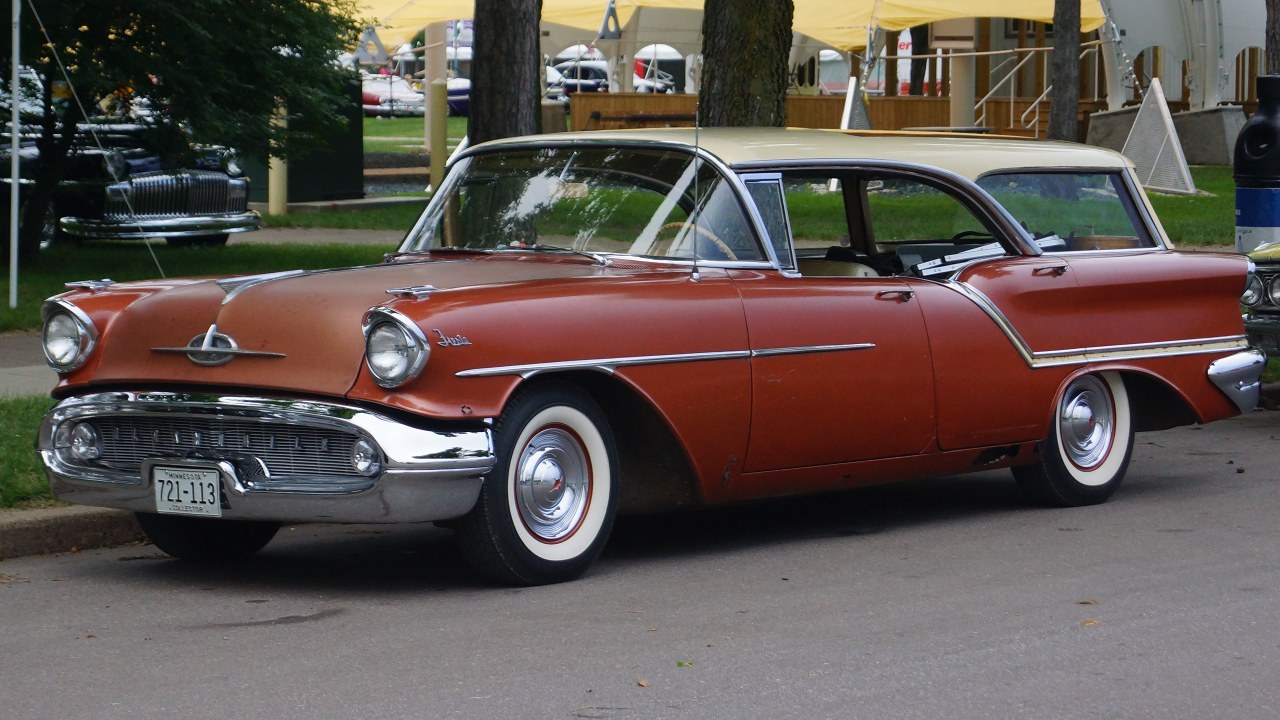
The Oldsmobile 88 combined relatively affordable pricing with strong V8 performance and increasingly sophisticated styling. Its Rocket V8 gave the car an energetic character, while its broad body and extensive chrome reflected contemporary tastes. The 88 became popular with buyers who wanted more performance and prestige without moving into the most expensive luxury brands. Its success demonstrated how postwar consumers were gaining access to increasingly powerful and stylish automobiles across a wider range of prices.
Pontiac Star Chief
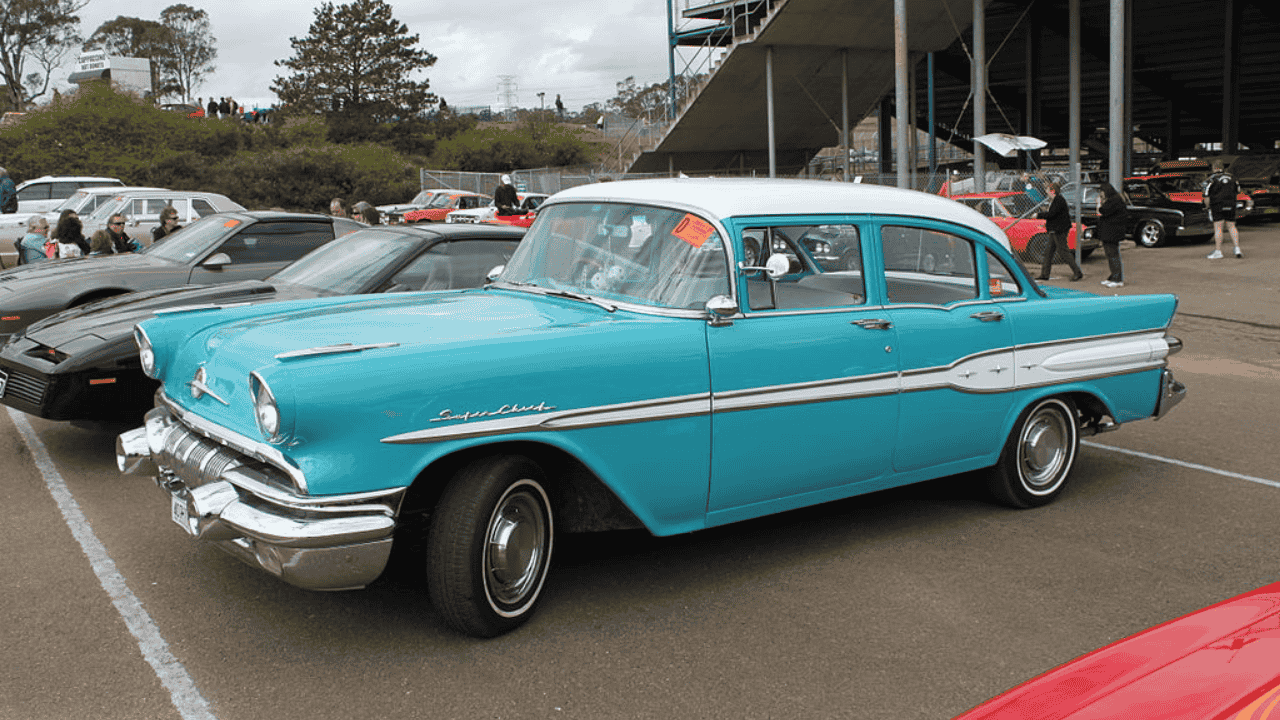
The Pontiac Star Chief captured the dramatic styling trends that defined the middle of the 1950s. Its long body, extensive chrome, large fins, and colorful paint combinations made it visually impressive in an era fascinated with futuristic design. Inside, buyers could enjoy increasingly comfortable cabins and available luxury features. The Star Chief reflected the belief that a successful family deserved a large, attractive automobile, making it a strong representation of the decade’s growing consumer confidence.
Packard Caribbean
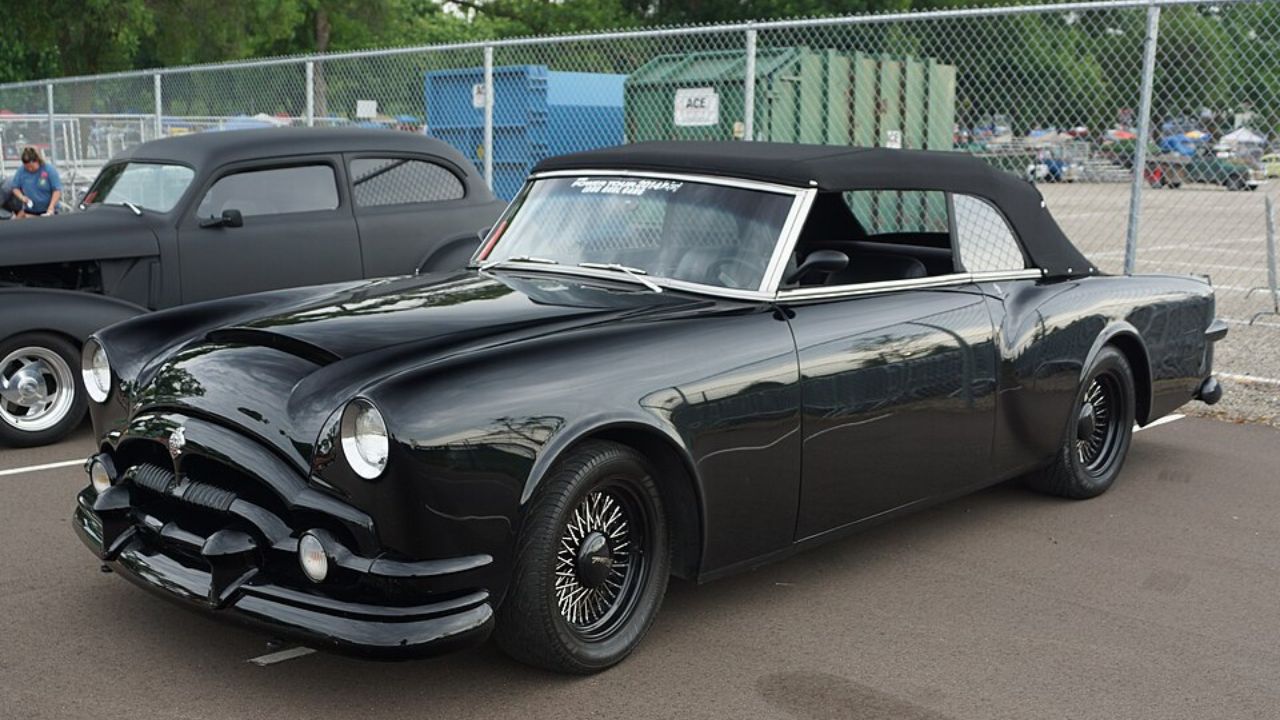
The Packard Caribbean was designed for buyers who wanted exclusivity, luxury, and dramatic styling. Its distinctive color combinations, abundant chrome, sophisticated interior, and powerful engine separated it from ordinary family cars. Packard used the Caribbean to showcase its most glamorous ideas during a period when American luxury manufacturers competed intensely for prosperous customers. Although Packard eventually struggled financially, the Caribbean remains an excellent example of how 1950s buyers associated automotive ownership with elegance, individuality, and financial achievement.
Lincoln Continental
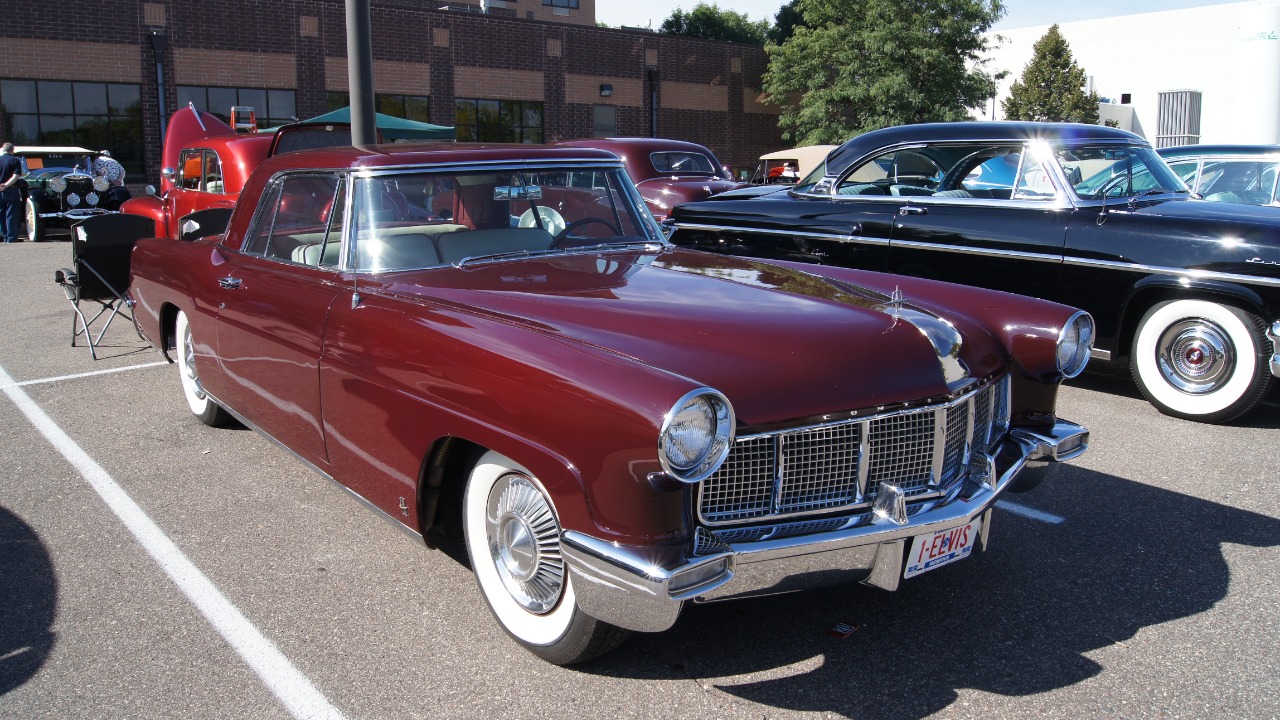
The Lincoln Continental represented a more restrained form of 1950s luxury. Its clean lines, long proportions, powerful V8, and spacious interior created an image of sophistication rather than excessive decoration. The Continental appealed to buyers who wanted a premium automobile with substantial road presence and excellent comfort. It reflected the expanding American luxury market, where affluent consumers had increasingly broad choices. The car’s combination of elegance and engineering helped make it one of the decade’s most respected luxury automobiles.
Chevrolet Corvette
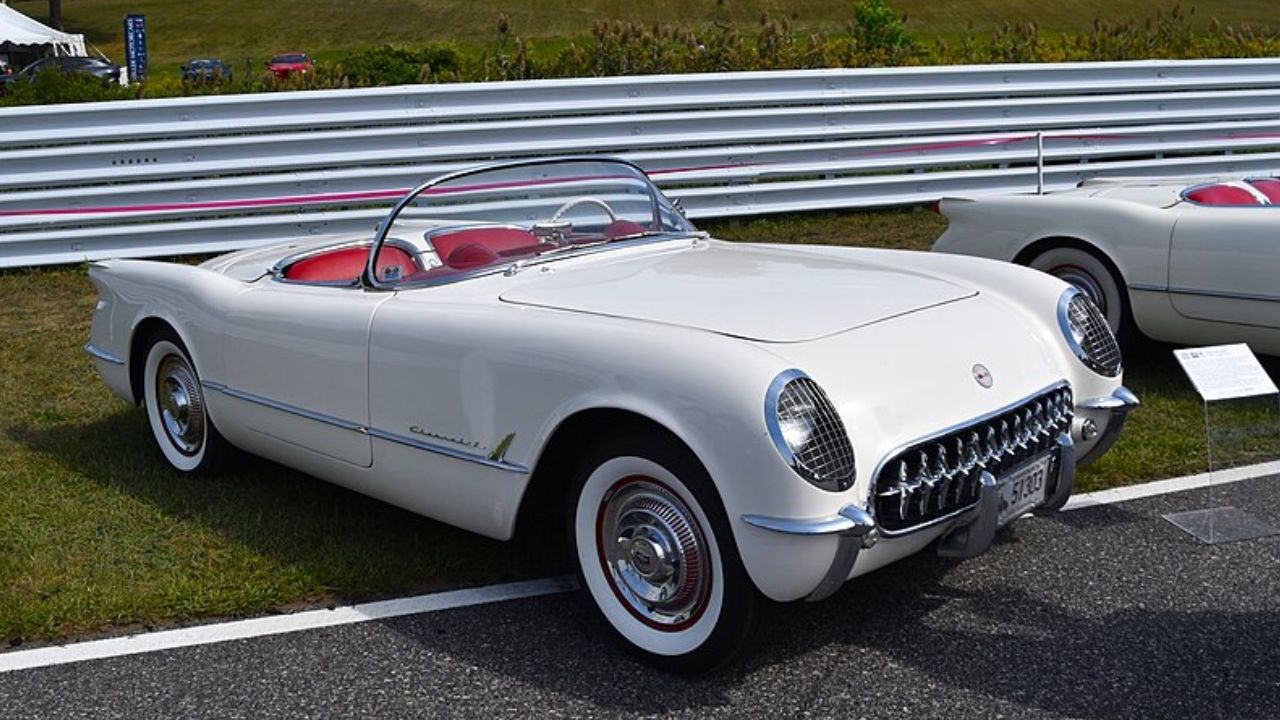
The Chevrolet Corvette symbolized a different side of 1950s prosperity: the freedom to spend money on an automobile purely for enjoyment. Its lightweight fiberglass body, two-seat layout, and evolving V8 power made it unlike Chevrolet’s conventional family cars. The Corvette gave American buyers access to an affordable domestic sports car at a time when European sports cars were attracting increasing attention. Its existence demonstrated that growing prosperity could support not only practical family vehicles but also specialized cars built around personal pleasure.
More from Fast Lane Only
- Unboxing the WWII Jeep in a Crate
- 15 rare Chevys collectors are quietly buying
- 10 underrated V8s still worth hunting down
- Police notice this before you even roll window down
*Research for this article included AI assistance, with all final content reviewed by human editors