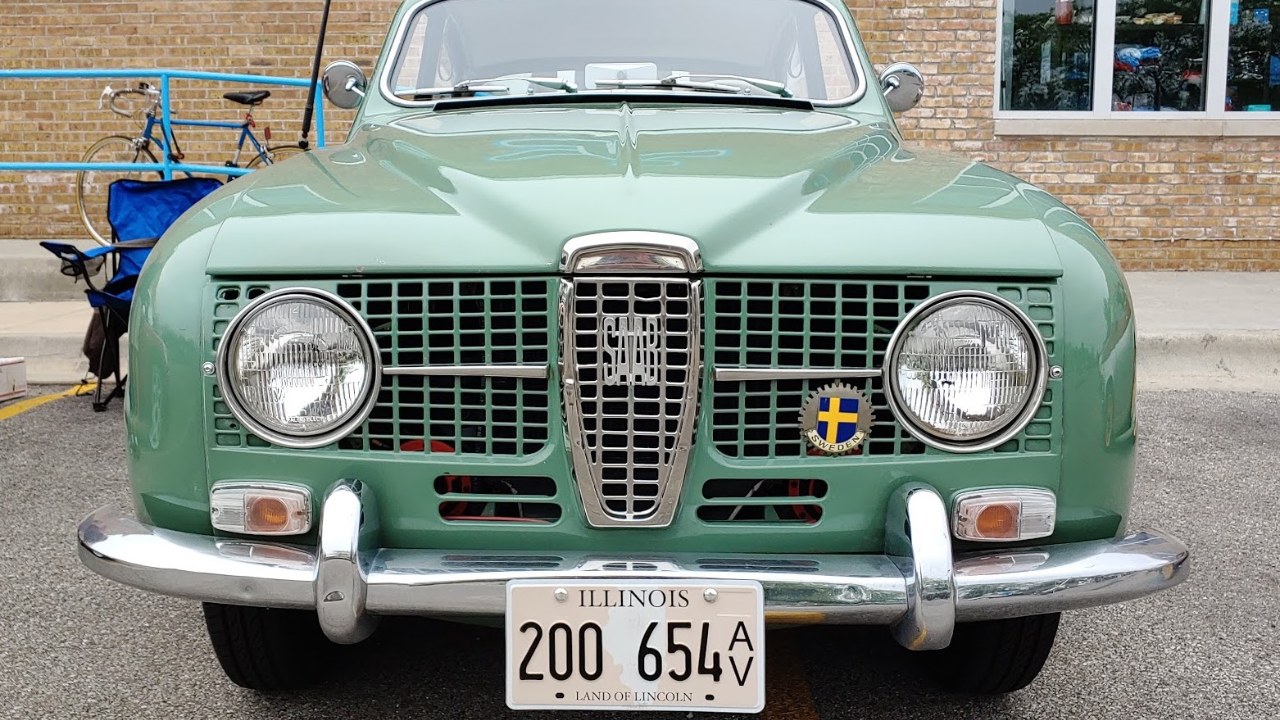
Car shows are usually filled with muscle cars, exotic sports cars, and beautifully restored classics, but station wagons often receive far less attention. Some, however, are surprisingly rare, historically important, or desirable to collectors. Sitting quietly among more glamorous vehicles, these wagons can reward anyone willing to look beyond horsepower and appreciate their unique place in automotive history.
Chevrolet Nomad
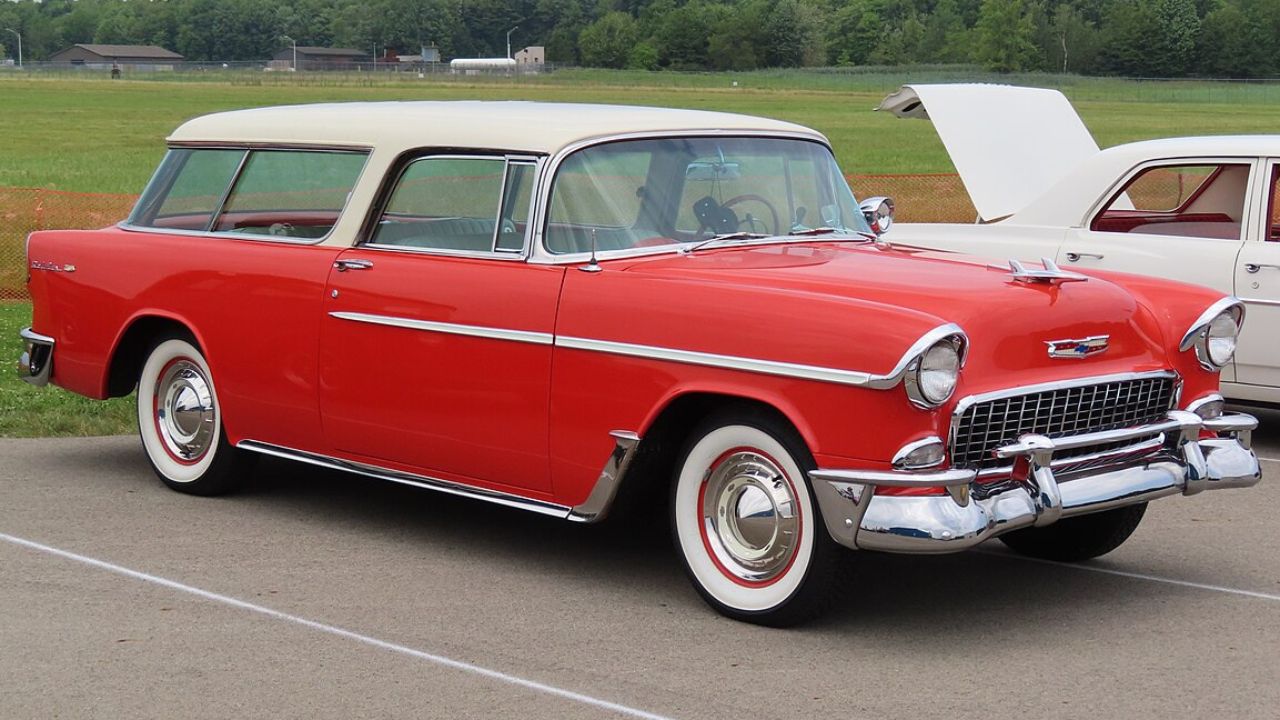
The Chevrolet Nomad is one of the most recognizable American station wagons ever built, yet beautifully restored examples can still blend into crowded classic-car gatherings. Its distinctive two-door body, sculpted rear quarters, and dramatic side trim gave it a sporty appearance unlike ordinary family wagons. Early Nomads are particularly desirable because of their rarity and styling. When one appears at a show, knowledgeable enthusiasts often recognize immediately that they are looking at something considerably more special than a conventional station wagon.
Ford Country Squire

The Ford Country Squire became famous for its simulated woodgrain exterior and enormous family-friendly body, but well-preserved examples can be surprisingly interesting at car shows. Its spacious cabin, rear-facing seats on some versions, and traditional American V8 power capture the character of a different automotive era. Collectors appreciate original woodgrain trim, period-correct interiors, and unmodified mechanical components. A carefully restored Country Squire can attract more attention from knowledgeable enthusiasts than its humble family-wagon image initially suggests.
Buick Roadmaster Estate Wagon
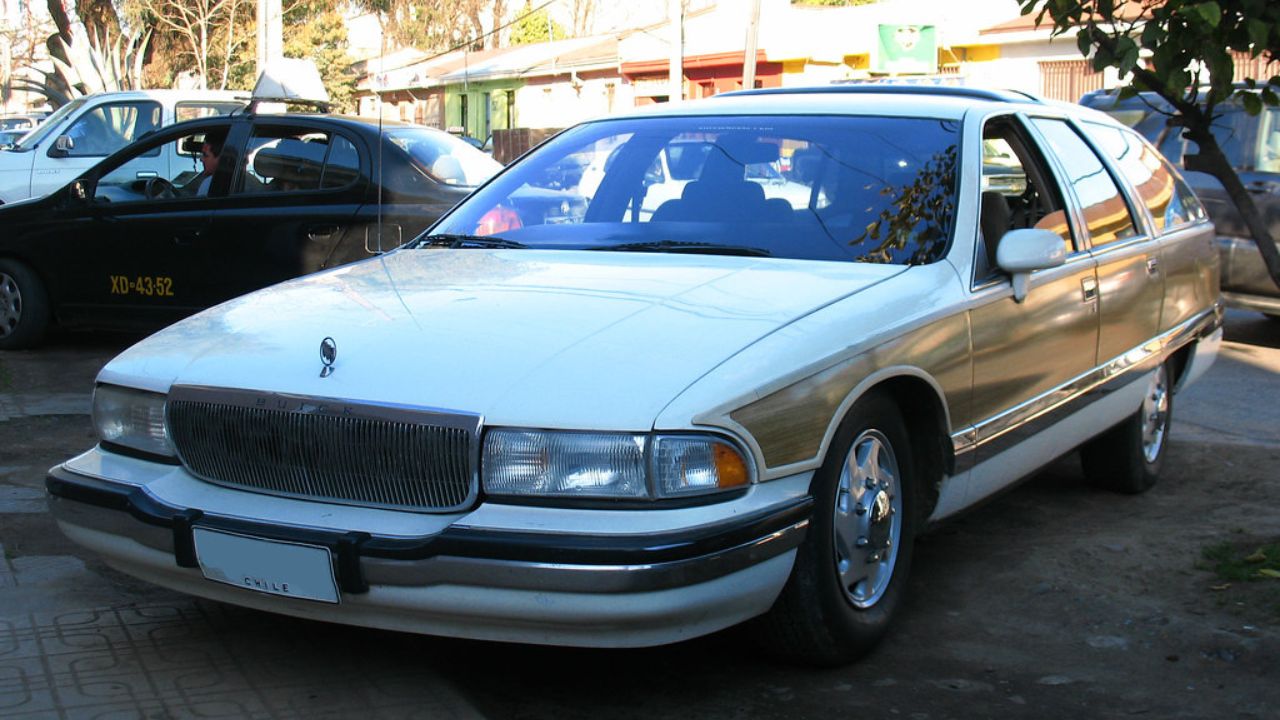
The Buick Roadmaster Estate Wagon represented the final era of large American station wagons before the category largely disappeared from mainstream production. Its substantial dimensions, V8 power, woodgrain-style exterior treatment, and spacious interior gave it enormous road presence. Today, clean examples stand out because relatively few survive in excellent original condition. At car shows, the Roadmaster can quietly attract enthusiasts who appreciate its combination of traditional American size, practical design, and the mechanical character of a full-size rear-wheel-drive wagon.
Oldsmobile Vista Cruiser
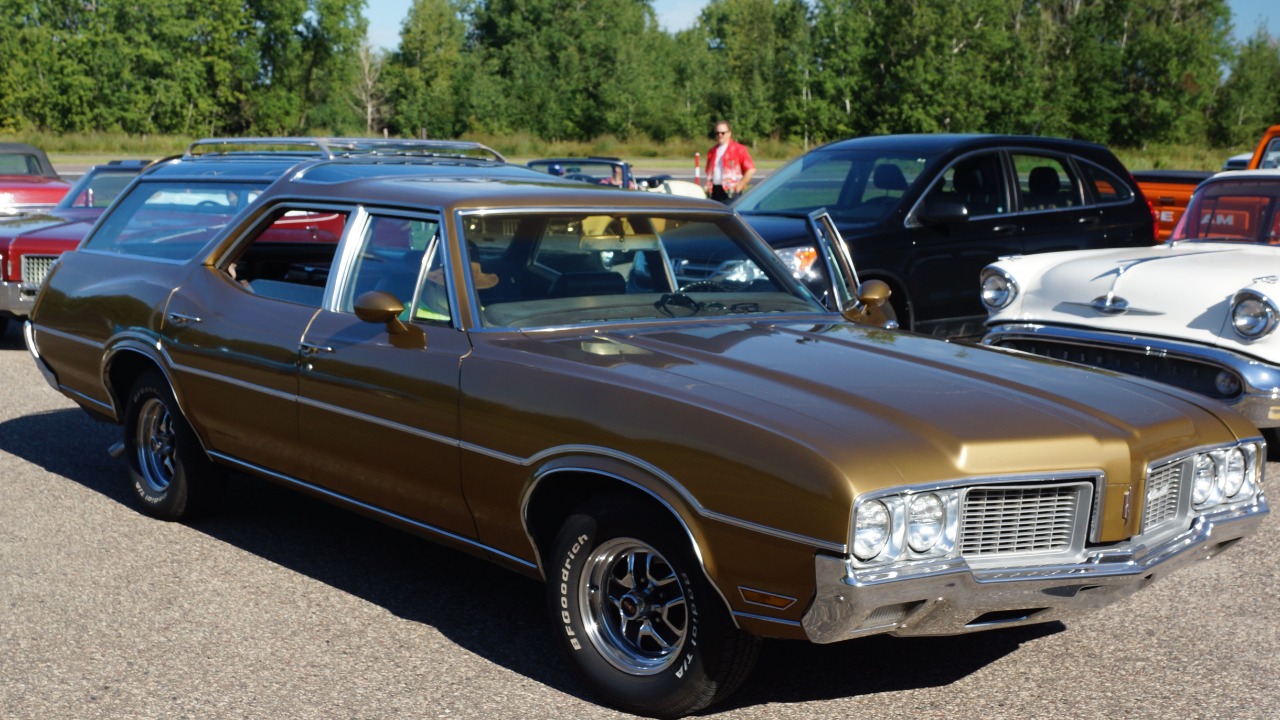
The Oldsmobile Vista Cruiser became famous for its distinctive raised roof and large glass panels, which created an unusually airy passenger compartment. Its split skylight design made it immediately recognizable among other American wagons. V8 power and rear-wheel-drive engineering added traditional Oldsmobile character, while the unusual roof structure gave the car a memorable appearance. Well-preserved examples are increasingly appreciated at shows because they represent a specific period when manufacturers competed to make family station wagons more comfortable, spacious, and visually distinctive.
Pontiac Safari
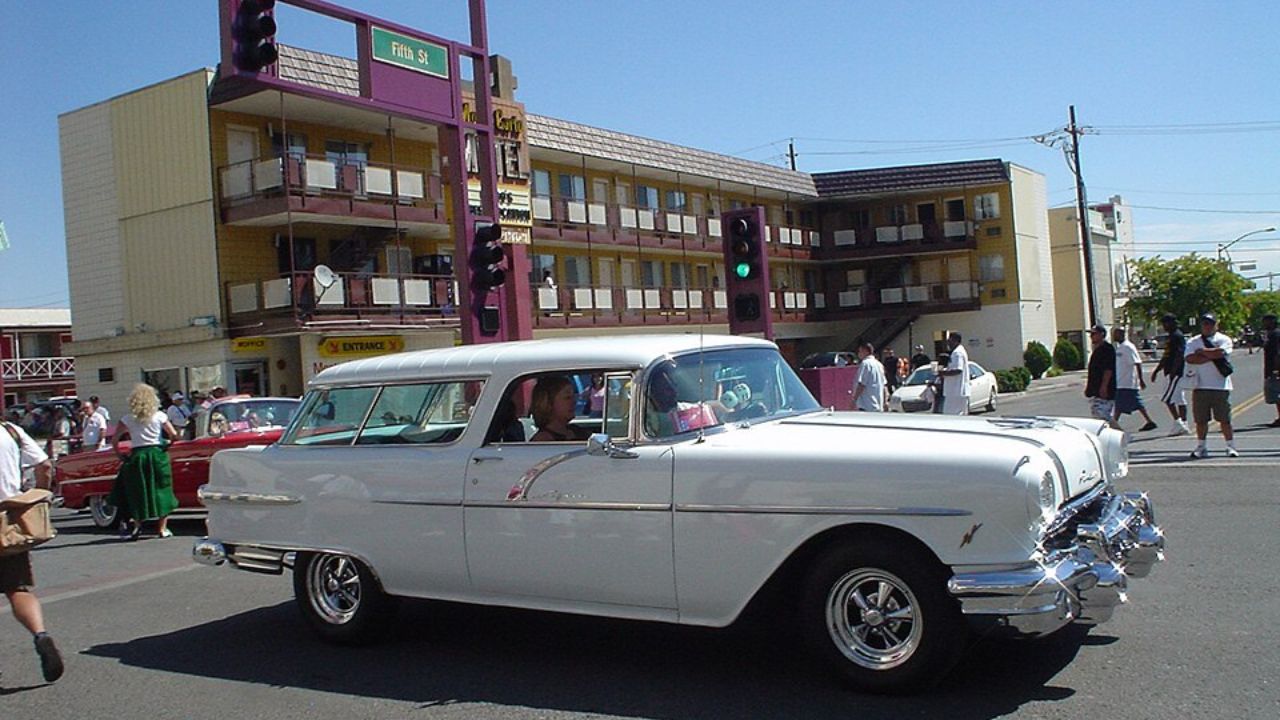
The Pontiac Safari combined traditional American wagon practicality with the bold styling associated with Pontiac. Large V8 engines, extensive chrome, dramatic bodywork, and spacious interiors made many versions unmistakably products of their era. Later Safari models became especially interesting because they represented Pontiac’s long-running interpretation of the full-size family wagon. A properly restored example can stand apart at a car show simply because fewer enthusiasts bring large original wagons than muscle cars, making a clean Safari an unexpected attraction.
Volvo 1800ES
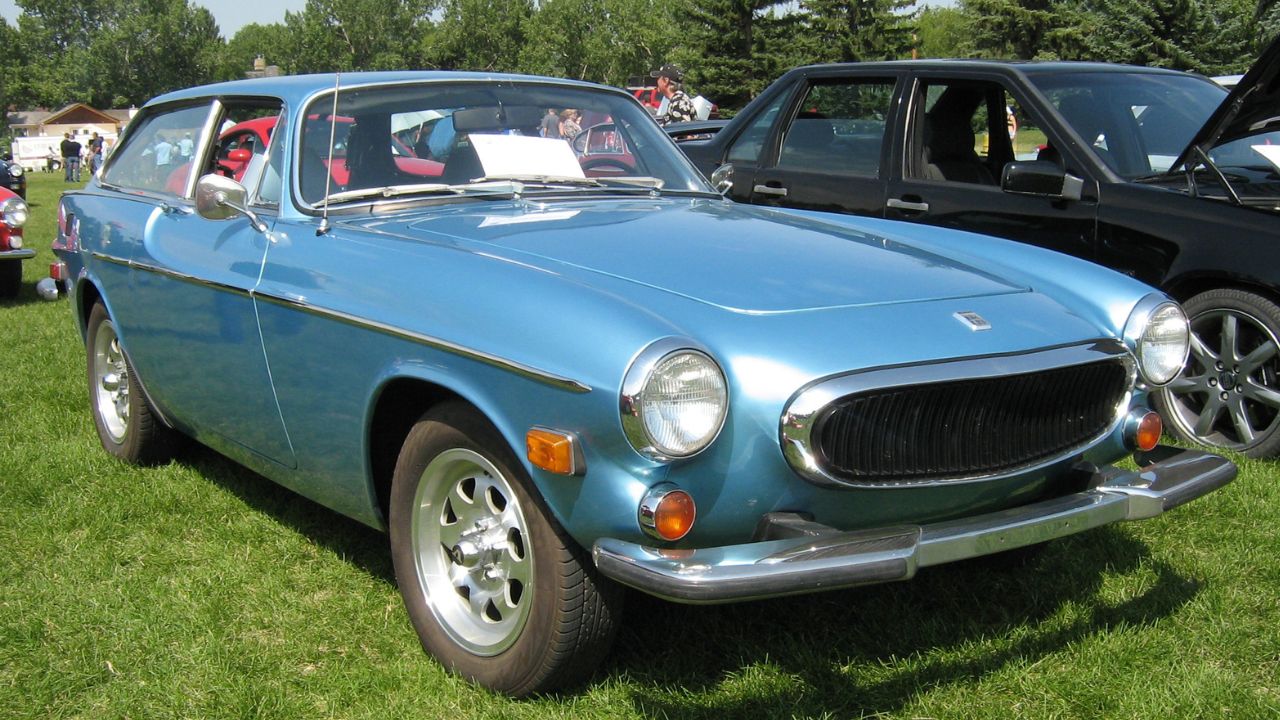
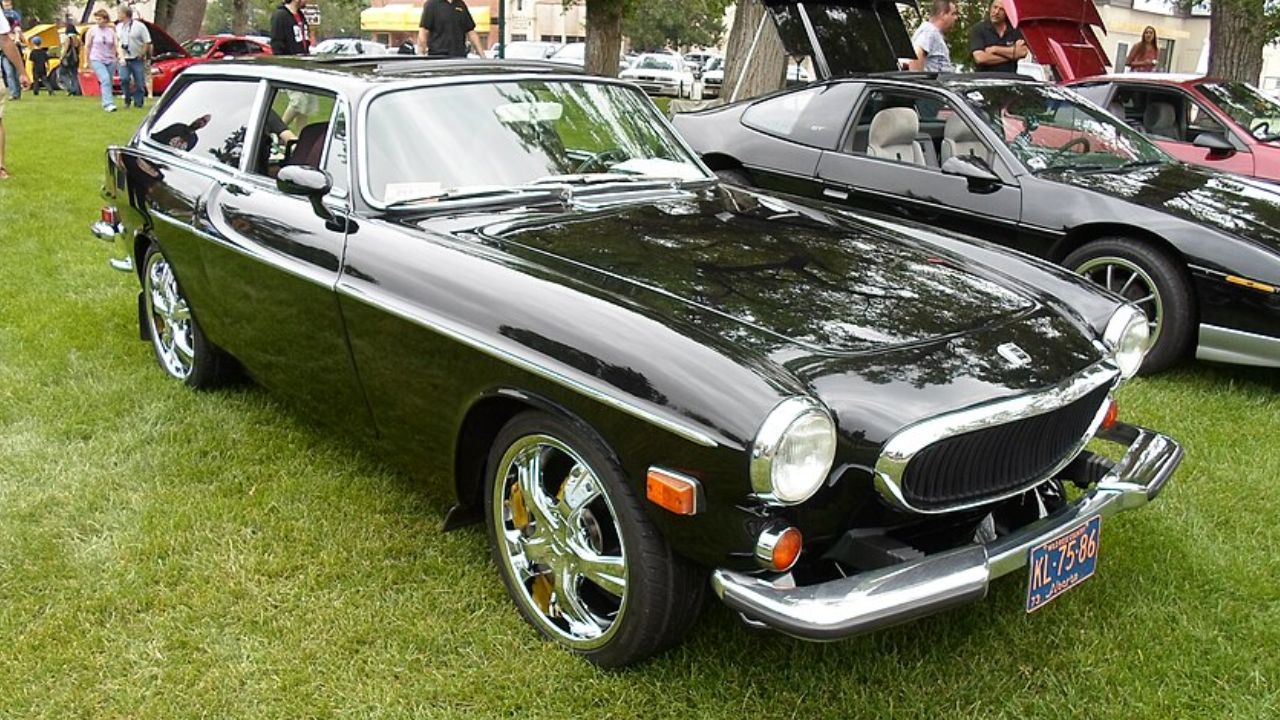
The Volvo 1800ES transformed the traditional sports car into a stylish shooting-brake-like wagon without sacrificing the elegant character of the 1800 series. Its long glass rear hatch, compact dimensions, and clean Scandinavian styling made it unusual among contemporary cars. Production numbers were limited, which makes surviving examples particularly interesting today. At a car show, the 1800ES can easily be overlooked beside louder performance cars, but enthusiasts familiar with Volvo history recognize it as one of the brand’s most distinctive classic designs.
AMC Eagle Wagon
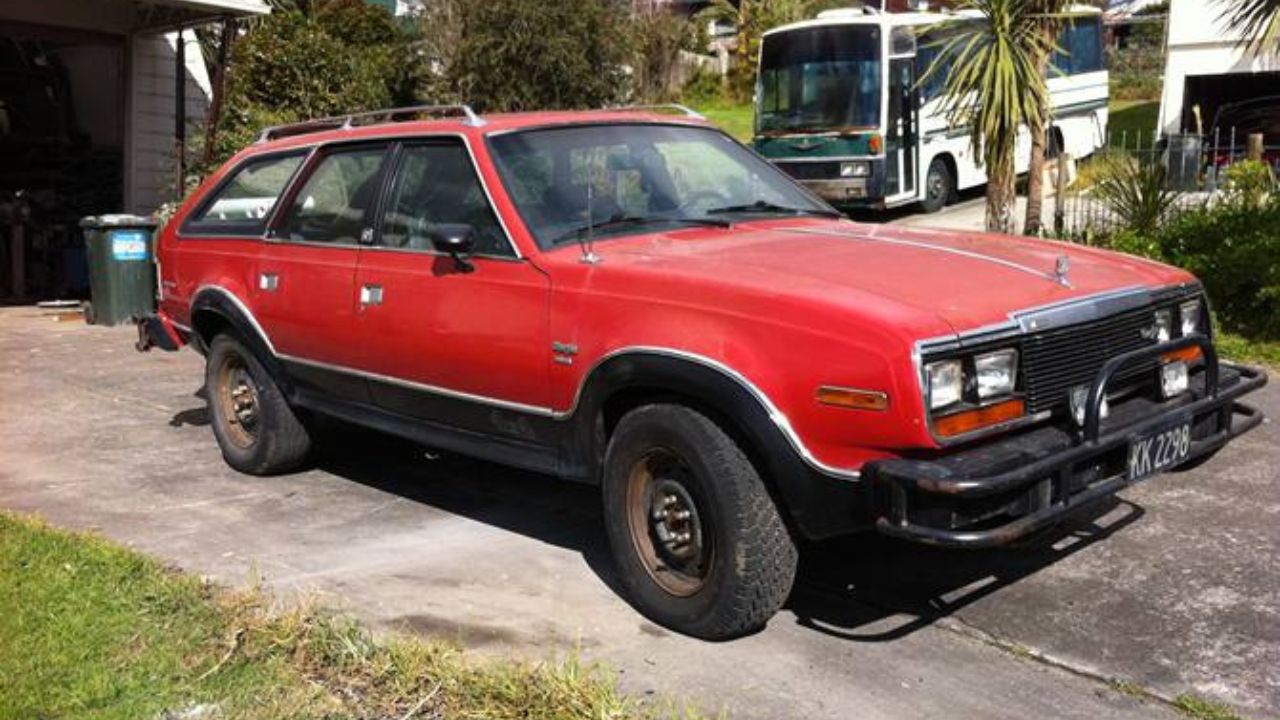
The AMC Eagle Wagon was unusual because it combined station-wagon practicality with genuine four-wheel-drive capability at a time when that combination was still uncommon. Its raised ride height and rugged drivetrain gave families a vehicle capable of handling poor weather and rough roads without the size of a conventional SUV. Today, surviving Eagles attract attention because of their pioneering design. At car shows, an original example can quietly demonstrate how AMC anticipated the crossover concept long before it became mainstream.
More from Fast Lane Only
- Unboxing the WWII Jeep in a Crate
- 15 rare Chevys collectors are quietly buying
- 10 underrated V8s still worth hunting down
- Police notice this before you even roll window down
*Research for this article included AI assistance, with all final content reviewed by human editors