Automakers have spent decades chasing one deceptively simple goal: turn every bit of power into clean, relentless acceleration. As electric motors, lighter materials, and smarter software converge, a new wave of cars now channels energy into motion with an efficiency and ferocity that would have seemed absurd a generation ago. That pursuit is clearest in ten machines that treat wasted effort as the enemy and forward thrust as the only acceptable outcome.
Tesla Model S Plaid
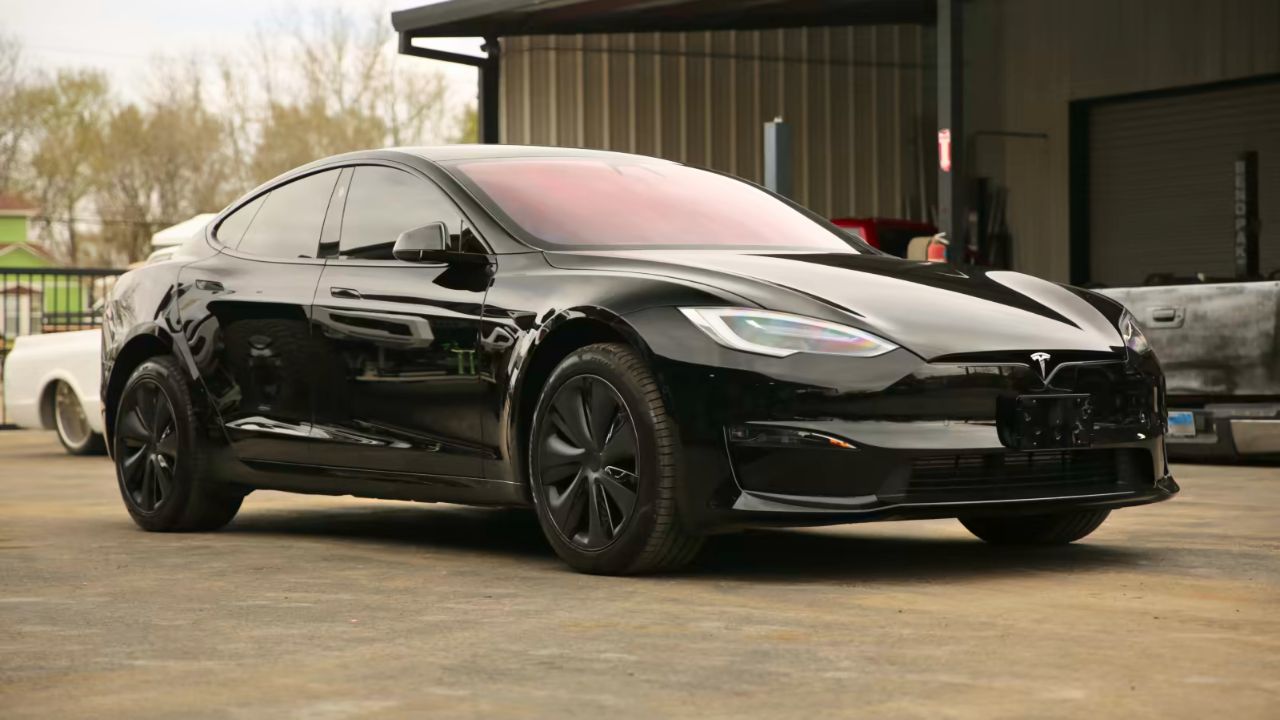
The Tesla Model S Plaid is the clearest expression of brute electric thrust in a four-door body. With a tri-motor setup and a quoted output of more than 1,000 horsepower, it uses a compact, high-revving rear motor and two front units to deliver all-wheel traction and startling off-the-line grip. The car’s skateboard battery layout keeps weight low in the chassis, which improves traction and lets the software push the motors harder without spinning the tires.
The Plaid also serves as a benchmark for how software can shape power delivery. The control system constantly manages torque at each axle, blending traction control, stability control, and launch algorithms into a single, seamless surge. There is no multi-speed gearbox, no torque converter, and no turbo lag, just instant torque that translates into near-violent acceleration when the driver floors the pedal.
Porsche Taycan Turbo S
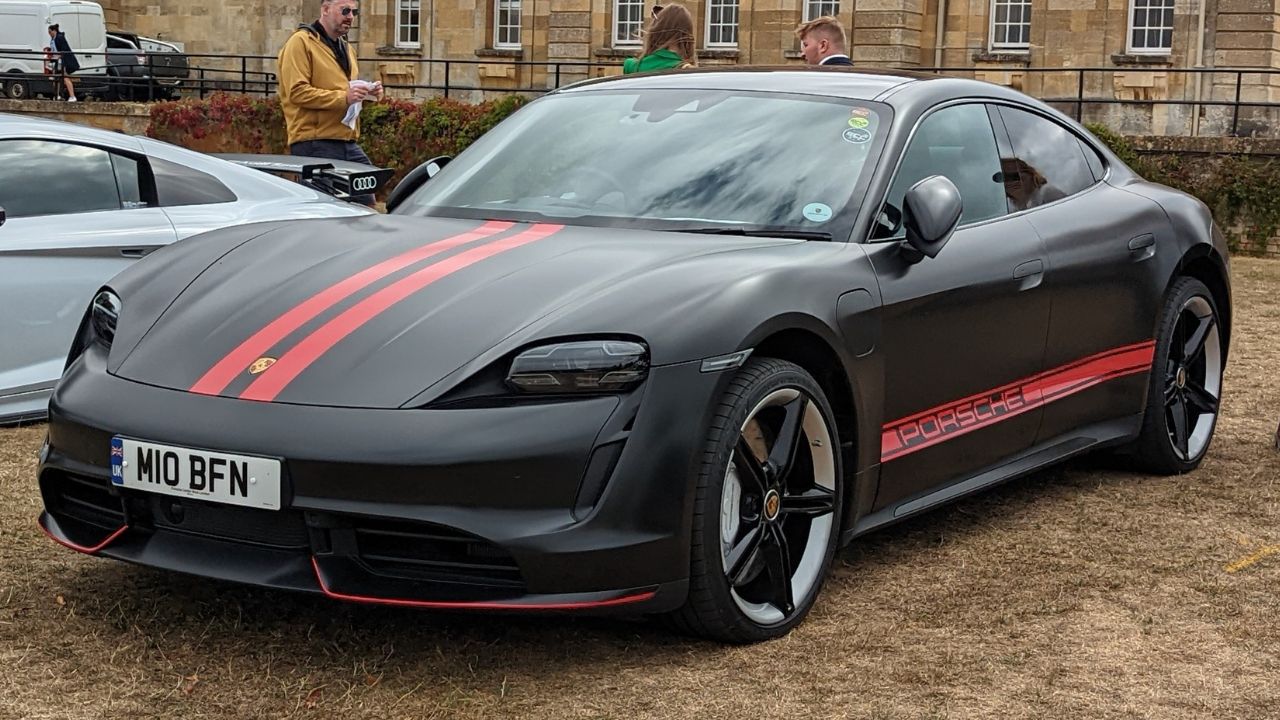
Where Tesla chases headline numbers, the Porsche Taycan Turbo S shows how precision and repeatability can matter just as much. Its twin-motor, all-wheel-drive layout is paired with an unusual two-speed transmission on the rear axle. That second gear allows the Taycan to combine explosive launches with sustained high-speed pull, a trick that most single-speed EVs cannot match without sacrificing either efficiency or top-end performance.
Porsche’s engineers also prioritized thermal management. The Taycan’s cooling circuits and battery conditioning let it deliver rapid acceleration again and again with minimal fade. In practice, that means the car turns its stored energy into repeatable, controlled thrust rather than a single dramatic burst followed by a drop in performance.
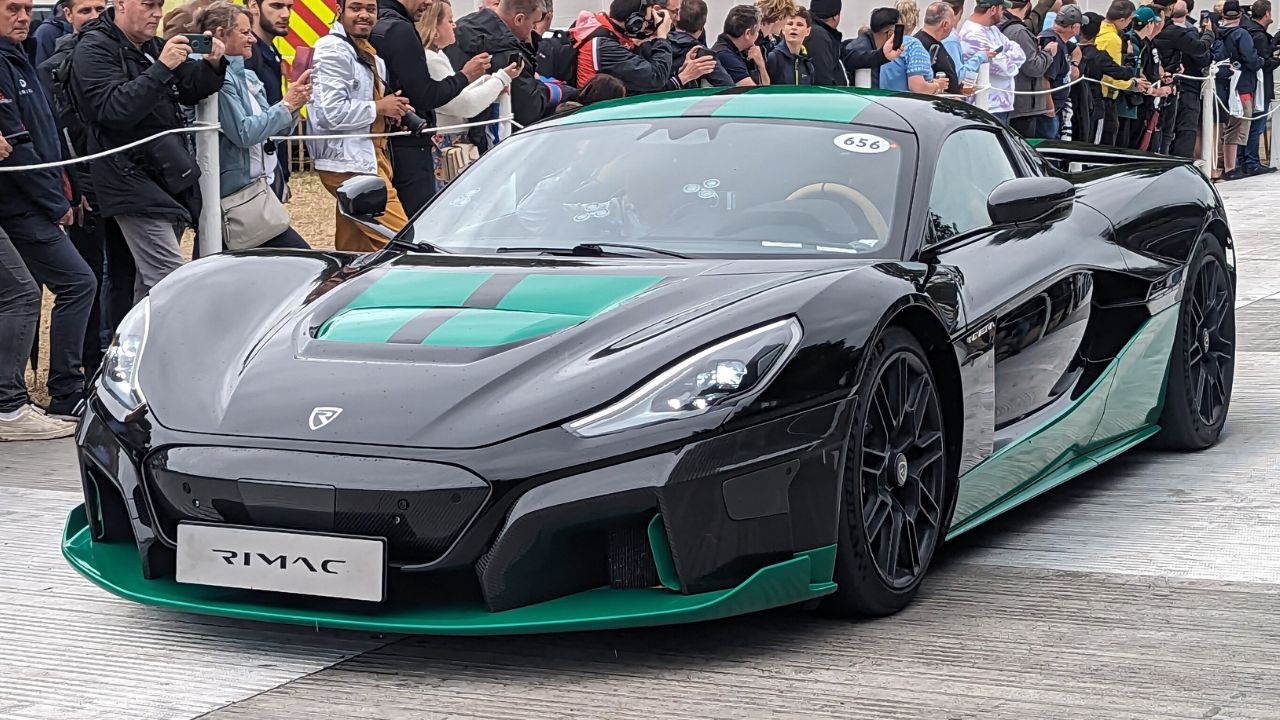
Rimac Nevera
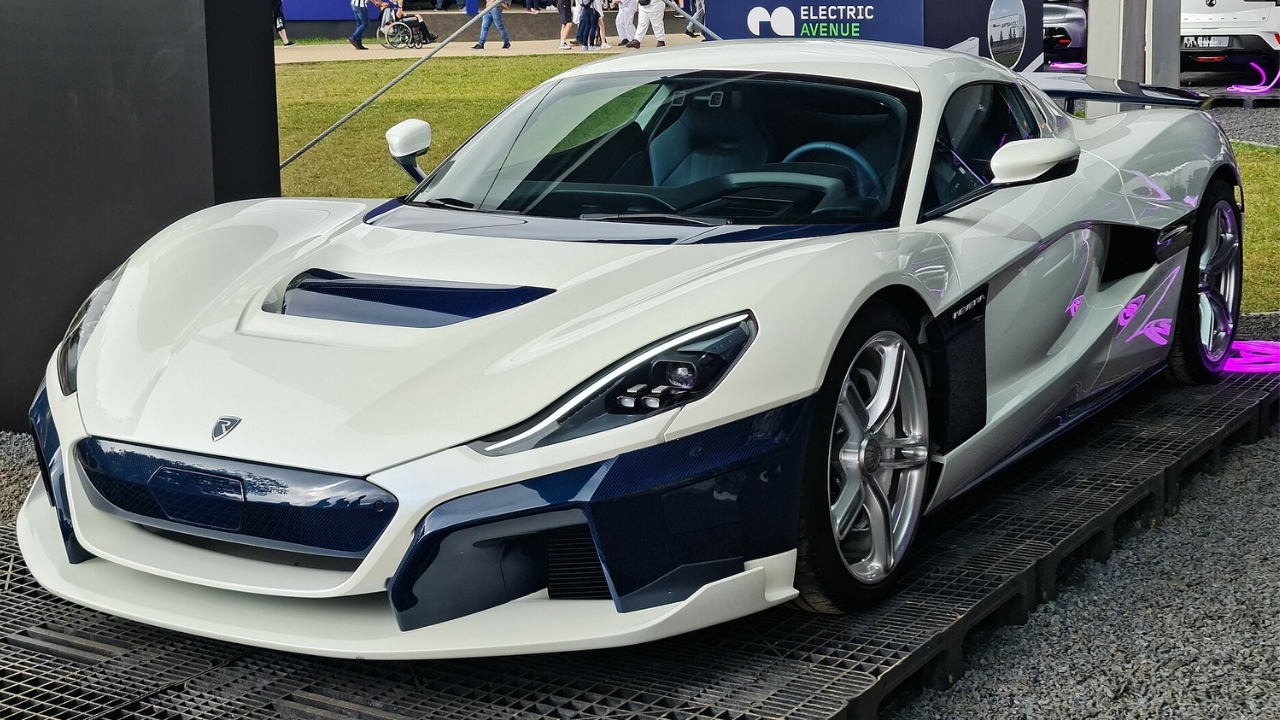
The Rimac Nevera represents the outer edge of what is currently possible with electric propulsion. Each wheel has its own motor, which allows the car to apportion torque individually to all four corners. That layout, combined with a large battery pack integrated into the structure, gives the Nevera both enormous total output and fine-grained control over how that power reaches the road.
Most impressive is how the Nevera uses that control to solve a classic problem: putting four-digit horsepower down without wasting it in wheelspin. The torque vectoring system constantly recalculates how much force each tire can handle, then feeds just enough power to maintain grip. Instead of fighting physics with wider and wider tires alone, the car uses electronics to keep every kilowatt working in the right direction.
Lucid Air Dream Edition Performance
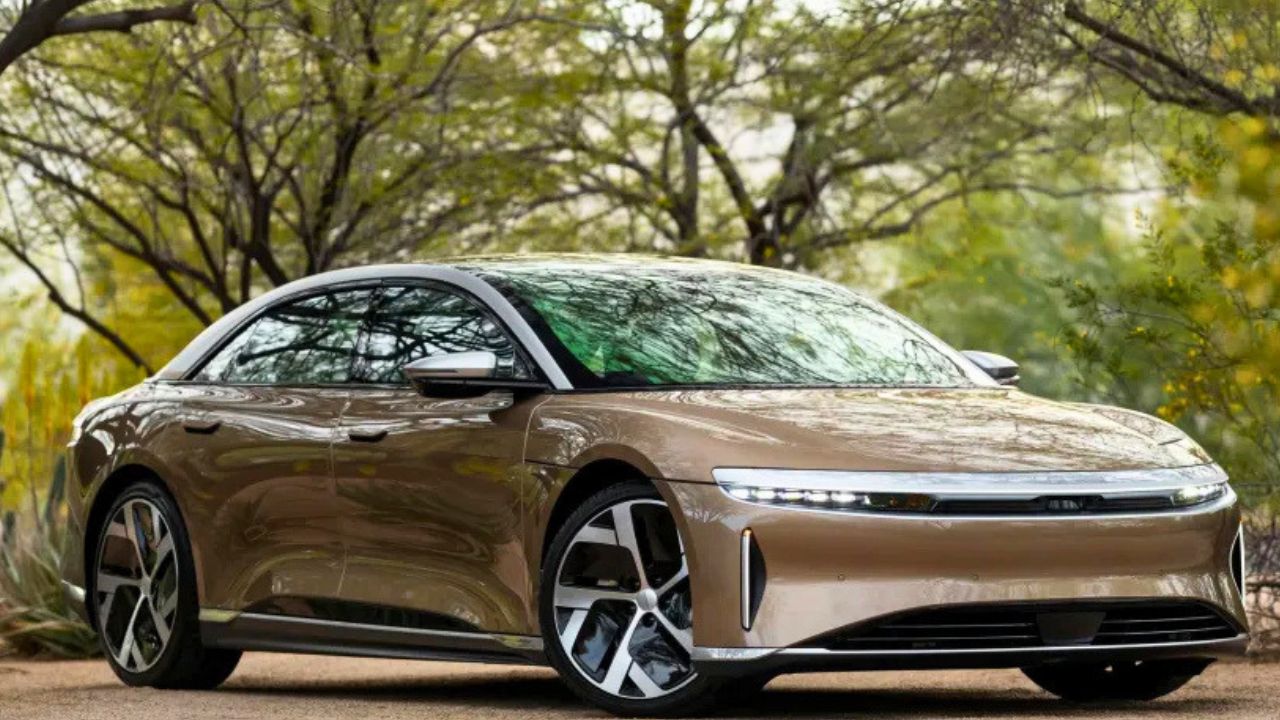
The Lucid Air Dream Edition Performance approaches the same challenge from an efficiency-first angle. Its compact motors use a high-voltage architecture and innovative winding design to deliver strong power while staying relatively light. The result is a large luxury sedan that can cover long distances yet still produce acceleration that rivals dedicated sports cars.
Because the Air was engineered with aerodynamics and energy use in mind, its ability to convert battery charge into motion is not just about straight-line speed. The slippery body, low rolling resistance tires, and carefully tuned cooling system all reduce drag on the system. That lets the motors operate more often in their ideal efficiency band, turning more of each stored kilowatt-hour into actual forward progress.
Chevrolet Corvette Stingray (C8)
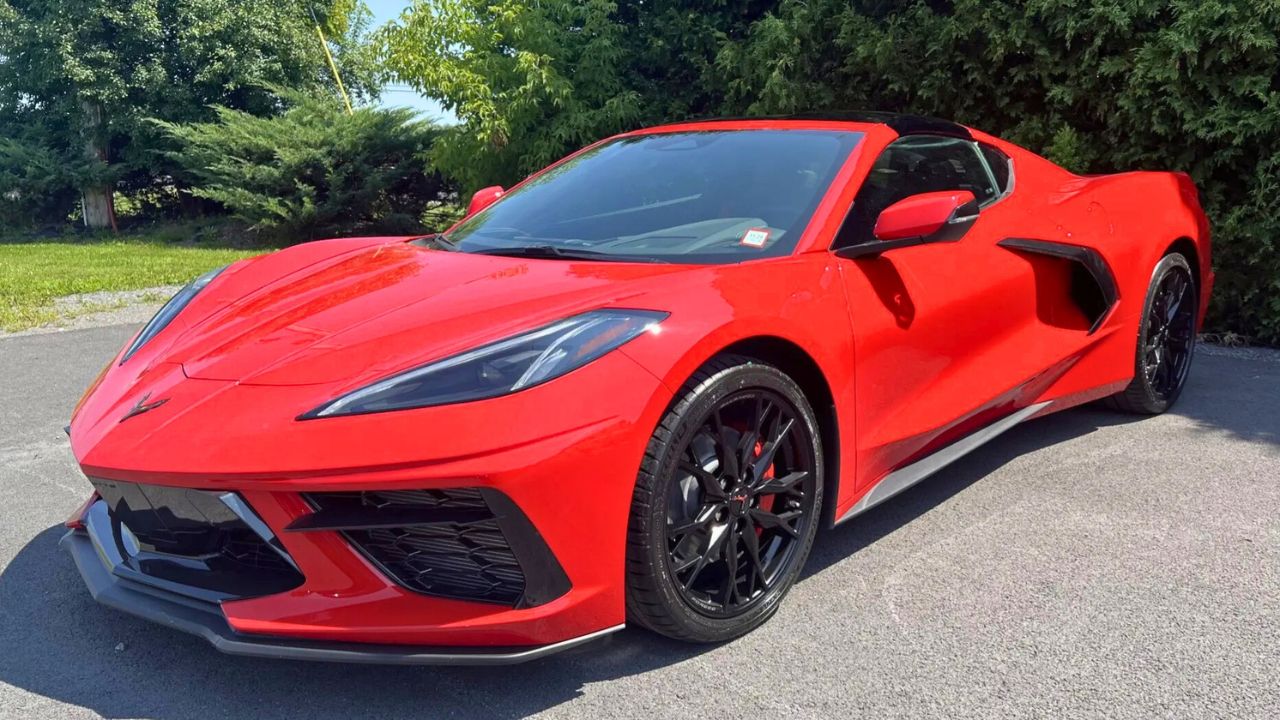
The mid-engine Chevrolet Corvette Stingray shows that internal combustion still has plenty to say about power and motion. By moving the 6.2 liter V8 behind the driver, Chevrolet improved weight distribution and traction, which means more of the engine’s output reaches the pavement, especially on corner exits. The eight-speed dual-clutch transmission shifts quickly and keeps the engine in its power band without the slippage associated with traditional automatics.
The C8’s real achievement is how it democratizes exotic-car dynamics. The chassis geometry, electronic limited-slip differential, and performance traction management system work together so the car can apply its power cleanly out of tight bends. Instead of overwhelming the rear tires, the Corvette uses its layout and electronics to turn the V8’s torque into confident, repeatable acceleration.
Ferrari SF90 Stradale
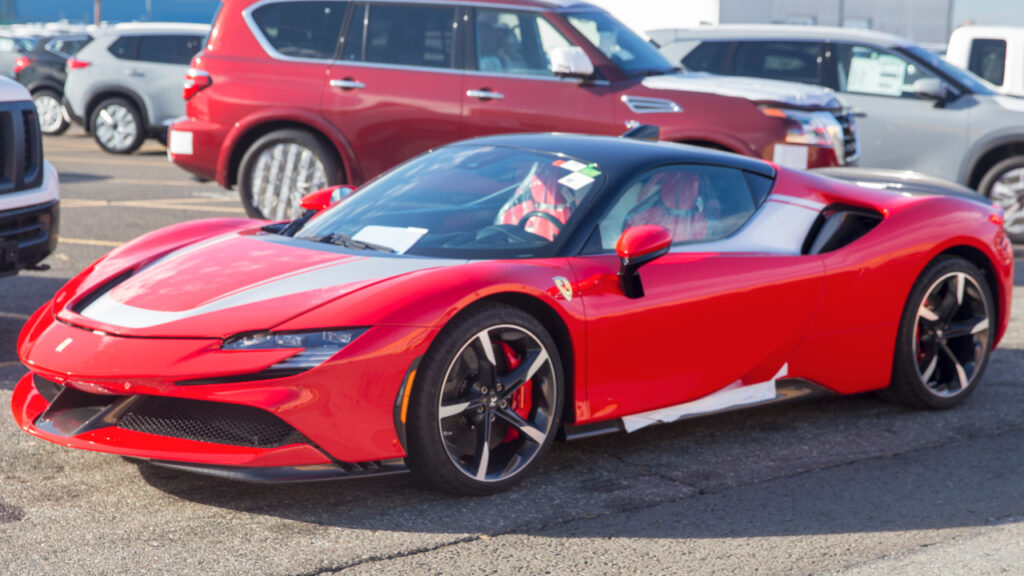
The Ferrari SF90 Stradale blends a twin-turbo V8 with three electric motors to create a plug-in hybrid system that feels focused entirely on speed. Two motors sit on the front axle and one is sandwiched between the engine and the gearbox at the rear. That arrangement gives the SF90 all-wheel drive, torque fill during gear changes, and the ability to vector torque across the front wheels.
What stands out is how the SF90 uses electrification not to chase efficiency first, but to close every gap in the power delivery of a traditional turbocharged engine. Electric torque fills in at low revs and during shifts, so the driver experiences a near-continuous wave of thrust. The hybrid system also lets Ferrari fine tune how much power goes to each axle, which helps the car fire out of corners with minimal wasted wheelspin.
McLaren 765LT
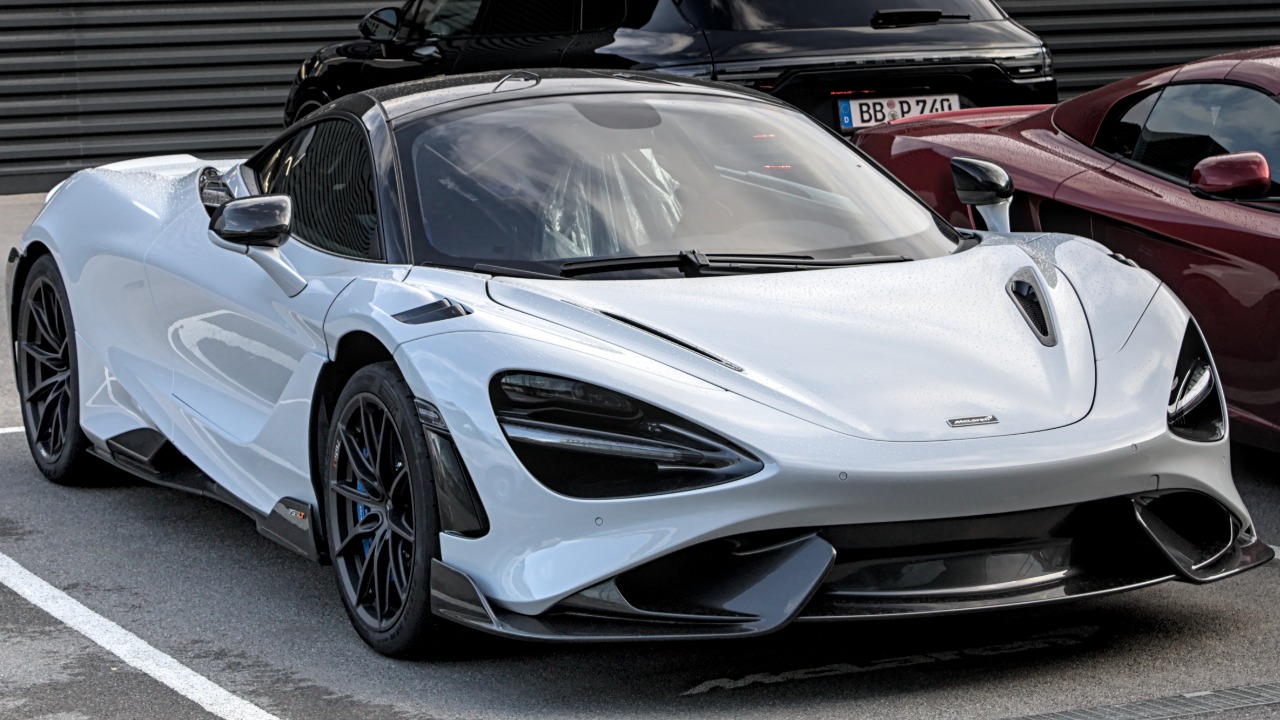
The McLaren 765LT takes a more old-school route, but with modern materials and aerodynamics. It uses a twin-turbocharged V8 and rear-wheel drive, yet the way it sheds weight and adds downforce means its power-to-weight ratio and traction are exceptional. Extensive use of carbon fiber, thinner glass, and stripped-back interior components reduce mass, so the engine has less inertia to overcome every time the driver accelerates.
Active aerodynamics and careful suspension tuning keep the tires pressed into the asphalt at speed. That extra grip means the 765LT can deploy its output earlier and harder when exiting corners, turning what could be a wild, traction-limited car into a focused tool that converts engine work into forward momentum with surprising discipline.
Porsche 911 GT3 (992)
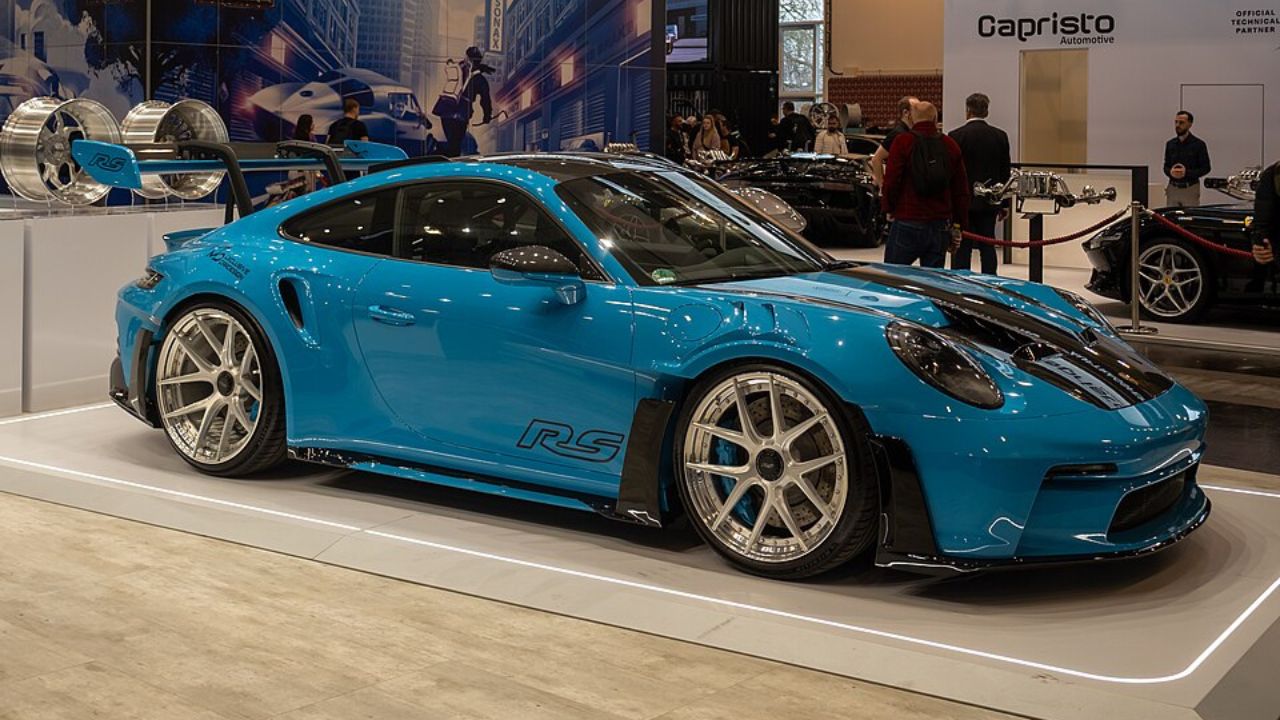
The Porsche 911 GT3 proves that outright horsepower is only one part of the equation. Its naturally aspirated flat-six produces less power than many turbocharged rivals, yet the car feels relentless on a circuit. The key lies in its high-revving character, low mass, and meticulous chassis tuning. The engine’s willingness to spin to extreme rpm means the driver can stay in a lower gear longer, keeping the car in its strongest range of acceleration.
The GT3’s double-wishbone front suspension, rear-axle steering, and aerodynamic package all contribute to stability and grip. That represents a different kind of efficiency: the car lets the driver carry more speed into and out of corners, so each burst of power translates into more lap time saved. The result is a machine that makes the most of every available kilowatt without relying on turbos or electric assistance.
Ford Mustang Mach-E GT Performance Edition
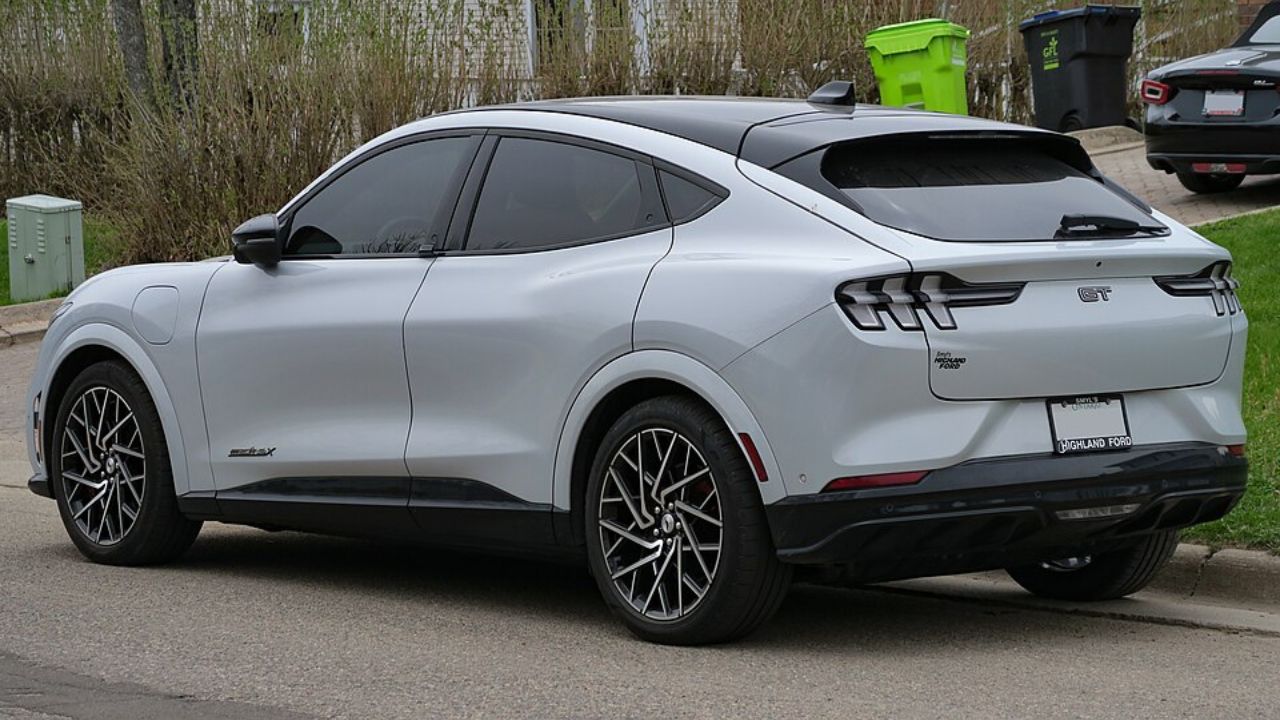
The Ford Mustang Mach-E GT Performance Edition brings the idea of direct, instant torque into a more accessible segment. Its dual-motor, all-wheel-drive system delivers strong acceleration, and the battery pack under the floor lowers the center of gravity, which helps the tires maintain grip. For a family-friendly crossover, the way it steps off the line feels closer to a traditional performance car than a utility vehicle.
Equally notable is how Ford uses software-controlled drive modes to shape the character of the powertrain. In its sportiest settings, the Mach-E sharpens throttle response and adjusts traction control thresholds, allowing more aggressive use of the available power. That flexibility means the same hardware can behave like a calm commuter or a surprisingly eager performer, always focused on turning stored energy into forward motion with minimal fuss.
Hyundai Ioniq 5 N
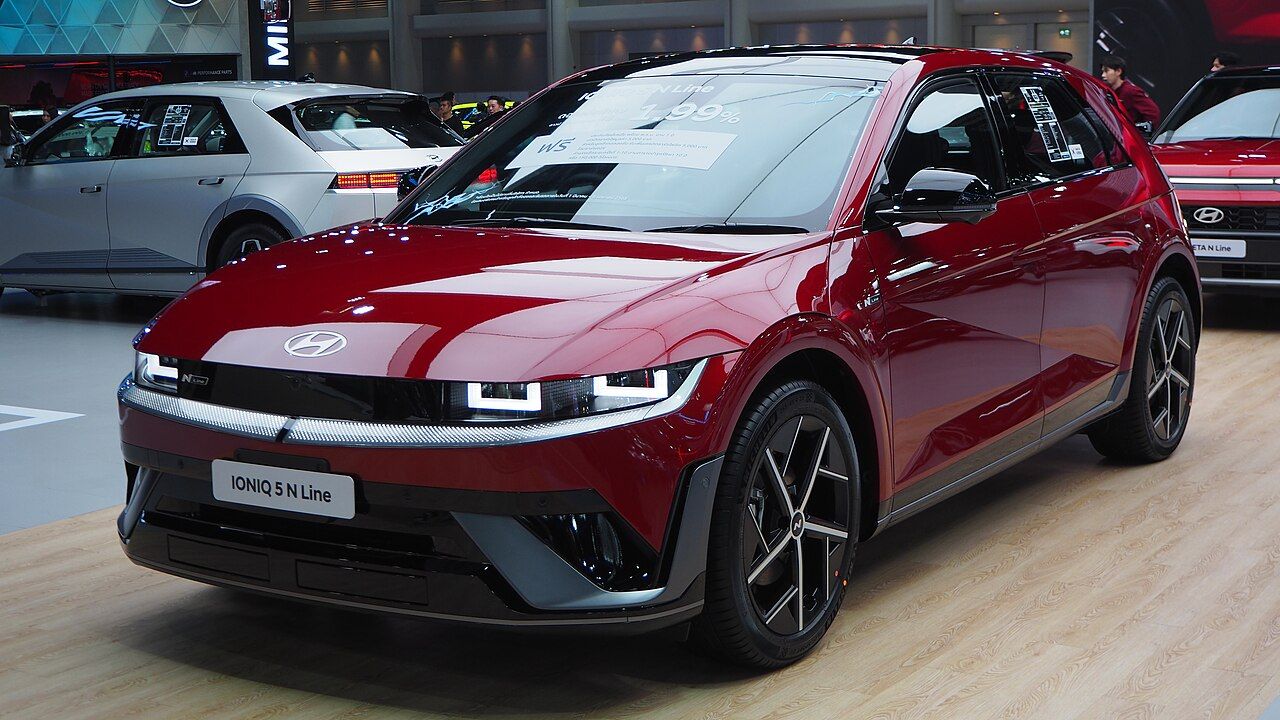
Hyundai’s performance push with the Ioniq 5 N project signals how quickly the electric hot hatch idea is maturing. Building on the standard Ioniq 5’s skateboard platform, the N variant adds stronger motors, upgraded cooling, and a more aggressive differential strategy. The goal is not just straight-line speed, but sustained performance that holds up over repeated hard laps and back-road runs.
According to engineers, the focus lies on thermal stability and torque distribution. Stronger cooling loops and software that manages power output over time help prevent the kind of heat-related power drop that can blunt other EVs after a few hard accelerations. By protecting the motors and battery from overheating, the Ioniq 5 N can keep turning electrical energy into acceleration longer, which is exactly what enthusiastic drivers demand.
More from Fast Lane Only