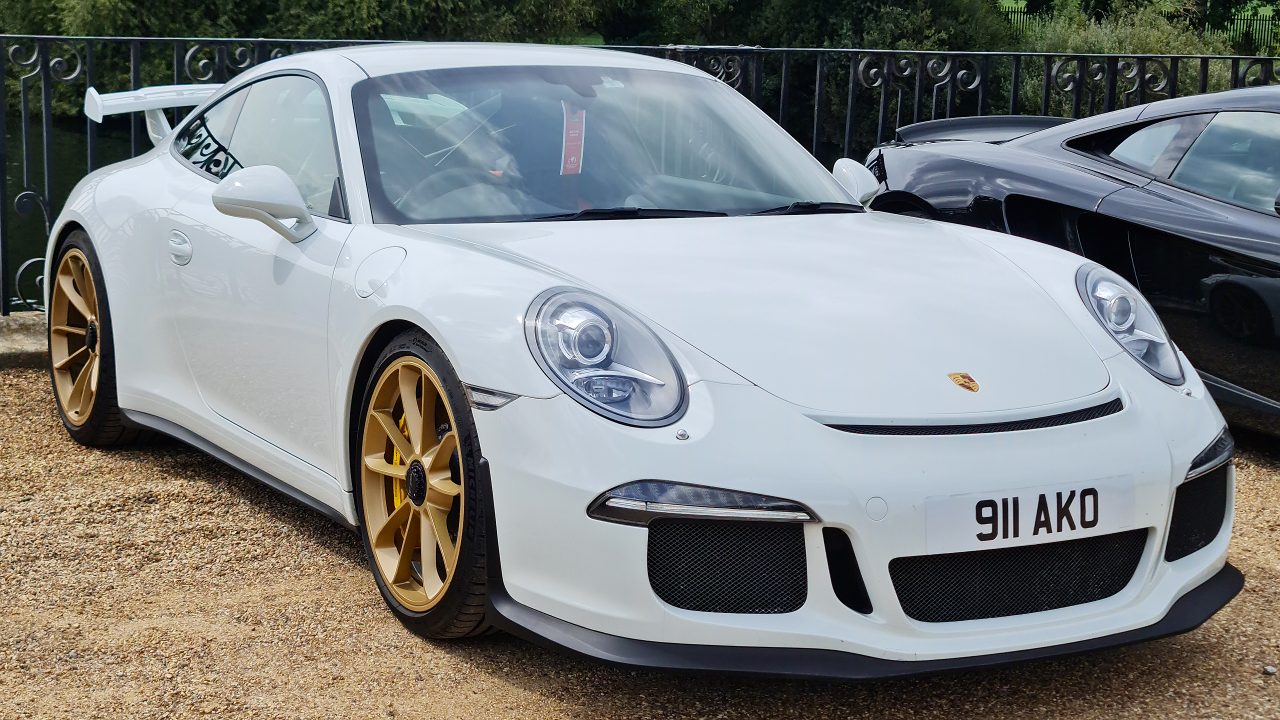
The 2022 Porsche 911 GT3 arrived at a moment when many high‑performance cars were leaning harder into turbocharging, hybrid assistance, and digital filters between driver and machine. Instead of following that trend, it sharpened its focus on a naturally aspirated engine, analog feedback, and motorsport hardware that could survive a commute. In doing so, it did not just resist change, it deliberately refined a very specific idea of purity that has defined the GT3 badge for decades.
That decision shows up in everything from the 4.0‑liter flat‑six and double‑wishbone front suspension to the way Porsche sweated over weight savings and aero efficiency. The result is a 911 that feels closer to a race car than ever, yet still respects the core values that made earlier GT3 models cult favorites among track‑day drivers and purists.
The engine as a statement of intent
The clearest sign that Porsche doubled down on purity is the decision to keep a naturally aspirated 4.0‑liter flat‑six at the heart of the 2022 911 GT3. In an era dominated by turbocharged torque and emissions‑driven downsizing, the GT3’s high‑revving boxer is a deliberate throwback to classic motorsport thinking. Official material describes the unit as a 4.0‑liter, six‑cylinder boxer that revs to 9,000 rpm, and a separate technical overview calls it a 502 hp high‑revving flat‑six that also spins to 9,000 rpm. That combination of displacement, output and rev ceiling is not about headline numbers alone, it is about the linear, predictable power delivery that drivers associate with classic GT3s.
On paper, the figures are impressive but not outrageous in a world of 600‑plus‑horsepower supercars. Porsche’s own performance breakdown lists the 4.0‑liter high‑revving naturally aspirated engine at 375 k (which corresponds to 510 PS), with 450 Nm of torque and a top speed of 311 km per hour. A dealer specification sheet frames the car’s acceleration in similarly precise terms, noting that the 2022 911 GT3 can reach 60 mph in 3.4 seconds. Those numbers show that Porsche is not chasing the absolute top of the spec sheet, it is prioritizing response, revs and repeatable performance that feels consistent lap after lap.
Race‑car hardware in a road‑legal shell
Beyond the engine, the 2022 GT3’s chassis and aero choices underline how far Porsche was willing to go to keep the driving experience sharp and unfiltered. The front axle uses a double‑wishbone layout derived directly from the brand’s motorsport program, a setup that one official description says is narrowing the gap between race and road cars compared with the current 911 Carrera models. That geometry improves camber control and steering precision, which matters more to a driver chasing apexes than to someone focused on boulevard comfort.
The bodywork follows the same philosophy. A detailed product briefing highlights extensive use of Lightweight materials, noting that the free‑revving engine is only one part of what makes the latest GT3 stand out. Based on that description, the hood, rear wing and other components are engineered to hit an ambitious weight target, which in turn helps the suspension and brakes work more effectively. Up front, a separate road test points to a new fascia with larger air intakes that hide a wider track to add stability and sharpen turn‑in, while also improving cooling for repeated hard use up front.
Aerodynamics that serve feel, not just figures
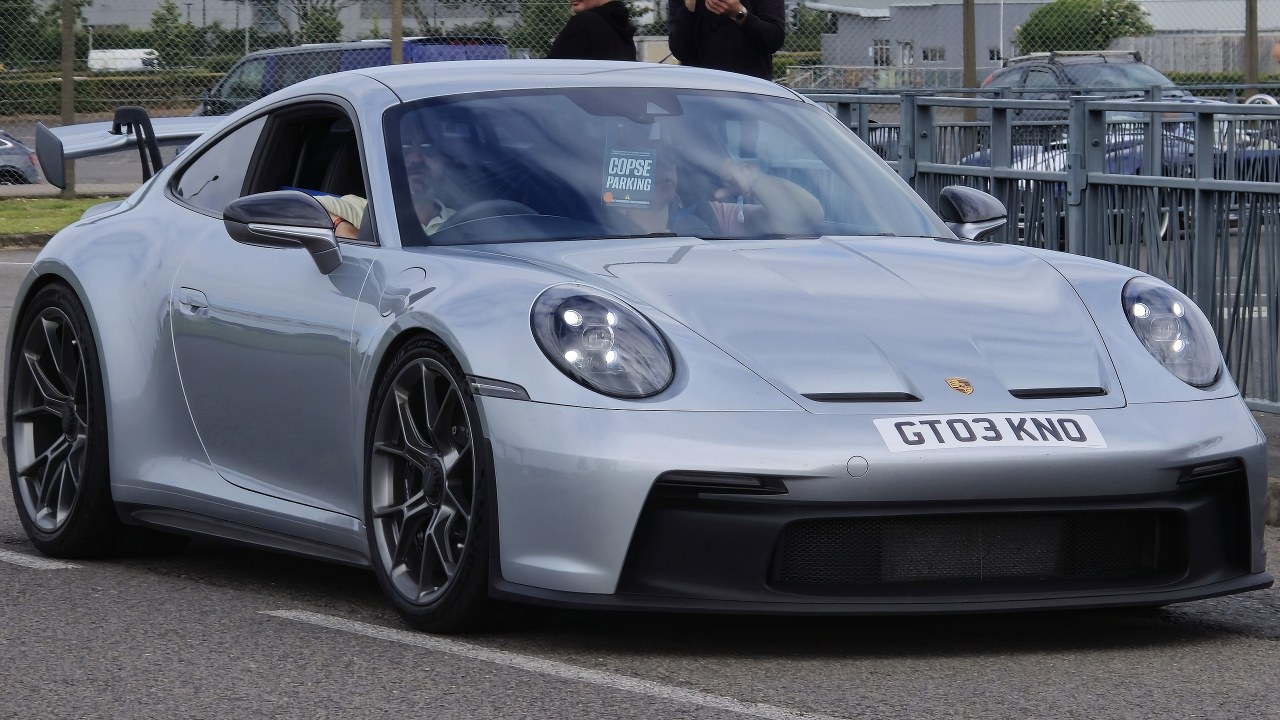
The most visually dramatic symbol of the GT3’s purist brief is its towering rear wing, mounted on swan‑neck supports that look like they were lifted straight from a GT racing paddock. Track testers have singled out the car in “In Shark Blue” with its “Swan” neck rear wing as “stunning,” but the hardware is not there for aesthetics alone. That swan‑neck design keeps the underside of the wing, where the airflow is most sensitive, as clean as possible, which improves downforce without a huge drag penalty, a point reinforced in a Dec track review that praises the car’s stability at speed.
What matters for purity is how that aero package interacts with the rest of the car. Porsche’s own comparison between the 2022 911 GT3 and the 911 Turbo S notes that the GT3 uses extensive lightweight materials, refined aerodynamic elements and a motorsports‑derived double‑wishbone front axle layout to create a distinct character compared with the all‑wheel‑drive Turbo S Porsche. Where the Turbo S leans on sheer thrust and all‑weather traction, the GT3’s aero is tuned to give the driver confidence to carry speed through corners, which is exactly where a naturally aspirated, high‑revving engine and precise front end can be exploited.
Weight, control and the analog edge
Purity in a modern performance car is as much about what is left out as what is added, and the 2022 GT3’s weight and control choices reflect that. Official communications emphasize that the car’s structure and body panels are Based on lightweight materials to hit a strict mass target, which helps the suspension and brakes do their work with less inertia to manage. A separate enthusiast review notes that even components like the glass and exhaust system are lighter than before, and that the car uses Porsche Active Suspension Management (PASM) to keep body control tight without resorting to overly soft, comfort‑oriented tuning Porsche.
Control interfaces follow the same logic. A dealer overview aimed at buyers highlights that the 2022 911 GT3 still offers a traditional clutch and manual gearbox option, framing it as a way of “having full control” rather than relying solely on paddles and software to manage shifts Making the Right Impression. That same document leans into the idea that “Time” and “Seconds” matter, noting that the car can deliver its 0‑to‑60 performance while still giving the driver a direct mechanical link to the drivetrain. For enthusiasts who value heel‑and‑toe downshifts and the satisfaction of nailing a perfect gear change, that choice is central to the GT3’s appeal.
Value, legacy and the 992 GT3’s place in the 911 story
All of this focus on purity comes at a financial cost, and Porsche does not pretend otherwise. A first‑drive report points out that a nicely optioned 2022 GT3 comes in just shy of $200,000, a figure that places it squarely in supercar territory. Yet that same analysis argues that when you consider what you are getting, the price aligns with the car’s mission, because it delivers a level of track capability and driver engagement that rivals far more exotic machinery. In that sense, the GT3 is less about luxury per dollar and more about access to a very specific, motorsport‑infused experience.
Within the broader 911 lineage, the 2022 model is often referred to as the 992 911 GT3, and some commentators even label it the “992.1 G” to distinguish it from later evolutions of the 992 platform 992. One detailed video review frames the car as a potential peak for naturally aspirated 911s, noting that the “911 G” formula of a high‑revving engine, rear‑engine balance and track‑ready suspension has rarely felt so cohesive. Another written review goes further, calling it an entry point to the “Enter the Driver Enthusiast Stratosphere” and urging readers to “Take” a close look at how its chassis, steering and brakes work together on a circuit Review. In that context, the 2022 GT3 is not just another fast 911, it is a carefully judged reaffirmation of what a driver‑focused sports car can be in an increasingly digital age.
More from Fast Lane Only: