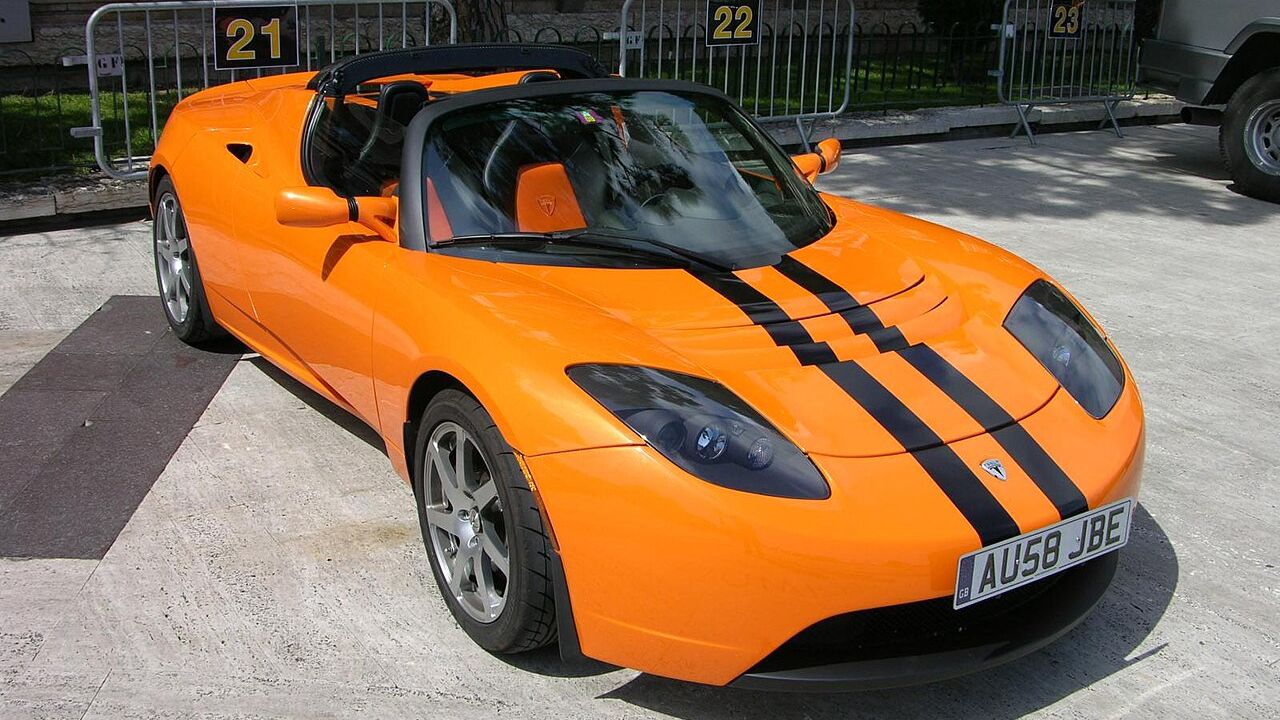
Throughout automotive history, certain cars have pushed the boundaries of technology, design, and performance. These vehicles represented bold steps forward, often setting the stage for future innovations. In this list, I explore ten cars that truly were ahead of their time, each leaving a lasting impact on the industry.
DeLorean DMC-12
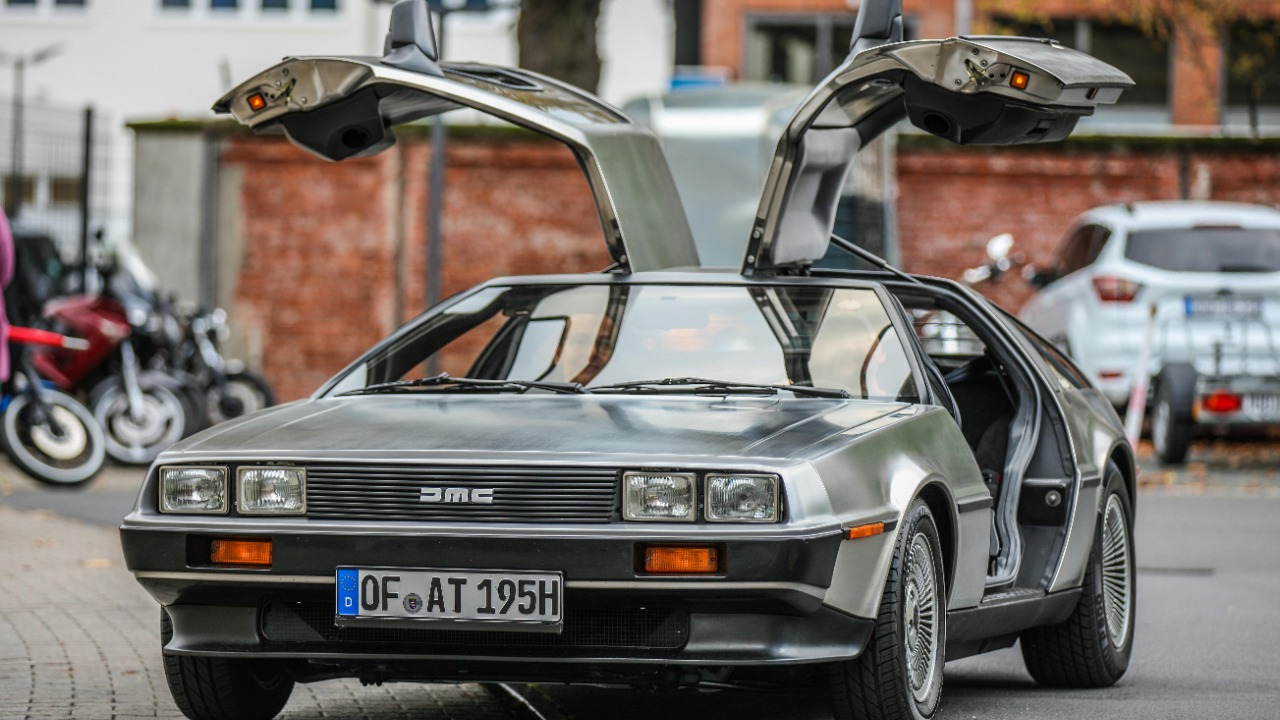
The DeLorean DMC-12, produced in the early 1980s, stands out with its stainless steel body and iconic gull-wing doors. Although it gained pop culture fame due to its role in the “Back to the Future” movies, the car was already a marvel of design. Engineered by Lotus and featuring a rear-mounted V6 engine, the DeLorean was a unique creation during its time.
Despite its short-lived production run, the DeLorean’s futuristic design and innovative features have made it a timeless icon. Its unconventional aesthetics and engineering choices continue to fascinate automotive enthusiasts today.
Tesla Roadster
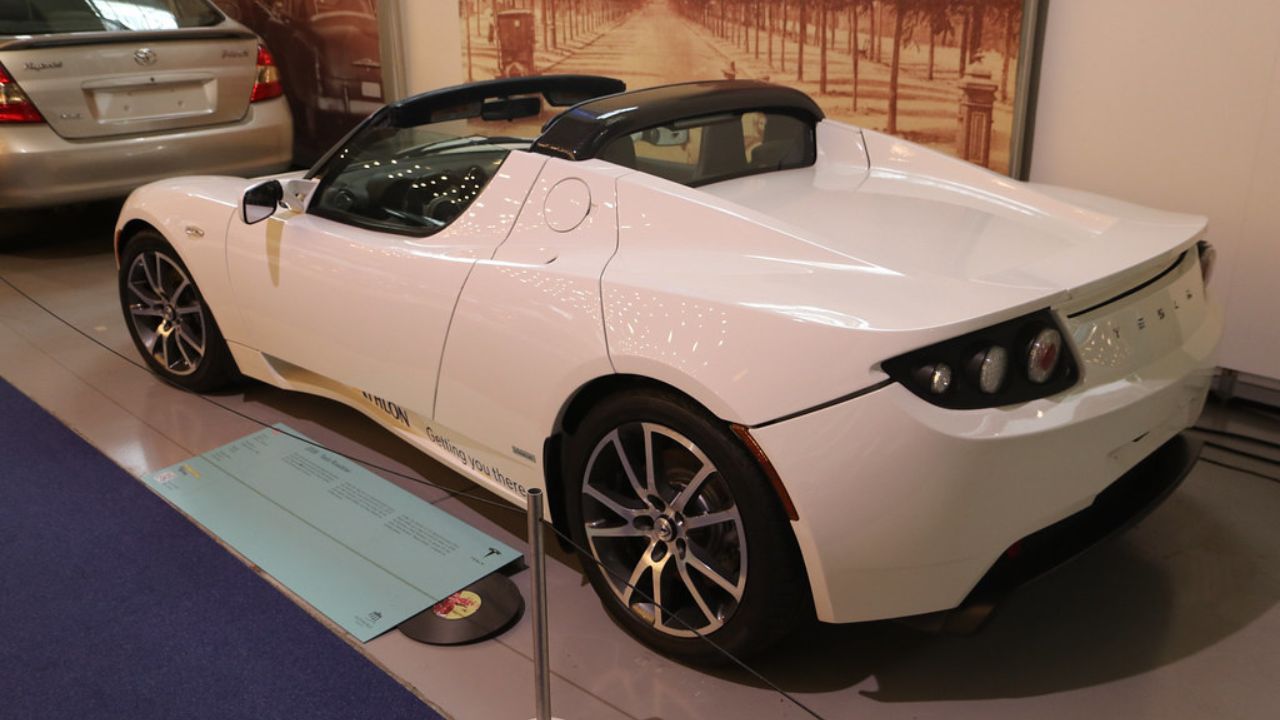
The Tesla Roadster, introduced in 2008, marked a revolutionary shift towards electric vehicles. Based on the Lotus Elise chassis, this sports car was the first highway-legal electric vehicle to use lithium-ion battery cells. It boasted a range of over 200 miles per charge, far surpassing other electric vehicles of its era.
The Roadster’s success laid the groundwork for Tesla’s future models, proving that electric cars could be both efficient and exhilarating to drive. This early foray into electric mobility played a significant role in shaping the future of the automotive industry.
Citroën DS

Launched in 1955, the Citroën DS was a groundbreaking vehicle that redefined luxury and innovation. Its hydropneumatic suspension system provided an unprecedented level of comfort and ride quality. The DS also introduced features like swiveling headlights and disc brakes, which were rare at the time.
With its aerodynamic design and advanced technologies, the Citroën DS set new standards in automotive engineering. Its influence extended beyond Europe, inspiring other manufacturers to explore new technologies and designs in their vehicles.
Tucker 48

The Tucker 48, also known as the Tucker Torpedo, was a forward-thinking car that emerged in the late 1940s. Designed by Preston Tucker, it featured innovative safety features such as a padded dashboard, a pop-out windshield, and a center-mounted headlight that turned with the steering wheel.
Despite its limited production, the Tucker 48 remains an important piece of automotive history. Its focus on safety and aerodynamics was ahead of its time, and it continues to be celebrated for its bold vision and design.
Audi Quattro
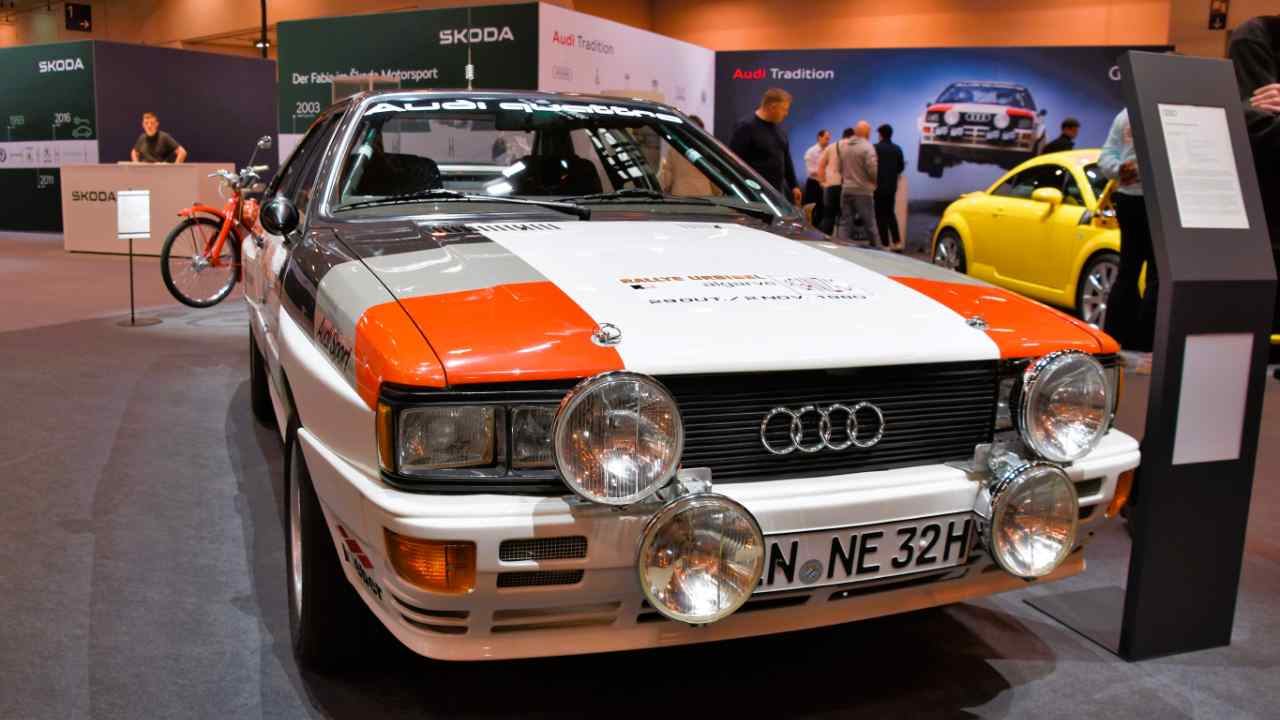
Introduced in 1980, the Audi Quattro was a game-changer in the world of rally racing and all-wheel-drive technology. Its turbocharged engine and permanent four-wheel drive system gave it unmatched traction and performance on all surfaces.
The Quattro’s success in motorsports helped establish Audi’s reputation for engineering excellence. Its influence can still be seen in today’s all-wheel-drive systems, which have become a standard feature in many high-performance vehicles.
Toyota Prius

The Toyota Prius, launched in 1997, was the world’s first mass-produced hybrid vehicle. It combined a gasoline engine with an electric motor, offering impressive fuel efficiency and reduced emissions. This pioneering approach to hybrid technology set the stage for a new era of eco-friendly cars.
The Prius’s success proved that environmentally conscious vehicles could be both practical and popular. It helped shift public perception and paved the way for the widespread adoption of hybrid technology in the automotive industry.
BMW i3

Debuting in 2013, the BMW i3 was a bold step forward in sustainable urban mobility. It featured a unique carbon-fiber-reinforced plastic body, making it lightweight and efficient. The i3 was also one of the first electric vehicles to integrate eco-friendly materials throughout its interior.
With its distinctive design and focus on sustainability, the BMW i3 challenged traditional automotive norms. It demonstrated that electric cars could be stylish, innovative, and environmentally friendly, contributing to the growing acceptance of electric mobility.
Mazda RX-7
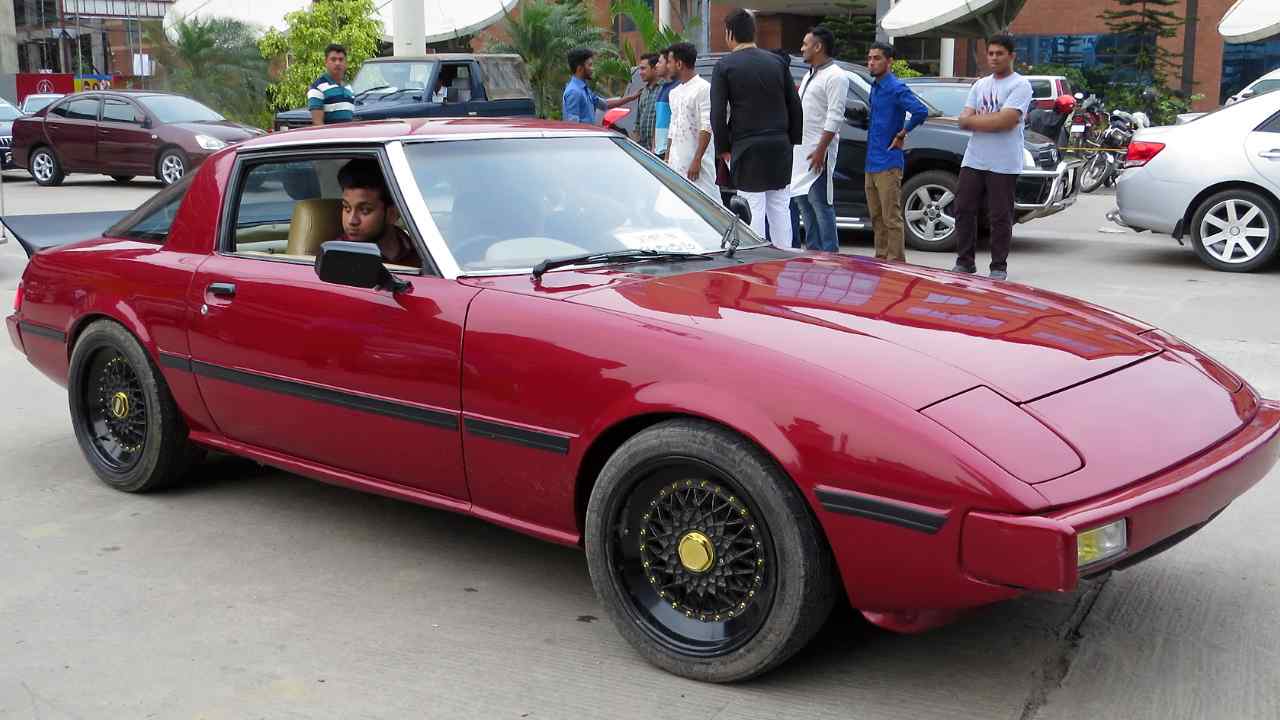
The Mazda RX-7, first introduced in 1978, was renowned for its use of the rotary engine. This unconventional power plant offered a high power-to-weight ratio and a unique driving experience. The RX-7’s lightweight construction and agile handling made it a favorite among driving enthusiasts.
Over its three generations, the RX-7 showcased Mazda’s commitment to engineering innovation and performance. Its legacy lives on in the automotive world, inspiring future models and maintaining a dedicated fanbase.
Honda Insight
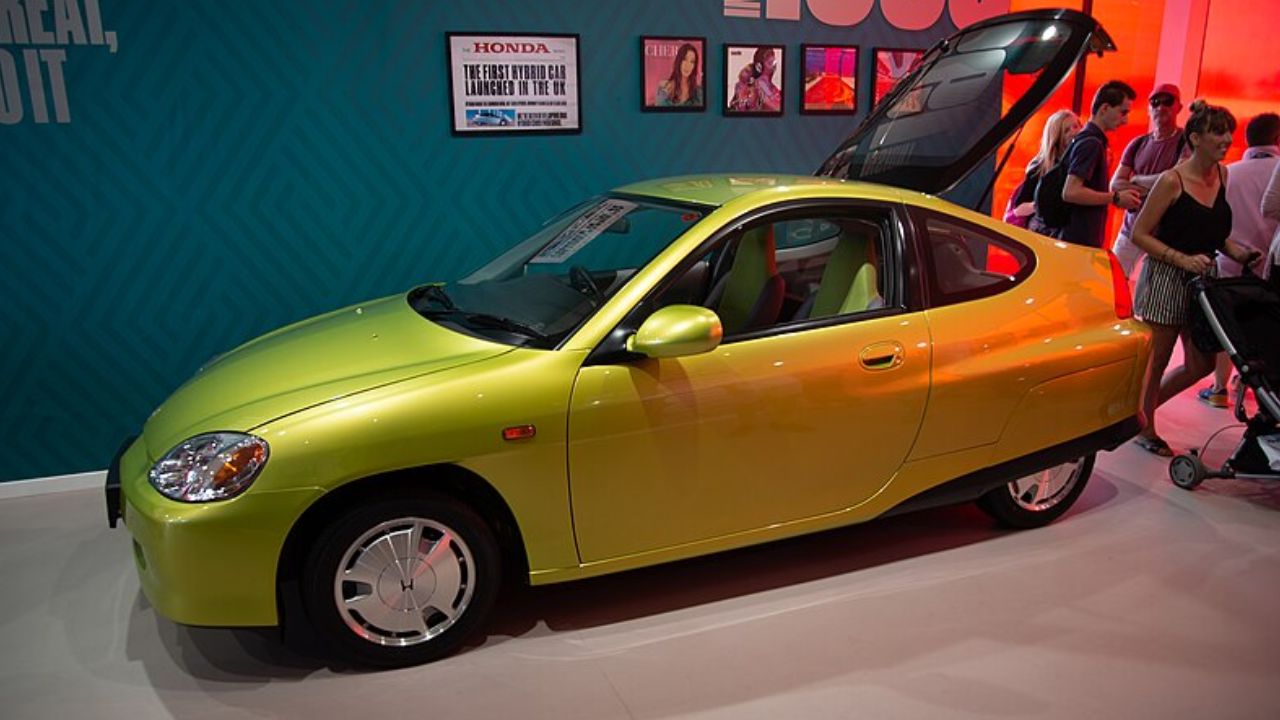
The Honda Insight, released in 1999, was the first hybrid vehicle available in the United States. Its aerodynamic design and lightweight aluminum body helped maximize fuel efficiency, achieving an impressive 70 miles per gallon.
The Insight’s introduction marked a significant milestone in the hybrid vehicle market. It demonstrated Honda’s dedication to innovation and environmental consciousness, influencing the development of future hybrid and electric models.
Chrysler Turbine Car
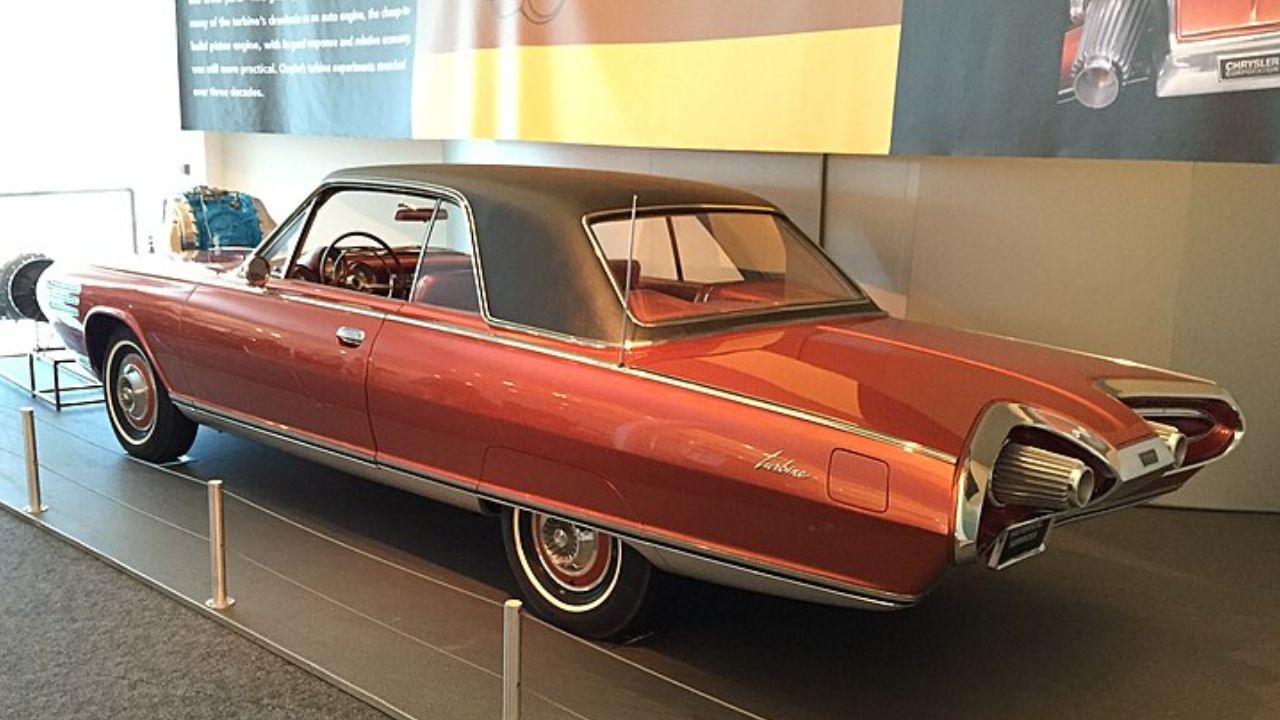
The Chrysler Turbine Car, produced between 1963 and 1964, was an ambitious experiment in alternative propulsion. Powered by a gas turbine engine, it offered a smooth and quiet ride, capable of running on various fuels including diesel and kerosene.
Although only a limited number were produced, the Chrysler Turbine Car showcased the potential of turbine technology in automotive applications. It remains a fascinating chapter in automotive history, highlighting the industry’s ongoing quest for innovation and efficiency.
More from Fast Lane Only