It started like any other weekday drive: coffee in the cup holder, the usual stop-and-go rhythm, and that mental checklist of meetings and errands. Then she caught it—an odd burning smell drifting into the cabin. At first it was easy to blame on the outside world, like overheated asphalt or someone else’s brakes.
But the smell didn’t go away. In fact, it got stronger every time she slowed down, especially at longer traffic lights. That’s when the little voice in her head went from “probably nothing” to “okay, this is definitely something.”
The moment she realized it wasn’t “just traffic”
She did what a lot of people do when something feels off: turned the radio down and paid closer attention. The SUV didn’t feel dramatically different, but there were hints—like the vehicle seeming a bit more sluggish than usual when pulling away from stops. And there was a faint sense of heat, like something was working way harder than it should.
When traffic finally opened up, she safely changed lanes and caught a glimpse of a weird glow reflecting off nearby cars. It wasn’t sunlight. It was coming from her own rear wheel area, and it had that unmistakable orange-red look of metal getting too hot.
What she found: a rear brake caliper that had frozen
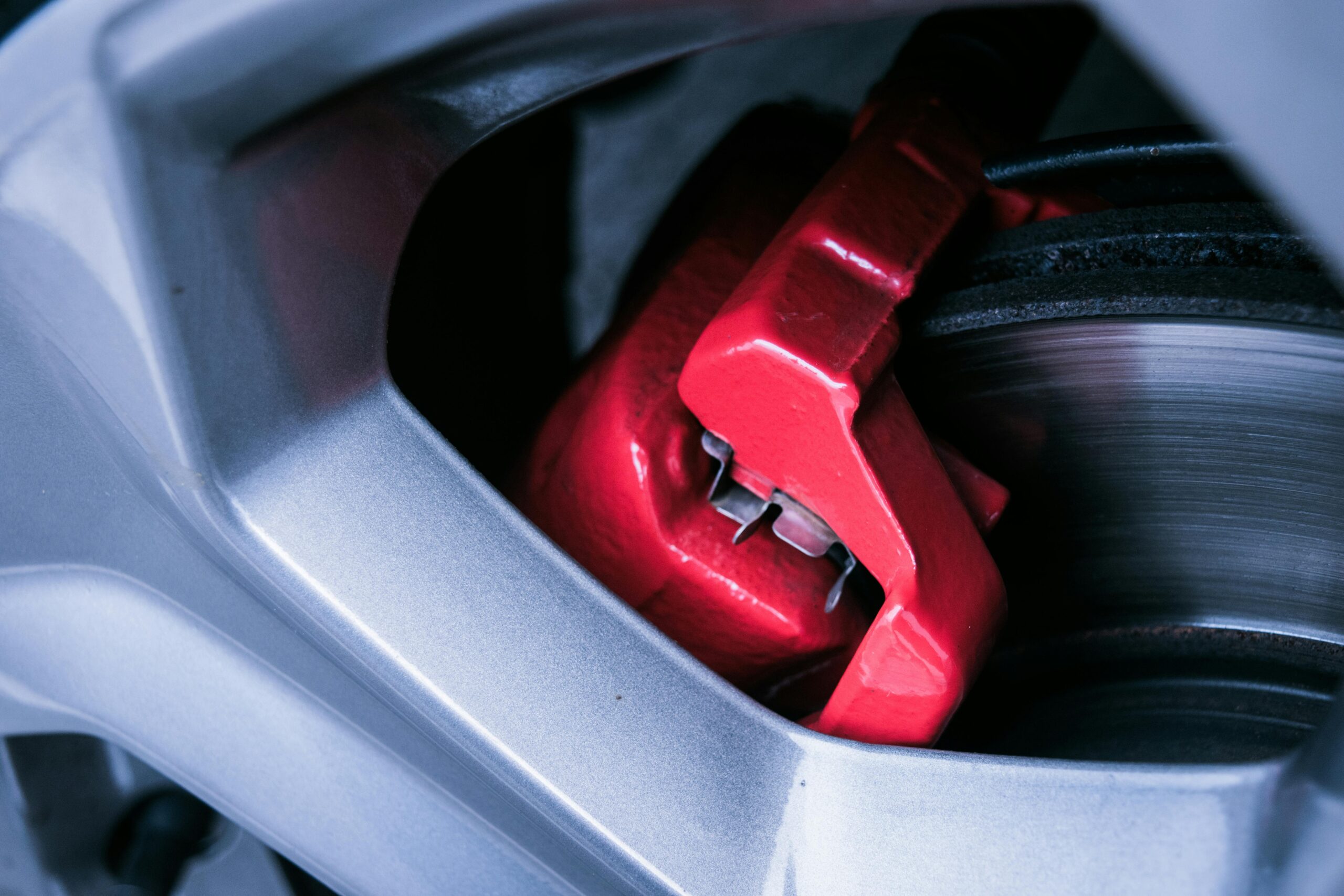
After getting to a safe place to pull over, she stepped out and immediately felt the heat radiating from the rear corner of the SUV. The wheel area smelled sharp and acrid—more intense than the usual “hot brakes” scent after a steep downhill. The rear brake caliper had effectively frozen, keeping the brake pad clamped against the rotor.
That constant friction turns your brake system into a space heater. The rotor can heat up fast enough to glow red in traffic, especially with repeated stops and little airflow to cool things down. It’s dramatic, but it’s also a big warning sign that something’s seriously wrong.
Why a stuck caliper is such a big deal
Brakes are designed to grab, then release. When a caliper doesn’t release, the pad keeps dragging on the rotor, creating heat, rapid wear, and a whole lot of stress on nearby parts. It’s not just “annoying”—it can quickly become dangerous.
That kind of heat can damage brake pads, warp rotors, cook the brake fluid, and even harm wheel bearings. In worst-case situations, the heat can ignite grease or nearby materials, especially if the vehicle’s been driven for a while with the brake dragging. It’s one of those problems where stopping sooner is always better than “just getting home.”
What causes a caliper to seize in the first place?
Most of the time it’s a combination of age, moisture, and corrosion. Caliper slide pins can rust and stop moving freely, or the caliper piston can seize and fail to retract. Sometimes a rubber brake hose can break down internally and act like a one-way valve—pressure goes to the caliper, but doesn’t release properly.
Cold weather and road salt don’t help, and neither does long periods of sitting. Vehicles that do lots of short trips can also be more prone to brake issues because moisture doesn’t always burn off. The frustrating part is that the early stages can be subtle until the heat and smell become impossible to ignore.
Clues drivers might notice before things get scary
A burning smell is a big one, but it’s rarely the only clue. Some people notice the vehicle pulling slightly to one side, or they feel a vibration during braking that wasn’t there before. Others catch a sudden drop in fuel economy because the engine is working harder against the drag.
You might also hear a scraping or grinding sound, especially if the pad material gets cooked or worn down quickly. Another sneaky sign is a wheel that’s way hotter than the others after a normal drive. If one wheel is radiating heat like a campfire and the others are just warm, that’s not “normal brake behavior.”
What to do if you smell burning or suspect a stuck brake
First: don’t ignore it and don’t keep driving “until it gets worse.” If you can, get to a safe spot off the road and stop driving. Avoid setting the parking brake if you suspect a rear brake is overheating, since that can clamp things tighter depending on the system.
Give it time to cool and keep a safe distance from the wheel area—components can be hot enough to burn skin. If there’s smoke, a strong burning odor, or any sign of glowing metal, it’s smart to call for roadside assistance rather than trying to limp it to a shop. A tow is annoying, but it’s a lot less annoying than losing brakes or starting a fire.
What a repair typically involves
Fixing a seized caliper usually means replacing the caliper, and often the brake pads and rotor on that wheel because they’ve been heat-damaged. Many shops recommend doing pads and rotors on both sides of the same axle for balanced braking, even if only one side seized. It’s one of those “do it evenly or you’ll feel it every stoplight” situations.
The technician may also inspect the slide pins, bracket hardware, and brake hose, plus flush brake fluid if it’s been overheated. If the fluid got cooked, it can boil under braking and cause a soft pedal—basically the opposite of what you want when you’re trying to stop a two-ton SUV. Done right, the repair restores smooth braking and prevents the problem from coming right back.
How to lower the odds of it happening again
Regular brake inspections help, especially in regions with heavy rain, snow, or road salt. A quick look during tire rotations can catch uneven pad wear, torn dust boots, or stuck slide pins before they turn into a glowing-rotor situation. If your vehicle sits for long periods, a short drive now and then can help keep parts moving and surfaces clean.
It also pays to take new smells seriously. Cars have a whole vocabulary of odors—hot plastic, burning oil, and overheated brakes—and they’re rarely being poetic about it. If something smells like it’s cooking, it probably is.
A scary reminder that instincts matter
In this case, the biggest win was noticing the smell early and trusting that it wasn’t normal. A lot of people talk themselves out of action because they don’t want to “overreact,” especially during a busy morning commute. But when it comes to brakes, paying attention is never the wrong move.
And if you ever see a wheel area glowing red in traffic, that’s your vehicle waving a giant flag that says, “Please stop driving me now.” It’s not subtle, it’s not dramatic for fun, and it definitely doesn’t get better on its own.
More from Fast Lane Only
- Unboxing the WWII Jeep in a Crate
- 15 rare Chevys collectors are quietly buying
- 10 underrated V8s still worth hunting down
- Police notice this before you even roll window down
*Research for this article included AI assistance, with all final content reviewed by human editors.