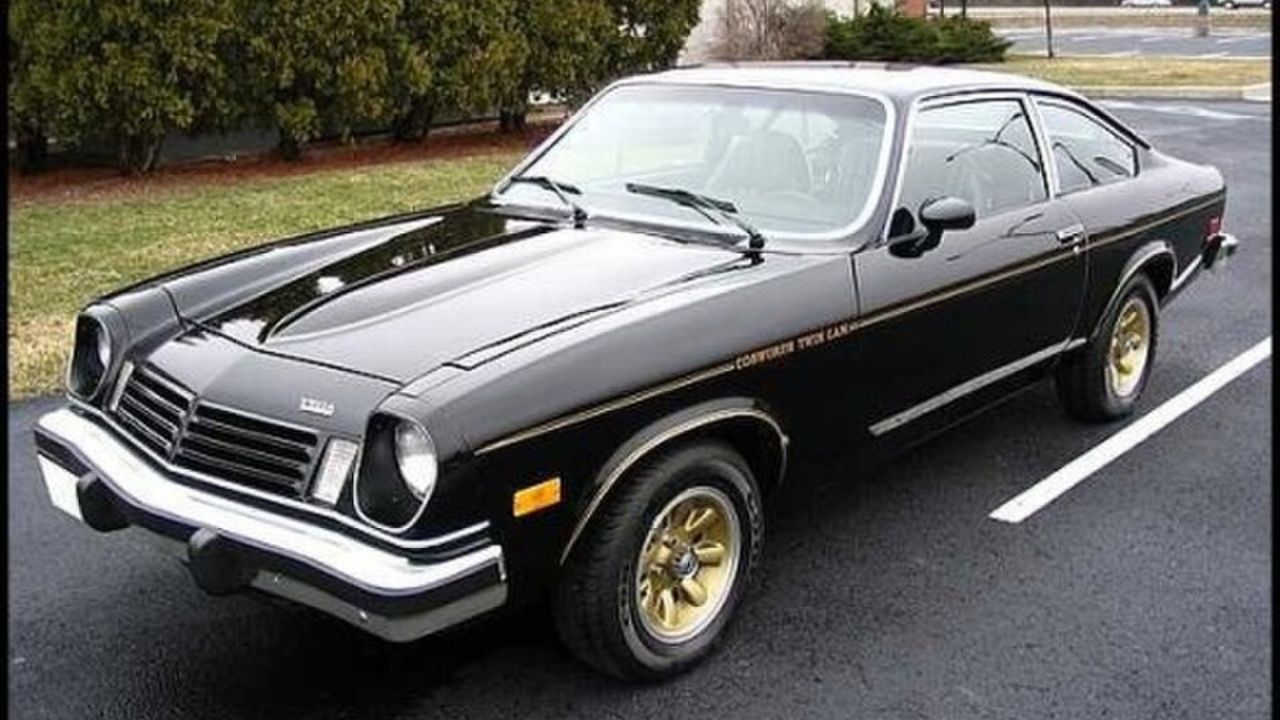
Before touchscreens, adaptive cruise control, and dozens of electronic driving modes, cars won people over with straightforward engineering and honest design. They were built to be driven, repaired, and enjoyed without layers of digital technology standing between the driver and the road. These classic cars prove that simple doesn’t have to mean boring—in fact, their uncomplicated approach is exactly what continues to make them so appealing decades later.
1969 Saab 99
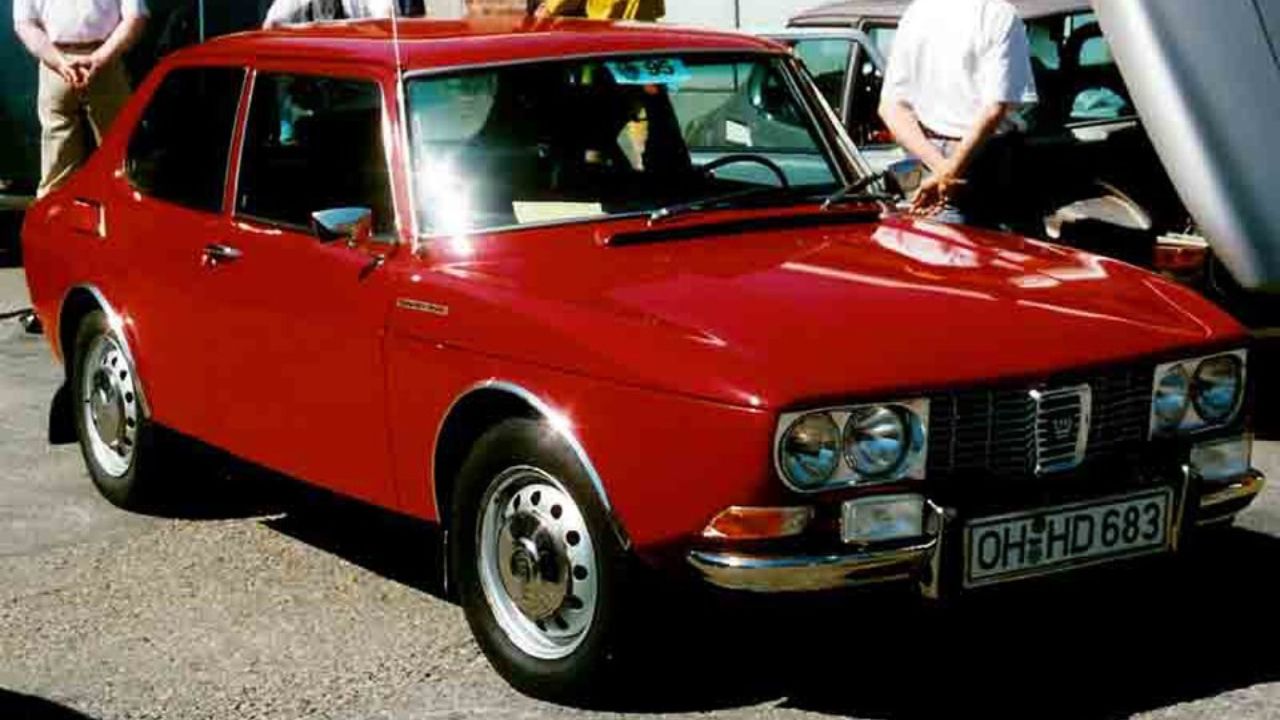
The Saab 99 showed that simplicity could go hand in hand with thoughtful engineering. Rather than filling the car with unnecessary features, Saab focused on what mattered most: excellent visibility, comfortable seating, practical controls, and outstanding safety. Its front-wheel-drive layout made it dependable in poor weather, while its sturdy construction helped build the brand’s reputation for durability. Every detail served a purpose, creating a sedan that felt intelligently designed instead of overly complicated.
1978 Ford Fairmont
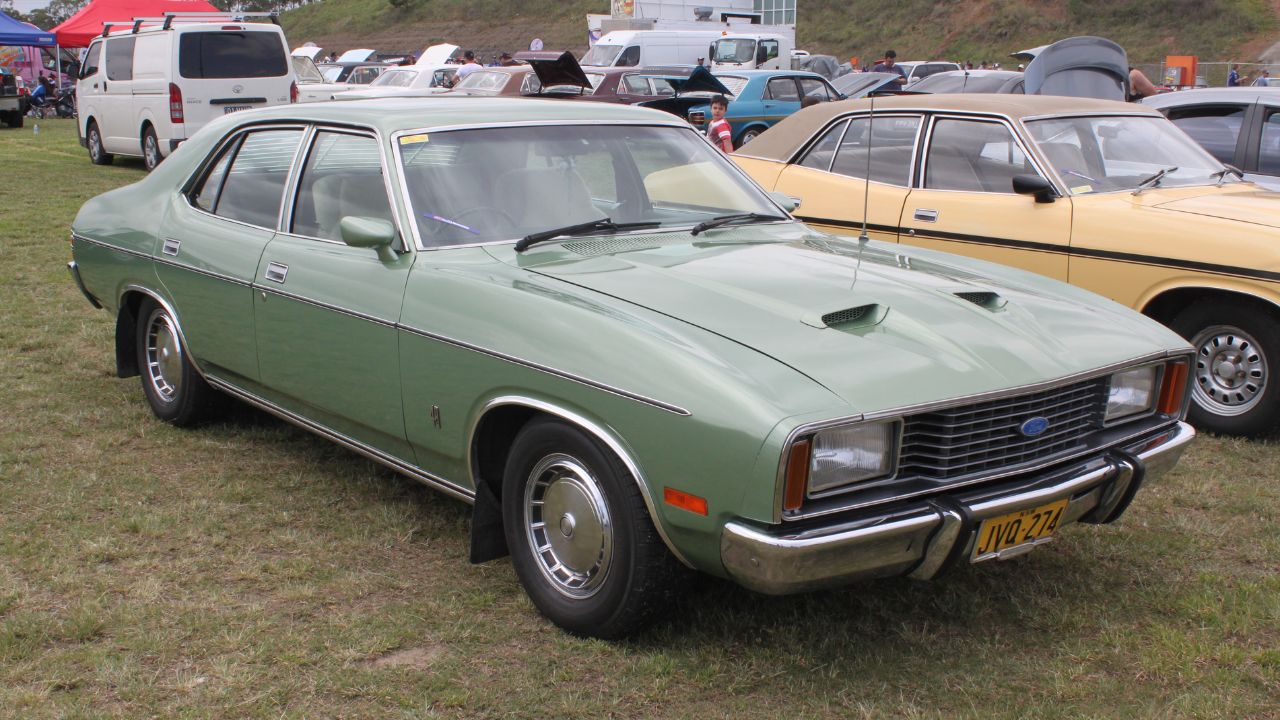
The Ford Fairmont never relied on dramatic styling or luxury appointments to win over buyers. Instead, it delivered exactly what families wanted: a roomy interior, dependable mechanicals, and efficient packaging built around the groundbreaking Fox platform. That same simplicity later made the Fairmont a favorite among enthusiasts, who discovered it was easy to modify and maintain. Its straightforward engineering helped establish a platform that would remain in production for more than two decades.
1971 Volkswagen K70
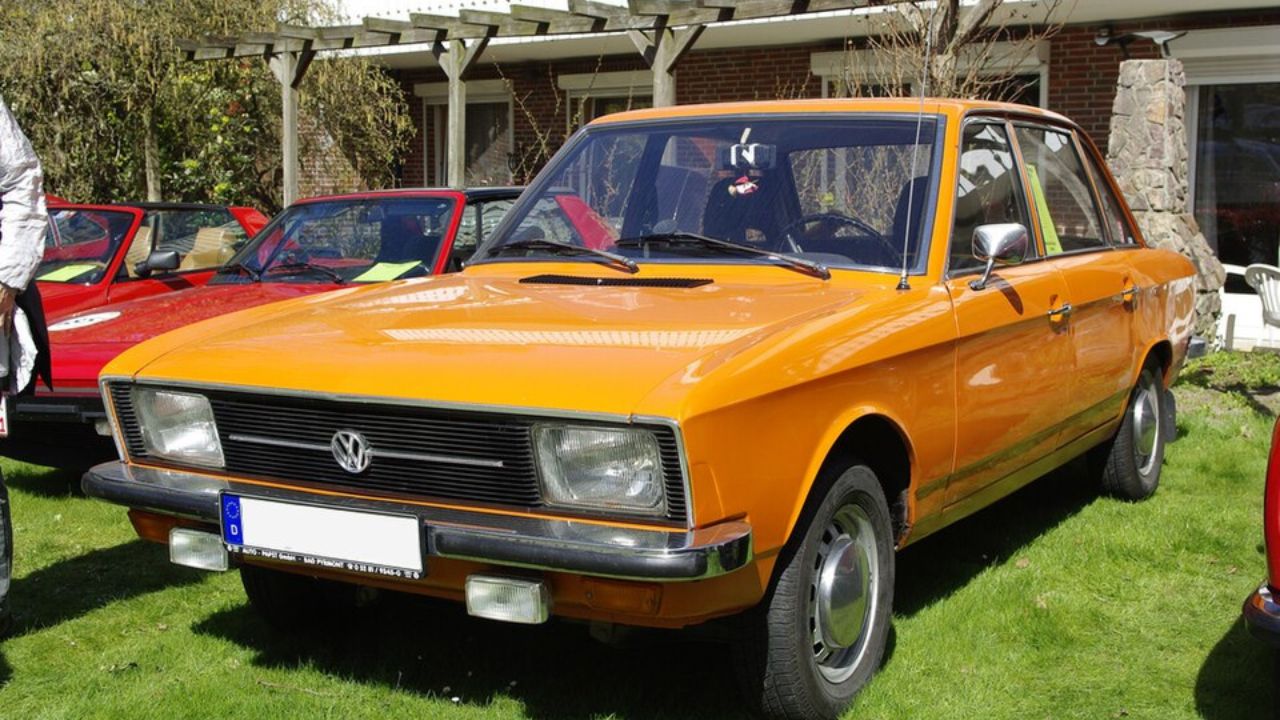
The Volkswagen K70 marked a major turning point for the company, but it stayed true to a philosophy of practical simplicity. Its front-wheel-drive layout improved interior space, while the water-cooled engine offered dependable everyday performance without unnecessary complexity. Large windows, comfortable seating, and clean styling emphasized function over fashion. Although it never became as famous as the Beetle or Golf, the K70 quietly demonstrated that thoughtful engineering often leaves a greater legacy than flashy design.
1984 Dodge Rampage

The Dodge Rampage proved that utility didn’t require a massive pickup truck. Built on a compact front-wheel-drive platform, it combined comfortable passenger-car handling with a practical cargo bed that suited everyday needs. Homeowners, commuters, and weekend DIY enthusiasts found it surprisingly useful without the compromises associated with larger trucks. Its simple mission and efficient design anticipated today’s compact lifestyle pickups by decades, showing that practical ideas rarely go out of style.
1974 Mercury Capri
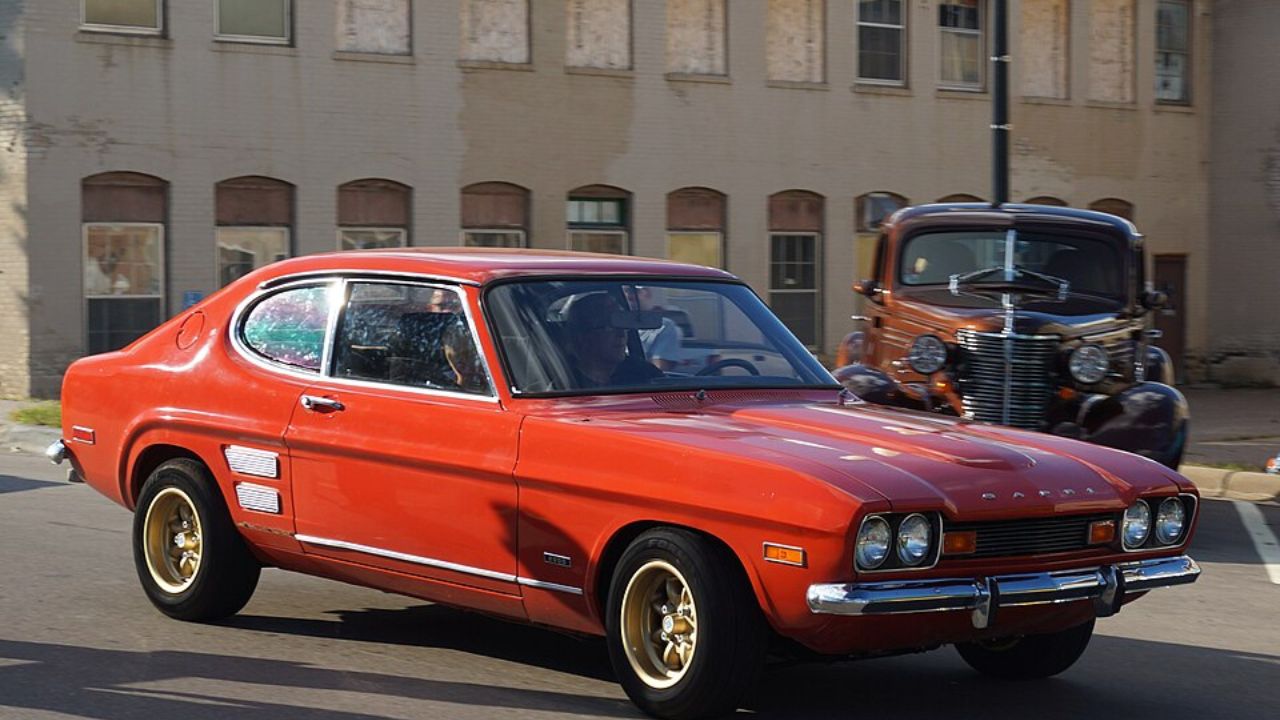
European engineering gave the Mercury Capri an honest, uncomplicated personality. Rather than chasing massive horsepower figures, it focused on balanced handling, lightweight construction, and an engaging driving experience. The straightforward cockpit placed every control within easy reach, while the rear-wheel-drive chassis rewarded confident drivers without relying on electronic assistance. The Capri reminded buyers that genuine driving enjoyment often comes from simplicity rather than excess.
1968 Imperial Crown
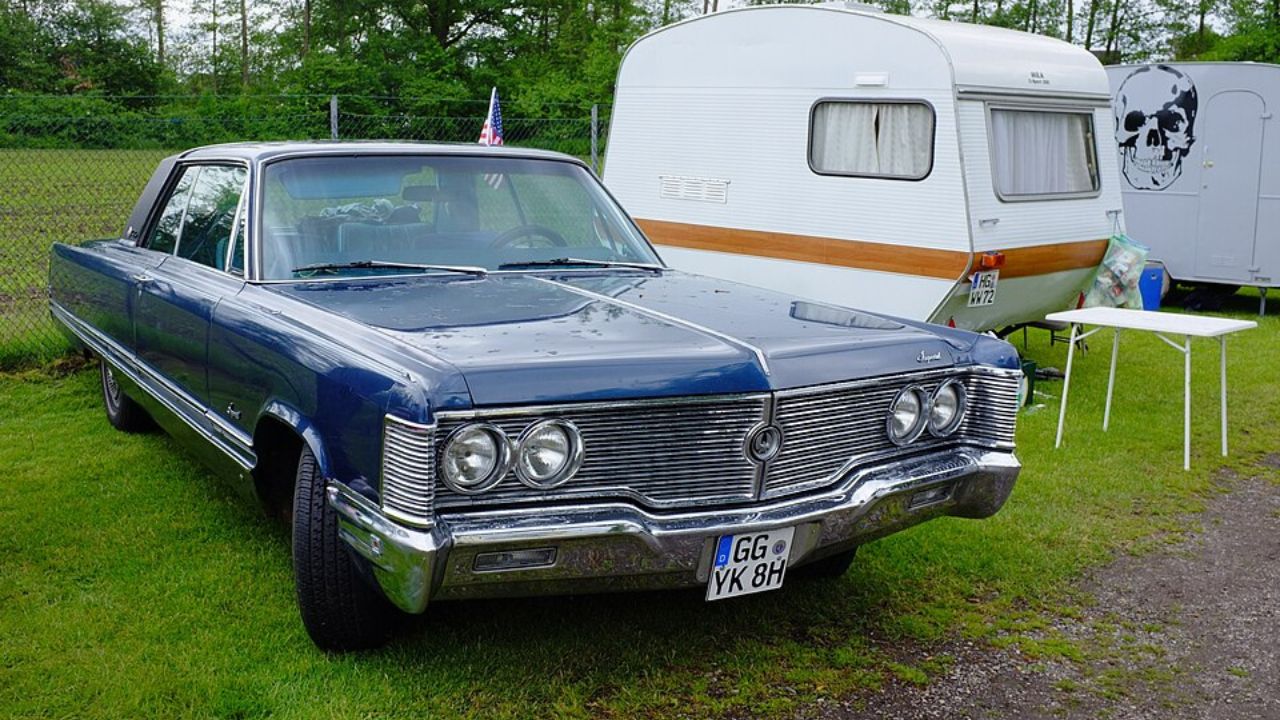
Despite its impressive size and luxurious appointments, the Imperial Crown embraced a straightforward definition of luxury. It emphasized quiet comfort, quality craftsmanship, and effortless V8 power instead of gimmicks or unnecessary technology. The spacious interior, smooth ride, and carefully designed cabin created an atmosphere that felt elegant without trying too hard. More than fifty years later, its restrained approach continues to demonstrate that lasting luxury is built on substance rather than novelty.
1972 Mazda RX-3
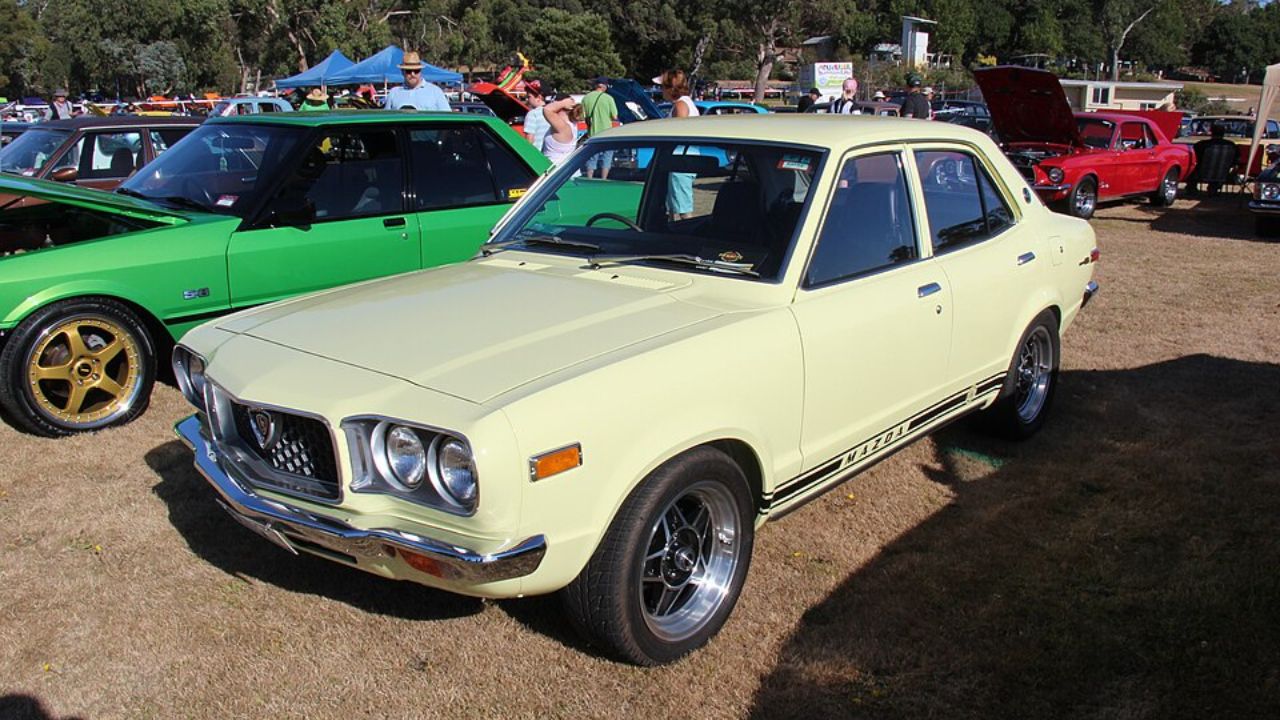
The Mazda RX-3 kept its formula refreshingly simple: lightweight construction, rear-wheel drive, and a compact rotary engine that loved to rev. It didn’t overwhelm drivers with unnecessary features or luxury equipment. Instead, it focused on creating an engaging connection between the driver and the road. That purity helped establish the RX-3 as one of Mazda’s most beloved classics and introduced countless enthusiasts to the unique appeal of rotary-powered performance.
1969 Ford XL
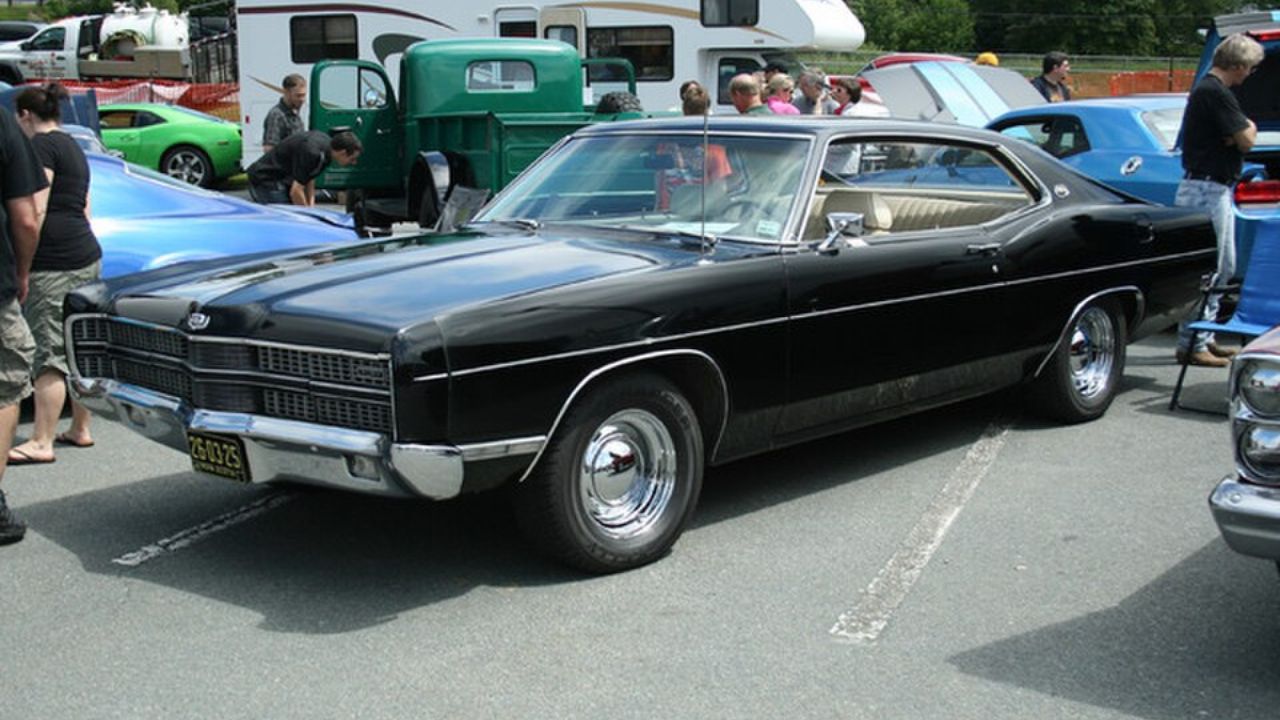
The Ford XL offered big-car comfort without unnecessary extravagance. Buyers could enjoy a spacious cabin, smooth V8 performance, and understated styling that aged gracefully over the decades. Rather than relying on flashy graphics or aggressive styling, the XL focused on delivering dependable power and relaxed cruising. Its combination of practicality and performance continues to appeal to collectors looking for a classic that’s as enjoyable to drive as it is to admire.
1975 Chevrolet Cosworth Vega
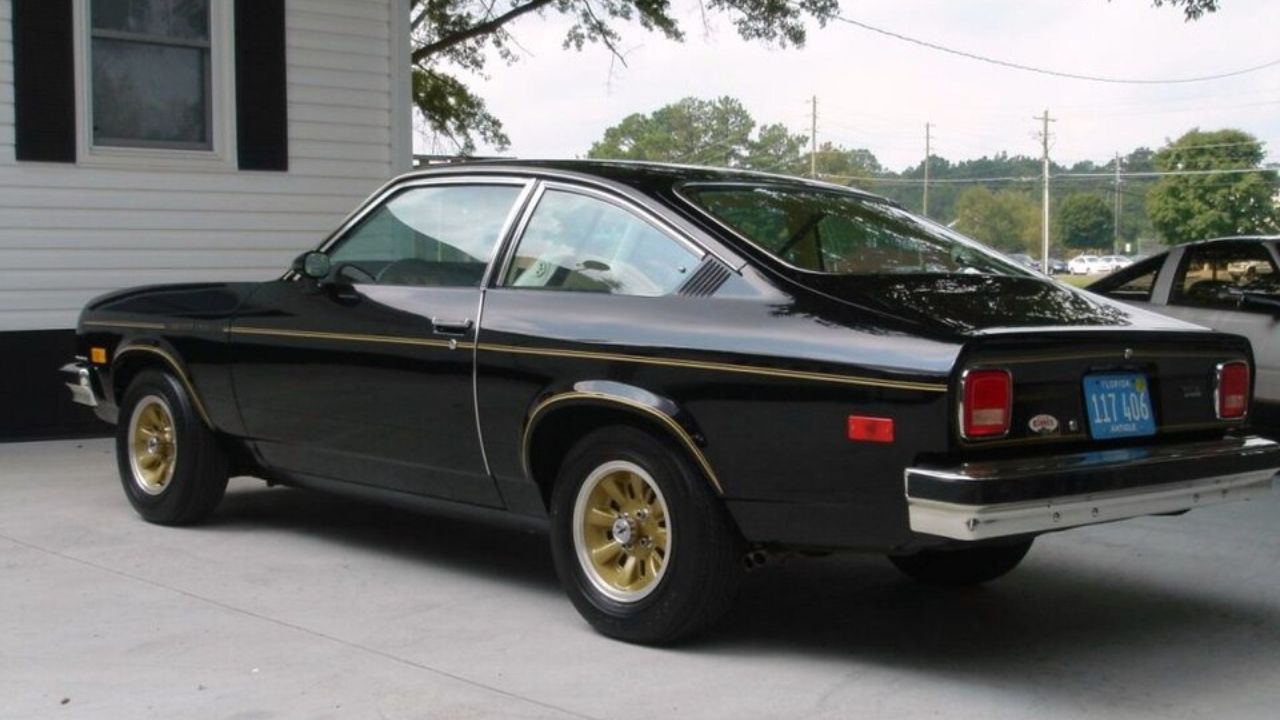
The Cosworth Vega proved that advanced engineering could still follow a simple mission. Chevrolet equipped the compact coupe with a sophisticated twin-cam engine, but the goal wasn’t complexity for its own sake—it was creating a more rewarding driving experience. The lightweight chassis, precise steering, and high-revving powerplant worked together in harmony, demonstrating that innovation is most effective when it serves the driver instead of overwhelming them.
1971 Plymouth Cricket
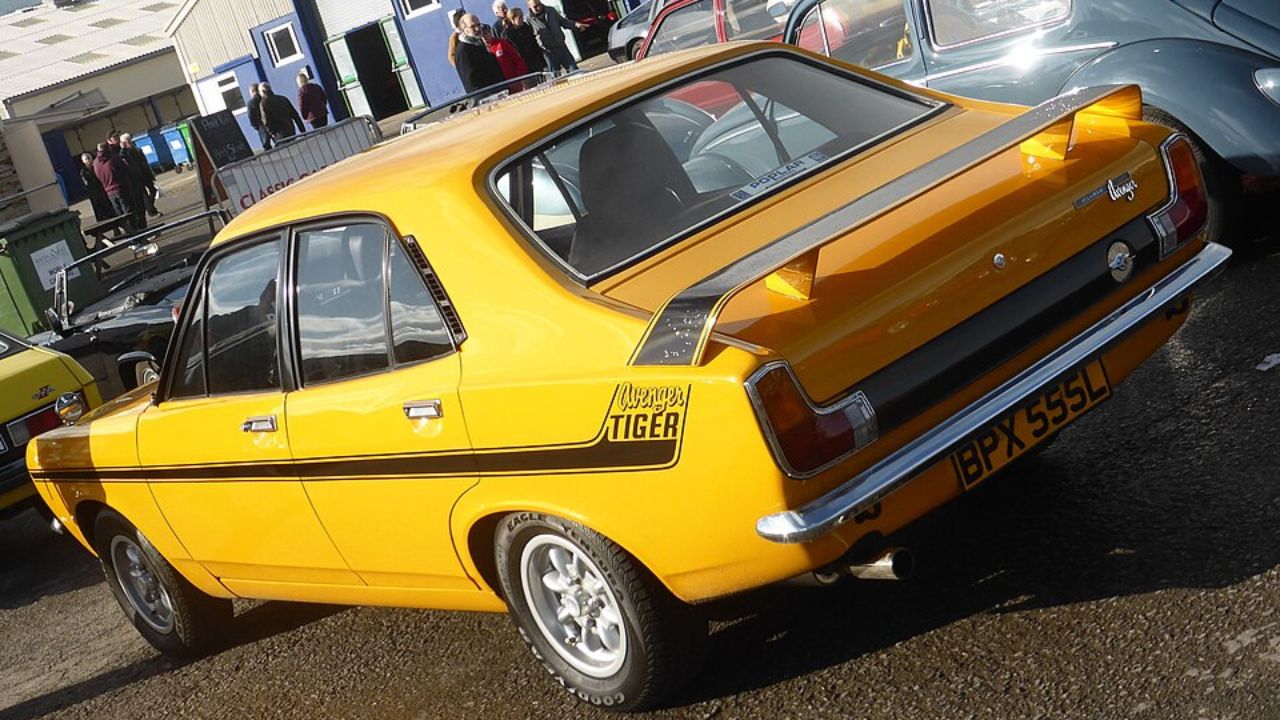
The Plymouth Cricket arrived during a period when compact cars were becoming increasingly important. Based on the British-built Hillman Avenger, it emphasized straightforward transportation with simple mechanical components, respectable fuel economy, and easy maintenance. Although it enjoyed only a brief production run in North America, the Cricket represented an era when affordable, uncomplicated cars fulfilled exactly the role buyers expected. Today, its rarity and honest character make it an overlooked gem among classic compacts.
More from Fast Lane Only